Your Gardening Roadmap
- Why Bother with Pots? The Real Benefits of Container Gardening
- Your First Step: Picking the Right Container (It's More Than Just Looks)
- Choosing Plants That Won't Let You Down
- The Secret Sauce: It's All About the Soil
- The Planting Process: A Step-by-Step Walkthrough
- Keeping Them Alive: Water, Food, and a Little Love
- Troubleshooting Common Container Gardening Problems
- Design Ideas to Make Your Containers Shine
- Frequently Asked Questions (Stuff You're Probably Wondering)
Let's be honest. Sometimes I look at those perfect gardens in magazines and just feel... tired. All that digging, weeding, and needing a whole backyard. It's not realistic for a lot of us. Maybe you're in an apartment with just a fire escape. Or a house with a patio that's more concrete than soil. Or maybe you just don't want the commitment of a full-blown garden bed. That's where container gardening comes in, and it's honestly a game-changer.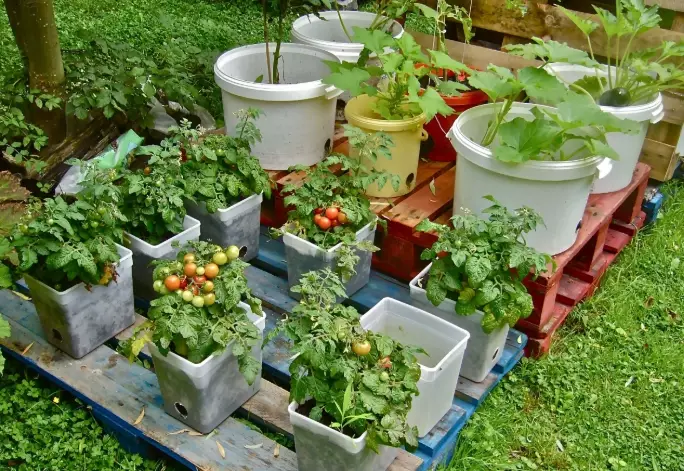
I remember my first attempt. I bought a sad-looking tomato plant from a big-box store, shoved it into the only pot I had (which had no drainage hole, rookie mistake), used dirt from my mom's yard, and wondered why it died in two weeks. I was ready to give up. But then I talked to a neighbor who had this lush, overflowing balcony garden, and she broke it down for me. It's not magic; it's just knowing a few key things. That's what this guide is – the stuff I wish someone had told me, without the confusing jargon.
Container gardening is simply growing plants in pots, boxes, baskets, or really anything that holds soil, instead of in the ground. It's flexible, forgiving, and perfect for small spaces. You control the environment. Bad soil in your area? No problem, you fill your pot with the good stuff. Too much shade? Just move the pot. Want to grow herbs right outside your kitchen door? You can.
Here's the best part: You can start container gardening with just one pot and one plant. There's no minimum size requirement. This guide will walk you through every single step, from picking that first pot to keeping your plants happy all season long.
Why Bother with Pots? The Real Benefits of Container Gardening
Everyone talks about the space thing, and it's huge. But there are other perks that don't get enough airtime.
First, control. You are the master of your pot's universe. The soil, the water, the food, the sunlight exposure (by moving it). If a plant gets sick, it's isolated. You don't have to fight with your native clay or sand. You create the perfect little world. For beginners, this is a massive confidence booster.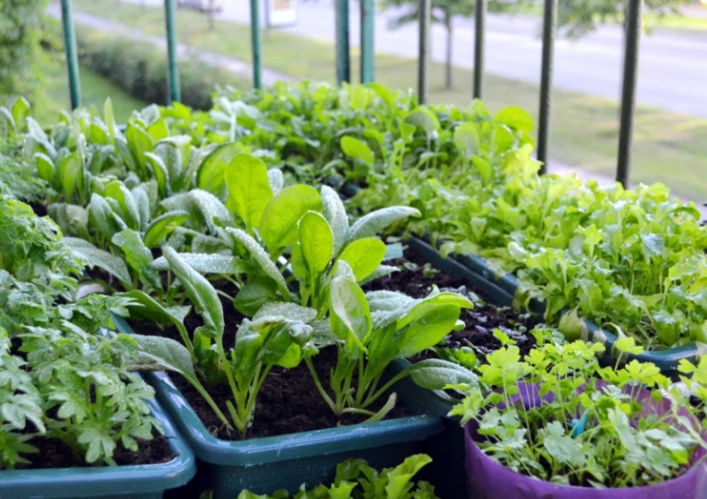
Second, accessibility. No more kneeling in the dirt if you have back issues. You can raise pots to a comfortable height on tables, stands, or even windowsills. Gardening becomes something you can do standing up, which is a big deal.
Third, it's temporary and changeable. Renting? You can take your garden with you. Don't like the layout? Rearrange the pots on a Saturday morning. Tired of your summer flowers? Swap them out for fall mums. The flexibility is liberating.
Of course, it's not all sunshine. Containers dry out faster than the ground, so you'll water more often in the heat. They also limit root space, so plants can't go searching for their own nutrients and water – you have to provide it. But knowing these challenges upfront means you can plan for them. It's a fair trade for all the freedom you get.
Your First Step: Picking the Right Container (It's More Than Just Looks)
This is where most people, including past-me, go wrong. You fall in love with a beautiful ceramic pot and then try to make a plant work in it. We need to flip that script. Think of the container as your plant's house. Its size, material, and features determine how happy your plant will be.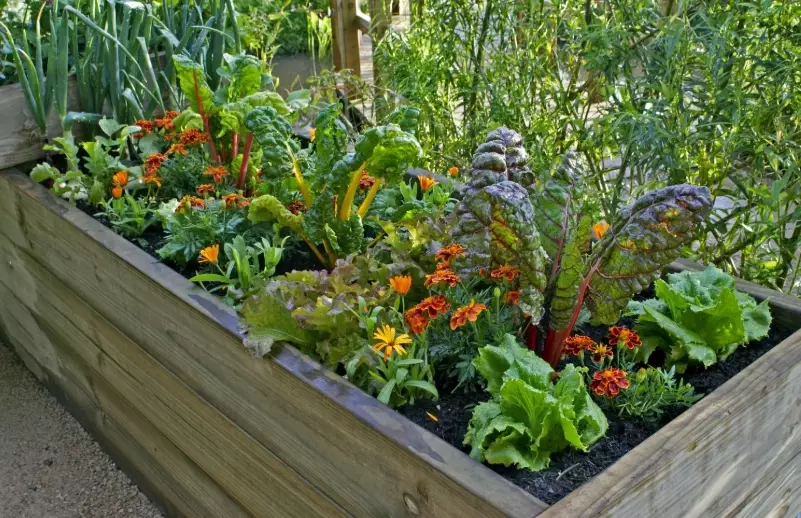
The #1 Rule: Drainage, Drainage, Drainage
I cannot stress this enough. If your pot doesn't have holes in the bottom for excess water to escape, you are building a swimming pool for roots, and they will drown. Root rot is a silent killer. Always check for holes. If you find a gorgeous pot without holes, you have two options: drill some yourself (with the right bit for ceramic/plastic) or use it as a "cachepot" – basically a decorative outer shell. You place a cheaper, boring plastic pot with holes *inside* the pretty one. Just remember to empty the outer pot of any drained water after watering.
Container Materials: The Good, The Bad, and The Porous
Here’s a quick breakdown of the most common materials. Your choice affects watering frequency, weight, durability, and cost.
| Material | Pros | Cons | Best For |
|---|---|---|---|
| Plastic & Resin | Lightweight, cheap, retains moisture well, many styles. | Can fade/become brittle in sun, less stable in wind, can look cheap. | Beginners, large planters (lightweight), hanging baskets, vegetables. |
| Terracotta & Clay | Classic look, porous (allows air to roots), heavy/stable. | Heavy, dries out very quickly, can crack in freeze/thaw cycles. | Plants that like dry roots (herbs, succulents), stable anchor plants. |
| Glazed Ceramic | Beautiful colors/designs, retains moisture better than terracotta. | Heavy, expensive, often lacks drainage (check!), can crack. | Focal points, patios, plants that like consistent moisture. |
| Wood | Natural look, good insulation for roots, can be built to size. | Rots over time (use cedar/redwood), can be heavy, needs lining. | Raised bed style planters, large vegetables, rustic themes. |
| Metal | Modern/industrial look, very durable. | Heats up fast in sun (can cook roots), can rust, often needs holes. | Shade or part-sun areas, decorative accents (use as cachepot). |
My personal go-to for most things? Plastic that's designed to look like stone or ceramic. It's light, affordable, holds moisture decently, and I don't cry if one breaks. For my herbs on the hot deck, I use terracotta because they *like* to dry out between waterings. See? Match the pot to the plant's needs.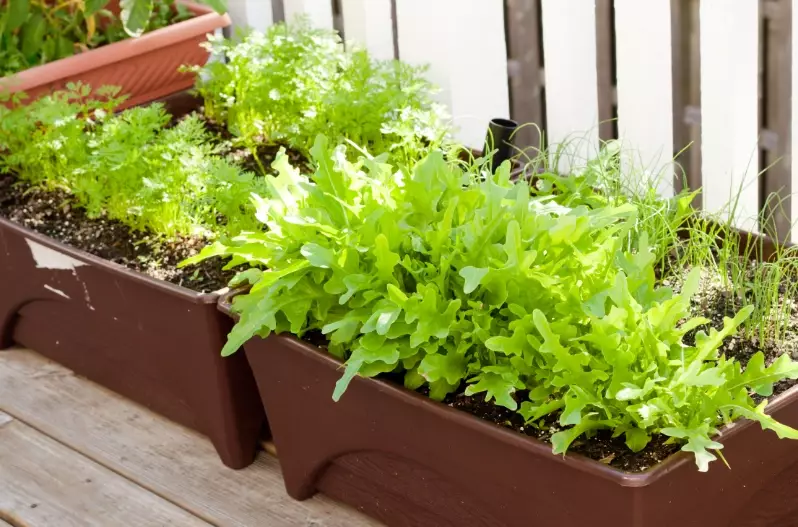
How Big Should Your Pot Be?
Bigger is usually better, within reason. More soil means more buffer against drying out and more room for roots. A tiny pot in full sun will need watering multiple times a day in summer – a chore nobody wants.
- Small (6-10" diameter): Perfect for a single herb, a small succulent, or annuals like pansies.
- Medium (12-18" diameter): The sweet spot. Can hold a small tomato plant, a few pepper plants, a mix of flowers, or a small shrub.
- Large (20"+ diameter): For small trees (dwarf citrus, Japanese maple), large shrubs, or big, hungry veggies like zucchini. Remember, these get *heavy* once filled. Put them on a plant caddy with wheels if you might need to move them.
A good rule of thumb: match the pot size to the expected mature size of the plant. The tag on the plant usually gives a height/width. Your pot's diameter should be at least half to two-thirds of the plant's expected spread.
Choosing Plants That Won't Let You Down
This is the fun part. You can grow almost anything in a container, but some plants are just more cooperative partners than others. For your first foray into container gardening, I'd stick with the easy wins. Build your confidence.
Think about the "Thriller, Filler, Spiller" formula for mixed planters. It's a classic for a reason. Thriller: One tall, eye-catching plant in the center/back (e.g., ornamental grass, canna lily, snapdragon). Filler: Bushy plants that fill the middle (e.g., geraniums, coleus, petunias). Spiller: Trailing plants that cascade over the edge (e.g., sweet potato vine, bacopa, ivy). This combo creates instant, professional-looking depth.
Top Picks for Beginner Container Gardening
Here are my personal favorites, tried and tested. These are forgiving and deliver a lot of satisfaction for the effort.
Foolproof Flowers & Foliage:
- Petunias & Calibrachoa (Million Bells): Bloom machines. Give them sun and regular food, and they won't stop. Deadheading (pinching off old flowers) helps, but some newer varieties are self-cleaning.
- Geraniums (Pelargoniums): Tough as nails. They handle sun, a bit of drought, and keep blooming. The scented-leaf varieties are fun to brush past.
- Coleus: Grown for their outrageously colorful leaves. They thrive in part shade, which opens up options for darker balconies. Pinch off the flower spikes to keep the leaves looking lush.
- Sweet Potato Vine (Ipomoea): The ultimate spiller. Grows fast, comes in neon green, dark purple, or variegated. It's almost impossible to kill. I've had pieces break off, fall into another pot, and start rooting. A real trooper.
Easy-Edible Container Gardening:
- Herbs: The absolute best place to start. Basil, mint, chives, oregano, thyme, rosemary. They love pots. Warning: Plant mint alone in its own pot. It's a bully and will take over any shared space.
- Leafy Greens: Lettuce, kale, Swiss chard, spinach. They have shallow roots, grow quickly, and you can harvest "cut-and-come-again" style. Perfect for a shallow, wide pot.
- Tomatoes: Look for varieties labeled "patio," "bush," or "determinate." They stay more compact. A single plant needs at least a 5-gallon bucket-sized pot (with holes drilled in the bottom!). Use a cage or stake for support.
- Peppers (Bell & Chili): Another great container candidate. They like it hot and sunny. One plant per medium to large pot.
Avoid plants that get huge or have deep taproots for your first year (like asparagus or standard fruit trees). Dwarf varieties of blueberries, citrus, and figs, however, are fantastic for large container gardening projects once you get the hang of it.
The Secret Sauce: It's All About the Soil
Do not, I repeat, do not shovel dirt from your yard into your pots. Garden soil is too dense, compacts easily, and may harbor pests or diseases. It will turn into a brick inside your container.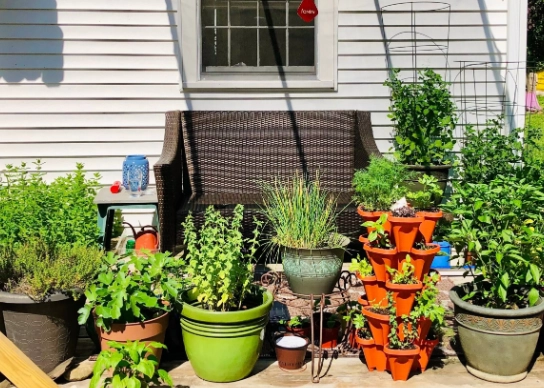
You need a potting mix, also called potting soil. These are specifically formulated for containers. They're light, fluffy, and well-draining. Look for bags that say "potting mix" or "container mix." Many include a slow-release fertilizer to give plants a head start, which is great.
You can get fancy and mix your own, but for beginners, a high-quality bagged mix is perfect. If you're growing succulents or cactus, get a special "cactus/succulent mix" that has extra sand or perlite for even faster drainage.
Topping it Off: Mulch
This is a pro-tip that looks after you. Spread a 1-2 inch layer of small bark chips, shredded wood, or even decorative stones on top of the soil in your pot. This mulch layer does wonders: it slows down water evaporation (so you water less), keeps the soil cooler on hot days, and prevents weeds from sprouting. It also gives a finished, polished look.
The Planting Process: A Step-by-Step Walkthrough
- Prep your pot: If the drainage holes are large, place a piece of broken pottery or a coffee filter over them to keep soil from washing out. Don't layer gravel at the bottom – it actually hurts drainage by creating a "perched water table." Just use the filter.
- Add potting mix: Fill the pot about one-third to halfway full. Don't pack it down.
- Prep your plant: Gently squeeze the nursery pot and tip the plant out. If the roots are a dense, coiled mass (root-bound), gently tease some of the outer roots loose with your fingers to encourage them to grow outward.
- Position it: Set the plant in the pot. The top of the root ball should be about an inch below the rim of the pot. Add or remove soil underneath to adjust the height.
- Fill in: Scoop potting mix around the sides, filling all gaps. Gently firm the soil around the base of the plant with your fingers. Leave that inch of space at the top – this is the "watering well" so water doesn't just run over the sides.
- Water deeply: This is crucial. Water slowly until you see water flowing freely out of the bottom drainage holes. This ensures the entire root ball is moistened. Let it drain completely.
- Add mulch: Apply your thin layer of mulch on top.
- Find its spot: Place the container in its intended location. If the plant tag says "full sun," introduce it gradually over a few days if it's been in a shaded nursery.
Keeping Them Alive: Water, Food, and a Little Love
Okay, they're planted. Now what? The ongoing care for container gardening is simple but specific.
Watering – The Biggest Puzzle
Forget a schedule ("water every Tuesday"). It depends on heat, wind, pot size, and plant type. The best method is the finger test. Stick your finger into the soil up to your first knuckle (about 1-2 inches). If it feels dry, water deeply. If it feels damp, wait. You'll get a feel for it. In peak summer, small pots in full sun might need daily watering. Large pots might go 2-3 days. Terracotta dries faster than plastic. It's a relationship, not a robot.
Water in the morning if possible. This gives leaves time to dry, reducing disease risk, and plants can drink up before the heat of the day.
Feeding (Fertilizing)
Potting mix nutrients get used up or washed out in about 4-6 weeks. After that, you need to feed. For flowering plants and vegetables, I use a water-soluble fertilizer (like Miracle-Gro or a fish/seaweed emulsion) every 1-2 weeks during the growing season. It's like giving them a weekly vitamin. For foliage plants or herbs, you can feed less often, maybe once a month. Always follow the label directions – more is not better and can "burn" plants.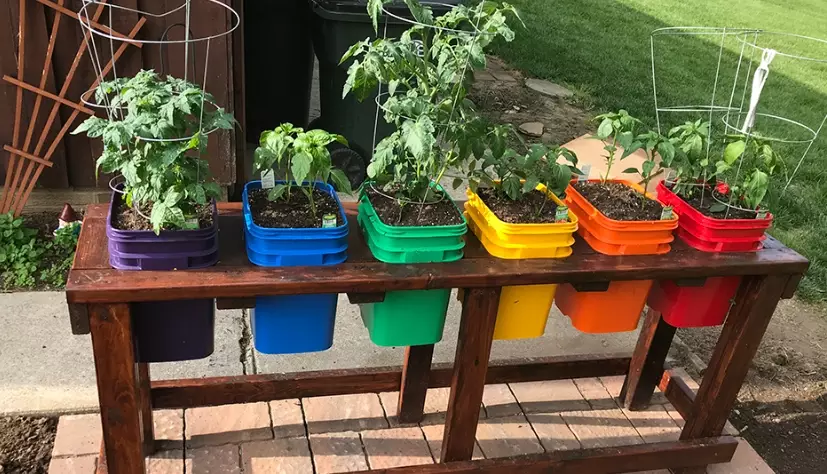
A Little Maintenance
Deadheading: For many flowers (petunias, marigolds), pinching off the spent blooms tells the plant to make more flowers instead of seeds. It keeps them looking tidy and blooming longer.
Pruning/Pinching: Don't be afraid to pinch back leggy stems on herbs or coleus. It makes them bushier. If a plant gets too big for its pot, you can prune it back.
Checking for Pests: Because containers are often close to the house, pests like aphids or spider mites can show up. Check the undersides of leaves occasionally. A strong spray of water from the hose often knocks them off. For tougher cases, insecticidal soap is a gentle, effective option.
Troubleshooting Common Container Gardening Problems
Things will go wrong. It's okay. Here's a quick diagnostic chart.
| What You See | Likely Cause | Quick Fix |
|---|---|---|
| Yellowing leaves, especially lower ones | Overwatering (most common) or poor drainage. | Check soil moisture with finger test. Ensure pot has holes. Let soil dry out more between waterings. |
| Wilting, dry, crispy leaves | Underwatering. | Water deeply immediately. Pot may be too small for plant/conditions. |
| Leggy growth, few flowers | Not enough sunlight. | Move pot to a sunnier location (if plant tag calls for sun). |
| Lots of leaves, no flowers | Too much nitrogen fertilizer (the first number on the bag). | Switch to a "bloom booster" fertilizer higher in phosphorus (the middle number). |
| White crust on soil or pot rim | Mineral/salt buildup from fertilizer or hard water. | Scrape off crust. Water deeply until water runs freely out the bottom to flush salts. Water with distilled/rainwater occasionally. |
Design Ideas to Make Your Containers Shine
Once you've got the basics down, have fun with the aesthetics. Container gardening is as much about art as it is about horticulture.
Play with height: Use plant stands, upturned pots, or crates to create different levels. It adds drama and lets you fit more plants in a small footprint.
Group pots together: A cluster of three or five pots of varying sizes looks much more intentional than a single lonely pot.
Color themes: Go monochromatic (all whites and greens for a calm look) or complementary (purples and yellows for pop).
Repurpose objects: An old colander (add a liner), a wooden crate, a galvanized bucket (drill holes!) – get creative. Just ensure drainage.
My favorite project last year was a "pizza garden" container. One large, rectangular planter with a basil plant, an oregano plant, and a compact tomato plant. It was functional, fun, and a great conversation starter.
Frequently Asked Questions (Stuff You're Probably Wondering)
Container gardening truly is for everyone. It’s about bringing a little bit of green life and maybe even some homegrown food into your space, on your terms. It’s not about perfection. My pots are never magazine-perfect by mid-July – there’s always a few yellow leaves I haven’t pinched, or a plant that got a bit too leggy. But they’re alive, they’re growing, and they make my morning coffee on the patio that much nicer. That’s the real win. So grab a pot, pick a plant that makes you smile, and give it a go. You’ve got this.
Reader Comments