What You’ll Learn
I remember the first time I planted blueberry bushes in my backyard. I was so excited about the idea of fresh berries, but I made a classic mistake—I ignored the soil pH. The plants barely grew, and the leaves turned yellow within months. That experience taught me that growing blueberries isn’t just about sticking them in the ground; it’s about understanding their specific needs. If you’re thinking about adding blueberry bushes to your garden, this guide will walk you through everything, from picking the right type to fixing problems before they ruin your harvest. Let’s dive in.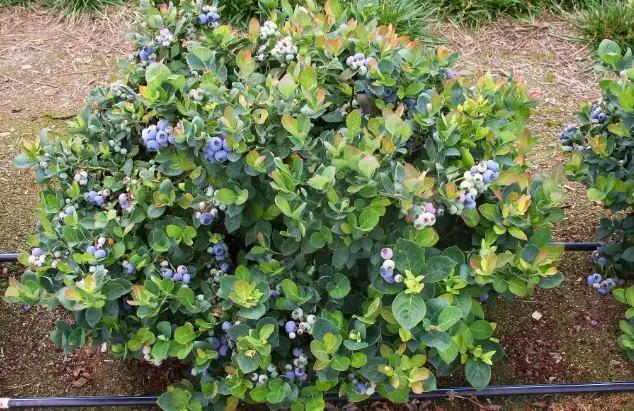
Why Grow Blueberry Bushes?
Blueberries are more than just a tasty fruit. They’re packed with antioxidants, and growing your own means you get berries that are fresher and often sweeter than store-bought ones. Plus, blueberry bushes are perennial plants—once established, they can produce fruit for 20 years or more. That’s a long-term investment in your garden’s productivity. According to the USDA, blueberries are one of the top fruit crops for home gardeners due to their relatively low maintenance and high yield potential. But here’s the catch: they have a reputation for being finicky. Most beginners fail because they treat blueberries like any other shrub. They’re not. They’re acid-loving plants that demand attention to detail, especially in the first few years.
Pro tip: Don’t just plant blueberries for the fruit. Their white spring flowers and vibrant fall foliage make them attractive ornamentals too. I’ve seen gardens where blueberry bushes double as landscape features, adding color throughout the seasons.
Choosing the Right Blueberry Variety for Your Garden
Not all blueberries are created equal. Picking the wrong variety for your climate is a recipe for disappointment. I learned this the hard way when I tried growing a northern highbush in a warm zone—it struggled with the heat and never fruited well. Here’s a breakdown of the main types to help you choose.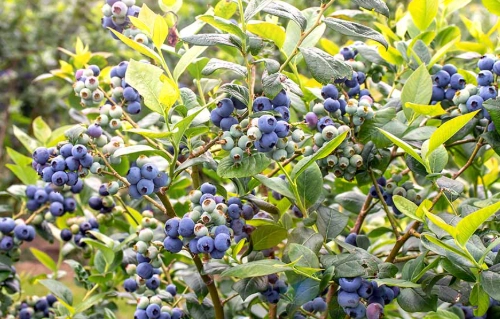
Northern Highbush vs. Southern Highbush
Northern highbush varieties, like ‘Bluecrop’ or ‘Jersey’, are classic choices for cooler regions (USDA zones 4-7). They need a certain number of chill hours (hours below 45°F) to set fruit properly. If you live in a mild winter area, they might not work. Southern highbush varieties, such as ‘Misty’ or ‘Sunshine Blue’, are bred for warmer climates (zones 7-10) and require fewer chill hours. They’re more tolerant of heat but can still handle a light frost.
Rabbiteye Blueberries: A Heat-Tolerant Option
For hot, humid areas like the southeastern U.S., rabbiteye blueberries are a lifesaver. Varieties like ‘Tifblue’ or ‘Premier’ thrive in zones 7-9 and are drought-tolerant once established. They produce smaller berries but in massive quantities. The downside? They need cross-pollination, so you’ll have to plant at least two different varieties close together. I made the error of planting just one, and my yield was pitiful until I added a companion bush.
| Variety Type | Best For Zones | Key Features | Harvest Time |
|---|---|---|---|
| Northern Highbush | 4-7 | Large berries, high chill needs | Mid to late summer |
| Southern Highbush | 7-10 | Moderate chill, heat tolerance | Early to mid summer |
| Rabbiteye | 7-9 | Heat and drought resistant, needs pollination | Late summer to fall |
When selecting, check your local nursery or extension service—they often recommend varieties that perform well in your area. For example, the University of Georgia Extension has great resources on rabbiteye blueberries for Southern gardeners.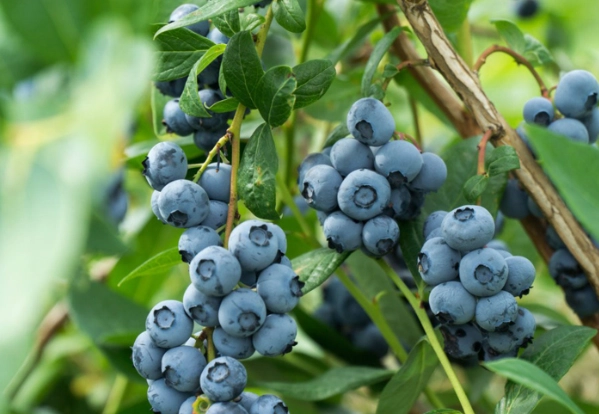
Step-by-Step Guide to Planting Blueberry Bushes
Planting is where most people go wrong. It’s not just digging a hole; it’s about creating the right environment from day one. Let me walk you through the process I’ve refined over a decade of trial and error.
Site Selection and Soil Preparation
Blueberries need full sun—at least 6-8 hours daily. Less than that, and you’ll get sparse fruit. They also hate wet feet, so avoid low spots where water collects. Soil preparation is critical. Test your soil’s pH using a kit from a garden center or through your local cooperative extension. If the pH is above 5.5, you’ll need to acidify it. I use elemental sulfur because it’s slow-acting but long-lasting. For a new planting area, mix in plenty of organic matter like peat moss or composted pine bark. This improves drainage and acidity. A common mistake is using regular garden compost, which can be too alkaline—stick to acidic amendments.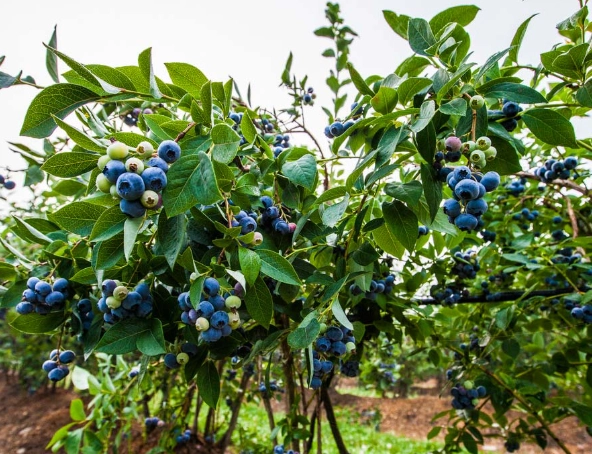
The Planting Process: A Hands-On Demo
Here’s how I plant blueberry bushes today, after learning from past failures. First, dig a hole twice as wide as the root ball but no deeper. Blueberries have shallow roots, so planting too deep can suffocate them. Place the bush in the hole, ensuring the top of the root ball is level with the soil surface. Backfill with the amended soil, gently firming it around the roots. Water thoroughly to settle the soil and eliminate air pockets. Space bushes 4-6 feet apart for good air circulation. If you’re planting multiple rows, leave 8-10 feet between rows. Mulch immediately with 2-4 inches of pine needles or wood chips—this keeps roots cool, retains moisture, and slowly acidifies the soil. Skip the rubber mulch; I tried it once, and it didn’t break down, leading to poor soil health.
Timing matters: Plant in early spring or fall when temperatures are mild. Avoid summer planting unless you’re in a cool climate, as heat stress can kill young bushes. In my experience, fall planting gives roots time to establish before winter, leading to stronger growth the next year.
Essential Care for Thriving Blueberry Bushes
Once planted, blueberry bushes need consistent care. Neglect them, and they’ll let you know with poor growth and few berries. Here’s what to focus on.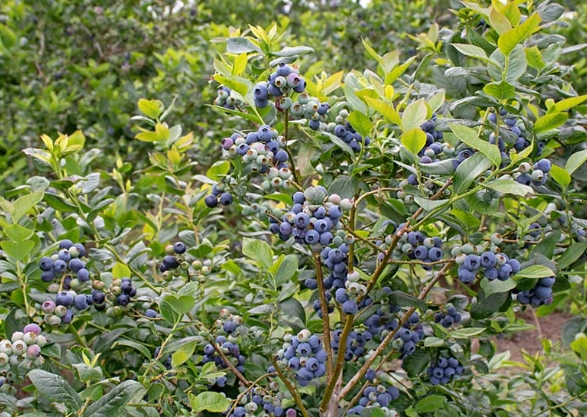
Watering: The Most Common Mistake
Blueberries have shallow roots, so they dry out quickly. They need about 1-2 inches of water per week, more during fruiting or hot spells. But overwatering is just as bad—it can lead to root rot. I use a soaker hose or drip irrigation to deliver water directly to the roots without wetting the leaves, which helps prevent diseases. Check soil moisture by sticking your finger an inch deep; if it’s dry, it’s time to water. Rain barrels are great for this, as rainwater is naturally slightly acidic.
Fertilizing and Soil pH Management
Fertilize blueberries in early spring as new growth appears. Use an acid-forming fertilizer specifically for azaleas or rhododendrons, as they have similar nutrient needs. A balanced formula like 10-10-10 works, but avoid high-nitrogen fertilizers that can burn roots. Re-test soil pH annually—it tends to creep up over time. If needed, apply more sulfur in fall. I’ve seen bushes rebound dramatically after a pH adjustment, even if they looked sickly for months.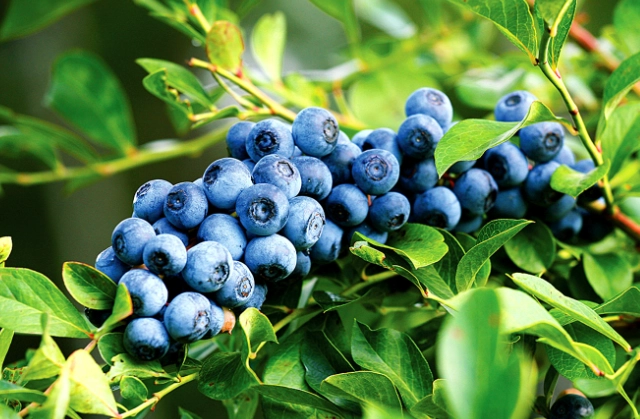
Pruning for Productivity and Health
Pruning is often overlooked by beginners, but it’s essential for fruit production. In the first two years, remove only dead or damaged wood to let the plant establish. From year three onward, prune in late winter while the bush is dormant. Cut out weak, spindly canes and any branches that cross or crowd the center. Aim for an open vase shape that allows light and air to penetrate. This encourages larger berries and reduces disease risk. I prune about a quarter of the oldest canes each year to promote new growth. It feels drastic, but it works.
Troubleshooting Common Blueberry Bush Issues
Even with good care, problems can arise. Here’s how to spot and fix them before they escalate.
Pests and Diseases: Identification and Control
Common pests include birds (they love ripe berries), spotted wing drosophila (a fruit fly), and scale insects. For birds, netting is the most effective solution—I drape it over the bushes just as berries start to color. For insects, monitor regularly and use organic controls like neem oil if infestations are small. Diseases like powdery mildew or root rot often stem from poor air circulation or overwatering. Improve spacing and avoid overhead watering. If you see yellow leaves with green veins, it’s likely iron chlorosis due to high soil pH—amend with sulfur ASAP.
Why Are My Blueberries Not Ripening?
This is a frequent question I get. If berries stay small and green, check these factors: insufficient sun (move the bush if possible), improper pH (test and correct), or lack of pollination (plant another variety nearby). Sometimes, it’s just the variety—some take longer to mature. Patience is key; my ‘Jersey’ bushes didn’t produce a decent crop until year four.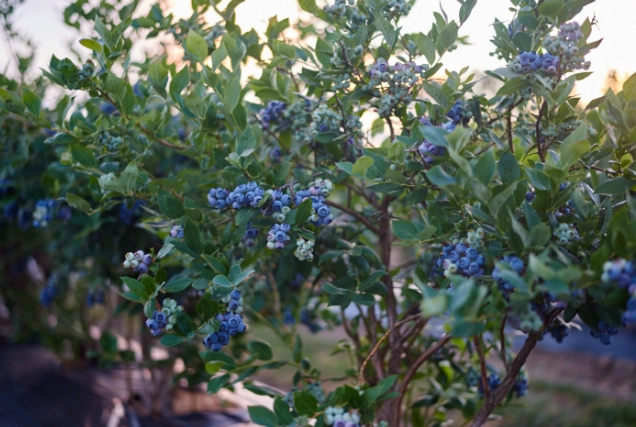
Frequently Asked Questions
Growing blueberry bushes is a rewarding journey that pays off with fresh, homegrown fruit for years. Start with the right variety, pay attention to soil and water, and don’t be afraid to prune. If you hit a snag, refer back to this guide or consult local experts like your county extension office. Happy gardening!
Reader Comments