Quick Navigation
- Why Bother? The Surprising Importance of the Bottom Layer
- The Top Contenders: Best Materials for the Bottom of Your Raised Bed
- The "Do Not Use" List: Materials That Will Cause Regret
- The Step-by-Step Guide: Building the Perfect Foundation
- Material Comparison at a Glance
- Answering Your Burning Questions (FAQ)
- Final Thoughts: Keeping It Simple and Effective
Let's be honest. When you're building your first raised garden bed, you're excited about the plants, the soil, the harvest. The bottom of the thing? It feels like an afterthought. You just want to get to the fun part. I was the same way. I threw some cardboard down, filled it with dirt, and called it a day. Big mistake. A year later, I was battling weeds that came up from underneath and dealing with drainage that was... let's just say suboptimal.
So, what do you put at the bottom of a raised garden bed? It's not a one-size-fits-all answer, and anyone who tells you it is hasn't gardened in enough different places. The truth is, what you lay down can make or break your garden's success. It affects everything from how often you water to whether your carrots grow straight or your tomatoes get root rot.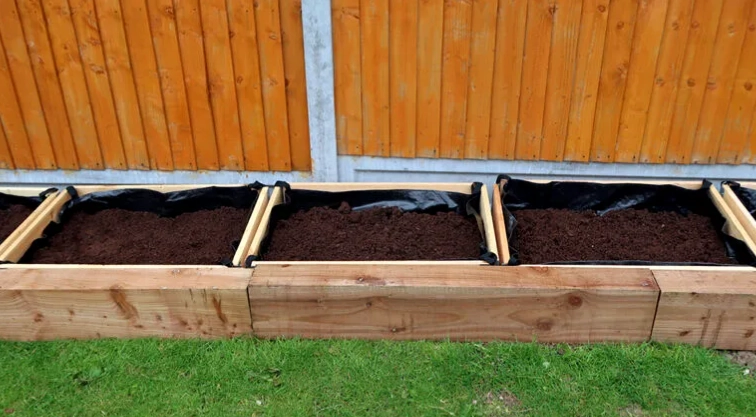
This isn't about following a rigid rule. It's about understanding the why behind the what. We'll dig into the best materials, the ones to run from, and my own messy experiences that taught me more than any textbook ever could.
Why Bother? The Surprising Importance of the Bottom Layer
You might think the bottom is out of sight, out of mind. But in gardening, what's underneath matters as much as what's on top. A good foundation does the heavy lifting silently.
First, weed control. Grass and perennial weeds like bindweed or quackgrass are relentless. They see your lovely, loose, nutrient-rich soil as a penthouse suite and will happily grow right through it. A proper barrier saves you hundreds of hours of back-breaking weeding later. I learned this after spending a summer pulling grass that grew four feet tall from the middle of my bean patch. Never again.
Second, drainage. Raised beds are supposed to drain better than ground soil, right? Only if you let them. A sealed or compacted bottom creates a bathtub effect. Water sits, roots rot, and fungal diseases throw a party. Good drainage is non-negotiable for healthy roots.
And third, soil interface. Over time, your wonderful raised bed soil and the native ground soil should become friends, not strangers. A completely impermeable barrier creates a hardpan, a layer where water pools and roots hit a dead end. You want a barrier that blocks weeds but eventually lets beneficial earthworms and roots through.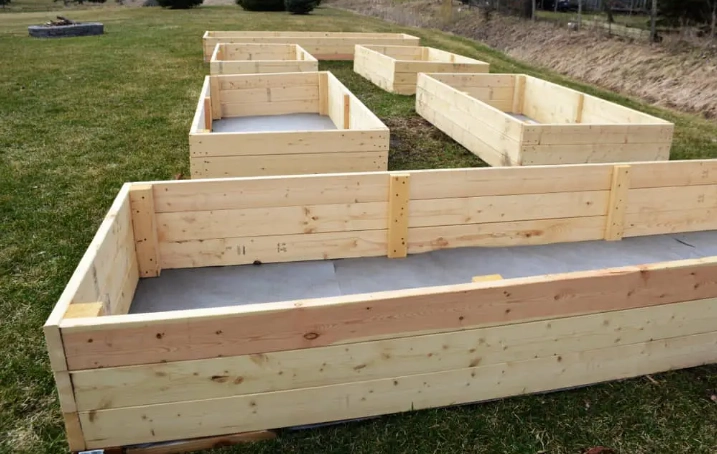
So when you ask, "What do you put at the bottom of a raised garden bed?" you're really asking how to manage the relationship between your new garden and the ground it sits on.
The Top Contenders: Best Materials for the Bottom of Your Raised Bed
Alright, let's get to the good stuff. Here are the materials that actually work, ranked from my personal favorite to other solid options. Your choice depends on your budget, your local pests, and how permanent you want the bed to be.
Hardware Cloth (Galvanized Steel Mesh) – The Ultimate Defender
If you have gophers, voles, or moles, stop reading and get this. Hardware cloth is a stiff wire mesh, usually with a 1/4-inch or 1/2-inch grid. It's the gold standard for pest exclusion. I stapled a layer of 1/4-inch hardware cloth to the bottom of my cedar beds five years ago, and I haven't seen a single vole-gnawed plant since. Before that, they were a menace.
It's not perfect. It's more expensive and a pain to cut (wear gloves!). It also does nothing for weeds on its own, so you often pair it with a weed barrier fabric on top. But for stopping diggers, nothing else comes close. The University of California's Statewide Integrated Pest Management Program lists physical barriers like hardware cloth as a primary defense against gophers, which is a solid, authoritative endorsement of the method.
Landscape Fabric (Weed Barrier) – The Popular Choice
This is the go-to for most gardeners, and for good reason. A quality, woven landscape fabric (not the cheap, non-woven plastic stuff) blocks light, which stops weed seeds from germinating, while still allowing water and air to pass through. It's the direct answer to the question, "What do you put at the bottom of a raised garden bed to stop weeds?"
The key word is quality. The flimsy black plastic sold at big-box stores often clogs up, repels water, and falls apart in a season or two. You want a professional-grade, woven polypropylene fabric. It lasts for years. The Penn State Extension Master Gardener program often recommends using a permeable landscape fabric as a base for raised beds to suppress weeds, which aligns with this advice.
My take? It works great for weeds. It's less effective against determined perennial weeds with strong rhizomes (they might eventually find a seam), and it does zero against burrowing animals. But for most urban and suburban gardens, it's a reliable workhorse.
Cardboard or Overlapped Newspaper – The Free and Easy Organic Method
This is my favorite method for beds built directly on lawn or weedy ground. It's simple: lay down a thick layer of plain brown cardboard (remove all tape and glossy labels) or 8-10 sheets of wet newspaper, overlapping the edges like shingles. Then build your bed on top.
Here's what happens. The cardboard smothers the grass and weeds underneath by blocking all light. As it gets wet, it starts to soften. Earthworms love it and will slowly incorporate it into the soil. In one season, it decomposes completely, leaving no barrier at all—just wonderfully improved soil where your lawn used to be. Your plant roots can grow deep into the native earth.
The downside? It's temporary. It won't stop pests, and if you have Bermuda grass or bindweed, they might eventually punch through. But for ease, cost (free!), and soil health, it's hard to beat. It's a fantastic example of a temporary solution that turns into a long-term benefit. The USDA's Natural Resources Conservation Service promotes sheet mulching (which uses cardboard) as a soil health practice, validating its use in this context.
I use this for all my new beds now. Just make sure to water the cardboard thoroughly before adding soil, or it can wick moisture away from your plants at first.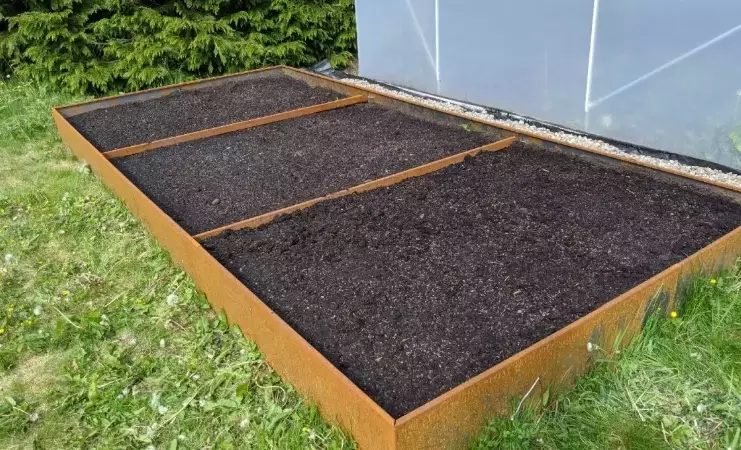
Other Solid Options to Consider
These materials are situationally excellent.
- Wood Chips or Small Branches: A 2-3 inch layer of coarse wood chips at the very bottom can improve drainage and slowly decompose, adding organic matter. It's not a weed barrier, so use it over cardboard or fabric. Great for deep beds.
- Leaves or Straw: Similar to wood chips. They create a spongy layer that holds moisture and breaks down. Again, use with a weed barrier underneath if you're on grass.
- Gravel or Rocks: I'm cautious here. A thin layer of coarse gravel (like 3/4-inch crushed stone) can aid drainage in very wet climates. But it can also create a perched water table if not done correctly and makes the bed incredibly heavy and hard to move later. I rarely recommend it as the primary layer.
The "Do Not Use" List: Materials That Will Cause Regret
Now for the warnings. Some ideas sound clever but are gardening nightmares waiting to happen. I've made some of these mistakes so you don't have to.
Rubber Mats or Old Carpet: Sounds like good recycling, right? Wrong. Old carpet can leach chemicals, dyes, and microplastics into your soil—the soil where you grow food. Rubber mats do the same and also impede drainage and soil life. The potential for chemical contamination is a real concern, as highlighted by research into soil health from institutions like the Rodale Institute, which emphasizes clean soil inputs for organic growing.
Pressure-Treated Wood (Old or New) as a Liner: While modern pressure-treated lumber (labeled ACQ) is considered safer for raised bed frames, you should never use old pressure-treated wood (which may contain arsenic) or use it as a liner material in direct, constant contact with soil for food crops. The risk of chemical leaching is too high.
Solid Wood Panels or Plywood: It creates the same drainage disaster as plastic. It rots quickly when constantly wet, and before it does, it drowns your plants.
You might think, "Why not just use a thick plastic pond liner and poke holes in it?" Because those holes clog with soil particles almost immediately, rendering them useless. Drainage needs to be inherent to the material, not an afterthought.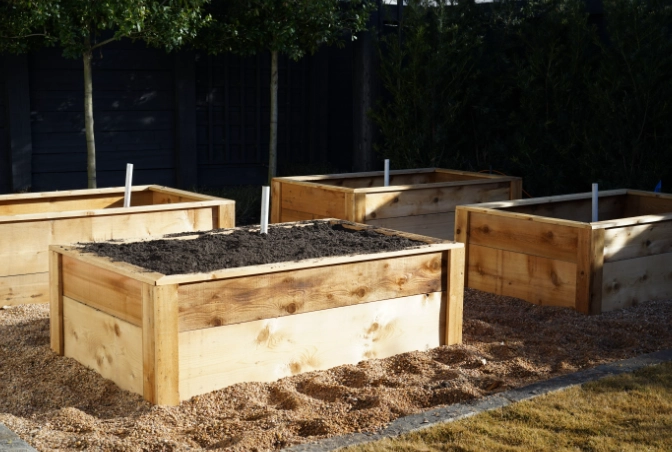
The Step-by-Step Guide: Building the Perfect Foundation
Let's put it all together. Here's how I build a raised bed from the ground up, focusing on that critical base. This assumes you're building on lawn or weedy soil, which is the most common scenario.
- For the Organic Route: Lay down overlapping cardboard or thick newspaper. Soak it thoroughly with a hose until it's completely saturated and flat.
- For the Long-Term Fabric Route: Cut quality woven landscape fabric to fit the interior bottom, allowing a few inches to run up the sides slightly. You can skip this if you used cardboard.
That's it. The process is straightforward once you know the purpose of each layer. The bottom isn't an afterthought; it's the first and most strategic step.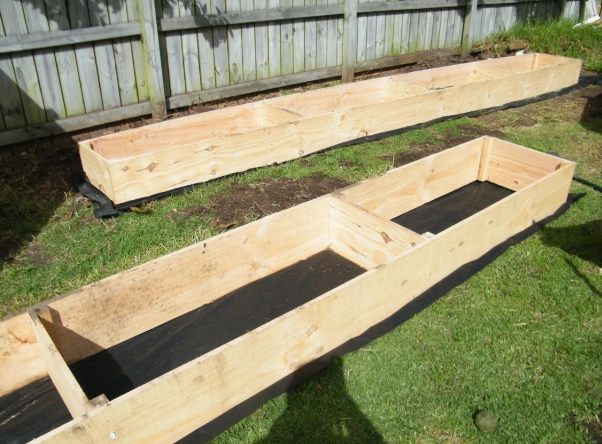
Material Comparison at a Glance
| Material | Best For | Weed Control | Pest Control | Drainage | Longevity | Cost & Notes |
|---|---|---|---|---|---|---|
| Hardware Cloth | Areas with gophers/voles | Poor (needs a top layer) | Excellent | Excellent | 10+ years | $$. Tough to install but permanent. |
| Woven Landscape Fabric | General weed suppression | Excellent | Poor | Good (if high-quality) | 5-7 years | $. Avoid cheap non-woven plastic. |
| Cardboard/Newspaper | Building on lawn, organic focus | Good (temporary) | Poor | Good (once decomposed) | 1-2 seasons | Free. Best for soil integration. |
| Wood Chips/Branches | Improving drainage in deep beds | Poor | Poor | Excellent | 2-4 years | $ (or free). Use as a sub-layer only. |
| Gravel/Rock | Extremely wet sites (with caution) | Poor | Poor | Can be Good or Bad* | Permanent | $$. Heavy. Can cause drainage issues. |
*Gravel can create a "perched water table" if the soil texture above is finer, causing water to pool at the soil-gravel interface.
Answering Your Burning Questions (FAQ)
Let's tackle the common head-scratchers and deeper questions that pop up when you're planning what to put at the bottom of a raised garden bed.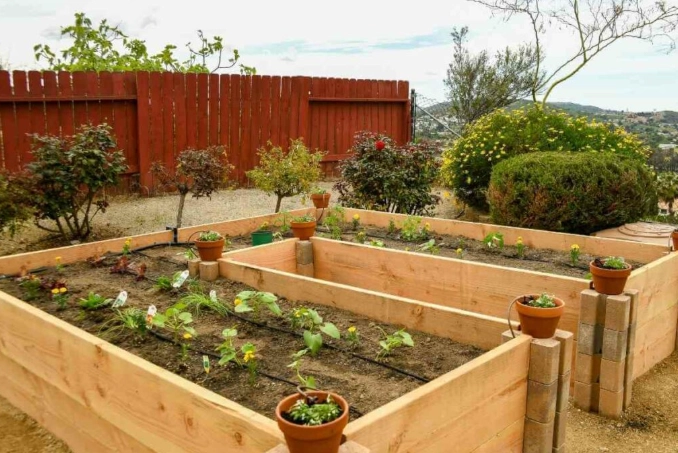
Do I even NEED to put anything at the bottom?
If you're building on clean, weed-free, loose soil (like a former vegetable patch), you can technically place the frame directly on the soil and just fill it. The native earth becomes your bottom. This is ideal for soil life and drainage. But if there's any grass or weeds, they will grow up into your bed. Most of us aren't starting with perfect, bare dirt, so a barrier is usually a very good idea.
How do I stop rats or mice from nesting underneath?
Rats are a different beast than voles. They won't typically burrow up through the bottom, but they love the sheltered space under a raised bed. To deter them, avoid using solid materials like plywood as a skirt around the bed. Use hardware cloth (the same 1/4-inch mesh) attached vertically from the bottom edge of the bed frame, extending out about a foot and buried a few inches, or laid flat on the ground around the perimeter. This removes the cozy hiding spot. Keeping the area free of spilled seeds and debris also helps immensely.
What's the cheapest effective method?
Hands down, cardboard or newspaper. It's often free, it works well for smothering grass, and it improves the soil. For a beginner on a tight budget, this is the winning answer to "what do you put at the bottom of a raised garden bed?". Just be prepared to potentially deal with weeds again in a couple of years, at which point you can re-layer cardboard from the top as a mulch.
Can I use multiple layers together?
Absolutely, and this is often the professional approach. The classic combo for a pest-prone area is: Hardware cloth stapled to the frame bottom + a layer of landscape fabric on top of it + your soil. This gives you pest-proofing and weed-proofing in one. For a deep, no-dig style bed, you might do: Cardboard (to kill grass) + a few inches of wood chips (for drainage/volume) + your soil mix. Layering solves multiple problems at once.
How often does the bottom layer need replacing?
It depends. Hardware cloth lasts essentially forever. Quality landscape fabric lasts 5+ years. Cardboard lasts one season. Wood chips last 2-4 years before decomposing. You generally don't "replace" it; you assess performance. If weeds start coming through your fabric, it's time for a new layer on top or a full replacement. If your cardboard has decomposed and weeds are returning, add a fresh layer of cardboard as a surface mulch, which will suppress them and break down again.
Final Thoughts: Keeping It Simple and Effective
After years of trial and error, my philosophy is simple. Don't overcomplicate the bottom. Its job is utilitarian, not glamorous. For most people, starting with a thick layer of wet, overlapped cardboard is the simplest and most effective way to go. It answers the core question of what do you put at the bottom of a raised garden bed with a solution that's cheap, organic, and actually improves your land.
If you have specific pests, invest in hardware cloth. It's worth every penny and every minute of installation frustration. If you want a clean, long-term solution and don't mind spending a bit, get good landscape fabric.
Avoid the fancy, permanent, or recycled ideas that block drainage.
Remember, the goal is to grow great plants, not to build a perfect fortress. The best bottom layer is the one that disappears from your mind because it's just working, letting you focus on the real joy: watching things grow.
Now go build that bed. Get your hands dirty. And maybe, just maybe, you'll never have to worry about what's at the bottom again.
Reader Comments