快速导览
- Why Bother with Urban Gardening Anyway?
- First Steps: Assessing Your Urban Jungle
- Choosing Your Urban Gardening Style
- The Urban Gardening Starter Plant List
- The Dirt on Dirt: Soil and Fertilizer
- Watering: The Make-or-Break Skill
- Common Urban Gardening Challenges (And How to Beat Them)
- Your Urban Gardening Year-Round Calendar
- Answering Your Urban Gardening Questions
- Taking Your Urban Garden to the Next Level
So you want to grow your own food, but you live in an apartment, a townhouse, or maybe just have a tiny balcony or a fire escape that gets some sun. I get it. I was there too. Staring at the concrete jungle, wondering if the only green I'd ever see came from the grocery store. Let me tell you something: urban gardening is not only possible, it's incredibly rewarding. It's about reclaiming a little piece of nature, one pot at a time.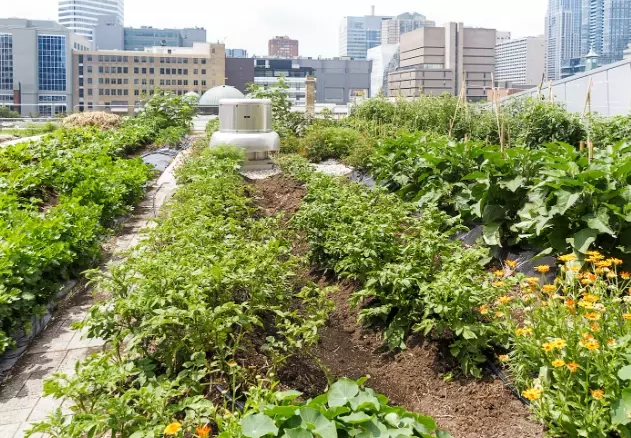
It's not about having a perfect backyard. It's about herbs on a windowsill, tomatoes in a bucket, and strawberries in a hanging bag. The beauty of city gardening is its creativity. You work with what you've got. And honestly, sometimes the limitations force you to be smarter and more efficient.
This guide is everything I wish I knew when I started. We're going to move past the pretty Pinterest pictures and get into the dirt—literally. We'll talk about what works, what doesn't (I've killed my share of plants, trust me), and how to make your little green corner thrive without it becoming a second job.
Why Bother with Urban Gardening Anyway?
Before we get our hands dirty, let's talk about the "why." Because when your basil seedlings look a bit sad in week two, you'll need to remember this.
First, the taste. There is absolutely nothing, and I mean nothing, like a tomato you've grown yourself. The flavor is explosive compared to the bland, watery ones shipped across continents. Herbs are another game-changer. A single fresh-picked sprig of rosemary or basil can transform a meal.
Then there's the cost. A packet of seeds costs a few dollars and can yield pounds of produce over a season. Those organic herbs at the store? $3 for a small plastic clamshell. A single plant on your sill can provide for months.
Mental health is a big one for me. In a city that's always buzzing, tending to an urban garden is my quiet time. It's a mindful practice. Watering, checking for new growth, pinching off dead leaves—it's a form of meditation. It connects you to a cycle that's much older and slower than the pace of city life.
And of course, there's the environmental piece. You're reducing food miles, packaging waste, and you know exactly what went into your food (no mystery chemicals here).
First Steps: Assessing Your Urban Jungle
Okay, you're convinced. Now, where do you even put this garden? This is the most critical step. Forget the plants for a second. Look at your space.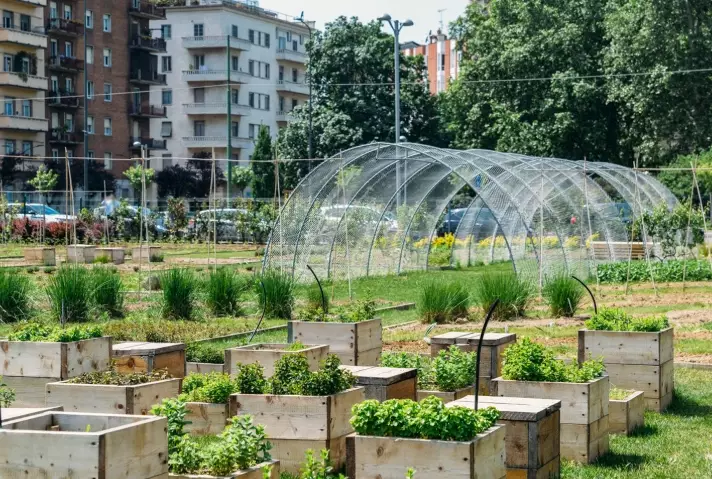
Light, Light, Light
This is non-negotiable. Plants need light to eat (photosynthesis, remember?). You need to be brutally honest about how much sun your space gets.
Full Sun: 6+ hours of direct sunlight. South-facing balconies or rooftops are usually winners. This is where your tomatoes, peppers, cucumbers, and most fruiting plants will thrive.
Partial Sun/Partial Shade: 3-6 hours of sun. East or west-facing spaces. Great for leafy greens (lettuce, kale, spinach), herbs like mint and parsley, and some root vegetables.
Shade: Less than 3 hours of direct sun. North-facing or heavily shaded areas. Your options are limited, but not zero. Think leafy greens (they bolt less in shade!), herbs like chives and cilantro (they prefer cooler temps), and plants grown for their leaves like mint.
Go outside at different times of the day. Watch where the sun hits. Use an app if you must, but nothing beats observation. I thought my balcony got full sun until I realized a neighboring building cast a shadow from 3 PM onward. It was a partial sun space all along.
Space and Weight
How much room do you really have? Measure it. Then think vertically. Walls, railings, and ceilings are your best friends in urban gardening.
Weight is a huge concern, especially on balconies and rooftops. Wet soil and ceramic pots are heavy. A large container can easily weigh over 50 pounds. Check your building's rules if you're on a balcony. Lightweight solutions are key: plastic or fabric pots, and soil mixes with lots of perlite or vermiculite.
Choosing Your Urban Gardening Style
There's no one right way. Your style will depend entirely on your light and space assessment.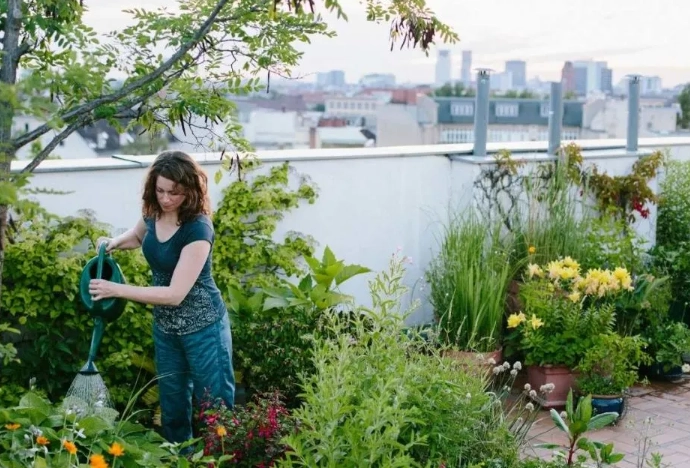
Container Gardening: The Go-To Method
This is the heart of most urban gardening efforts. You can grow almost anything in a pot. The key is the right size.
- Small Pots (6-8 inches): Perfect for herbs, lettuces, radishes, green onions.
- Medium Pots (10-12 inches): Good for peppers, eggplants, bush beans, dwarf tomato varieties.
- Large Pots (14+ inches, 5+ gallons): Necessary for full-sized tomatoes, cucumbers, squash, potatoes. They need room for roots and moisture.
Drainage holes are sacred. If a pot doesn't have them, drill them. Root rot is a silent killer.
Vertical Gardening
This is where you get creative. Use wall space.
Pocket Planters: Fabric panels with pockets you hang on a wall. Great for strawberries, herbs, and cascading flowers.
Trellises & Cages: Essential for vining plants. Cucumbers, pole beans, peas, and even small melons can be trained upwards. Attach a trellis to a railing or wall.
Hanging Baskets: Not just for flowers! Cherry tomatoes (look for "Tumbling Tom" varieties), strawberries, and trailing herbs like oregano do wonderfully.
Windowsill Gardening
Don't underestimate a sunny windowsill. It's a perfect microclimate for a kitchen herb garden. Basil, thyme, rosemary, chives, mint (in its own pot—it's invasive!), and parsley can all live happily there. Just rotate the pots a quarter turn each time you water to keep growth even.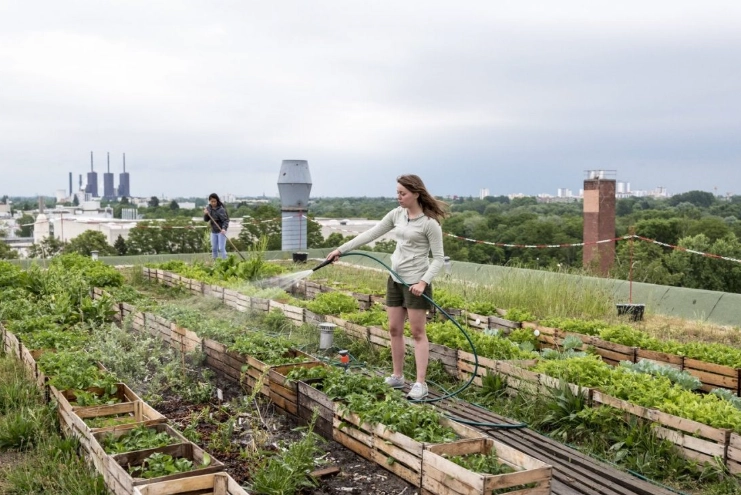
Community Gardens: The Social Option
If your own space is truly nonexistent, look for a local community garden. You rent a plot. The benefits are massive: more space, full sun, shared knowledge, tools, and camaraderie. The downside? You have to travel to it. The American Community Gardening Association has a finder tool to locate one near you.
The Urban Gardening Starter Plant List
Overwhelmed by seed catalogs? Start simple. Choose plants that are forgiving and productive. Here's my curated list for first-timers, based on what actually works in containers.
| Plant | Why It's Great for Beginners | Container Size | Key Tip |
|---|---|---|---|
| Basil | Grows fast, pinching it makes it bushier. The taste is incredible. | Medium (8-10") | Harvest from the top, never take more than 1/3 at once. It bolts (goes to seed) in extreme heat. |
| Cherry Tomatoes | Prolific producers. Varieties like 'Sweet 100' or 'Tiny Tim' are bred for pots. | Large (5+ gallons) | Needs a cage or stake. Consistent watering is key to prevent blossom end rot. |
| Lettuce & Salad Greens | You can "cut-and-come-again." Harvest outer leaves, it keeps growing. | Shallow & Wide | Grows quickly in cool weather. Gets bitter and bolts in summer heat. |
| Green Onions (Scallions) | You can re-grow them from store-bought scraps. Seriously. | Small (6") | Put the white root ends in water until they sprout, then plant. Cut greens, leave roots. |
| Radishes | Ready to harvest in 25-30 days. Instant gratification. | Medium (8") | Don't let the soil dry out completely, or they get woody and spicy. |
| Peppers (Jalapeño or Bell) | Compact plants, very ornamental when fruiting. | Large (3-5 gallons) | They love heat. Wait until nights are consistently warm before putting outside. |
My personal advice? Start with herbs and one "fun" vegetable like tomatoes or peppers. Get a feel for watering and care before you turn your balcony into a farm.
The Dirt on Dirt: Soil and Fertilizer
This is where most new urban gardeners skimp, and it's a mistake. Your plant lives its entire life in that pot. The soil is its home, pantry, and water reservoir all in one.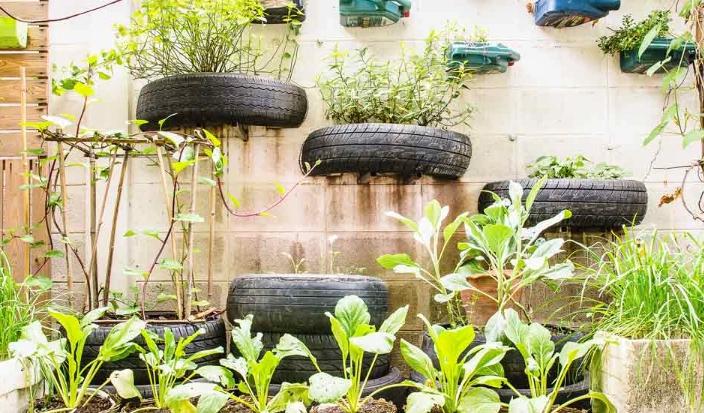
Do NOT use garden soil from the ground. It's too dense for containers, doesn't drain well, and can harbor pests and diseases.
You want a high-quality potting mix. Look for the words "potting mix" or "container mix." It's fluffy, sterile, and formulated to hold moisture and air in the right balance. A good mix might contain peat moss or coconut coir, perlite (those little white balls), and vermiculite.
Now, fertilizer. Potting mix has some nutrients, but they wash out with every watering. You need to feed your plants.
- At Planting: Mix in a slow-release granular fertilizer (like Osmocote) according to the package. It feeds for months.
- During the Season: Use a liquid fertilizer every 1-2 weeks. For leafy greens and herbs, use a balanced fertilizer (equal NPK numbers, like 10-10-10). For fruiting plants (tomatoes, peppers), switch to one higher in potassium (K), like a tomato fertilizer, once flowers appear.
Organic options like fish emulsion or seaweed extract work great too, though they can smell a bit. I use them, but maybe not right before guests come over.
The University of Rhode Island's horticulture program has a fantastic, straightforward guide to understanding fertilizer basics that cuts through the jargon.
Watering: The Make-or-Break Skill
More plants are killed by overwatering than underwatering, especially indoors. But in hot summer sun on a balcony, pots can dry out in a day.
The finger test is your best tool. Stick your finger into the soil up to the first knuckle. If it feels dry, water. If it feels moist, wait.
Water deeply. Pour water slowly until you see it run freely out of the drainage holes. This encourages deep root growth. A little sprinkle on the surface does more harm than good.
Morning is the best time to water. It gives plants a reservoir for the day and allows leaves to dry, reducing disease risk.
For larger setups or if you travel, consider a simple drip irrigation system on a timer. It's not as complex or expensive as it sounds and can be a lifesaver.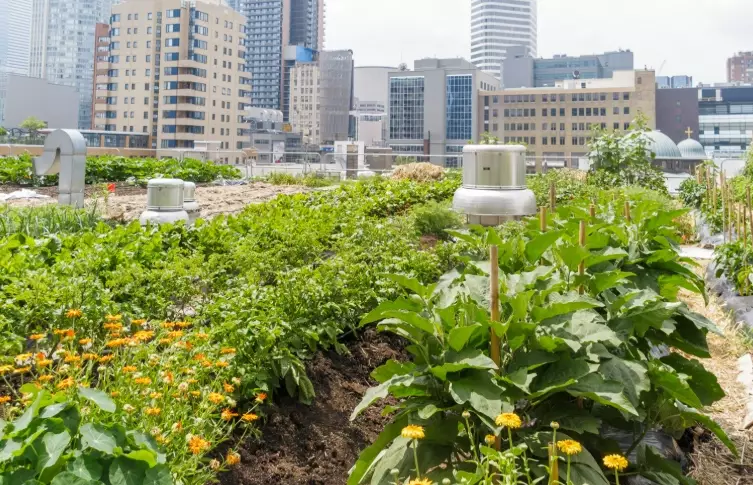
Common Urban Gardening Challenges (And How to Beat Them)
Things will go wrong. It's part of the deal. Here's how to handle the big ones.
Pests
Aphids, spider mites, whiteflies. They find your plants. First, don't panic.
- Blast them off with a strong jet of water from a spray bottle or hose. Do this for a few days in a row.
- Insecticidal soap or neem oil sprays are effective, organic options. You have to coat the pests directly. Follow the label.
- Encourage beneficial insects. Plant flowers like marigolds, nasturtiums, or alyssum in your containers. They attract ladybugs and lacewings that eat the bad guys.
For a deep dive on organic pest management, the publication Gardening often has well-researched, practical advice.
Limited Pollination
You have tomato flowers but no fruit? You might need to play bee. Gently shake the plant or use a small paintbrush to transfer pollen from flower to flower. This is especially helpful for balcony gardens high up where bees might not venture.
Wind
Tall plants on a windy balcony can get shredded or knocked over. Use sturdy stakes and tie plants loosely. Grouping pots together can create a windbreak.
Contamination Concerns
If you're gardening on a rooftop or in an area with potential soil contamination from old buildings, always garden in raised containers with fresh, store-bought potting mix. It creates a clean barrier.
Your Urban Gardening Year-Round Calendar
Gardening isn't just a summer activity.
Spring (Late Frosts to Early Summer): Start seeds indoors for tomatoes/peppers. Direct sow cool-weather crops outdoors: lettuce, radishes, peas, spinach. Harden off indoor seedlings before moving them out permanently.
Summer: The main event. Harvest regularly! Plant heat-lovers: beans, cucumbers, squash. Water vigilantly. Mulch the top of your pots with straw or wood chips to conserve moisture.
Fall: As summer crops fade, plant another round of cool-weather greens. Kale, Swiss chard, and many lettuces taste sweeter after a light frost. You can often harvest well into winter in milder climates.
Winter: In cold climates, clean and store pots. Plan next year's garden. In milder zones or with protection (cold frames, cloches), you can keep some hardy greens going. Indoors, your windowsill herb garden is in its prime.
Your local frost dates are crucial. The USDA Plant Hardiness Zone map is the official standard, and you can find your zone on their website. This tells you your average extreme minimum winter temperature, which guides what perennials you can grow and your growing season length.
Answering Your Urban Gardening Questions
Taking Your Urban Garden to the Next Level
Once you've kept a few plants alive for a season, you might get the itch to expand.
Save Your Own Seeds: Let a lettuce plant bolt and flower, or save seeds from a ripe, open-pollinated tomato. It's free and deeply satisfying.
Experiment with Unusual Varieties: Seek out seeds for purple carrots, striped tomatoes, or lemon cucumbers. The variety available to home gardeners is stunning.
Attract Pollinators & Wildlife: Add a small, shallow dish with water and stones (a birdbath for bees!). Plant native flowers in a pot to support local ecology.
The journey of urban gardening is one of constant learning. You'll have seasons of abundance that feel like magic, and you'll have total flops. Both are valuable. It connects you to your food, your space, and the rhythm of the seasons in a way nothing else in the city quite can.
Start small. Be patient. Pay attention. Get your hands dirty. Before you know it, you'll be giving away extra zucchini and explaining to your neighbor how to prune their tomato plant. Welcome to the club.
Reader Comments