In This Guide
Let's be honest. There's nothing quite like the taste of a tomato you've grown yourself. That sun-warmed, slightly tangy, explosively juicy flavor is worlds away from the cardboard-like things you often find at the supermarket. But if you've ever tried your hand at tomato growing and ended up with sparse fruit, yellowing leaves, or the dreaded blossom end rot, you know it's not always a walk in the park.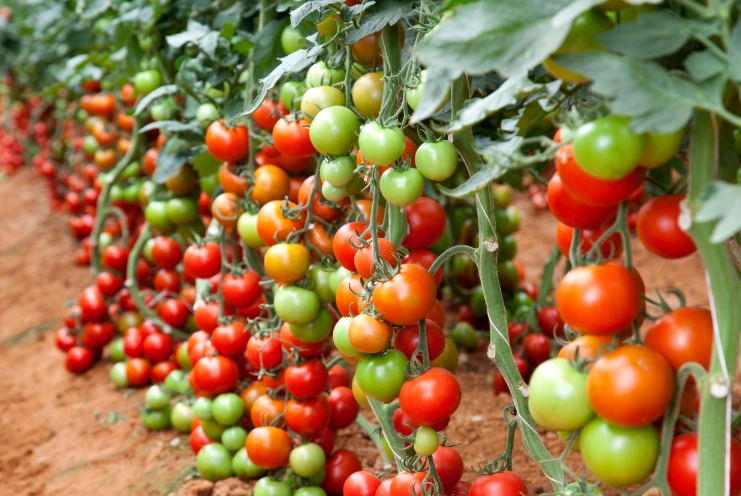
I've been there. My first attempt was a disaster of leggy seedlings and one lonely, cracked tomato. But over the years, through trial and plenty of error, I've figured out what really works. This guide isn't about textbook perfection; it's about sharing the practical, down-to-earth steps that will actually get you a basket full of gorgeous tomatoes.
We're going to walk through the whole journey, from that first packet of seeds to the final, satisfying harvest. Whether you have a sprawling garden or just a sunny balcony pot, the principles are the same. Good tomato growing is about understanding what the plant wants and working with it, not against it.
Getting Started: The Foundation of Success
Jumping straight in without a plan is where most problems start. A little prep goes a long way in tomato growing.
Choosing Your Tomato Champions
This is the fun part, but it can be overwhelming. Do you go for a beefsteak or a cherry? Heirloom or hybrid? The choice impacts everything.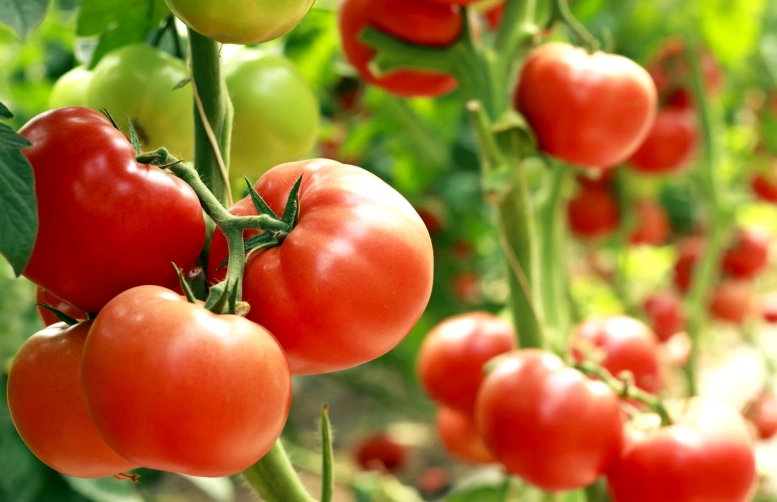
First, understand the two main growth habits:
- Determinate (Bush): These guys grow to a fixed size, set all their fruit in a short period, and then call it quits. Perfect for container gardening, small spaces, or if you want a big batch for canning all at once. Think 'Roma' or 'Bush Early Girl'.
- Indeterminate (Vining): These are the marathon runners. They keep growing and producing fruit from summer until frost kills them. They need strong support (cages or stakes) but give you a continuous harvest. This is where most heirlooms and big slicers like 'Brandywine' or 'Sun Gold' cherries live.
My personal rule? I always plant at least one reliable cherry tomato (like 'Super Sweet 100')—they're prolific, early, and kid-friendly. Then I experiment with one or two heirlooms for flavor.
The Secret's in the Soil
Tomatoes are heavy feeders. They crave rich, well-draining soil. The classic mistake is planting them in hard, compacted, or nutrient-poor dirt and expecting miracles.
For in-ground beds, work in a lot of compost—like, 3-4 inches worth, dug into the top 12 inches. I also mix in a balanced, slow-release organic fertilizer at planting time. A soil test isn't a bad idea if you're serious; your local cooperative extension office (like the one at University of Minnesota Extension) often offers cheap tests. It tells you your pH (tomatoes like 6.2-6.8) and what nutrients you're missing.
For containers, don't skimp. Use a high-quality potting mix designed for vegetables, not cheap topsoil or leftover dirt from the yard. It needs to stay fluffy and drain well. A 5-gallon bucket is the minimum for one plant; bigger is almost always better.
The Tomato Growing Journey, Step-by-Step
From Tiny Seed to Sturdy Seedling
You can buy seedlings, but starting from seed is cheaper, offers wild variety, and is deeply satisfying. Start seeds indoors 6-8 weeks before your last expected spring frost. A sunny south-facing window might work, but most seedlings get leggy and weak without supplemental light. A simple shop light with LED grow bulbs works wonders.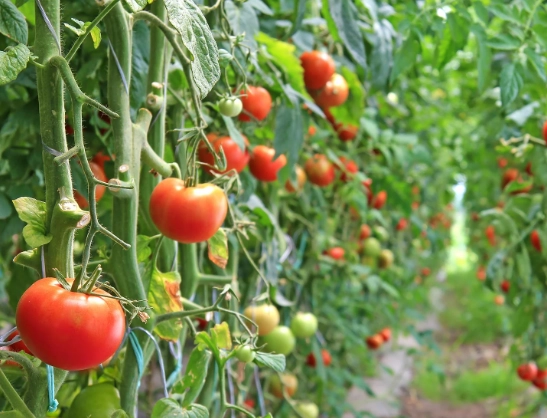
Sow seeds in a sterile seed-starting mix, keep them warm (70-80°F), and moist. Once they get their first true leaves (not the initial seed leaves), pot them up into larger containers. This encourages strong root development.
The key to great seedlings? Toughen them up. About a week before transplanting outside, start "hardening off." This means putting them outside in a sheltered, shady spot for a few hours each day, gradually increasing their time and exposure to sun and wind. It prevents transplant shock—that sad, wilted look after moving them permanently outdoors.
Planting Day: Setting Them Up for Life
Wait until all danger of frost has passed and the soil is warm. Cold soil stunts growth. I wait until nighttime temps are consistently above 50°F.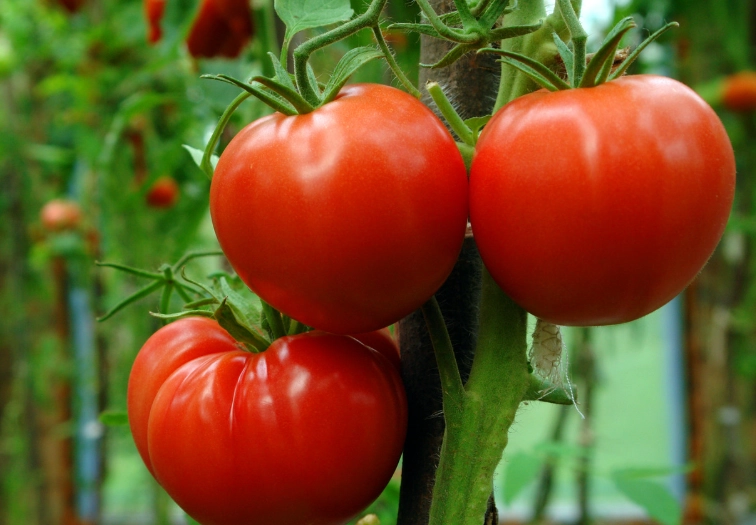
Here's the single best tip for tomato growing I ever learned: Plant them deep. Unlike most plants, tomatoes can grow roots all along their buried stems. Pinch off the lower leaves and bury the stem up to the first set of healthy leaves. This creates a massive, robust root system that anchors the plant and sucks up more water and nutrients.
Space them far enough apart—usually 24-36 inches for indeterminates. Crowding encourages disease. Water them in deeply right after planting.
And put your support in NOW.
Whether it's a tall cage, a stake, or a trellis system, install it at planting time. Trying to wrestle a half-grown plant into a cage later is a recipe for broken stems and frustration.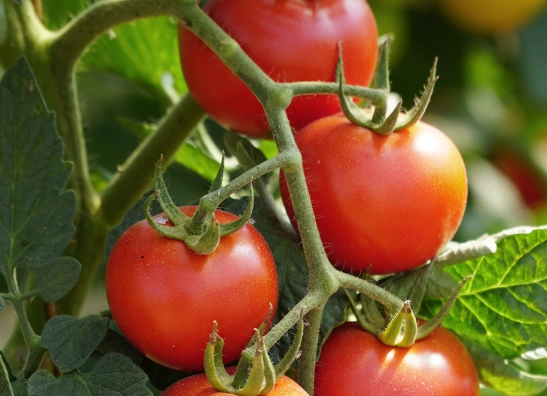
The Care and Feeding of a Happy Tomato Plant
This is where the daily relationship begins.
Watering: Inconsistent watering is the root of so many problems (blossom end rot, I'm looking at you). The goal is deep, even moisture. Water slowly at the base of the plant, not the leaves (to avoid fungal issues), and try to keep the soil consistently like a wrung-out sponge. A soaker hose or drip irrigation is a game-changer. During a heatwave, they might need water daily. In cooler weather, maybe twice a week. Stick your finger in the soil—it's the best meter.
Mulching: After the soil is warm, apply a 2-3 inch layer of straw, shredded leaves, or wood chips around the base. This is a non-negotiable for me. It conserves water, suppresses weeds, and keeps soil from splashing onto leaves (another disease preventer).
Feeding: They're hungry. A month after planting, I start feeding with a liquid organic fertilizer (like fish emulsion or seaweed) every couple of weeks. Too much nitrogen, though, and you'll get a gorgeous, bushy plant with no fruit. Look for fertilizers where the middle number (phosphorus) is higher to promote flowering and fruiting.
Pruning (for Indeterminates): This is optional but helpful. I remove the "suckers"—the little shoots that grow in the crotch between the main stem and a branch—on my indeterminate plants. It focuses energy on fruit production and improves air flow. For determinates, I mostly leave them alone.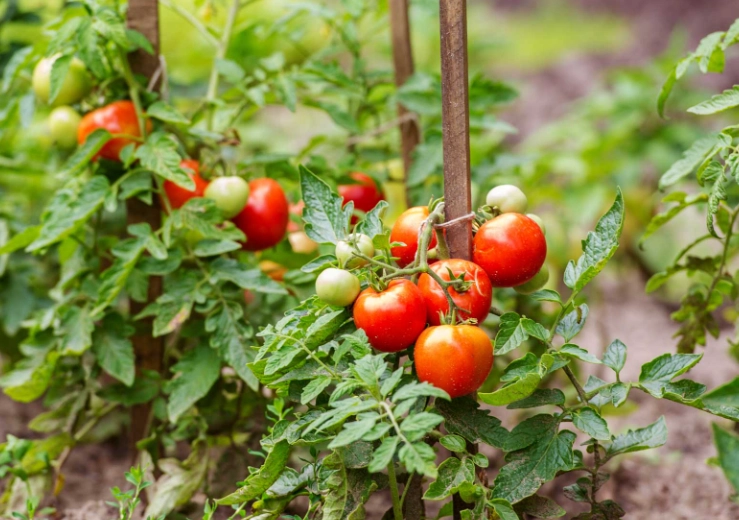
Solving the Inevitable Problems (A Troubleshooter's Guide)
Even with perfect care, things happen. Here's a quick-hit list of the usual suspects.
Cracking/Splitting: Fruit cracks after a heavy rain or a big drink following a dry spell. Again, it's a water inconsistency issue. Mulch is your best defense here.
Yellow Leaves: Could be many things. Lower leaves yellowing? Might be normal aging, or a nitrogen deficiency. Yellowing from the bottom up can signal overwatering. Yellow patterns between veins might be a magnesium issue (a foliar spray of Epsom salts can help).
Pests like hornworms (big, green caterpillars) can be picked off by hand. Aphids can be blasted off with a hose. For diseases like early blight or Septoria leaf spot (brown spots with yellow halos), prevention is key: good spacing, mulching, watering at the base, and rotating crops. Remove affected leaves promptly. Resources from the University of Maryland Extension have great photos to help diagnose.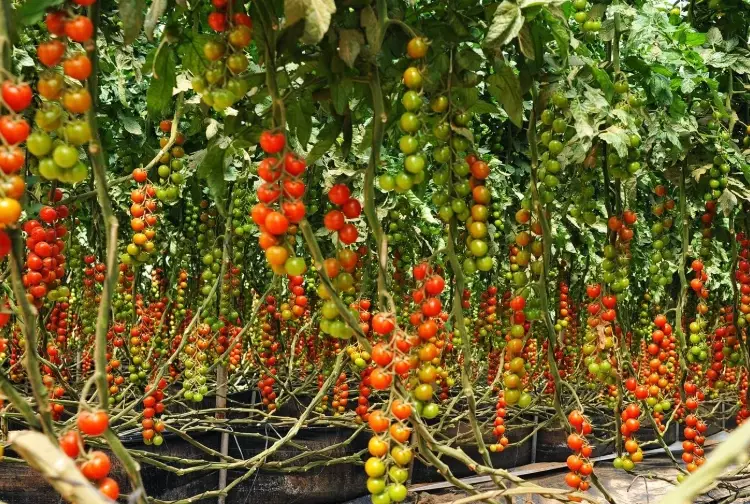
Harvesting and Enjoying the Bounty
Don't wait for them to be fire-engine red on the vine if you have pest or bird issues. Tomatoes ripen fine off the vine. Harvest them when they have a blush of color ("breaker stage") and finish ripening on your kitchen counter out of direct sun. They'll taste better than any store-bought tomato that was picked green and gassed.
At the end of the season, before a hard frost, you can pick all the mature green tomatoes and wrap them individually in newspaper to ripen slowly over weeks.
Tomato Growing FAQ: Your Quick Questions Answered
Beyond the Basics: A Quick Look at Tomato Types
To help you choose, here's a rundown of some popular categories. This isn't an exhaustive list, but it highlights the diversity available in tomato growing.
| Type | Best For | Flavor & Texture | Example Varieties |
|---|---|---|---|
| Beefsteak | Slicing, sandwiches, burgers | Meaty, juicy, mild to rich flavor | 'Brandywine' (heirloom), 'Big Beef' (hybrid) |
| Roma/Paste | Sauces, canning, drying | Dense, fewer seeds, less watery | 'San Marzano', 'Roma' |
| Cherry/Grape | Snacking, salads, roasting whole | Very sweet, explosive juiciness | 'Sun Gold', 'Super Sweet 100', 'Sungella' |
| Heirloom | Superior flavor, unique colors/shapes | Complex, often less acidic, varied textures | 'Cherokee Purple', 'Green Zebra', 'Black Krim' |
| Container/Patio | Pots, small spaces, balconies | Generally good flavor, bred for compact habit | 'Tumbler', 'Patio', 'Bush Early Girl' |
Wrapping It Up
Successful tomato growing really boils down to a few big things: great soil, consistent water, strong support, and a watchful eye. Don't get paralyzed by trying to be perfect. Plants are resilient. Even if you make a mistake, you'll probably still get some tomatoes, and you'll learn for next year.
The best part of growing tomatoes isn't just the harvest—it's the process. Checking on them each morning, watching the flowers turn into little green marbles that swell and color up. It's a slow, satisfying kind of magic. And when you finally bite into that first one, you'll taste the difference that care and a little know-how can make.
So grab some seeds or seedlings, get your hands dirty, and give it a go. Start small if you need to. Just one plant in a big pot on a sunny step is a perfect beginning. The world of tomato growing is waiting for you, and it's delicious.
Got a specific tomato growing headache I didn't cover? Drop a comment below—chances are, other gardeners have faced it too, and we can all learn from each other's experiences. Happy growing!
Reader Comments