So you're staring at a packet of carrot seeds, the sun is out, and you're itching to get them in the ground. Hold on. Planting carrots at the wrong time is the single biggest reason for patchy germination, stunted roots, or no harvest at all. I've made that mistake myself, sowing too early into cold, wet soil only to watch nothing happen. The answer to "when can I plant carrots" isn't a simple calendar date. It's a combination of soil temperature, your local climate, and a bit of strategic planning for both spring and fall. Let's cut through the noise and find your perfect planting window.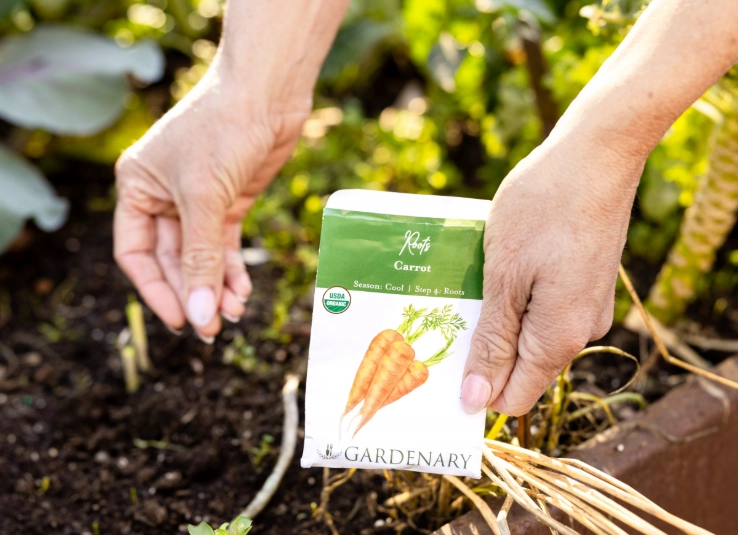
What's in This Guide?
- The #1 Rule: It's All About Soil Temperature, Not the Calendar
- Your Regional Carrot Planting Calendar
- Spring Planting vs. Fall Planting: A Strategic Choice
- How to Prepare Your Soil for Planting Carrots
- Step-by-Step: Planting Carrot Seeds the Right Way
- 3 Common Mistakes That Ruin Carrot Germination
- Your Carrot Planting Questions, Answered
The #1 Rule: It's All About Soil Temperature, Not the Calendar
Forget the last frost date for a minute. Carrot seeds are tiny and fussy. They need consistent moisture and the right warmth to wake up. The magic number is soil temperature.
Carrot seeds germinate best when the soil is between 45°F and 85°F (7°C to 29°C). The sweet spot? Around 55°F to 75°F (13°C to 24°C). Below 45°F, they'll just sit there, dormant and vulnerable to rot. Above 85°F, germination rates plummet.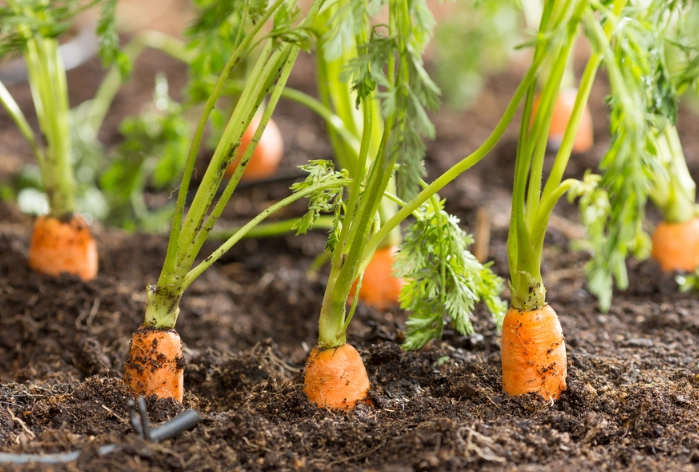
This temperature rule is why planting times vary so much. In coastal San Francisco, you might hit 55°F in February. In Minnesota, you might be waiting until May.
Your Regional Carrot Planting Calendar
Using soil temperature as our guide, here's a general framework based on the USDA Plant Hardiness Zones. Think of this as a starting point, then verify with your thermometer.
| USDA Zone | Typical Last Frost | Spring Planting Window | Fall Planting Window |
|---|---|---|---|
| Zones 3-4 (Very Cold) | Late May - Early June | Mid-May to Early June | Not typically recommended for main crop; can try very early varieties sown in July. |
| Zones 5-6 (Cool) | Mid to Late April | 3-4 weeks before last frost. (Early April - May) | Sow 10-12 weeks before first fall frost. (Late July - August) |
| Zones 7-8 (Moderate) | Late March - Early April | Late winter to early spring. (Feb - March) | Sow in late summer to early fall. (August - September) |
| Zones 9-10 (Warm/Winter) | Rare or none | Fall, Winter, and Early Spring are prime. (Oct - Feb) | Plant through fall and winter. Avoid peak summer heat. |
See the pattern? Cool-season growers thrive in the shoulder seasons. The University of California's Statewide Integrated Pest Management Program notes that carrots develop their best flavor when they mature in cool weather.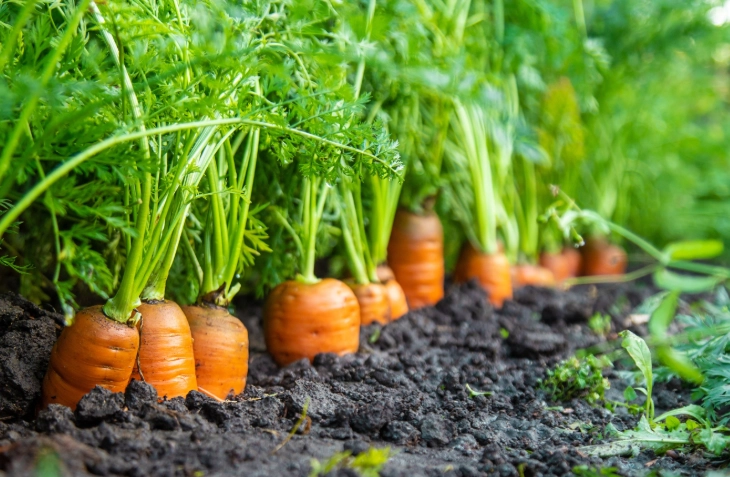
Spring Planting vs. Fall Planting: A Strategic Choice
Most people think spring, but fall planting is a secret weapon.
Spring Planting (The Classic Approach)
You're racing against the coming summer heat. The goal is to get carrots harvested before the really hot weather sets in, which can make them taste bitter or woody.
- Timing: As soon as soil is workable and >45°F.
- Challenge: Unpredictable spring rains can crust the soil, blocking tiny seedlings.
- My Strategy: I sow a fast-maturing variety (like 'Nantes') first, then a week or two later, sow a main crop type. This staggers the harvest.
Fall Planting (The Sweet Spot)
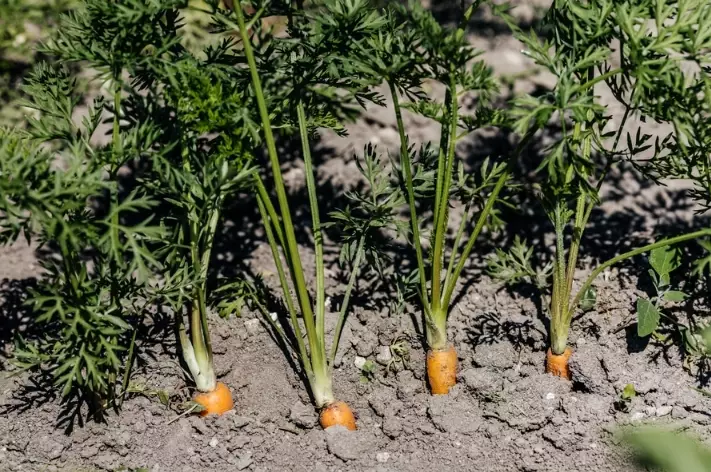
This is my personal favorite. You sow in late summer, the carrots grow through the cool fall, and you harvest super-sweet roots after a light frost. The cold converts starches to sugars.
- Timing: Count back 10-12 weeks from your first average fall frost. Find your frost dates using resources like the National Oceanic and Atmospheric Administration's climate data.
- Advantage: Fewer pest problems (carrot rust fly is less active), consistently moist soil, and unparalleled flavor.
- Trick: You can even leave some carrots in the ground under a thick layer of mulch (like straw) and harvest them all winter in many zones. They keep better in the ground than in your fridge.
How to Prepare Your Soil for Planting Carrots
Timing is useless if the soil is wrong. Carrots need loose, deep, stone-free soil to form straight, long roots. Heavy clay or rocky soil leads to forked, stunted carrots.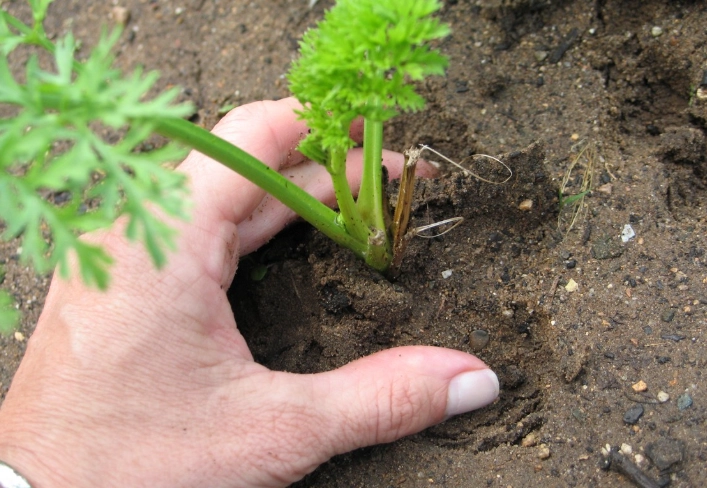
Here’s what to do, ideally a few weeks before planting:
- Dig Deep: Loosen the soil at least 12 inches deep. Don't just till the top.
- Amend Gently: Mix in well-aged compost or a thin layer of sand if your soil is heavy clay. Avoid fresh manure or high-nitrogen fertilizer—it causes hairy, split roots.
- Remove Obstacles: Pick out stones and clumps. A fine, crumbly texture is the goal, like sifted cake flour.
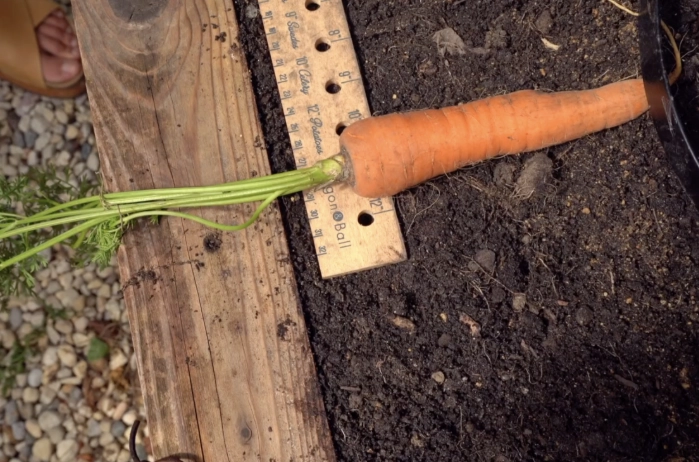
- Consider Raised Beds: If your native soil is terrible, a raised bed filled with a fluffy soil mix is a foolproof solution. I built mine for this exact reason.
Step-by-Step: Planting Carrot Seeds the Right Way
Now for the fun part. Let's get those seeds in the ground.
- Make a Shallow Furrow: Just 1/4 to 1/2 inch deep. Any deeper, and the seedling can't push through.
- Water the Furrow First: This ensures immediate moisture contact with the seed. Dry soil wicks moisture away.
- Sow Sparingly: Try to space seeds about 1/2 inch apart. It's hard, but it saves you tons of thinning work later. Pelleted seeds are a game-changer for spacing.
- Cover Lightly: Use fine soil, vermiculite, or sifted compost to cover. Pat gently.
- Keep Consistently Moist: This is non-negotiable. Use a fine mist spray or a soaker hose. If the seedbed dries out once, germination stops. I often lay a damp burlap sack or a thin board over the row for 4-5 days to retain moisture, checking daily.
3 Common Mistakes That Ruin Carrot Germination
I've seen these kill more carrot crops than any pest.
1. Planting Too Deep. It's the top killer. 1/4 inch is plenty. In heavy soil, even less.
2. Not Thinning. It feels brutal, but you must do it. When seedlings are 2 inches tall, thin to 2-3 inches apart. Crowded carrots stay tiny. Snip them at soil level with scissors to avoid disturbing the roots of the keepers.
3. Letting the Soil Crust Over. A hard surface after rain or watering is a death sentence for tender sprouts. Covering with vermiculite or a light layer of grass clippings after sowing prevents this.
Your Carrot Planting Questions, Answered
So, when can you plant carrots? Start with your soil temperature. Cross-check with your regional calendar. Then decide if you're playing the spring game or the fall game. Get your soil fluffy, sow shallow, keep it moist, and don't be afraid to thin. Do that, and you'll be pulling up crisp, sweet carrots right on time.
Reader Comments