Let's cut to the chase. How long do carrots take to grow? Most carrot varieties need between 50 to 80 days from sowing the seed to pulling a mature root from the ground. But that's just the headline number. The real story—why your neighbor's carrots are ready in July while yours are still pencil-thin in August—is buried in the details of variety choice, soil secrets, and a few mistakes almost everyone makes.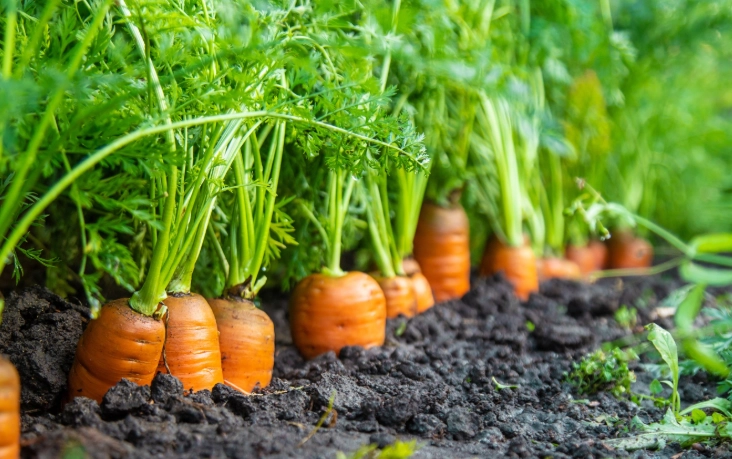
I've grown carrots for over a decade, from heavy clay to perfect loam, and I've learned that focusing solely on "days to maturity" is a recipe for disappointment. This guide digs into everything that actually influences carrot growing time, so you can plan your season and harvest sweet, crunchy carrots right on schedule.
What's in this guide?
How Long Do Carrots Take to Grow? The Short and Long Answer
The seed packet always gives a number. It might say "68 days" or "75 days." That's the estimated time under ideal conditions from seed germination to a mature, harvestable root. But here's the thing most gardening sites don't stress enough: that clock starts at germination, not the day you plant. Carrot seeds can take 1 to 3 weeks just to sprout, especially in cooler soil. So, mentally add 10-14 days to any packet date for a realistic timeline.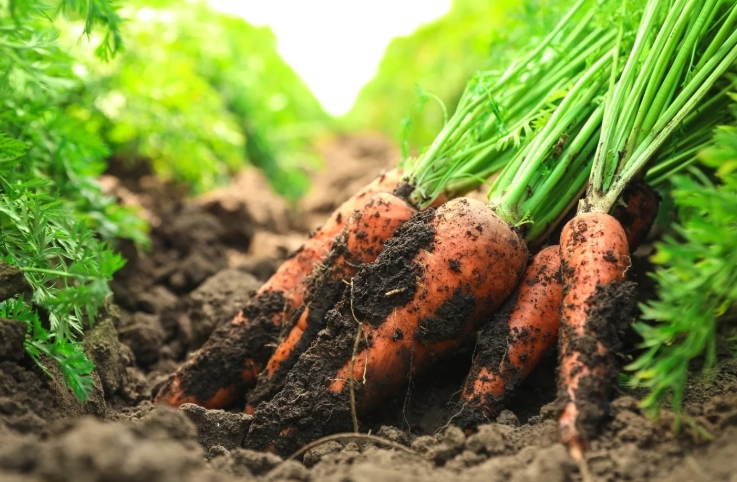
Carrot varieties are broadly grouped by their shape and, crucially, their growing time. Choosing the right one for your season is the first major lever you can pull.
| Carrot Type & Examples | Typical Days to Maturity | Best For... | Root Character |
|---|---|---|---|
| Early Season / Nantes (‘Nelson’, ‘Touchon’, ‘Yaya’) |
50 - 65 days | Quick harvests, succession planting, spring and fall crops. Less heat tolerant. | Cylindrical, blunt tips, super sweet and crisp. The "all-rounder." |
| Main Season / Danvers (‘Danvers 126’, ‘Healthmaster’) |
65 - 75 days | Reliable summer harvests, storage, heavier soils. | Conical, thicker tops, good flavor and storage ability. |
| Late Season / Imperator & Chantenay (‘Imperator 58’, ‘Red Cored Chantenay’) |
75 - 85+ days | Fall harvest for winter storage, deep, loose soils. | Long & tapered (Imperator) or stout & broad (Chantenay). Often the best keepers. |
| Baby / Miniature (‘Little Finger’, ‘Paris Market’) |
50 - 60 days | Containers, shallow soils, gourmet harvests. Can be harvested earlier as true "baby" carrots. | Small, round or short. Harvestable at almost any size. |
Your local climate is the other huge factor. Carrots are cool-season crops. They germinate best in soil temperatures of 55-75°F (13-24°C) and grow most vigorously in the mild days of spring and fall. In the peak summer heat, growth can stall—the plant is just trying to survive. That's why a "68-day" carrot planted in late spring might be ready in 68 days, but the same variety planted in early summer could take 80+ days.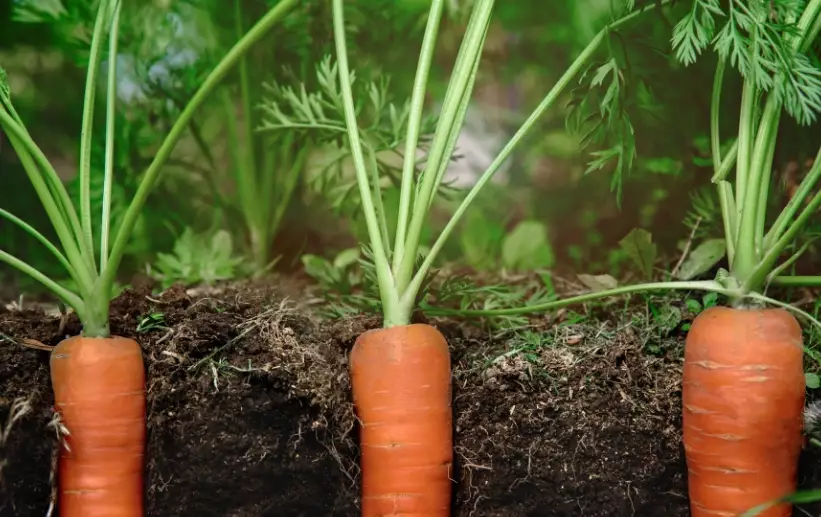
Check your local average frost dates and the USDA Plant Hardiness Zone map. For a continuous harvest, I plant a fast Nantes type every 3 weeks from 2-4 weeks before my last spring frost until about 10 weeks before my first fall frost.
The 4 Key Stages of Carrot Growth (And How to Nail Each One)
Understanding these stages lets you diagnose problems and intervene at the right time. It turns growing carrots from a guessing game into a managed process.
Germination: The Waiting Game (7-21 days)
This is the make-or-break phase. Carrot seeds are tiny and their germination energy is low. The single most important tip I can give you is keep the seedbed consistently moist. Not soggy, not dry. A dry spell of just 12 hours after planting can kill the emerging rootlet.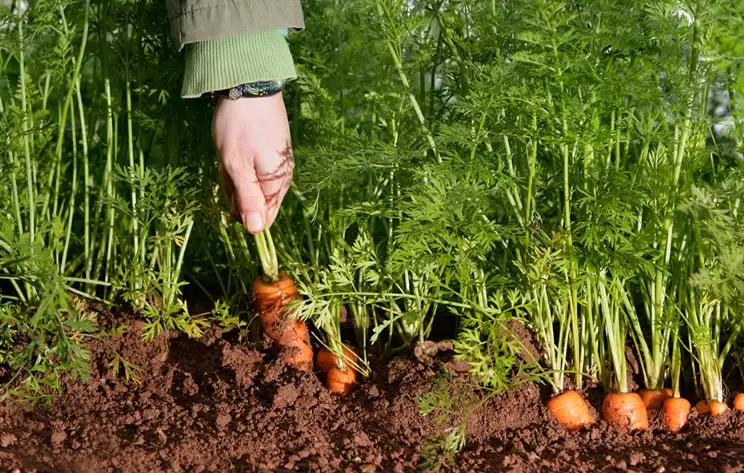
I sow seeds about 1/4 inch deep, cover them with a light potting mix or vermiculite (not heavy garden soil), and then gently water. Then, I lay a board or a single layer of burlap over the row. This shades the soil and locks in moisture. I check under it every day. The moment I see the first white sprouts, I remove the cover. This trick alone has doubled my germination success rate.
Vegetative Growth: Building the Greens (3-4 weeks)
Once the feathery true leaves appear, the carrot is building its solar panels. The focus is on the tops, not the root. Growth seems slow. This is normal. The critical task here is thinning. It's painful to pull up tiny seedlings, but overcrowding is the #1 cause of stunted, forked carrots. When seedlings are about 2 inches tall, thin them to stand 1-2 inches apart. Later, thin again to a final spacing of 2-4 inches, depending on the variety.
Don't just pull—snip the unwanted seedlings at soil level with scissors. Pulling can disturb the roots of the keepers. I remember my first carrot patch, I couldn't bring myself to thin properly. I ended up with a dense mat of greens and a harvest of spindly, twisted roots no thicker than a pencil. Lesson learned.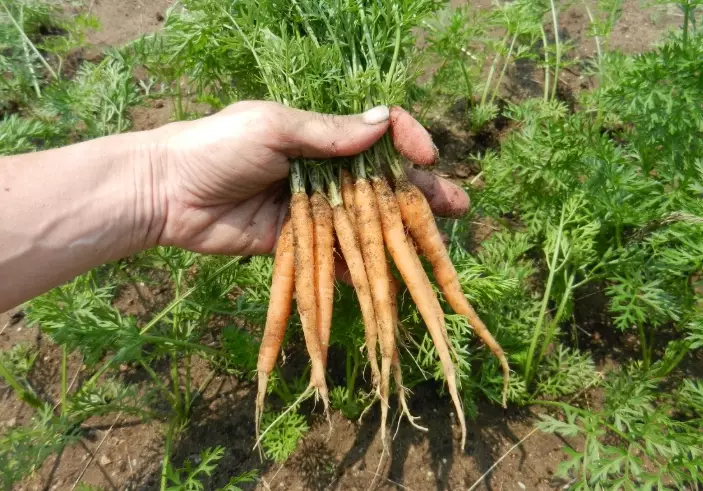
Root Bulking: The Main Event (3-5 weeks)
Now the magic happens. The plant shifts energy into fattening the taproot. Consistent moisture is again crucial. A cycle of drought and heavy watering causes roots to crack or become woody. Aim for about 1 inch of water per week.
This is also when you might see the carrot's "shoulders" pushing up out of the soil. If they turn green from sun exposure, they can taste bitter. Just hill a little soil or mulch over them.
Maturity & Harvest: Timing is Everything
The packet's "days to maturity" is a guide, not a law. Start checking early varieties around the 50-day mark. The best test? Gently brush away soil from the top of a root and check its diameter. For most standard varieties, 3/4 to 1 inch across the shoulder is perfect. Taste one! If it's sweet and crunchy, start harvesting. Carrots can be left in the ground for a while, but in warm soil, they can become over-mature, fibrous, and less sweet.
For your main fall harvest destined for storage, you can leave them in the ground until after the first few light frosts. The cold converts starches to sugars, making them sweeter.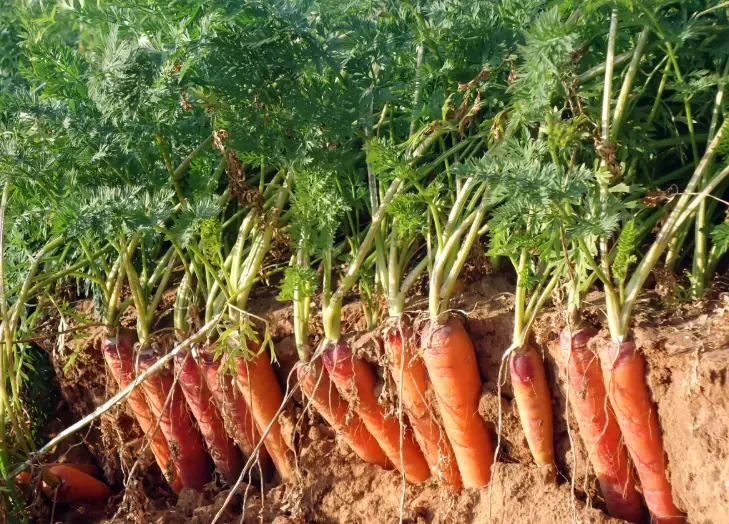
A Non-Consensus View on Soil: Everyone says carrots need "loose, sandy soil." That's true, but the advice often stops at "add some compost." The deeper truth is they need deeply loose soil. A compacted layer 6 inches down, called a hardpan, will stop a carrot root dead in its tracks, causing forking or stunting. Before planting, dig down at least 12 inches. Break up any hard layers. Mixing in well-rotted compost is great, but for heavy clay, also consider incorporating coarse sand or a huge amount of organic matter over several seasons. I've seen more carrot failures from undiscovered subsoil compaction than from any other single factor.
How to Plant Carrots for the Fastest, Most Reliable Harvest
Want to shave days off your growing time? Set your crop up for success from minute one.
Soil Prep is 90% of the Battle: As above, go deep. Remove rocks and clumps. The soil texture should be like fine breadcrumbs down as far as you can manage.
Sowing for Success: Mix carrot seeds with dry sand or used coffee grounds to make sowing thinly easier. Sow in shallow drills. Cover lightly. Water with a gentle spray. That moisture cover (board/burlap) is a game-changer.
The First Feeding: Carrots aren't heavy feeders. In fact, too much nitrogen (the first number in fertilizer) gives you glorious tops and pathetic roots. If your soil is decent, you might not need any fertilizer. If you do, use something balanced or slightly higher in phosphorus (the middle number) to encourage root development. A light side-dressing of compost tea when they start bulking is plenty.
The Biggest Mistakes That Slow Down Carrot Growth (And How to Avoid Them)
- Planting Too Deep: Seeds exhaust their energy before reaching the surface. 1/4 inch is perfect.
- Inconsistent Watering: Especially during germination and root bulking. Use drip irrigation or soaker hoses for steady moisture.
- Skipping the Thinning: Crowded carrots compete for water and nutrients. None of them win. Be ruthless for a better harvest.
- Planting at the Wrong Time: Sowing in mid-summer heat leads to slow germination and stressed plants. Stick to spring and late summer for fall crops.
- Using Fresh Manure or High-Nitrogen Fertilizer: This promotes leafy growth at the expense of the root. It can also cause forking. Only use well-rotted compost.
Your Carrot Growing Time Questions, Answered
My carrot seeds didn't sprout. What went wrong?
The soil likely dried out, even just once. Carrot seeds need constant contact with moisture to trigger germination. Next time, use a moisture-retentive cover like burlap or a plank, and water lightly every day if it doesn't rain. Also, check your soil temperature. If it's below 50°F or above 85°F, germination will be poor or won't happen.
Can I speed up carrot growth with fertilizer?
Not really, and you might make things worse. Carrots are adapted to moderate fertility. Pushing them with high-nitrogen fertilizer directs energy to the leaves, not the root, and can cause hairy, forked roots. The real "speed boost" comes from perfect soil preparation and consistent water. Think of fertilizer as a minor tune-up, not a nitrous oxide boost.
Why are my carrots taking longer than the seed packet says?
The days-to-maturity is an ideal estimate. Cool weather, low soil fertility, compaction, or competition from weeds (or other carrots) will all slow them down. The most common culprit I see is simply cooler than average weather after planting. Don't panic. Keep them weeded and watered, and they'll finish up when conditions are right.
Is it better to start carrots indoors to get a head start?
Almost never. Carrots have a sensitive taproot that hates being transplanted. The disturbance almost always causes forking or stunting. It's far more reliable to direct-sow them right in the garden bed, even if you have to wait for the soil to warm up a bit. The "head start" you think you're getting is usually negated by transplant shock.
How do I know if my carrots are ready to harvest if I can't see them?
You have to peek. Gently move the soil aside from the top of a root with your finger. Check the diameter at the shoulder. For most varieties, if it looks like a respectable carrot width (over 1/2 inch), it's worth pulling one to taste. The color should be vibrant. The foliage might also start to look a bit more robust and less feathery when the roots are nearing maturity.
My carrots grew tops but tiny roots. What happened?
This classic problem has a few likely causes. The top suspects are: 1) Too much nitrogen from fertilizer or fresh manure, 2) Extreme overcrowding because you didn't thin, or 3) Soil that's too hard or rocky for the root to penetrate and expand. Next time, go easy on fertilizer, thin mercilessly, and spend extra time creating that deep, fine, loose seedbed.
Reader Comments