Let's be honest. You've probably bought a pot of basil from the grocery store, used a few leaves, and watched the rest turn yellow and die within a week. I've been there. Growing basil isn't just about sticking a plant in dirt; it's about understanding what this sun-loving, tender herb really wants. When you get it right, you'll have more fresh basil than you know what to do with—for pesto, caprese salads, and garnishing everything in sight. This guide cuts through the noise and gives you the actionable steps, from seed to harvest, whether you have a sprawling garden or just a sunny windowsill.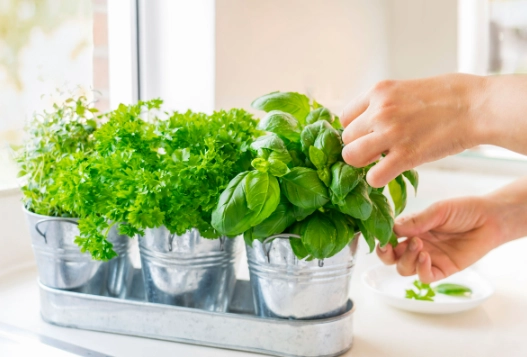
What's Inside This Guide
Picking the Perfect Basil for Your Needs
Not all basils are created equal. Choosing the right variety is your first step toward success.
Sweet Genovese is the classic Italian basil. Large, aromatic leaves, perfect for pesto. It's what most people picture. Thai Basil has purple stems, smaller pointy leaves, and a licorice-clove kick—essential for Southeast Asian cuisine. Lemon Basil and Lime Basil are fantastic for teas, seafood, and desserts. Then there's Greek Basil, which forms a perfect, compact little ball of tiny leaves, ideal for growing in small pots indoors.
My personal favorite for sheer productivity and flavor is a variety called 'Nufar'. It's a Genovese type bred specifically for resistance to fusarium wilt, a common soil-borne disease that can wipe out your plants. It's a game-changer if you've had basil suddenly collapse before.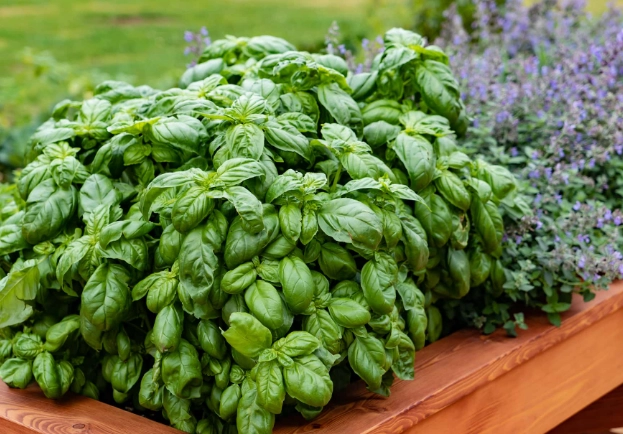
The Nitty-Gritty of Starting Basil from Seed
Starting from seed is cheaper, offers more variety, and is deeply satisfying. Here's the real process, not just the textbook version.
Timing is everything. Basil hates cold. Don't even think about sowing seeds outdoors until nighttime temperatures are consistently above 50°F (10°C). For a head start, sow indoors 6-8 weeks before your last frost date. I use simple seed trays with a clear plastic dome to keep humidity high.
Pro Tip: Don't bury the seeds! Basil seeds need light to germinate. Gently press them onto the surface of moist, pre-watered seed starting mix. A light dusting of vermiculite over the top can help keep them in place without blocking light.
Keep the soil consistently moist (not soggy) and warm—around 70-75°F (21-24°C) is ideal. A heat mat makes a huge difference. You should see sprouts in 5-10 days. The moment they appear, get them under a strong light source. A sunny south-facing window might work, but more often than not, the seedlings will become leggy and weak reaching for light. A simple LED grow light placed 2-4 inches above the seedlings for 14-16 hours a day gives you stocky, robust plants.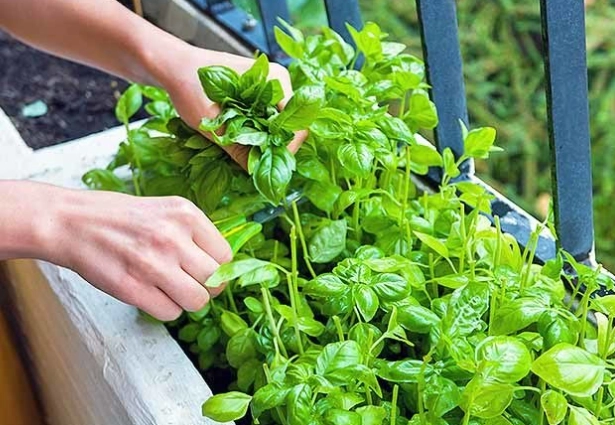
Planting and Core Care: Sun, Water, Soil
Sunlight: Non-Negotiable
Basil is a sun worshipper. It needs at least 6-8 hours of direct sunlight daily. More is better. In partial shade, it gets leggy, produces fewer leaves, and the flavor weakens. If you're growing basil indoors, a south or west-facing window is mandatory. No sunny window? You must use a grow light.
Soil and Planting
Basil demands well-draining soil. Heavy, clay soil that stays wet will cause root rot. If planting in the garden, amend the soil with plenty of compost. For containers, use a high-quality potting mix—never garden soil.
When transplanting seedlings, space them about 12-18 inches apart. Crowding encourages disease. Plant them at the same depth they were in their pot. Water them in well.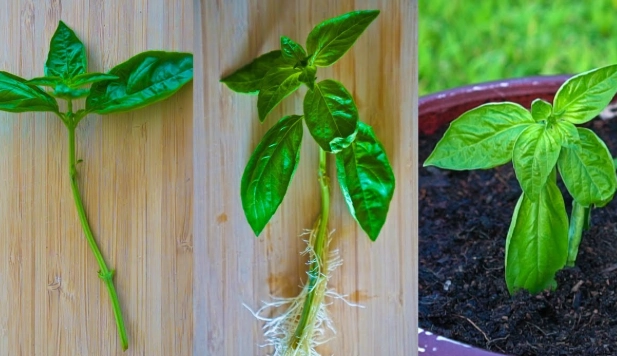
The Watering Balancing Act
This is where most people fail. Basil likes consistent moisture but despises wet feet. The goal is evenly moist soil, like a wrung-out sponge.
- Check the soil, not the calendar. Stick your finger an inch into the soil. If it's dry, water thoroughly until water runs out the drainage holes.
- Water at the base of the plant, not over the leaves. Wet foliage invites fungal diseases like powdery mildew.
- In hot weather, potted basil may need water daily. In-ground plants have more buffer but check them every couple of days.
Classic Mistake: Overwatering. Yellowing lower leaves are the first sign. The soil should never feel soggy or smell musty. If your pot feels heavy and the soil is dark, hold off on watering.
To Feed or Not to Feed?
Basil isn't a heavy feeder. If you planted in rich, compost-amended soil, you might not need extra fertilizer. For containers, a light feeding every 3-4 weeks with a balanced, water-soluble fertilizer (like a 10-10-10) is plenty. Over-fertilizing, especially with high-nitrogen formulas, can lead to lots of weak, flavorless growth. Less is more.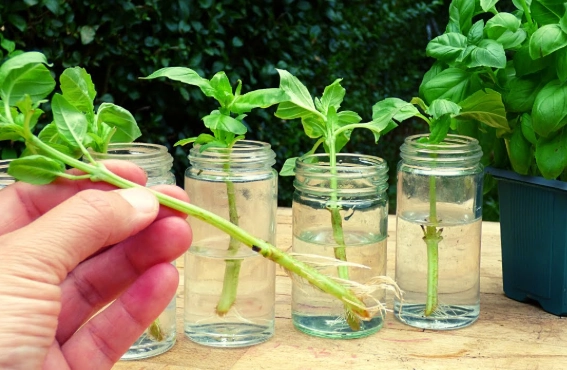
The Secret to a Bushy Plant: Pruning and Harvesting
Here's the magic trick most beginners miss. You don't just pick leaves off the top. You have to prune basil strategically to stop it from becoming a tall, lanky, flowering stalk.
When your seedling has 4-6 sets of true leaves, pinch off the top set. This seems counterintuitive—you're removing growth! But it forces the plant to send out two new branches from the leaf nodes below the cut.
| What to Do | Why It Works | When to Do It |
|---|---|---|
| Pinch off the central stem tip | Encourages branching, prevents early flowering (bolting) | When plant is 6" tall |
| Harvest from the top, taking stem sections | Promotes new growth from lower nodes, maintains shape | Regularly, once plant is bushy |
| Remove flower buds immediately | Once basil flowers, leaf production slows and flavor can turn bitter | As soon as you see them |
Always harvest by cutting the stem just above a pair of leaves. You can take up to a third of the plant at a time. This constant harvesting is your pruning. It keeps the plant compact and productive all season.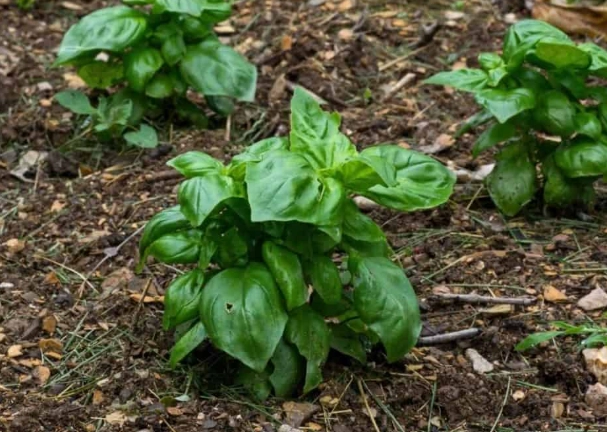
Troubleshooting: Fixing Yellow Leaves, Pests, and Disease
Things will go wrong. Here's how to diagnose and fix common basil plant care issues.
Yellow Leaves at the Bottom: Usually overwatering or poor drainage. Let the soil dry out more between waterings. Could also be a natural aging process if only a few old leaves are yellowing.
Yellow Leaves All Over: Could be under-watering, nutrient deficiency (nitrogen), or too much sun scorch if combined with dry soil.
Holes in Leaves: Likely slugs, snails, or Japanese beetles. Hand-pick at night (for slugs) or use organic slug bait. For beetles, knock them into soapy water.
Tiny Bugs (Aphids/Whiteflies): A strong blast of water from the hose can dislodge them. For persistent issues, insecticidal soap or neem oil spray works. Encourage beneficial insects like ladybugs.
Powdery Mildew (White powdery coating on leaves): Caused by poor air circulation and humidity. Space plants properly. Remove affected leaves. As a preventative, a weekly spray of a solution of 1 part milk to 9 parts water can help, according to research from the University of Connecticut. In severe cases, use a fungicide labeled for edible plants.
Fusarium Wilt (Plant suddenly wilts and dies, stems have dark streaks): There is no cure. This soil-borne fungus is the reason to practice crop rotation and choose resistant varieties like 'Nufar' or 'Prospera'.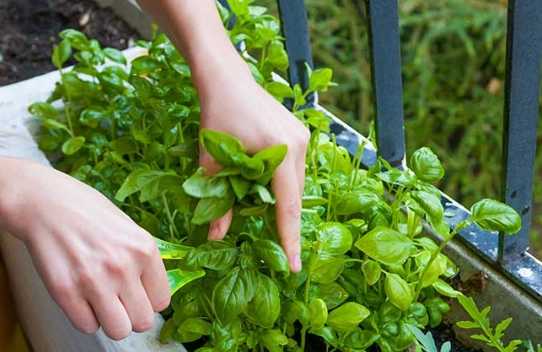
Your Basil Questions, Answered
Why are the stems of my basil plant getting woody and the leaves small?
Can I grow basil indoors year-round?
How do I store fresh basil so it doesn't turn black?
My basil seeds didn't germinate. What went wrong?
Do I need to hand-pollinate basil grown indoors?
Reader Comments