There's something almost magical about pulling a perfect, orange carrot from the soil you prepared yourself. It's a satisfaction store-bought veggies can't match. But if you've ever tried growing carrots and ended up with stunted, forked, or bitter roots, you know it's not always as simple as just scattering some seeds. I've been growing them for over a decade in my backyard plot, and I've made every mistake in the book so you don't have to. This guide isn't just a rehash of basic tips; it's the deep-dive, nitty-gritty manual I wish I'd had when I started.
What’s Inside This Guide?
Before You Plant: Setting the Stage for Success
Ninety percent of your carrot harvest's quality is decided before you even open the seed packet. Get this foundation wrong, and you'll fight an uphill battle all season.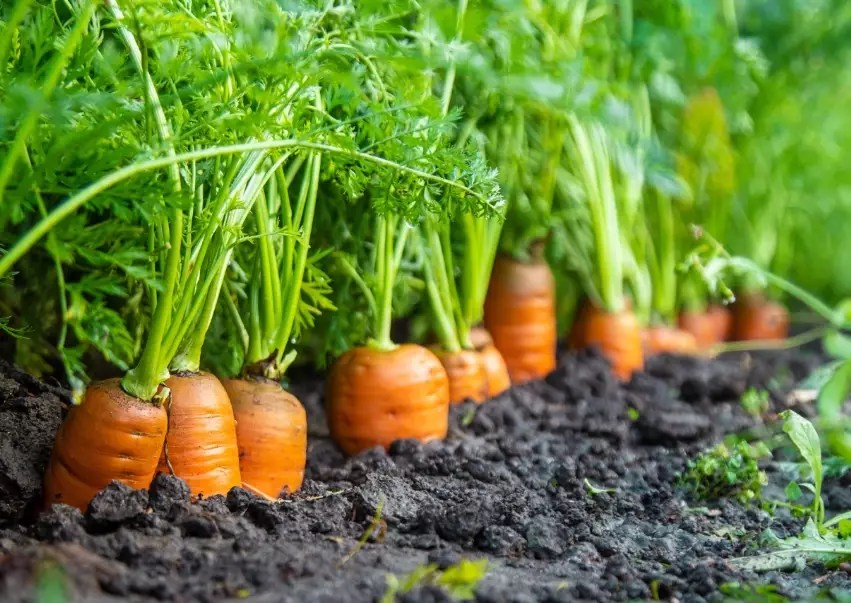
Choosing Your Carrot Variety
Don't just grab the first packet you see. Your soil type dictates your choice more than you think.
| Variety Type | Best For | Examples | Key Feature |
|---|---|---|---|
| Nantes | Most soil types, beginners | 'Scarlet Nantes', 'Napoli' | Cylindrical, sweet, less prone to forking. |
| Danvers | Heavier or rocky soil | 'Danvers 126' | Tapered, sturdy tops, good storage. |
| Imperator | Deep, sandy, loose soil | 'Imperator 58' | Long, classic supermarket shape. |
| Chantenay | Shallow, heavy, or container soil | 'Red Cored Chantenay' | Short, broad shoulders, great flavor. |
| Round/Ball | Containers, very poor soil | 'Parisian', 'Romeo' | Small, round, matures quickly. |
My personal favorite for reliability and flavor is 'Scarlet Nantes'. It's forgiving and produces consistently sweet, crisp carrots.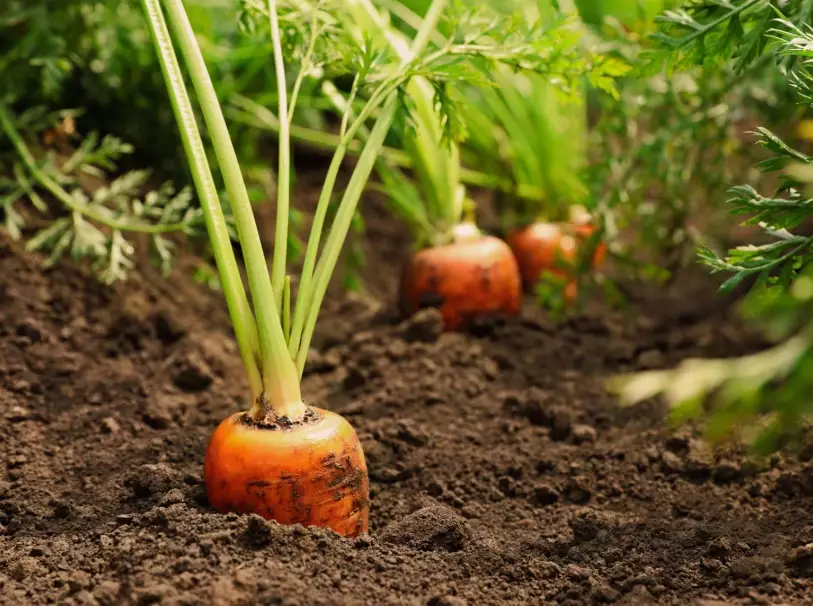
The Non-Negotiable: Soil Preparation
This is where most beginners fail. Carrot seeds need a fine, loose, deep seedbed free of clumps, stones, and fresh manure.
Depth is key. Loosen the soil at least 12 inches deep. I use a digging fork, not a tiller, to avoid destroying soil structure. If you hit a hardpan layer, break through it.
Texture over fertility. Ironically, soil that's too rich in nitrogen (from fresh compost or manure) causes hairy, forked roots. Focus on texture. If your soil is heavy clay, mix in a 2-inch layer of coarse sand or well-rotted compost several weeks before planting. A trick I learned from an old-timer: sift your top 4 inches of soil through a 1/2-inch mesh screen. It's a bit of work, but it creates a perfect nursery for those tiny seeds.
Planting Carrot Seeds: The Right Way to Sow
Carrot seeds are tiny and slow to germinate. Impatience here leads to poor stands.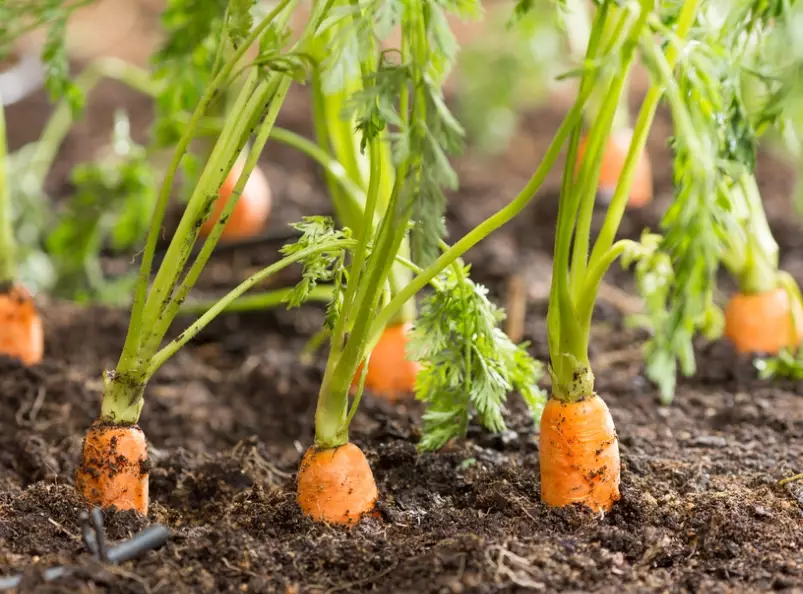
Timing: Sow seeds 2-4 weeks before your last spring frost date. The soil can be cool, even chilly. For a fall harvest, sow about 10-12 weeks before your first fall frost. Carrots love cool weather and get sweeter after a light frost.
The Sowing Process:
- Make shallow furrows about 1/4 to 1/2 inch deep. I press the handle of my garden tool into the soil.
- Water the furrow thoroughly before sowing. This ensures immediate moisture contact and prevents you from washing the seeds away.
- Sow seeds sparingly. Aim for 2-3 seeds per inch. To avoid clumping, mix seeds with a handful of dry sand or use a seed dispenser.
- Cover lightly with fine soil, vermiculite, or sifted compost. Just a dusting.
- Press down gently for good seed-to-soil contact.
- Keep the soil consistently moist, not soggy. This is critical. I often lay a wooden board or burlap over the row for 5-7 days to retain moisture, checking daily and removing it as soon as I see the first sprouts.
Germination takes 1-3 weeks. Don't let the surface dry out, not even once.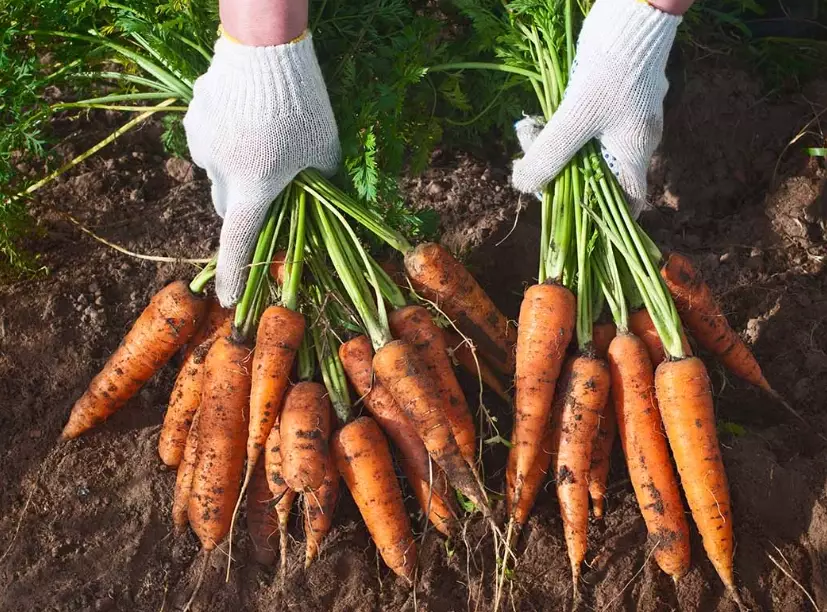
Caring for Your Growing Carrots
The Most Important Task: Thinning
You must thin your carrots. Crowded carrots will never develop properly. It feels wasteful, but it's essential.
Do it in two stages:
- First Thinning: When seedlings are about 2 inches tall, thin to one seedling every inch. Use tiny scissors to snip the extras at soil level to avoid disturbing the keepers' roots.
- Final Thinning: When the carrot tops are 4-6 inches tall and you can see small roots (often edible as "baby carrots"), thin to the final spacing: 2-3 inches apart for most varieties, 4 inches for larger ones.
The space you give them is the space they'll fill.
Watering and Feeding
Watering: Carrots need steady, even moisture. Inconsistent watering is the primary cause of split or cracked roots. Aim for about 1 inch of water per week. Deep, infrequent watering is better than daily sprinkles. A soaker hose or drip irrigation is ideal.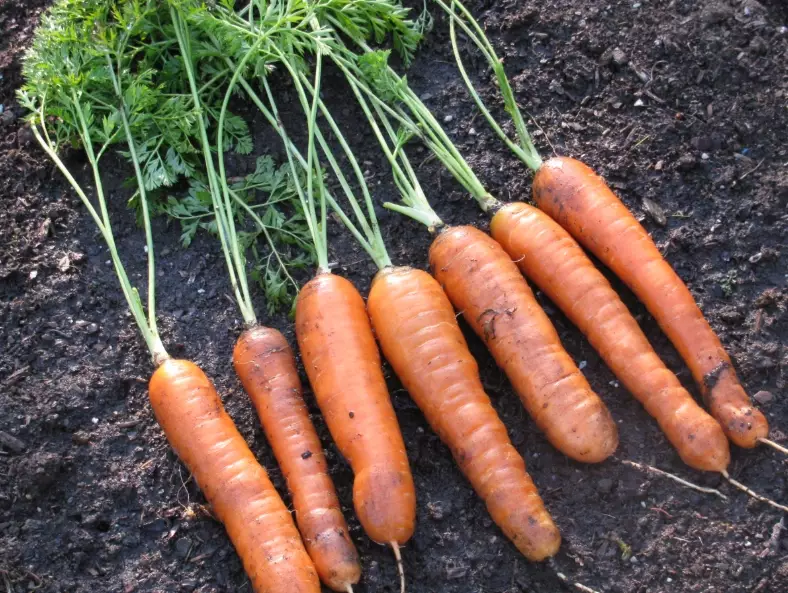
Feeding: Go easy. A side dressing of a low-nitrogen, balanced fertilizer (like a 5-10-10) when tops are 4 inches tall is plenty. Too much nitrogen gives you glorious tops and pitiful roots.
Weeding and Pest Patrol
Weed carefully by hand when plants are small. Carrots can't compete. For pests, the main culprits are carrot rust fly and occasionally aphids. The rust fly is the real menace. Its maggots tunnel into roots. The best defense is physical: cover your crop immediately after thinning with a fine insect mesh (row cover), sealing the edges with soil. I've found this more effective than any spray.
Harvesting and Storing Your Carrots
You can start harvesting as soon as roots look big enough to eat. For full maturity, check the "days to maturity" on your seed packet, but also judge by shoulder width. Gently brush away soil at the top of the root; if it's about 3/4 to 1 inch in diameter, it's likely ready.
To harvest, loosen the soil beside the row with a fork, then pull by the base of the greens, not the leaves themselves, which can break off.
For storage: Twist off the greens about 1/2 inch above the shoulder. The greens draw moisture from the root, causing wilting. Don't wash them. Store in perforated plastic bags in the crisper drawer of your fridge, or for long-term storage, pack them in slightly damp sand or sawdust in a cool, dark place like a root cellar.
Troubleshooting Common Carrot Problems
Here’s a quick reference for what went wrong:
- Forked/Misshapen Roots: Rocks, clods, or heavy soil. Fresh manure or excessive nitrogen. Prepare soil deeper and finer.
- Hairy Roots: Too much nitrogen fertilizer.
- Bitter Taste: Usually caused by heat stress or uneven watering. Grow in cooler seasons, maintain even moisture.
- Green Shoulders: Sun exposure. Keep the root shoulders covered with soil or mulch.
- Small, Spindly Roots: Crowding (not thinned enough), shade, or poor soil fertility. Thin properly and ensure full sun.
Reader Comments