Asparagus Journey Highlights
- Why Bother with Asparagus Crowns? The Perennial Payoff
- Choosing Your Champions: A Guide to Asparagus Crown Varieties
- The Step-by-Step: How to Plant Asparagus Crowns the Right Way
- The Long Game: Caring for Your Asparagus Bed
- Common Problems (And How to Avoid Them)
- Answers to the Questions You're Probably Asking
Let's be real for a second. The first time I heard the term "asparagus crowns," I pictured something a king might wear, not a gnarly, tangled root cluster I was supposed to bury in my backyard. I made a ton of mistakes. I planted them too shallow. I got impatient and harvested the first year (big regret). I chose a variety that just didn't thrive in my heavy clay soil.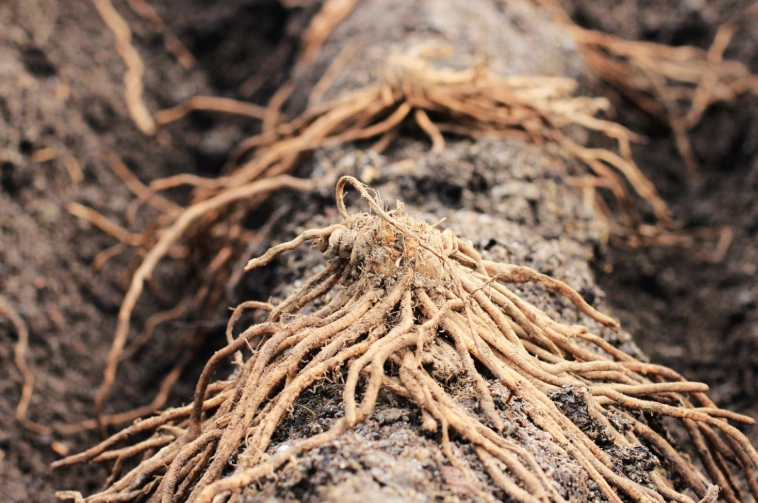
But here's the beautiful thing about asparagus crowns: they forgive. Once established, these perennial powerhouses will send up those delicious spears spring after spring, for 15, 20, even 30 years. It's one of the best long-term investments you can make in your garden. This guide is everything I learned the hard way, boiled down to save you the headaches and get you to that first, perfect harvest.
So, what exactly are we talking about? An asparagus crown is the dormant root system of a one- or two-year-old asparagus plant. Think of it as the plant's engine, packed with stored energy, ready to explode into growth once it's in the ground. Starting with crowns, instead of seeds, gives you a massive head start—often allowing for a light harvest a year or two sooner. That's why most home gardeners, and even commercial growers, swear by them.
Why Bother with Asparagus Crowns? The Perennial Payoff
You could grow asparagus from seed. It's cheaper. But it adds at least an extra year, maybe two, before you can even think about eating a spear. When you plant healthy, vigorous asparagus crowns, you're buying time. You're tapping into a plant that's already been nurtured for a year, its root system developed and ready to support top growth immediately.
And let's talk about variety. When you shop for asparagus crowns for sale, you open up a world of options that might not be readily available as seed. Male hybrids, which don't waste energy on seed production and therefore often yield more and longer-lived spears, are predominantly sold as crowns. We'll get into the best varieties later.
Choosing Your Champions: A Guide to Asparagus Crown Varieties
This is where the fun begins, and where your personal taste and garden conditions really matter. Not all asparagus crowns are created equal. The color, flavor, spear thickness, and even disease resistance can vary dramatically.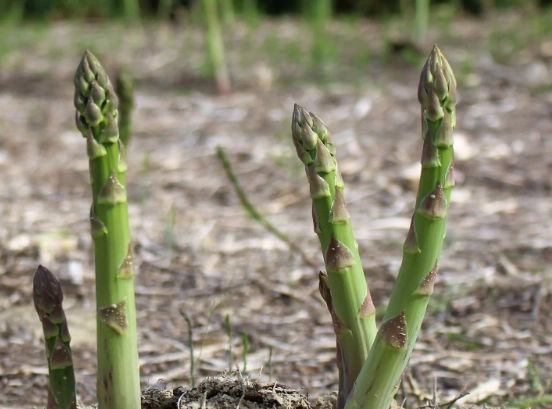
The Big Three: Green, Purple, and White
Most folks know green asparagus. It's the classic. But have you tried a fresh purple spear? It's sweeter, almost fruity, and loses some of that purple hue when cooked. White asparagus isn't a different variety; it's green asparagus that's been deprived of sunlight (a process called etiolation) as it grows, resulting in a milder, more tender spear. Growing white asparagus at home is a bit more labor-intensive, as you have to mound soil or use covers to block the light.
Here’s a quick breakdown of some top-performing varieties you'll commonly find as crowns:
| Variety Name | Type/Color | Key Characteristics | Best For... |
|---|---|---|---|
| Jersey Knight | Green (Male Hybrid) | Excellent disease resistance (especially to Fusarium), high yields, very cold tolerant. | Beginners, colder climates, gardens with less-than-ideal soil. |
| Jersey Giant | Green (Male Hybrid) | Early producer, thick spears, good disease resistance. One of the most popular. | Gardeners wanting early harvests and robust spears. |
| Purple Passion | Purple | Sweet, tender spears; purple color fades to green when cooked. Good yields. | Gardeners looking for exceptional flavor and a colorful plate. |
| Mary Washington | Green (Heritage) | An old reliable heirloom. Good flavor, produces both male and female plants. | Those who want to save seeds or prefer heritage varieties. |
| UC 157 | Green (Hybrid) | Developed for California, thrives in warmer climates, high yield potential. | Gardeners in warmer regions (zones 8-10). |
My personal favorite has been Jersey Knight. I have somewhat heavy, poorly draining soil, and these crowns have shrugged off conditions that made other plants struggle. The disease resistance is a real peace-of-mind factor.
Choosing the right variety feels like picking a teammate for a 20-year project. Make it count.
Male vs. Female Plants: Does It Matter?
This is a technical point, but an important one. Female asparagus plants produce red berries (which are toxic to humans, by the way). Producing those berries takes energy. Male plants don't produce berries, so they channel all their energy into producing more and often larger spears, and they tend to live longer. Most modern hybrid asparagus crowns, like the Jersey series, are all-male. This is a big reason for their superior productivity.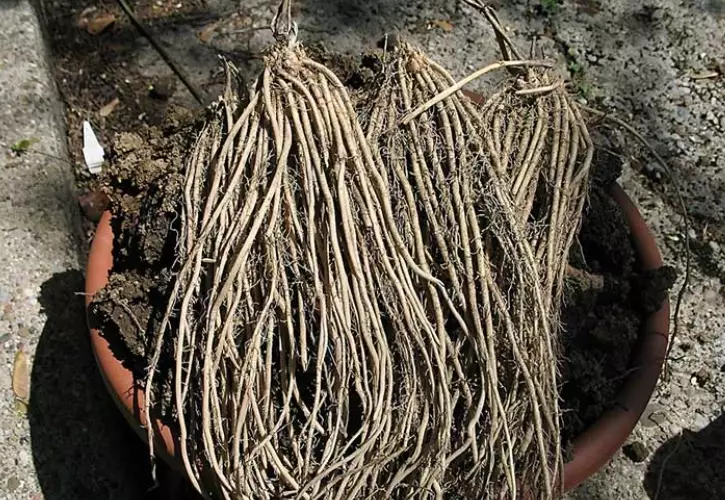
The Step-by-Step: How to Plant Asparagus Crowns the Right Way
This is the most critical part. Do it wrong, and you'll fight your asparagus bed for years. Do it right, and it's smooth sailing. The mantra for planting asparagus crowns is simple: Deep trench, wide spread, gradual fill.
Site Selection & Preparation (The Foundation)
Asparagus is a sun worshipper. Give it at least 8 hours of direct sun. More is better. The soil is even more crucial. It must be well-draining. Asparagus crowns will rot in soggy soil. If you have heavy clay, you must amend it. I worked in a huge amount of compost and some coarse sand into a raised bed area, and it made all the difference.
Weed control is non-negotiable. You're planting a perennial where you can't deeply disturb the soil later. Remove all perennial weeds (like dandelions, bindweed) completely before you even dig your trench. This might take a season of smothering or diligent removal.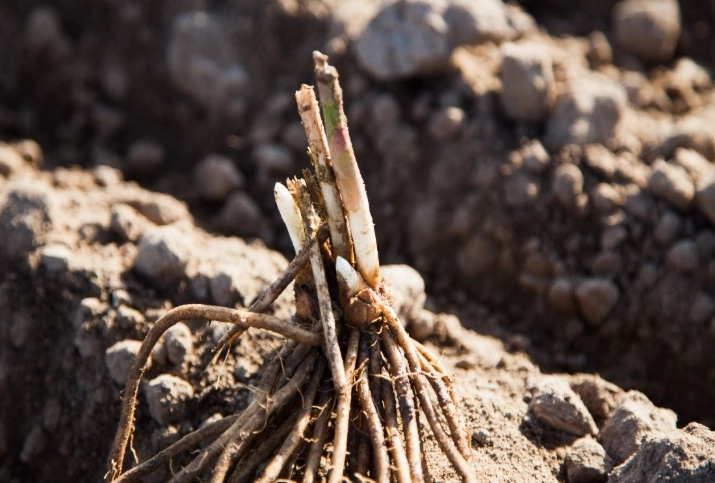
The Famous Trench Method
- Dig the Trench: Dig a trench about 12-14 inches deep and 12 inches wide. The spacing between trenches should be at least 3 feet if you're doing multiple rows. That seems like a lot, but these plants get big.
- Create a Mound: In the bottom of the trench, create a small, long mound of loose soil or compost, about 2-3 inches high, running down the center of the trench.
- Position the Crowns: This is the key moment. Place your asparagus crowns on top of this mound, spacing them about 12-18 inches apart. Let their roots drape down over the sides of the mound like an octopus sitting on a hill. This encourages the roots to spread outwards and downwards.
- Initial Cover: Gently cover the crowns and roots with just 2-3 inches of your loosened, amended soil. Water it in well. Do NOT fill the trench all the way up!
- The Gradual Fill: As the spears grow through that first covering of soil, gradually add more soil to the trench, a few inches at a time, until the trench is level with the surrounding soil by the end of the first growing season. This gradual process allows the spears to elongate properly and builds a deep root zone.
I know, it feels weird to bury something so deep. But that deep planting is what protects the crowns from frost, gives them a stable environment, and encourages deep root development for drought tolerance later on.
The Long Game: Caring for Your Asparagus Bed
Planting is a day's work. The care is what happens over the years.
Year One: The Establishment Phase (Hands Off!)
This is the test of your willpower. In the first year after planting asparagus crowns, you do not harvest. Let all the spears grow up into tall, ferny foliage (called "ferning out"). This foliage is the solar panel for the plant. It photosynthesizes and sends energy down to the crown to build it up for next year. If you harvest year one, you severely weaken the plant. I know it's tempting. Don't do it.
Water regularly, especially during dry spells. A 2-3 inch layer of organic mulch (straw, shredded leaves, compost) is a lifesaver. It conserves moisture, suppresses weeds, and feeds the soil as it breaks down.
Year Two: A Taste Test
You can take a light harvest in the second year. Maybe snap off a few spears per plant over a 2-3 week period, early in the season. Then stop and let the plant fern out again. The goal is still building strength.
Year Three and Beyond: Full Production
Now you've earned it! The third spring is when you can start a full harvest season, which typically lasts 6-8 weeks. Harvest spears when they are 6-10 inches tall and before the tips start to loosen. Snap them off at ground level with your fingers—it's easier and cleaner than cutting, and it avoids damaging emerging spears.
When the spears start coming up pencil-thin, that's the plant's signal that it's running out of steam. Stop harvesting. Let the remaining spears grow into ferns.
Annual Maintenance Cycle
- Spring: Harvest, then side-dress with compost or a balanced organic fertilizer as the ferns grow.
- Summer: Keep the bed weeded and watered. The ferns will get tall and feathery.
- Fall: Do NOT cut down the ferns while they are still green. Wait until after a hard frost has turned them completely brown and yellow. Then, cut them down to the ground and remove the debris (compost it if disease-free) to discourage pests like asparagus beetles from overwintering.
- Late Fall/Winter: Top-dress the entire bed with a fresh 1-2 inch layer of compost or well-rotted manure. This feeds the crowns for the next spring.
Common Problems (And How to Avoid Them)
Asparagus is tough, but not invincible.
Asparagus Beetles: These are the most common pest. You'll see black and red or orange spotted beetles or their black, squishy larvae on the ferns. For small infestations, hand-pick and drop them in soapy water. For larger ones, neem oil or spinosad can be effective. Keeping the bed clean in fall helps break their cycle. The University of Minnesota Extension has excellent, detailed management guides for these pests.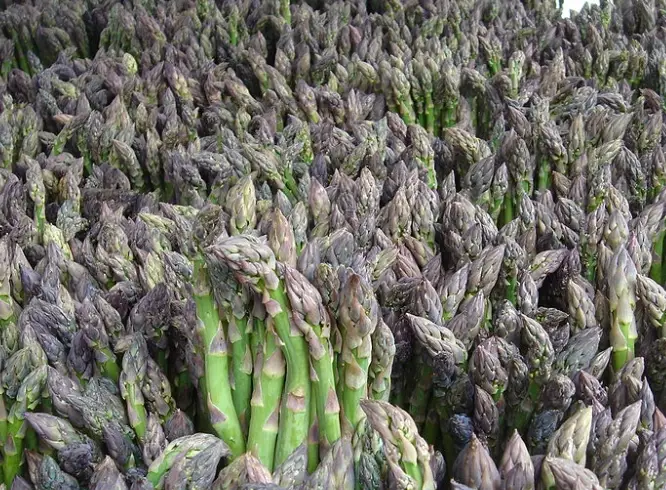
Fusarium Root Rot: This is a soil-borne fungus that causes crowns to rot and plants to wilt and die. Prevention is everything. Buy certified disease-free crowns from a reputable source (this is huge). Plant in well-draining soil. Choose resistant varieties like Jersey Knight. There's no cure once it's in the soil, which is why starting healthy is critical.
Poor Drainage: I'll say it again. Soggy soil kills asparagus crowns. If you suspect your site stays wet, build a raised bed. It's worth the extra effort.
Answers to the Questions You're Probably Asking
The Royal Horticultural Society (RHS) notes that a well-maintained asparagus bed can remain productive for over two decades, making the initial effort of planting asparagus crowns one of the highest-return projects in the kitchen garden.
Look, starting an asparagus patch is a commitment. It asks for patience upfront. But when you're out in your garden on a cool spring morning, snapping your first thick, homegrown spears—spears that came from those humble asparagus crowns you planted years ago—you'll understand. It's not just gardening; it's building a legacy in your own soil. You're planting for future springs, for meals you haven't even imagined yet. And honestly, there are few things more satisfying than that.
So choose your varieties, dig that trench deep, and get those crowns in the ground. Your future self, enjoying a plate of buttery asparagus, will thank you.
Reader Comments