Quick Guide
Let's be honest. The idea of rose gardening can feel a bit intimidating. You see those perfect, velvety blooms in magazine spreads and think, "I could never do that." I thought the same thing. My first attempt was a disaster—a sad, scraggly bush that produced exactly two flowers before giving up the ghost. I almost quit right there. But something about the challenge got under my skin.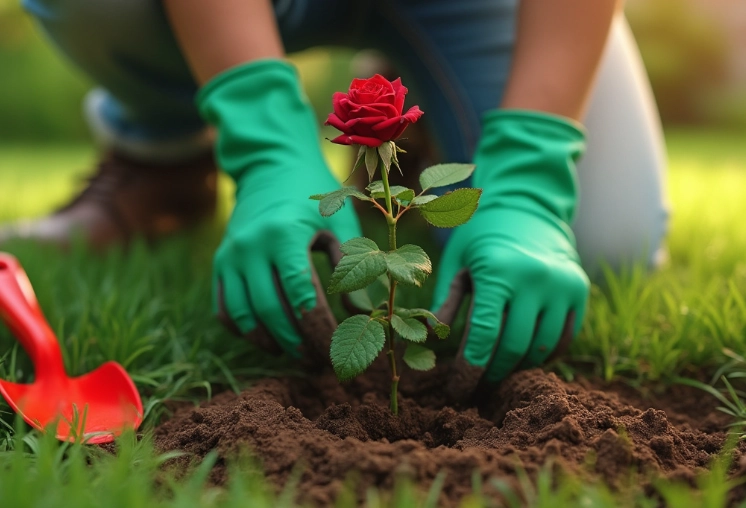
Here's the truth they don't always tell you: roses are tougher than they look. They want to grow. The trick isn't having a magical green thumb; it's understanding what they're asking for. Once you get that, the whole process shifts from a high-maintenance chore to a pretty straightforward conversation with your garden.
This guide is everything I wish I'd known when I started. We're not aiming for show-stopping perfection overnight. We're aiming for healthy, happy plants that reward you with color and fragrance season after season. Forget the complex jargon. Let's just talk about how to grow roses.
First Things First: Picking Your Rose
Walking into a garden center can be overwhelming. Hybrid Teas, Floribundas, Climbers, Shrubs, David Austin English Roses... the list goes on. The single biggest mistake beginners make is choosing a rose based solely on the picture on the tag without considering how it will fit their space and lifestyle.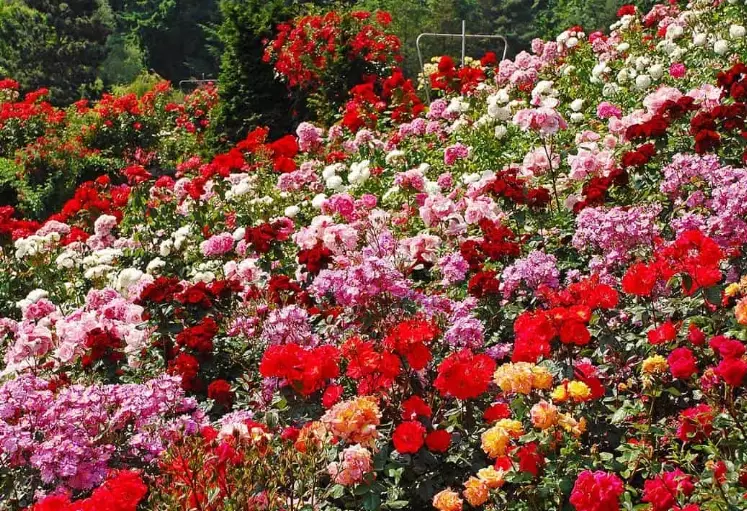
So, before you buy a single plant, ask yourself a few questions. How much space do you have? How much time can you realistically devote to care? Are you looking for cut flowers, a fragrant hedge, or something to cover an ugly fence? Your answers will point you in the right direction.
Here’s a quick breakdown of the main types to demystify your options:
| Rose Type | Best For | Care Level | Key Trait |
|---|---|---|---|
| Shrub Roses (e.g., Knock Out®, Easy Elegance®) | Beginners, low-maintenance landscapes, hedges. | Very Low | Extremely disease-resistant, repeat bloomers, hardy. |
| Floribundas | Mass color, garden borders, clusters of blooms. | Low to Moderate | Produce flowers in large clusters, generally robust. |
| Hybrid Teas | Cut flowers, formal gardens, exhibition blooms. | High | Classic long-stemmed, single blooms; often require more pest/disease care. |
| Climbing Roses | Covering walls, trellises, arches, fences. | Moderate | Long canes that need training; some bloom once, some repeat. |
| David Austin / English Roses | Garden romance, strong fragrance, old-fashioned look. | Moderate | Blend of old rose form with modern repeat-blooming; fragrance is a highlight. |
My strong recommendation for anyone new to rose gardening? Start with a modern shrub rose. Brands like Knock Out have genuinely changed the game. They bloom non-stop from spring to frost, shrug off black spot and mildew, and don't demand precise pruning. They let you succeed and build confidence.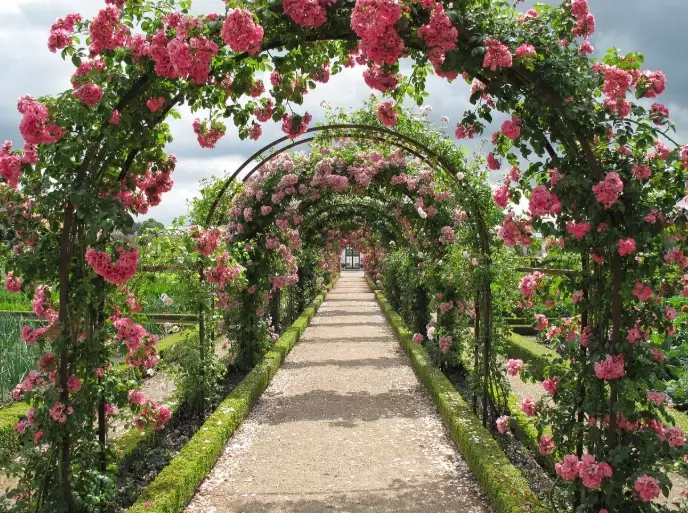
Bare-Root vs. Potted: What's the Difference?
You'll see roses sold two ways. Bare-root roses are dormant plants sold with their roots exposed, usually in early spring. They look like a bundle of sticks. Don't be alarmed! They're often cheaper, have a wider selection, and establish beautifully if planted promptly. Potted roses are actively growing, sold in containers. You get instant gratification and can plant them almost any time during the growing season, but they're typically more expensive.
I prefer bare-root for new beds. There's something satisfying about planting a "stick" and watching it explode with life. The American Rose Society has excellent resources on selecting and planting bare-root stock, which is a classic method many rose enthusiasts swear by.
The Non-Negotiable Foundation: Soil and Planting
If you remember one thing from this guide, let it be this: Roses are hungry, thirsty plants that demand good drainage. Fail on soil, and you'll fight an uphill battle forever. Success in rose gardening is 50% what happens below the ground.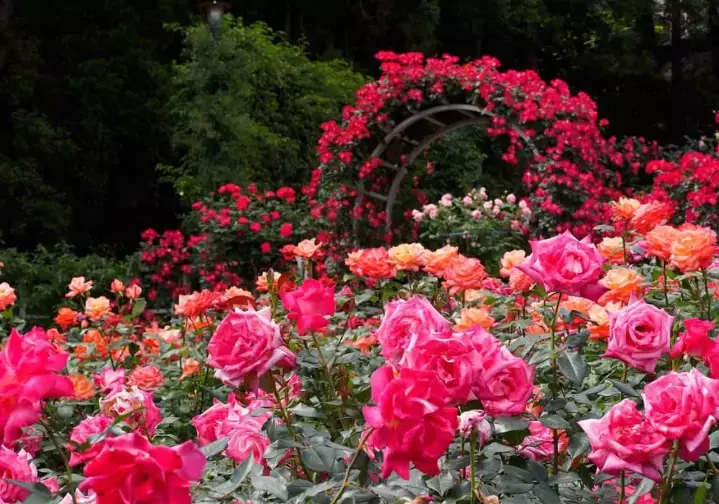
They crave rich, loamy soil that holds moisture but lets excess water drain away quickly. Soggy roots are a death sentence. If you have heavy clay, you must amend it. If you have sandy soil that drains too fast, you must amend that too.
How to Plant a Rose The Right Way
Planting is simple, but the details matter. Here's the step-by-step I follow every time:
- Dig a Big Hole: Make it at least 18 inches wide and deep. Loosen the soil at the bottom. This isn't overkill—it gives roots an easy path to spread.
- Amend the Soil: Mix the native soil you dug out with a generous amount of compost. A 50/50 mix isn't crazy. I also throw in a handful of bone meal for root development. Some gardeners swear by specific rose planting mixes, but good compost is the real hero.
- Set the Plant: For grafted roses (most are), find the knobby "graft union" where the canes meet the roots. In most climates, position this union at or just above the final soil level. In very cold areas, plant it 1-2 inches below to protect it. Spread the roots out in the hole.
- Backfill and Water: Fill the hole halfway with your soil mix, water thoroughly to settle soil and eliminate air pockets, then fill the rest. Water again. Create a slight soil "basin" around the stem to hold water.
- Mulch Heavily: Apply 2-3 inches of mulch (shredded bark, wood chips) around the base, keeping it a few inches away from the main stem. This is critical for moisture retention and weed suppression.
Really, that's it. A well-planted rose has a massive head start. The University of Minnesota Extension has a great, no-nonsense guide that reinforces these fundamentals, which are backed by decades of horticultural research.
The Daily (and Seasonal) Grind: Rose Care Essentials
Okay, your rose is in the ground. Now what? Consistent care is simpler than you think. It boils down to water, food, and a bit of grooming.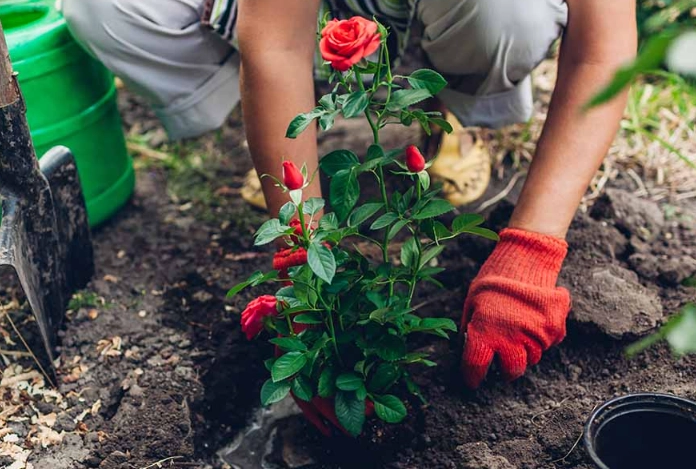
Watering: Deep, Not Frequent
Roses need about 1-2 inches of water per week, from you or the rain. The goal is to encourage deep roots. A shallow daily sprinkle does more harm than good. Water slowly and deeply at the soil level, avoiding the leaves (wet leaves encourage disease). Soaker hoses or drip irrigation are absolute game-changers for rose gardening. I installed a simple drip line on a timer, and it cut my watering chores by 80% while making the plants healthier.
Feeding: What and When to Fertilize
Roses are heavy feeders. A hungry rose is a weak rose, prone to disease and poor blooming. I use a balanced, slow-release granular fertilizer formulated for roses in early spring as leaves emerge. Then, I give a lighter feeding after each major bloom flush (about every 4-6 weeks during the growing season). Stop feeding about 6-8 weeks before your first expected fall frost to let the plant harden off for winter.
Organic options like alfalfa meal, fish emulsion, and compost tea are fantastic. They feed the soil ecosystem, which in turn feeds your rose. It's a slower, gentler approach that builds long-term health.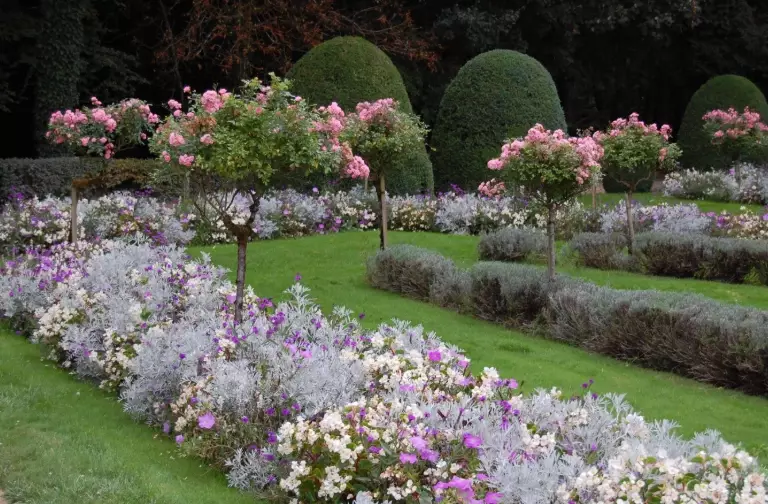
Deadheading: The Secret to More Blooms
This is the most satisfying gardening task. To encourage repeat blooming, you need to deadhead—remove spent flowers. Don't just pick off the petals. Cut the stem back to the first set of five leaves facing the outside of the bush. This directs energy into producing a new flowering shoot rather than making seeds (rose hips). For one-time spring bloomers (like many old garden roses), you can skip this and enjoy the decorative hips.
Conquering the Fear: Pruning Your Roses
Pruning causes more anxiety than anything else in rose gardening. People are terrified of "killing" the plant. Let me ease your mind: It's very hard to kill a healthy rose by pruning. In fact, bad pruning is usually just not pruning enough. The goal is to open up the plant's center to light and air, which prevents disease and stimulates strong, blooming growth.
The Basic Rules of the Pruning Game
The best time for major pruning is in late winter or very early spring, just as the leaf buds start to swell. You need clean, sharp bypass pruners.
- Remove the Three D's: Start by cutting out any Dead, Diseased, or Damaged wood. Cut it back to healthy, white pith.
- Open the Center: Remove any canes that are crossing through the middle of the plant or rubbing against each other. Aim for a vase-like shape.
- Reduce Height: Cut back the remaining healthy canes by about one-third to one-half. Make your cuts at a 45-degree angle, about 1/4 inch above an outward-facing bud (a small bump on the cane). This encourages the new growth to grow outward.
- Clean Up: Remove all leaves and debris from the ground to eliminate overwintering disease spores.
For modern shrub roses, you can be pretty brutal. I've cut my Knock Outs down to 12 inches in early spring, and they come back bushier and fuller than ever. Climbers are pruned differently, mainly after their first bloom, to train new canes and trim side shoots.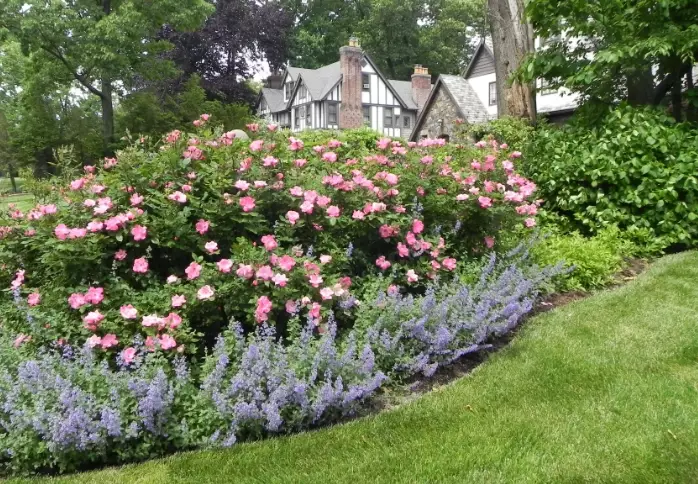
For visual, step-by-step guidance, the American Rose Society's pruning guide is an authoritative reference that can help clarify the process for different rose types.
Dealing with Pests and Diseases (The Organic-ish Way)
This is the part that can frustrate anyone. Aphids, black spot, powdery mildew. They happen. But a healthy, well-sited, and well-fed rose is your first and best defense. Stress is an invitation for trouble.
I've moved towards an integrated approach. I tolerate a few aphids because ladybugs usually show up to handle them. For a bigger infestation, a strong blast of water from the hose works 90% of the time.
For fungal diseases like black spot, prevention is key. That means watering at the soil level (I can't stress this enough) and choosing resistant varieties. If I see spots, I remove the worst-affected leaves and use a fungicide. I prefer a bicarbonate-based one (like baking soda spray) or neem oil as a first line of defense. It's not 100% perfect, but it keeps things manageable without resorting to harsh chemicals.
Japanese beetles? Yeah, they're the worst. I go out in the early morning with a bucket of soapy water and knock them in. It's gross but effective. Traps often attract more beetles to your yard, so I avoid them.
Getting Them Through the Winter
Winter protection depends entirely on your climate. In mild zones (7 and above), a heavy mulch is often enough. In colder zones, the goal is to protect the graft union and base of the canes from freeze-thaw cycles and drying winds.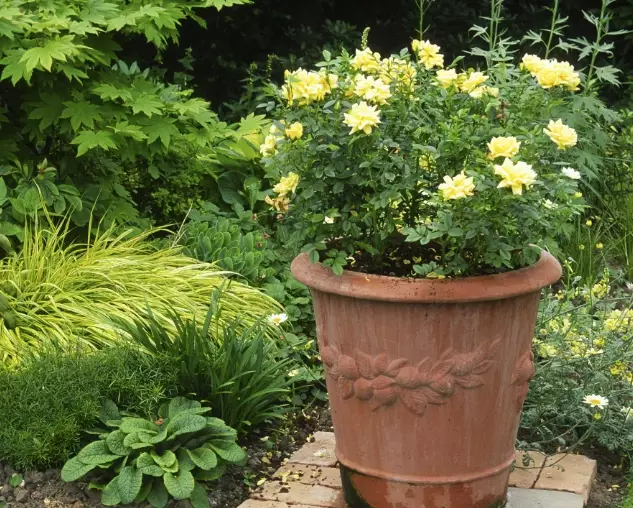
After the first hard frost, I hill up soil, compost, or mulch around the base of the plant to a depth of 10-12 inches. For extra-tender varieties or in very cold areas, I also use rose cones or burlap wraps after the plant is fully dormant. The key is to remove protection gradually in spring, as new growth begins.
Your Rose Gardening Questions, Answered
Over the years, I've gotten the same questions from friends starting their rose journey. Here are the straight answers.
| Question | Short Answer | More Detail |
|---|---|---|
| Why are my rose leaves turning yellow? | Usually a watering issue or nutrient deficiency. | Check soil moisture first. Overwatering and underwatering both cause yellowing. If watering is right, it could be a lack of nitrogen or iron. A soil test is your best friend here. |
| How do I get more fragrant roses? | Choose fragrant varieties and provide ample sun. | Fragrance is largely bred in. David Austin roses are famous for it. Also, warmth intensifies scent. Roses in full sun (6+ hours) produce more fragrant oils than those in shade. Dry, hot days often yield the strongest perfume. |
| Can I grow roses in pots? | Absolutely yes. | Use the largest pot possible (at least 15-20 gallons for most). Use a high-quality potting mix, not garden soil. Water and fertilize more frequently, as pots dry out and nutrients leach faster. Miniature and patio roses excel in containers. |
| What's the easiest rose for a complete beginner? | Any in the Knock Out® family. | They are the definition of easy-care. Disease-resistant, self-cleaning (no deadheading needed), incredibly hardy, and bloom non-stop. They let you learn without punishing every mistake. |
| How do I deal with black spot? | Prevent with good practices, treat early. | Water the soil, not the leaves. Prune for air circulation. Clean up fallen leaves. If it appears, remove infected leaves immediately. Apply a fungicide labeled for black spot. Consider switching to more resistant varieties next time. |
Wrapping It Up: You Can Do This
Rose gardening isn't a secret society. It's a series of logical steps: pick a suitable plant, give it great soil, water it deeply, feed it occasionally, and prune it with confidence. The learning comes from watching how your specific plants respond in your specific garden.
Start small. Don't plant a massive rose garden year one. Plant one rose. A tough, disease-resistant shrub rose. Learn on that one. Succeed with it. The joy of seeing that first perfect bud open is addictive. It's what turns a chore into a passion.
And remember, every expert rosarian has killed a plant or two. It happens. You learn, you adjust, you try again. The roses are waiting, and they're more resilient than you think. Now go get your hands dirty.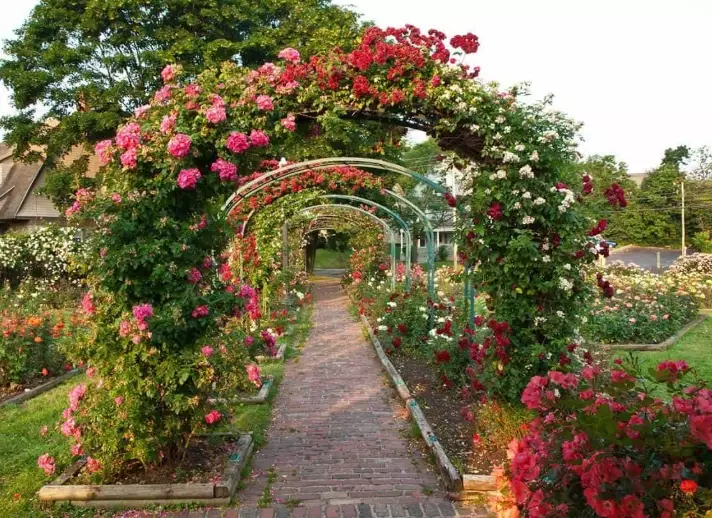
Reader Comments