I remember the first time I saw a hugelkultur bed. It was at a friend's farm, a long, rounded mound covered in lush greens and buzzing with life. It looked like a natural part of the landscape, not something built. I was hooked. After a decade of experimenting—and making plenty of mistakes—I can tell you this ancient method is one of the most powerful tools for creating resilient, low-maintenance gardens. Forget buying bags of fertilizer or watering every day. A properly built hugelkultur bed works like a giant, slow-release compost pile and a moisture-holding sponge, all in one.
What's Inside This Guide
What Exactly Is Hugelkultur and How Does It Work?
Hugelkultur (pronounced HOO-gul-culture) is a German word meaning "hill culture" or "mound culture." At its core, it's a no-till gardening method where you create raised beds by piling up woody debris—logs, branches, twigs—and covering them with layers of soil and compost.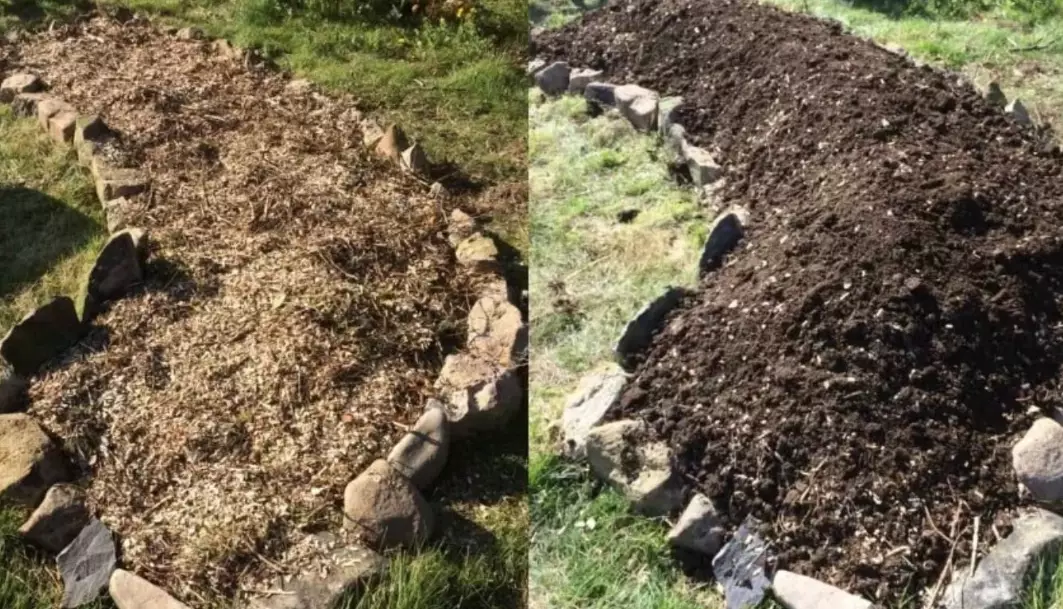
The magic isn't in the mound shape itself. It's in the rotting wood at the heart of it.
Think of a fallen tree in the forest. Over years, it becomes a nursery log, holding moisture and slowly releasing nutrients as fungi and bacteria break it down. A hugelkultur bed replicates this process on a faster, garden-friendly scale. The large logs act as a water reservoir, absorbing rainfall and irrigation like a sponge and releasing it slowly to plant roots during dry spells. As the wood decomposes, it provides a steady, gentle feed of nutrients for years. It's a closed-loop system that improves over time.
Key Takeaway: Hugelkultur isn't just a raised bed. It's a biologically active system. The goal is to create a habitat for beneficial fungi (mycorrhizae) and bacteria that do the heavy lifting of feeding your plants and building soil structure.
The Real Benefits (and a Few Honest Drawbacks)
Let's cut through the hype. Hugelkultur has some incredible advantages, but it's not a perfect fit for every single situation.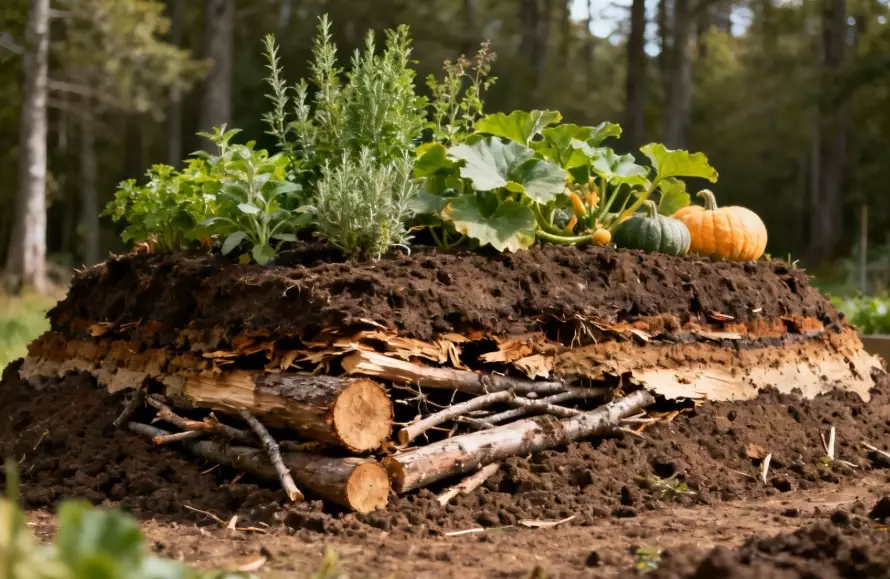
Why You'll Probably Love It
Drastically Reduced Watering. This is the biggest game-changer, especially in dry climates. In my semi-arid region, my established hugelkultur beds need watering maybe once a week during peak summer, while traditional beds demand it every other day. The USDA's Natural Resources Conservation Service emphasizes soil organic matter for water retention, and a hugelkultur core is pure organic matter.
Long-Term Fertility. You're building fertility that lasts 5-10 years or more. No need for annual tilling or heavy fertilizing. The slow decay is a constant nutrient drip.
Warms the Soil. The decomposition process generates a small amount of heat, which can slightly extend your growing season in spring and fall.
Uses Waste Productively. Got fallen branches, old stump grindings, or leaf piles? Hugelkultur turns waste into a resource.
The Potential Downsides (Nobody Talks About These Enough)
The First-Year Nitrogen Dip. Here's a classic rookie mistake. As bacteria work to break down the carbon-rich wood, they temporarily tie up nitrogen in the soil, making it less available to plants. If you plant heavy feeders like corn or tomatoes directly into a fresh bed, they'll look stunted and yellow. The solution is simple: focus on nitrogen-fixing plants (peas, beans) or light feeders (lettuce, root crops) in year one.
Initial Labor. Building a serious hugelkultur bed is physical work. Moving logs and soil is demanding. It's a front-loaded investment.
Space and Aesthetics. These are large, permanent mounds. They might not suit a tiny, formal urban yard where neat, rectangular boxes are preferred.
Potential for Settling. The bed will shrink as the wood decomposes, sometimes significantly in the first year. You need to build it taller than your desired final height.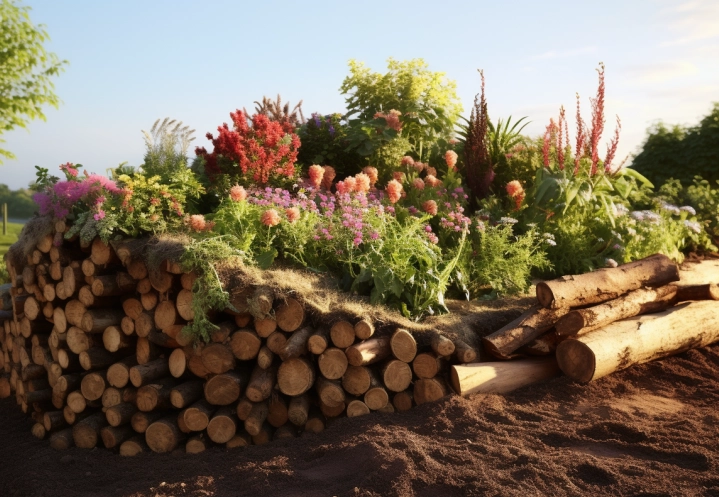
My Step-by-Step Hugelkultur Construction Guide
Let's build one. I'll walk you through the process I've refined after building over a dozen of these beds.
1. Site Selection and Layout
Choose a spot that gets at least 6-8 hours of sun. Orient the bed north-south for even sun exposure on both sides. Mark out your area. A classic mound is about 3 feet high and 6 feet wide at the base, but you can adjust. You can even build a low version in a standard raised bed frame.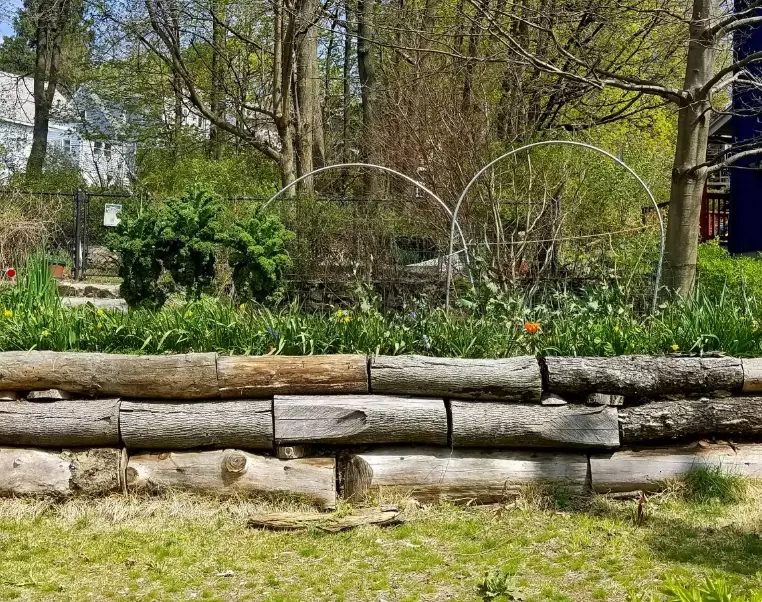
2. The Trench (Optional but Recommended)
Dig a shallow trench where your mound will go, about 1-2 feet deep. This does two things: it gives you soil to use as top cover, and it buries the largest logs slightly, kickstarting contact with soil microbes and providing stability. In very wet climates, you might skip this to avoid creating a waterlogged pit.
3. Building the Core: Logs and Debris
Place your largest, most rotten logs in the bottom of the trench or directly on the ground. Hardwoods like oak, maple, or fruitwood are ideal—they last longer. Then, layer on smaller branches, twigs, and rough woody material. Cram in as much as you can. This is the sponge.
Critical Point: Avoid black walnut, cedar, or chemically treated wood. Black walnut contains juglone, which can inhibit plant growth. Cedar is very rot-resistant and defeats the purpose.
4. Layering Up the "Lasagna"
Now, add successive layers of nitrogen-rich materials to balance the carbon-heavy wood:
- Green Materials: Grass clippings, kitchen scraps (no meat/dairy), fresh garden weeds (without seeds), coffee grounds.
- Manure or Fresh Compost: A 2-3 inch layer provides a huge microbial boost and helps counter the nitrogen dip.
- Leaf Mold or Straw: Great for bulk and moisture retention.
Water each layer thoroughly as you build. A dry core is a dead core.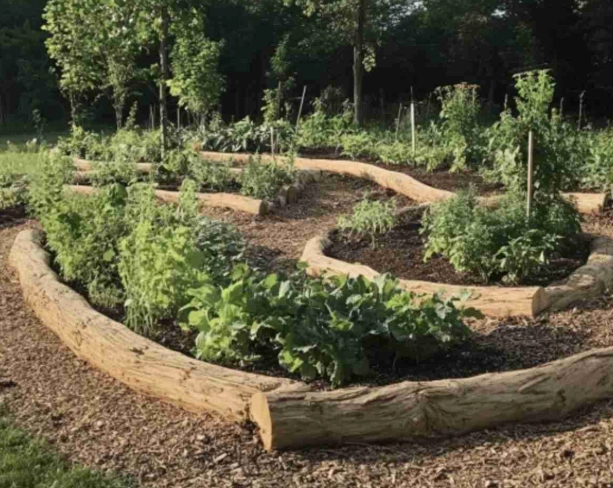
5. The Final Cap
Top the entire mound with at least 6-8 inches of high-quality topsoil and finished compost. This is your planting medium. Shape the mound so it has gentle slopes to prevent erosion.
The Hugelkultur Materials Checklist: What to Use and What to Avoid
| Material Type | Best Choices (Great to Use) | Use With Caution | Avoid Completely |
|---|---|---|---|
| Woody Core | Rotten hardwood logs (oak, maple, apple), Untreated lumber scraps, Brush piles, Pine (if well-mixed with other materials) | Fresh hardwood logs (will take longer to start working), Large pine logs (very resinous, slow to break down) | Black Walnut, Cedar, Redwood, Pressure-treated or painted wood, Plywood/particle board |
| Green/Nitrogen Layers | Grass clippings (not herbicide-treated), Vegetable scraps, Coffee grounds, Fresh garden weeds, Animal manure (aged 6+ months) | Fresh manure (can be too "hot" and burn plants if not covered well) | Meat, bones, dairy, fats, Diseased plants, Pernicious weed roots (like bindweed) |
| Soil & Cover | Finished compost, Topsoil, Leaf mold, Well-rotted straw/hay | Clay-heavy soil (amend with compost to prevent crusting) | Sterile "potting soil" with no biological life, Sand (poor nutrient/water holding) |
Planting and Long-Term Maintenance: What to Expect
Year 1: Plant lightly. Focus on legumes (peas, beans) to fix nitrogen, potatoes (they love the loose, settling soil), and greens (lettuce, kale). Avoid heavy feeders like tomatoes, corn, or squash unless you've added a massive amount of compost on top.
Year 2: The bed is more settled and the nitrogen tie-up is largely over. You can plant most annual vegetables. The south-facing slope will be warmer and drier—perfect for peppers and herbs. The north side is cooler and moister—good for leafy greens.
Years 3-10+: This is the golden period. The bed is a fertility powerhouse. You'll notice deeper, more drought-resistant roots. Maintenance is minimal: add an inch of compost as a top-dress each spring, and mulch with straw to prevent weeds.
The bed will slowly shrink. Just add more compost and soil to the top as needed. After a decade, the woody core will be largely gone, leaving you with a massive amount of incredible, humus-rich soil.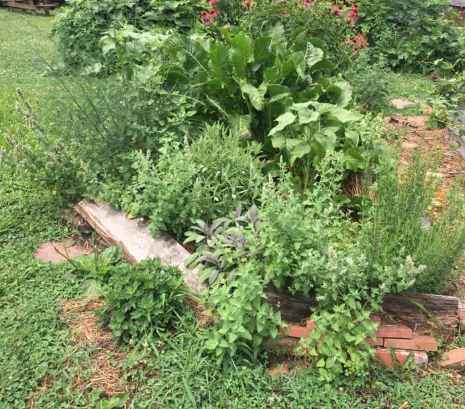
Reader Comments