You're inspecting your rose bushes, hoping to see signs of life, and you spot a tiny cluster of bright yellow specks stuck to the underside of a leaf. Your first instinct might be panic—are these pest eggs? Hold that thought. If you're lucky, you've just hit the garden jackpot. Those are likely ladybug eggs, and they're about to unleash an army of tiny aphid-eating machines into your garden. But how can you be sure? Let's cut through the confusion and look at exactly what ladybug eggs look like, where to find them, and why you should be doing a happy dance if you see them.
In This Article
- What Do Ladybug Eggs Actually Look Like? A Detailed Description
- Where to Look: The Best Places to Find Ladybug Eggs
- Ladybug Eggs vs. Aphids and Other Lookalikes: Don't Make This Mistake
- Why Finding Ladybug Eggs is a Gardener's Jackpot
- How to Protect Ladybug Eggs and Larvae in Your Garden
- Frequently Asked Questions About Ladybug Eggs
What Do Ladybug Eggs Actually Look Like? A Detailed Description
Forget vague descriptions. Here's the precise, visual breakdown you need to confidently identify them.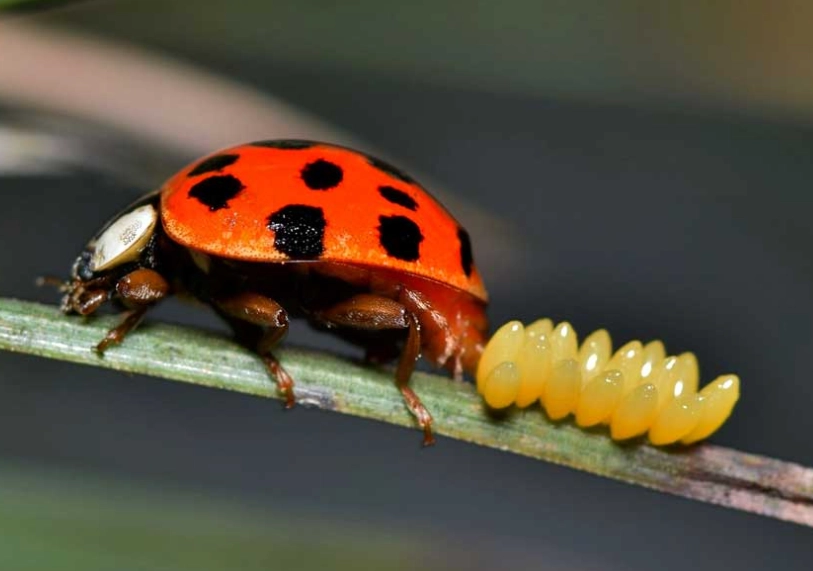
Size and Shape: Imagine a grain of long-grain rice, but shrunk down to a microscopic scale. Each egg is oval or elliptical, with a slightly tapered end. They're tiny, typically measuring between 1.0 to 1.5 millimeters in length. You won't see them from a standing position; you need to get up close and personal with your plants.
Color: This is their most striking feature. Freshly laid ladybug eggs are a vibrant, almost neon yellow to bright orange-yellow. They look like little drops of sunshine stuck to the leaf. As the embryo develops inside over 3 to 5 days, the color darkens. They turn a grayish or dull yellow just before hatching. If you see pure white specks, they're probably not viable ladybug eggs—they might be empty shells or something else entirely.
Texture and Arrangement: They are not loose. Each egg is standing upright, glued firmly to the leaf surface by a sticky substance the female secretes. They are almost always laid in a tight cluster or group, ranging from as few as 5 to as many as 50 eggs. The arrangement isn't perfectly geometric, but they're grouped together, often looking like a tiny, dense bouquet of yellow matchsticks.
Pro Tip from the Field: A common mistake is thinking they're shiny or wet. They're not. They have a matte, almost chalky appearance. If the cluster looks glossy or gel-like, you're probably looking at something else, like spittlebug foam or slug eggs.
Where to Look: The Best Places to Find Ladybug Eggs
Ladybugs are strategic mothers. They don't lay eggs randomly. They're looking for a nursery with a ready-made buffet for their hungry newborns.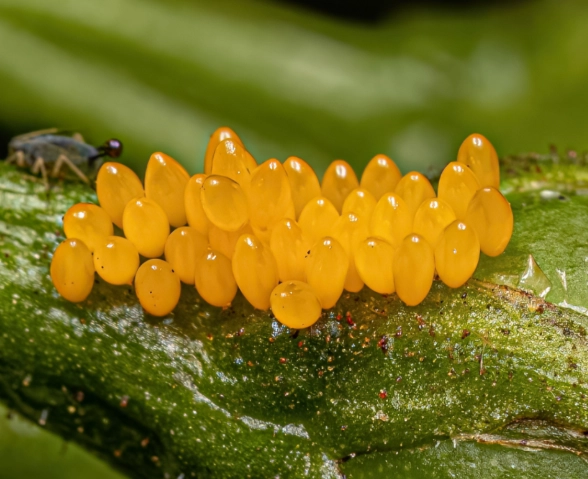
On the Plant Itself
Start your search on the underside of leaves. This provides shelter from direct sun, rain, and casual predators. Check along the midrib or veins, as these offer a slightly more stable anchor point. Don't ignore stems, especially near leaf axils (where the leaf meets the stem), or even on flower buds. I once found a cluster on the stem of a milkweed plant, cleverly hidden behind a leaf scar.
The Perfect Environment
Ladybugs target plants already infested with soft-bodied insects, primarily aphids. So, if you have a plant covered in aphids, inspect it thoroughly. You might find the eggs on a leaf just above or within the aphid colony. They also favor plants that provide pollen and nectar for the adults, like dill, fennel, cilantro, and yarrow. A patch of aphid-covered roses next to a flowering herb garden is prime ladybug real estate.
Ladybug Eggs vs. Aphids and Other Lookalikes: Don't Make This Mistake
This is where most beginners get tripped up. Aphids themselves can be yellow and cluster together. Here's a direct side-by-side comparison to end the confusion.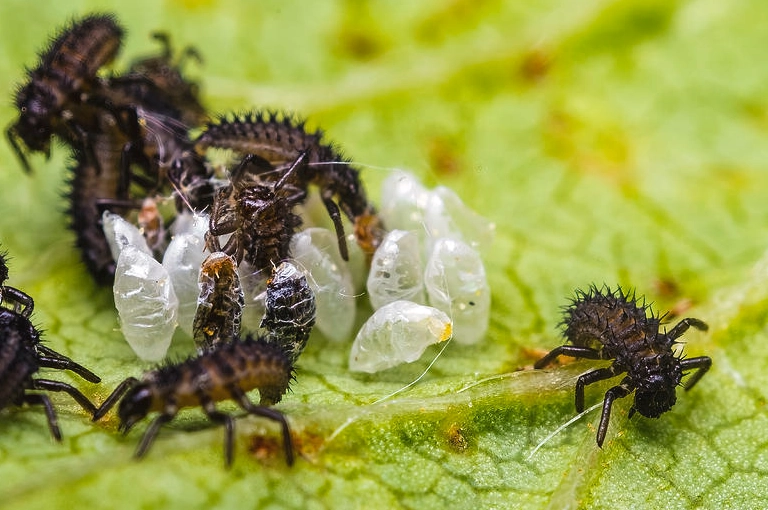
| Feature | Ladybug Eggs | Aphids (Nymphs & Adults) | Lacewing Eggs |
|---|---|---|---|
| Shape | Oval/elliptical, upright | Pear-shaped, round, lying on their side | Oval, but on top of a tall, hair-like stalk |
| Color | Bright yellow/orange (matte) | Can be yellow, green, black, or pink (often shiny) | Pale green or white |
| Attachment | Glued directly to surface | Mobile! They walk around. | On top of a silken stalk |
| Arrangement | Tight, upright cluster | Loose group, often mixed sizes | Singular or in small loose groups |
| What to do | CELEBRATE & PROTECT | Monitor or remove if infestation is heavy | CELEBRATE & PROTECT (Lacewings are also beneficial) |
See the difference? Aphids move. Ladybug eggs don't. If you gently tap the leaf and the yellow things scatter, they're aphids. If they stay firmly put, you've got eggs. Another impostor is scale insect crawlers, but they are flatter and more mobile.
My own blunder years ago was confusing a batch of mealybug eggs for ladybug eggs. Mealybug egg sacs are fluffy, white, cotton-like masses—nothing like the tidy, upright yellow clusters of ladybugs. It was an embarrassing lesson, but it drilled home the importance of looking at texture, not just color.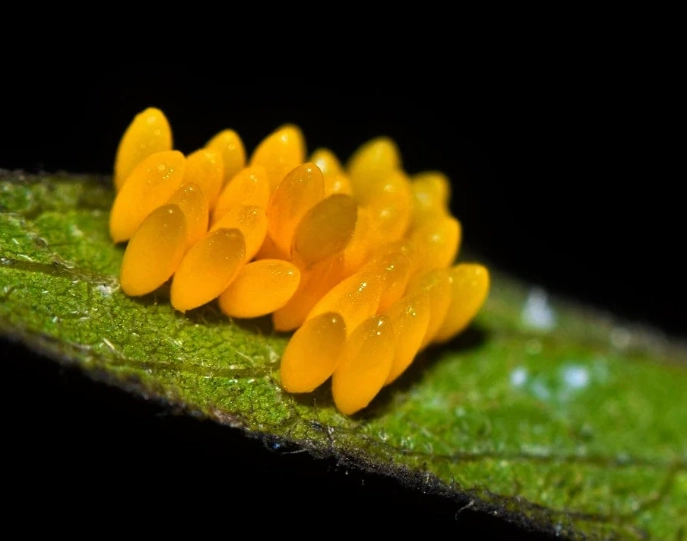
Why Finding Ladybug Eggs is a Gardener's Jackpot
This isn't just a cute nature moment. It's a critical sign of garden health. A female ladybug lays her eggs specifically where her larvae will have immediate access to food—namely, your aphids, mites, and other soft-bodied pests. By finding the eggs, you're getting a preview of free, targeted pest control that's about to hatch.
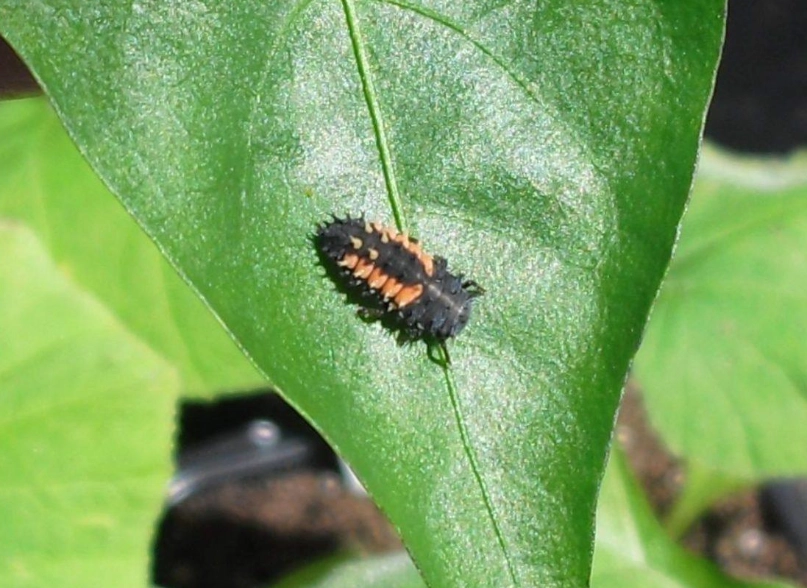
Each larva can consume hundreds of aphids before pupating. A single cluster of eggs represents the elimination of thousands of pests. You're witnessing the start of a biological control cycle that's far more effective and sustainable than any spray. It means your garden is balanced enough to support predators. According to integrated pest management principles from sources like university extension services (e.g., Cornell University's Entomology Department), conserving native predators like ladybugs is the cornerstone of sustainable gardening.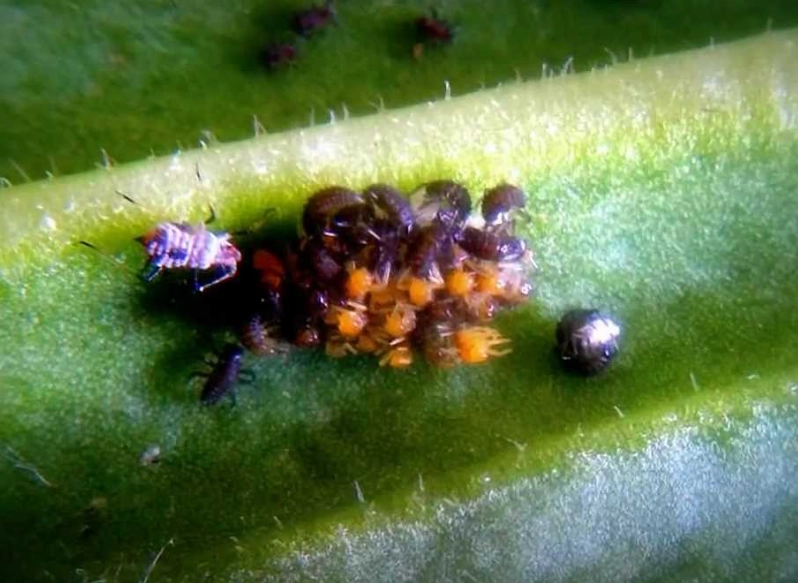
How to Protect Ladybug Eggs and Larvae in Your Garden
So you found a cluster. Fantastic. Now, don't mess it up.
First, mark the spot. Tie a bright piece of yarn or a plant tag on that stem. It's easy to forget which leaf you saw them on.
Do not spray anything. I mean anything—not insecticidal soap, not neem oil, not even a strong jet of water. These will kill the eggs. Tolerate the aphids nearby; they are the larval food supply. This is the hardest part for new gardeners, but it's crucial. The aphid population will crash once the larvae hatch.
Provide water. A shallow dish with pebbles and water helps both adults and larvae.
Plant for the adults. Ensure you have flowering plants to provide nectar for the mother ladybug and others. This encourages them to stay and lay more eggs.
I learned this the hard way. I once sprayed a mild soap solution on an aphid colony, forgetting I had seen ladybug eggs nearby a few days prior. I wiped out the next generation of my best helpers. Now, I practice restraint, and my garden is healthier for it.
 dybug Eggs
Reader Comments