I killed my first blueberry bush. There, I said it. I planted it in my regular garden soil, watered it when I remembered, and wondered why it turned a sad, reddish color and produced three tiny, sour berries. That failure taught me more than any book. Blueberry plant maintenance isn't just about keeping a plant alive; it's about understanding a specific, slightly fussy, but incredibly rewarding partnership. Get it right, and you're rewarded with buckets of sweet, antioxidant-packed fruit for decades. Get it wrong, and well, you get my first bush.
This guide is everything I wish I'd known. We're going beyond the basic "acidic soil" advice and into the real, actionable details of pruning, feeding, and troubleshooting that turn struggling plants into prolific producers.
What's Inside This Guide
- How to Plant Blueberries for Success (Not Just Survival)
- The Right Way to Water and Fertilize Blueberries
- The Step-by-Step Blueberry Pruning Guide Most People Skip
- Solving Common Blueberry Problems: Pests, Diseases & Deficiencies
- Your Seasonal Blueberry Maintenance Checklist
- Your Blueberry Questions, Answered
How to Plant Blueberries for Success (Not Just Survival)
This is where 90% of long-term maintenance headaches are created or avoided. Planting is a commitment.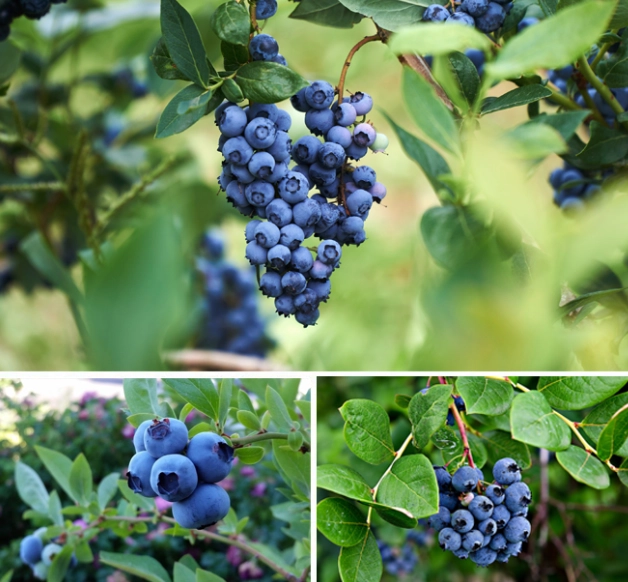
Soil pH: The Non-Negotiable
Everyone says "acidic soil." But what does that mean? Blueberries need a soil pH between 4.5 and 5.5. Outside this range, they can't access nutrients, no matter how much fertilizer you add. My mistake was assuming my soil was fine.
If your pH is too high (alkaline), you need to lower it. Sulfur is the standard, but it works slowly. For a new planting, mix generous amounts of peat moss (not coconut coir) into the planting hole. A 50/50 mix of native soil and peat is a good start. For established beds, annual applications of elemental sulfur based on soil test recommendations are key. Coffee grounds won't cut it.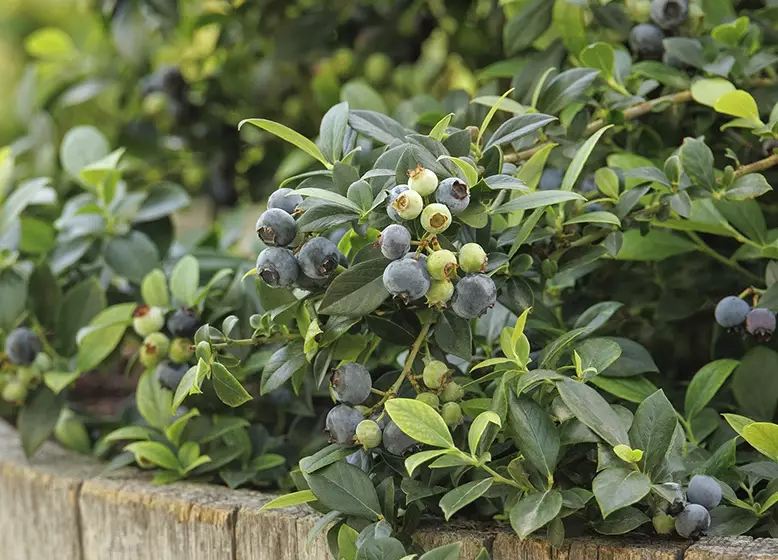
Choosing and Planting Your Bush
Not all blueberries are the same. You have three main types:
| Type | Best For | Chill Hours | Notes |
|---|---|---|---|
| Northern Highbush | Colder climates (Zones 4-7) | High (800+ hrs) | Classic, large berries. Needs cold winters. |
| Southern Highbush | Warmer climates (Zones 7-10) | Low (150-600 hrs) | Bred for mild winters. Often evergreen. |
| Rabbiteye | Hot, humid South (Zones 7-9) | Low to Moderate | Very drought-tolerant once established. Needs a different variety for pollination. |
Plant at least two different varieties for cross-pollination and a longer harvest. Dig a hole twice as wide and just as deep as the root ball. Don't plant too deep. Gently tease out any circling roots. Backfill with your soil/peat mix, water deeply to settle, and then...
Mulching: More Than Just Weed Control
This is critical. Blueberries have shallow, fibrous roots. A 3-4 inch layer of pine bark mulch, pine needles, or sawdust does wonders. It conserves moisture, keeps roots cool, suppresses weeds, and as it breaks down, it helps maintain that crucial acidity. Avoid hardwood mulches that can tie up nitrogen.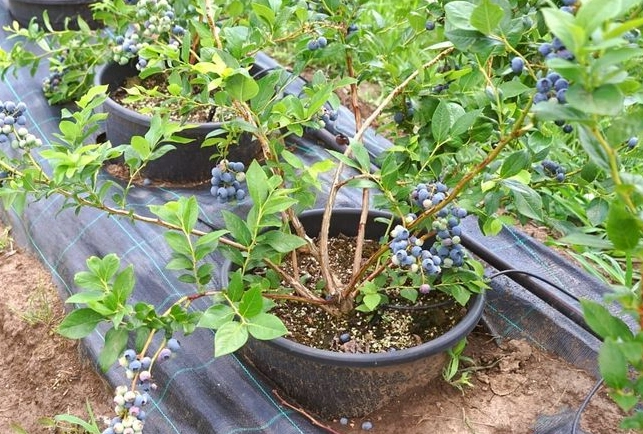
The Right Way to Water and Fertilize Blueberries
Blueberries are Goldilocks plants—not too much, not too little.
Watering: They need consistent moisture, especially in the first two years and during fruit development. Think 1-2 inches per week. Drip irrigation or a soaker hose under the mulch is ideal. It keeps foliage dry (preventing disease) and delivers water to the roots. Overhead watering is a recipe for fungal issues.
Fertilizing: More blueberry bushes are harmed by over-fertilizing than under-fertilizing. They are sensitive to salts. Use a fertilizer formulated for acid-loving plants (like azalea/camellia food). Look for one with ammonium-based nitrogen (like ammonium sulfate), not nitrate-based.
- When: Apply in early spring as growth begins and again 6 weeks later. Never fertilize after mid-summer, as it promotes tender new growth that can be winter-killed.
- How much: Follow the label, but start with half the recommended dose for young plants. Scatter it under the mulch in the drip line, not against the stem.
The Step-by-Step Blueberry Pruning Guide Most People Skip
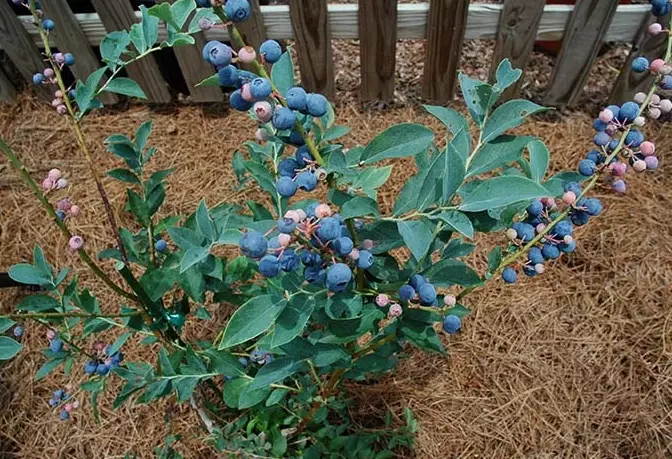
Pruning is the single most overlooked part of blueberry plant maintenance. People are scared to cut. But an unpruned bush becomes a tangled thicket producing small, hard-to-pick berries.
When to prune: Late winter, while the plant is dormant. You can see the structure clearly, and the plant is ready to burst with energy in spring.
Here's my method, honed over years:
- Remove the dead and damaged. Any canes that are broken, diseased, or clearly dead (gray, no buds) come out first. Cut them flush to the ground.
- Take out the weaklings. Target the skinny, spindly canes that are thinner than a pencil. They'll never produce worthwhile fruit and just suck energy.
- Open up the center. Blueberries fruit best on sunlight-exposed wood. Remove canes that are growing into the center of the bush or crossing/rubbing against others. Aim for a vase-like shape.
- Manage the old wood. A healthy bush should have a mix of ages. Each year, identify 1-3 of the oldest, thickest canes (they look gnarlier and have more side branches) and cut them right to the ground. This stimulates new, vigorous "basal" shoots from the roots.
- Tip-prune for size (optional). If canes are getting too tall, you can cut back the very tips to a strong outward-facing bud. This encourages branching lower down.
The goal after pruning is 6-12 strong, healthy, upright canes of varying ages. It looks drastic, but come summer, you'll thank yourself.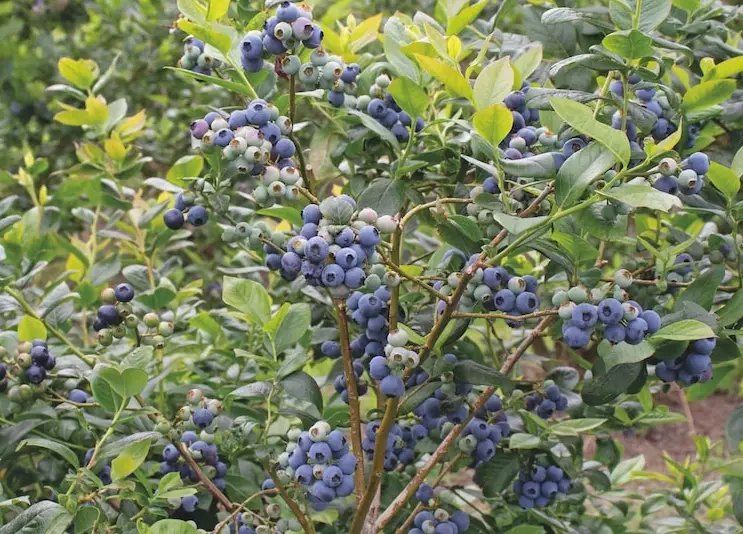
Solving Common Blueberry Problems: Pests, Diseases & Deficiencies
Even with great care, issues pop up. Here's how to diagnose and fix them.
- Red Leaves (Not in Fall): This is usually a nutrient deficiency caused by incorrect soil pH. If the pH is right, it could be a lack of magnesium or nitrogen. Yellowing between green veins points to iron deficiency—again, often a pH lockout issue.
- Birds: They will take your entire crop. Netting is the only reliable solution. Build a simple PVC frame and drape bird netting over it just as berries begin to turn blue.
- Mummy Berry: A fungal disease where berries turn hard, gray, and shriveled. They drop and release spores next spring. The fix? Scrupulous sanitation. Rake up and dispose of all fallen leaves and mummified berries in winter. A mulch layer helps prevent spores from splashing up.
- Japanese Beetles/Other Chewers: For light infestations, hand-pick into soapy water early in the morning. Neem oil can deter them. For severe cases, pheromone traps can work, but place them far away from your bushes to draw beetles *away*, not toward them.
Your Seasonal Blueberry Maintenance Checklist
Break it down, and it's less overwhelming.
Late Winter (Dormant Season): Prune. Apply soil sulfur if test indicates. Check and repair bird netting structures.
Spring (Bud Break to Flowering): Apply first round of acid-loving fertilizer. Top up mulch layer if thin. Watch for late frosts—have row cover ready to protect blossoms.
Summer (Fruiting Season): Water consistently! Install bird netting. Harvest regularly. Apply second light fertilizer feed 6 weeks after the first.
Fall (Post-Harvest): Do nothing. Seriously. Let the plant harden off for winter. Remove netting. Enjoy the brilliant red foliage.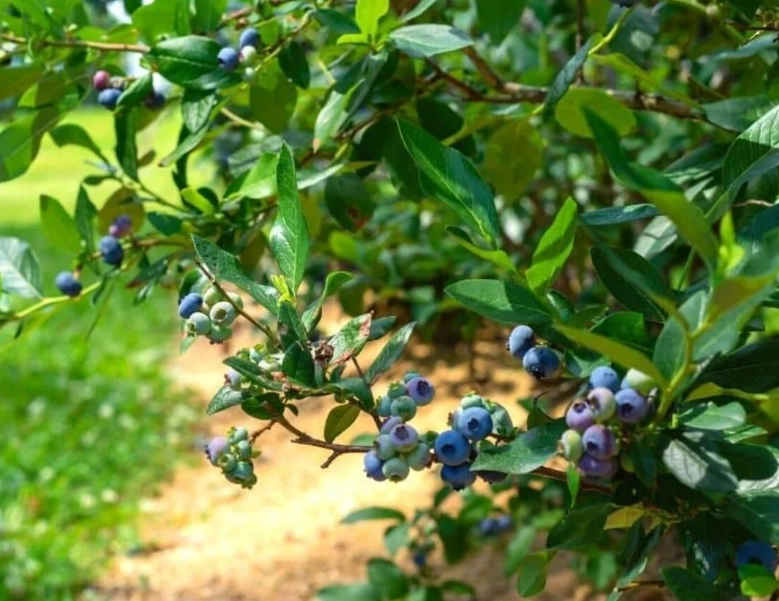
Your Blueberry Questions, Answered
My blueberry leaves are turning red in summer. Is it dying?
Summer red leaves are almost always a distress signal, not fall color. The first suspect is always soil pH. Test it. If the pH is above 5.5, the plant can't absorb iron and magnesium, leading to reddening and yellowing. Correct the pH with sulfur, and the new growth should come in green. It's a fixable problem, but you have to address the root cause (pun intended).
How often should I really replace the mulch?
You're not replacing it, you're topping it up. The organic mulch is constantly decomposing, which is good—it feeds the soil. Each spring, fluff up the existing mulch and add a fresh inch or two to maintain that 3-4 inch depth. This annual refresh is far more effective than stripping and replacing it every few years, which disturbs those precious surface roots.
I pruned my bush hard, and now it has no flowers. Did I ruin it?
Not at all. Blueberries flower and fruit on wood that grew the *previous* season. If you cut back all the one-year-old canes, you removed the flowering wood for this year. It's a common shock. The bush will likely put its energy into vigorous new cane growth this season. Those new canes will be the ones that flower and fruit *next* summer. Be patient—you've set it up for a better future.
Can I grow blueberries in pots?
Absolutely, and it's a great way to control the soil pH perfectly. Use a large pot (at least 18-24 inches wide and deep). Fill it with a 50/50 mix of potting soil for acid-loving plants and peat moss. Watering is more critical in pots—they dry out faster. You'll need to fertilize a bit more frequently with a liquid acid-loving plant food, and eventually, you may need to root-prune and repot if it becomes pot-bound. Dwarf varieties like 'Top Hat' or 'Sunshine Blue' are excellent choices.
Reader Comments