Homesteading isn't about moving to a remote 40-acre farm and living like it's 1890. That's the picture-perfect fantasy, and it stops most people before they even start. The real modern homesteading movement is happening in backyards, on suburban lots, and even on apartment balconies. It's a practical shift toward taking control of your food, reducing waste, and building skills that make you less dependent on fragile supply chains. You're not trying to escape society; you're trying to engage with your basic needs in a more direct, satisfying way. The goal isn't total isolation, but meaningful self-reliance. Let's cut through the romanticism and talk about how you actually start, what skills matter most, and the mistakes you can avoid.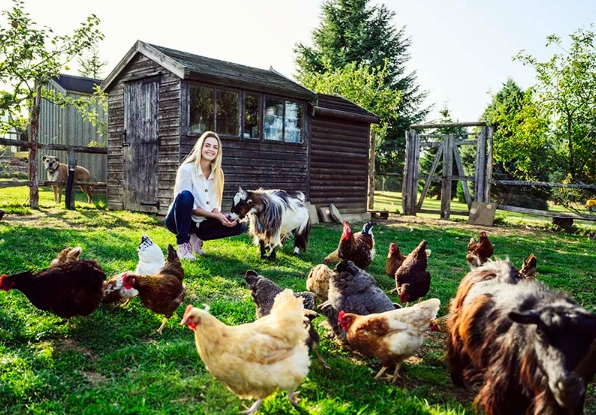
Your Homesteading Journey Starts Here
What is Modern Homesteading, Really?
Forget the bonnets and horse-drawn plows. Modern homesteading is a mindset of resourcefulness applied to daily life. It's choosing to grow a tomato instead of buying one, to repair a fence instead of calling a handyman, to preserve summer's abundance for winter. The core principles are production, preservation, and personal responsibility.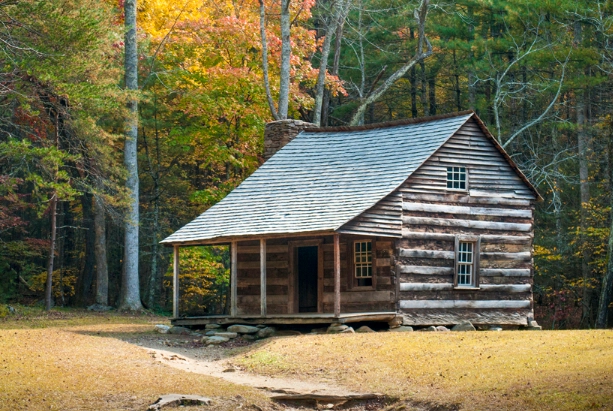
A huge mistake beginners make is trying to do everything at once. They order 50 chicks, till up half the yard, and buy a costly canning set, only to burn out by July. Homesteading is a marathon, not a sprint. The most successful homesteaders I know started with one thing. One raised bed. A few herb pots on a windowsill. A single compost bin. They mastered that, then added the next layer.
The motivation isn't just saving money (though that happens). It's the taste of a sun-warmed strawberry you grew. It's the security of knowing how to feed your family if the trucks stop rolling for a week. It's the quiet pride that comes from building a system with your own hands. This isn't a rejection of technology—it's using modern knowledge (like soil science from the USDA or efficient rainwater catchment designs) to achieve age-old goals.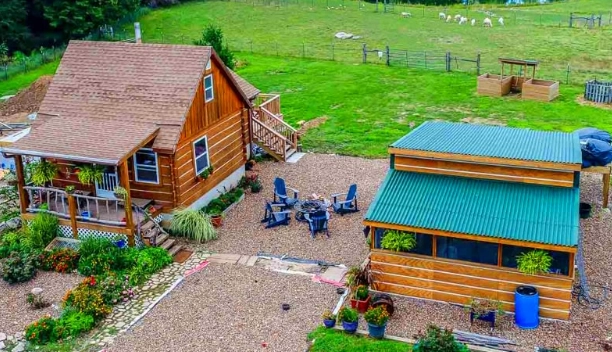
How to Start Homesteading on a Small Plot
You don't need acres. You need a plan. A typical suburban quarter-acre lot has immense potential if you think vertically and intensively.
| Zone | What to Include | First-Year Goal |
|---|---|---|
| Zone 1: Kitchen Garden | Raised beds or containers for salads, herbs, tomatoes, peppers, beans. Place it right outside your door. | Grow 30% of your summer vegetables. Learn successional planting. |
| Zone 2: Primary Garden & Compost | In-ground plots for squash, potatoes, corn. A 3-bin compost system for garden/kitchen waste. | Build soil fertility. Produce a staple crop (like potatoes) to store. |
| Zone 3: Livestock & Orchard | Chicken coop/run (4-6 hens). Dwarf fruit trees or berry bushes on the perimeter. | Supply your own eggs. Establish perennial food sources. |
The single most important physical task you'll do is soil building. I don't care how great your seeds are, if your soil is dead dirt, you'll get weak plants. Don't just buy bags of potting mix. Start a compost pile today with leaves, grass clippings, and vegetable scraps. Get a soil test from your local cooperative extension office—it's often cheap or free—and amend based on the results, not guesswork.
For chickens, start with pullets (young hens) ready to lay, not day-old chicks. Chicks need a brooder, heat lamps, and 5 months of care before an egg appears. Pullets let you learn basic chicken care with the immediate reward of eggs. Choose dual-purpose, docile breeds like Sussex or Orpingtons for a beginner-friendly experience.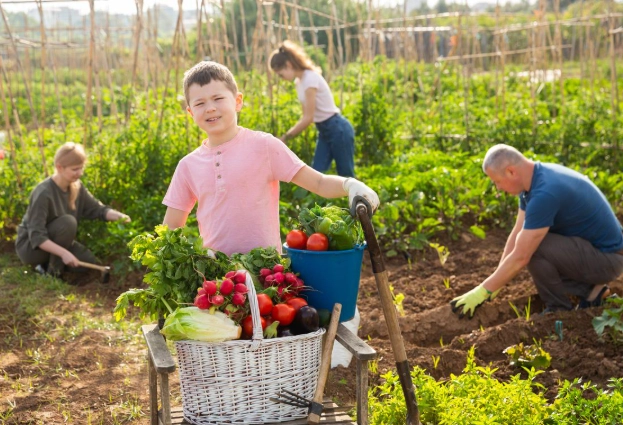
The 3 Non-Negotiable Skills Every Homesteader Needs
You can buy all the gear, but without these skills, you're just gardening with fancy tools.
1. Soil Management & Composting
This is the foundation. It's not just making compost; it's understanding soil texture, pH, and the life within it. Learn the difference between hot composting (fast, kills weeds) and cold composting (slow, easy). Know how to use cover crops like clover to protect and nourish beds over winter. A resource like the USDA's Natural Resources Conservation Service has fantastic, free guides on soil health that are more valuable than any influencer's tips.
2. Food Preservation
What good is a 50-pound tomato harvest if it rots in a week? Preservation turns abundance into security.
- Water Bath Canning: For high-acid foods (tomatoes with added lemon juice, fruits, pickles). Start with jam—it's forgiving.
- Fermentation: Sauerkraut, kimchi, pickles. Requires no special equipment, just salt and a jar.
- Dehydrating: For herbs, fruit leathers, jerky. A simple oven on low can work.
- Freezing: The easiest method for most vegetables (blanch them first to preserve color and texture).
My advice? Master one method per year. In year one, learn to make and freeze pesto from your basil. In year two, tackle pickles. Slow and steady builds confidence.
3. Basic Repair and Maintenance
Fences break. Tool handles loosen. Chicken coops need predator-proofing. The ability to fix things with basic tools—a hammer, screwdriver, drill, and wrench—saves money and prevents small problems from becoming crises. This skill is rarely highlighted, but it's what separates the strugglers from the resilient. It's not about being a master carpenter; it's about being willing to try, fail, and learn.
Beyond the Garden: Expanding Your Homestead
Once you have the rhythm of a garden and maybe some chickens, you might look at other avenues. Here’s a quick, honest rundown.
Beekeeping
Great for pollination and honey. The startup cost is moderate ($300-$500 for a hive, suit, and bees). The learning curve is steep—you're managing a superorganism. Local laws vary, and your neighbors might panic. Join a local bee club first. It's rewarding, but it's not a "set it and forget it" hobby. And sometimes, swarms just leave. It happens.
Rainwater Harvesting
One of the smartest infrastructure additions. A simple 50-gallon barrel under a downspout can water your garden through a dry week. Check local regulations; some arid states have restrictions. Always use a mosquito-proof screen.
Small Livestock (Goats, Rabbits)
This is a major step. Goats need sturdy fencing, hoof trimming, and possibly milking twice a day, 365 days a year. They're escape artists. Rabbits for meat require a steady disposition for processing. Don't romanticize this. If you're not ready for the full life cycle—including the end—stick to plants and eggs for now.
The Real Cost & Time Commitment (A Reality Check)
Let's talk numbers, because blogs often gloss over this.
| Category | Initial Startup (First Year) | Ongoing Annual Cost |
|---|---|---|
| Garden Setup (Soil, lumber for beds, seeds, tools, irrigation) |
$300 - $800 | $50 - $150 (seeds, amendments) |
| 4-6 Laying Hens (Coop, run, feeders, pullets) |
$400 - $1000 | $200 - $300 (feed, bedding, health) |
| Preservation Equipment (Canning pot, jars, dehydrator) |
$100 - $300 | $30 - $50 (new lids, etc.) |
| Total (Realistic Range) | $800 - $2100 | $280 - $500 |
The bigger investment is time. In the growing season, expect to spend 5-8 hours a week on maintenance, harvesting, and processing. In spring and fall, that can spike to 10-15 hours with planting and preservation. Winter is for planning and repairs (maybe 1-2 hours a week).
You will not save money in year one, or probably year two. The savings come in year three and beyond, once your infrastructure is paid for, your soil is fertile, and your perennials are producing. The value is in quality, resilience, and skill, not just the grocery bill.
Homesteading FAQ: Your Burning Questions Answered
Can I realistically homestead in the city or with a strict HOA?
What's the one legal hurdle most new homesteaders forget to check?
I have limited time. What's the highest-impact, lowest-time homesteading activity?
What's the biggest mistake you made when starting out?
Can homesteading actually be a source of income?
Reader Comments