String bean plants are a staple in home gardens, but getting them to thrive isn't as straightforward as tossing seeds in the ground. I've seen too many gardeners end up with spindly vines or a handful of tough pods. After years of trial and error—yes, I've had my share of failures—I've pieced together what really works. This guide cuts through the fluff and gives you the practical steps to grow robust string beans, whether you're a beginner or looking to fix persistent issues.
What You'll Find in This Guide
Getting Started with String Bean Plants
Before you plant, think about your garden's conditions. String beans, also known as green beans or snap beans, come in two main types: bush beans and pole beans. Bush varieties are compact and great for small spaces, while pole beans need support but yield more over time. I made the mistake of planting pole beans without a trellis once—what a tangled mess!
Selecting the Best String Bean Varieties
Not all string beans are created equal. For beginners, I recommend 'Blue Lake' bush beans—they're reliable and resist common diseases. If you have vertical space, 'Kentucky Wonder' pole beans produce like crazy. Check your local nursery or seed catalog; some varieties are bred for specific climates. According to the University of California Agriculture and Natural Resources, choosing disease-resistant seeds can save you headaches later.
When and Where to Plant
Timing is everything. Plant string beans after the last frost when soil temperatures hit at least 60°F (15°C). In most regions, that's late spring. I plant in successive batches every two weeks to extend the harvest. For location, pick a spot with full sun—at least 6 hours daily. Soil should be well-drained; if it's heavy clay, mix in compost. A pH between 6.0 and 7.0 is ideal. Don't plant where you've grown beans recently; crop rotation helps prevent soil-borne diseases.
Essential Care for Healthy String Bean Plants
Once your seeds are in, the real work begins. String beans aren't high-maintenance, but they have specific needs that many gardeners overlook.
Watering: The Most Common Mistake
Overwatering is the number one killer of string bean plants. They need consistent moisture but hate soggy roots. Water deeply once a week, providing about 1 inch of water. Use a soaker hose or water at the base to keep leaves dry—this reduces fungal diseases. During hot spells, you might need to water twice a week. I use a simple finger test: stick your finger into the soil up to the second knuckle; if it's dry, it's time to water.
Fertilizing for Optimal Growth
String beans fix their own nitrogen from the air, so go easy on fertilizer. Too much nitrogen leads to lush leaves but few beans. At planting, mix in a balanced, slow-release fertilizer like 5-10-10. Side-dress with compost when flowers appear. I skip chemical fertilizers altogether now; compost and worm castings give me better results without burning the plants.
Dealing with Pests and Diseases
Pests love string beans. Mexican bean beetles and aphids are frequent visitors. Instead of reaching for pesticides, try companion planting. Marigolds nearby repel beetles, and nasturtiums attract aphids away from beans. For diseases like rust or mosaic virus, remove infected plants immediately. I've found that spacing plants properly—about 4 inches apart for bush beans—improves air circulation and reduces issues.
| Common Problem | Symptoms | Organic Solution |
|---|---|---|
| Bean Rust | Orange-brown spots on leaves | Remove affected leaves, avoid overhead watering |
| Aphids | Clusters of small insects on stems | Spray with soapy water or introduce ladybugs |
| Powdery Mildew | White powder on leaves | Mix 1 tbsp baking soda in a gallon of water and spray |
Harvesting and Storing Your String Beans
Harvest time is rewarding if you get it right. Pick beans when they're firm, crisp, and about the thickness of a pencil. For most varieties, that's 50-60 days after planting. Don't wait too long—over-mature beans become tough and stringy. I harvest every other day during peak season to encourage more production.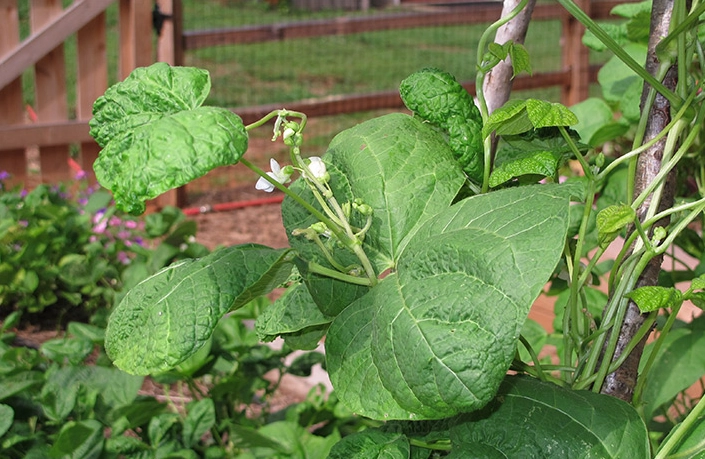
After picking, rinse beans and store them in a plastic bag in the refrigerator. They'll last up to a week. For longer storage, blanch and freeze them. I vacuum-seal mine for winter soups. If you let some pods dry on the plant, you can save seeds for next year—just ensure they're from heirloom varieties.
Expert Insights: Avoiding Common String Bean Growing Blunders
Here's where most guides fall short. After talking to other seasoned gardeners, I've noticed subtle errors that aren't often discussed.
Planting too deep: String bean seeds should only be planted 1 inch deep. Go deeper, and they struggle to emerge. I once planted at 2 inches and had patchy germination.
Ignoring soil temperature: If soil is below 60°F, seeds rot instead of sprout. Use a soil thermometer—it's a cheap tool that saves weeks of waiting.
Over-fertilizing with nitrogen: As mentioned, this promotes leaves over pods. A soil test from your local extension office can tell you exactly what your soil needs. Mine revealed low phosphorus, which I corrected with bone meal.
Not providing support for pole beans early: Set up trellises or poles at planting time. If you wait, roots get disturbed. I use a simple teepee of bamboo stakes—it's sturdy and looks nice.
These tweaks might seem small, but they've doubled my yields compared to when I started.
Frequently Asked Questions About String Bean Plants
 Growing string bean plants is a journey—you'll have successes and setbacks. But with these tips, you're set for a bountiful harvest. Remember, gardening is about observation. Watch your plants, adjust as needed, and don't be afraid to experiment. Happy growing!
Reader Comments