Hydroponic gardening lets you grow plants faster and with less water than traditional methods—I’ve seen lettuce ready in 30 days instead of 60. Forget dirt; this guide cuts through the hype and shows you how to start, based on my decade of trial and error.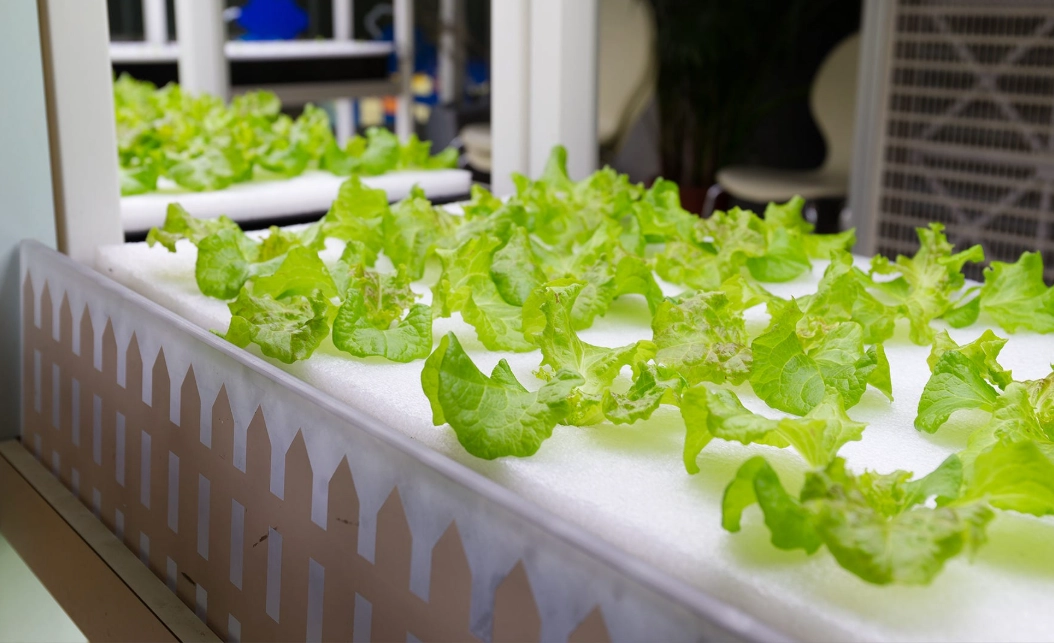
Quick Navigation: What's Inside This Guide
What is Hydroponic Gardening and Why It's a Game-Changer
Hydroponic gardening means growing plants in water enriched with nutrients, without soil. NASA uses it for space missions—that’s how reliable it is. The roots get direct access to food, so plants grow up to 50% faster. You save water too; hydroponics uses 90% less than soil gardening, according to a University of Arizona study on water-efficient agriculture.
I started because I lived in an apartment with no yard. My first attempt failed miserably—algae took over because I used a clear container. But once I switched to opaque ones, things clicked.
Benefits? Year-round harvests, no weeds, and control over nutrients. It’s not just for lettuce; I’ve grown strawberries, basil, and even small peppers indoors. The initial cost can scare people off, but DIY options keep it cheap.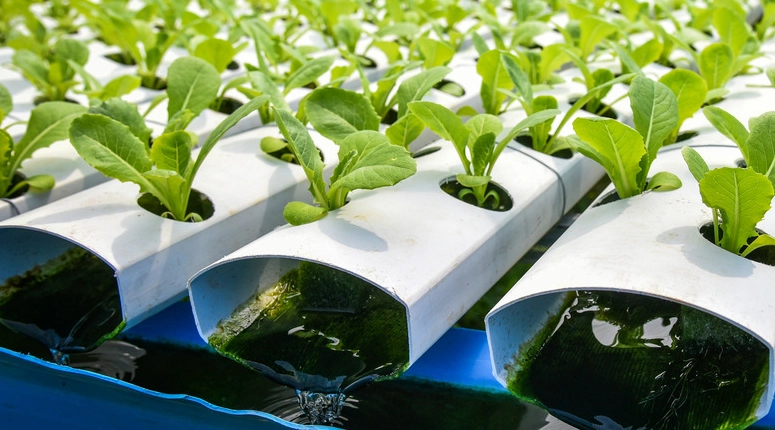
Who Should Try Hydroponics?
If you’re short on space, hate pests, or want fresh herbs in winter, this is for you. Urban dwellers, teachers, or anyone curious about sustainable food. It’s not magic, though. You’ll need to check pH levels and change water regularly. Skip that, and plants die fast.
Top 3 Hydroponic Systems for Home Gardeners Compared
Choosing a system feels overwhelming. I’ve tested them all, and here’s the breakdown. Each has pros and cons—pick based on your goals.
| System Type | Best For | Cost Range | Maintenance Level | My Personal Take |
|---|---|---|---|---|
| Deep Water Culture (DWC) | Beginners, leafy greens like lettuce | $50 - $150 | Low (check water weekly) | Easiest to start, but roots can rot if oxygen is low. I use an air stone to bubble water. |
| Nutrient Film Technique (NFT) | Herbs, strawberries, continuous harvest | $100 - $300 | Medium (monitor flow daily) | Great for small plants, but pump failures can dry roots in hours. Have a backup. |
| Ebb and Flow (Flood and Drain) | Versatile plants, including tomatoes | $150 - $400 | High (clean reservoir monthly) | My favorite for larger crops, but it’s bulky. Timer setup is crucial—I flooded my floor once. |
DWC is the gateway drug. You’ll need a bucket, net pots, and nutrients. NFT is sleek but finicky. Ebb and Flow gives flexibility but costs more. I recommend DWC for your first try—it’s forgiving.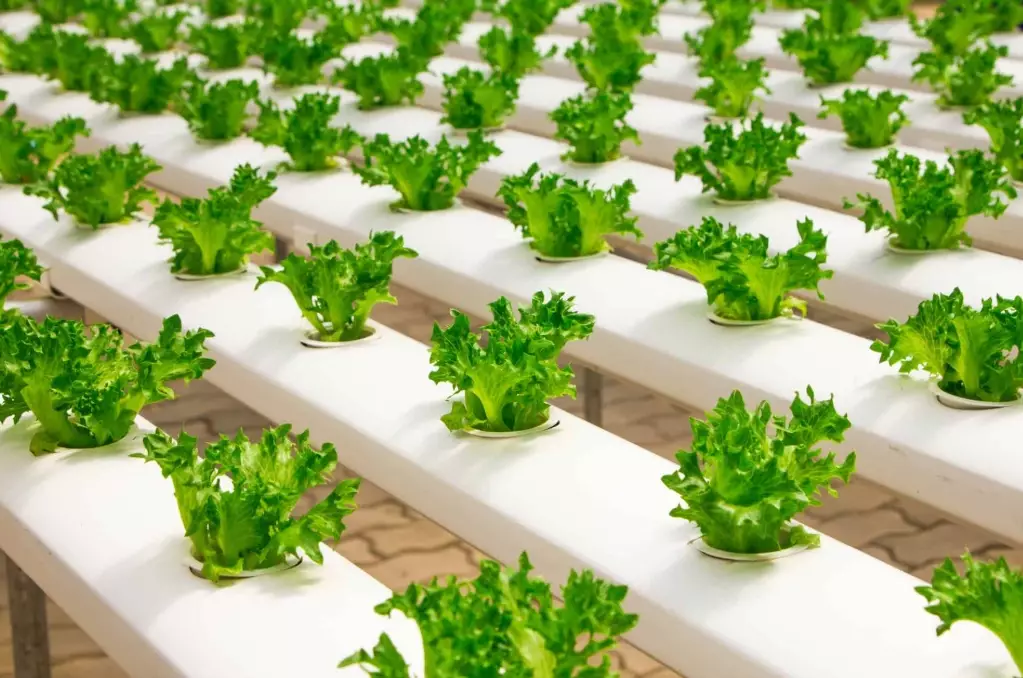
Step-by-Step: Building Your First Hydroponic Garden
Let’s build a simple DWC system. I’ll walk you through it like I’m helping a friend. This assumes you have a sunny windowsill or LED grow light.
Materials You'll Need
- 5-gallon bucket with lid (opaque, not clear)
- Net pots (3-4, size 3-inch)
- Air pump and air stone (for oxygen)
- Hydroponic nutrient solution (I use General Hydroponics FloraSeries)
- pH test kit and pH adjusters
- Growing medium like clay pellets or rockwool cubes
- Seedlings or seeds (start with lettuce—it’s resilient)
Total cost: around $80 if you shop smart. Skip the fancy stuff initially.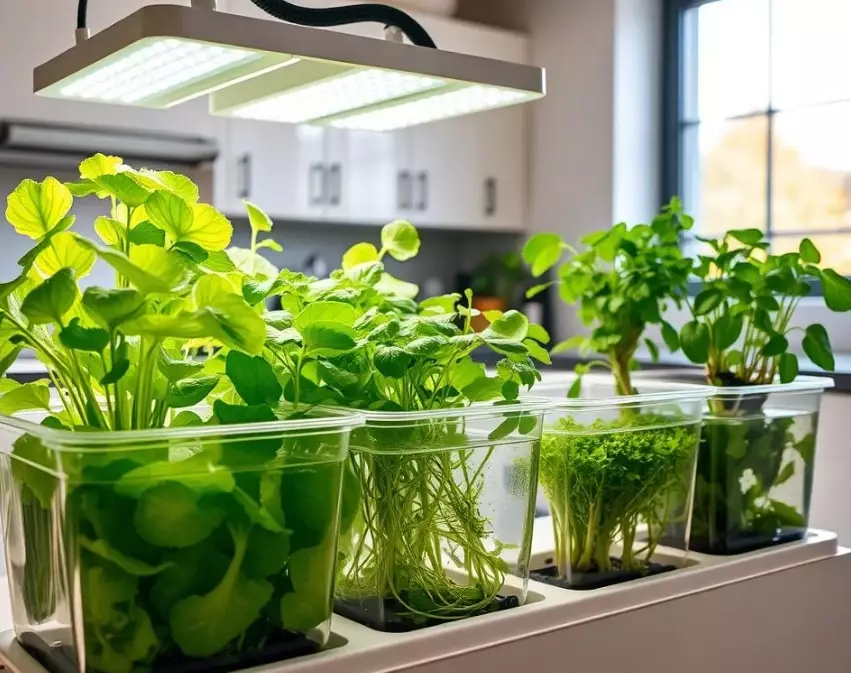
Assembly Steps
Step 1: Drill holes in the lid for net pots. Space them 6 inches apart. I messed this up by putting holes too close—roots tangled and competed for nutrients.
Step 2: Set up the air system. Place the air stone at the bucket bottom, connect to pump outside. Run it 24/7. Without oxygen, roots suffocate. I learned this the hard way with slimy, brown roots.
Step 3: Mix nutrients. Follow bottle instructions, but start at half-strength for seedlings. Fill bucket with water, add nutrients, then test pH. Aim for 5.5 to 6.5. Tap water often has high pH—use pH down solution if needed.
Step 4: Plant seedlings. Place them in net pots with clay pellets. Keep the base moist. Don’t bury stems too deep.
Step 5: Monitor and maintain. Check water level daily—top up with plain water. Test pH weekly. Change entire nutrient solution every two weeks.
Lighting? If using natural light, ensure 6+ hours of direct sun. For indoors, LED grow lights work best. I use a 30W LED panel for my setup, running 14 hours a day.
Expert Insights: Common Pitfalls and How to Dodge Them
After 10 years, I’ve seen the same mistakes repeat. Here’s what nobody tells you.
Pitfall 1: Ignoring pH and EC. pH imbalance locks out nutrients—plants starve even with food present. I use a cheap digital meter now. EC (electrical conductivity) measures nutrient strength; too high burns roots, too low stunts growth. Test both weekly.
Pitfall 2: Overcrowding plants. Roots need room. In my first NFT system, I packed in too many basil plants. They competed for light and nutrients, yielding sparse leaves. Space plants according to their size—lettuce needs 6-8 inches apart.
Pitfall 3: Using poor-quality water. Tap water with chlorine can kill beneficial microbes. Let it sit for 24 hours before use, or use a filter. Well water might have minerals that alter pH.
Pitfall 4: Neglecting temperature. Water temperature should be 65-75°F. Too cold slows growth; too hot encourages pathogens. I lost a crop to root rot when summer heat warmed the reservoir. Use a simple aquarium heater or cooler if needed.
My biggest lesson? Start small. A single bucket system teaches you more than a complex setup. Document everything—pH readings, growth rates. It helps troubleshoot later.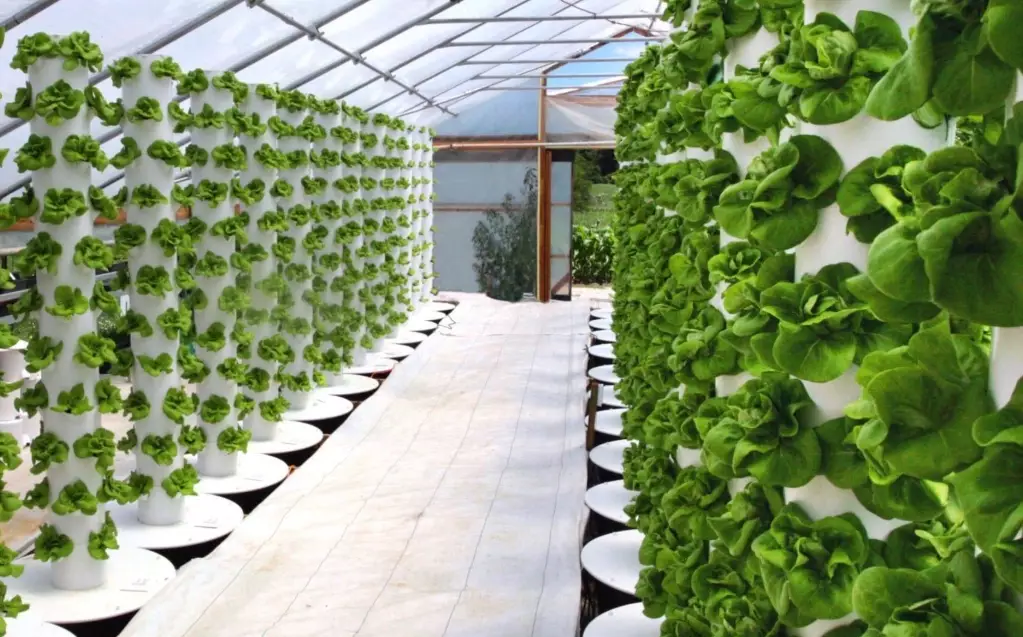
Your Burning Questions Answered (FAQ)
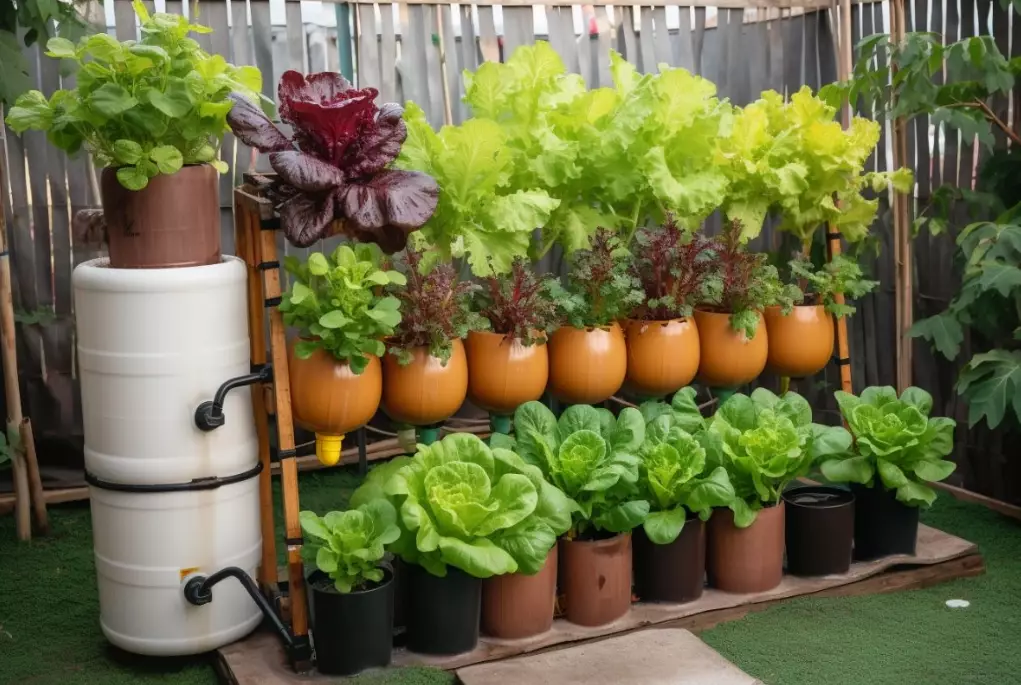 Hydroponic gardening isn’t a set-and-forget hobby. It demands attention, but the rewards—fresh, pesticide-free food at your fingertips—are worth it. Start with one bucket, learn the rhythms, and expand from there. I still mess up sometimes, but that’s part of the fun. Ready to grow?
Reader Comments