What You'll Learn in This Guide
If you're into gardening, you've probably heard that lady beetles are great for pest control. But do you know why? It all comes down to their life cycle. Understanding how these little red bugs grow and reproduce can help you make the most of them in your garden. I've been gardening for over a decade, and I've seen firsthand how a healthy population of lady beetles can turn an aphid-infested rose bush into a thriving plant in just a few weeks. Forget chemical sprays—once you get lady beetles on your side, they do the work for you, naturally.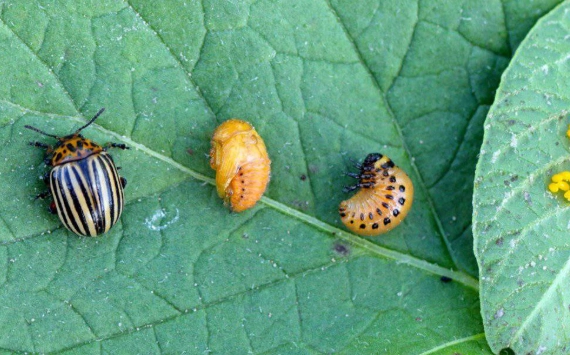
Let's cut to the chase. Lady beetles, often called ladybugs, aren't just cute; they're eating machines in their larval stage. Most gardeners focus on the adults, but that's missing the point. The real action happens when they're young. I'll walk you through every stage, share some hard-learned lessons, and give you actionable steps to turn your garden into a lady beetle paradise.
What is the Life Cycle of a Lady Beetle?
Lady beetles go through four distinct stages: egg, larva, pupa, and adult. Each stage plays a critical role in their development and pest control abilities. Here's a detailed look, based on my observations and resources like the University of California Statewide Integrated Pest Management Program.
Stage 1: The Egg
Female lady beetles lay clusters of tiny, yellow or orange eggs on the underside of leaves, usually near aphid colonies. A single female can lay up to 1,000 eggs in her lifetime. I remember finding a cluster on my broccoli plants last spring—they looked like little grains of rice stuck to the leaves. It's a sign of good things to come, because those eggs hatch in just 3 to 5 days, depending on temperature.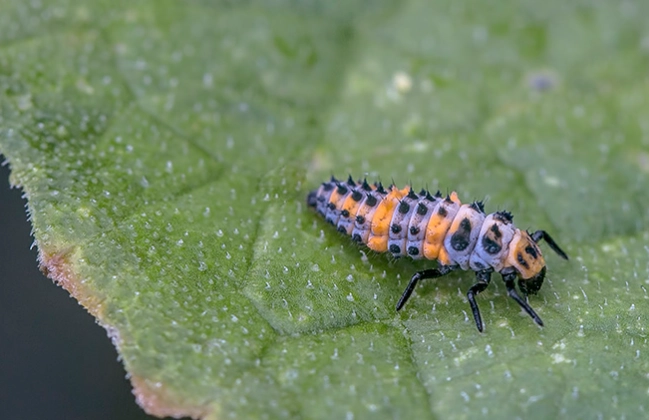
Key tip: Don't disturb these eggs! Many gardeners accidentally wash them off while watering. Use a gentle spray or water at the base of plants.
Stage 2: The Larva
This is where most gardeners get confused. The larva doesn't look anything like the cute adult beetle. It's alligator-shaped, dark-colored (often black with orange spots), and voracious. A single larva can eat dozens of aphids per day. Many people mistake them for pests and squash them, which is a huge mistake. I did that once early on, and I regret it—those larvae could have saved my kale from an aphid invasion.
Larvae are active for about 2 to 3 weeks, moving quickly across plants. They molt several times as they grow. If you see something that looks like a tiny alligator munching on aphids, leave it be. It's your best friend.
Stage 3: The Pupa
After feeding, the larva attaches itself to a leaf or stem and forms a pupa. This stage lasts 5 to 7 days. The pupa looks like a shriveled, immobile version of the larva, but inside, it's transforming into an adult. It's a resting phase, but crucial for development. Don't mistake it for dead debris—I've seen gardeners brush them off, thinking they're just dirt.
During this time, the pupa is vulnerable. Avoid pruning or disturbing plants where you see pupae.
Stage 4: The Adult
The adult lady beetle emerges, ready to feed and reproduce. Adults can live for several months, especially if they hibernate over winter. They continue to eat pests, making them long-term allies. Adults are what we typically recognize—round, red with black spots, though species vary. They can eat up to 50 aphids a day, but they also consume other soft-bodied insects like mites.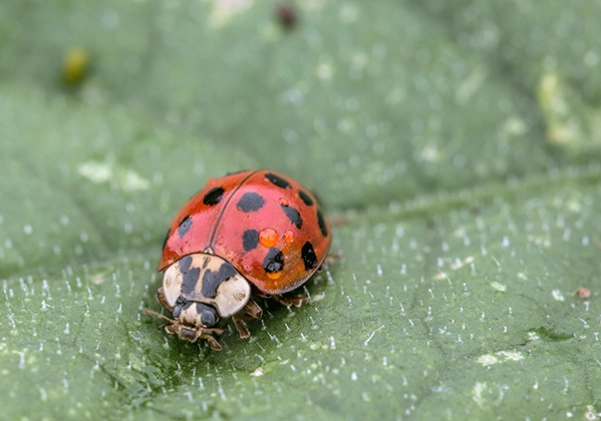
Fun fact: Not all lady beetles are red. Some are yellow, orange, or even black. In my garden, I've seen the convergent lady beetle most often, but diversity is good for pest control.
How to Attract Lady Beetles to Your Garden
Attracting lady beetles isn't just about buying a box and releasing them. You need to create a habitat they'll stick around for. Here are some concrete steps, tested in my own backyard.
Plant Diversity: Lady beetles are attracted to plants that provide nectar and pollen. I have a dedicated "insectary" bed with dill, fennel, yarrow, marigolds, and cosmos. These plants bloom at different times, offering food throughout the season. According to the Xerces Society for Invertebrate Conservation, diverse plantings support beneficial insects year-round. In my experience, yarrow is a superstar—it's low-maintenance and always covered in lady beetles in summer.
Avoid Pesticides: Even organic pesticides like neem oil can harm lady beetles. If you must spray, do it in the evening when lady beetles are less active, and use targeted applications. I learned this the hard way when I used a broad-spectrum insecticide and saw a dramatic drop in lady beetle numbers. Now, I rely on manual removal for minor infestations and let the beetles handle the rest.
Provide Water and Shelter: A shallow dish with water and pebbles can help, especially in dry weather. Lady beetles need water to survive. Also, leave some leaf litter or mulch for them to hide in. I keep a few piles of stones and logs in shady spots—they become hibernation sites in winter.
Leave Some Weeds: Sounds counterintuitive, but weeds like dandelions and clover can attract aphids, which in turn attract lady beetles. Just keep them in check so they don't overtake your garden. I have a small patch of clover near my vegetable beds, and it's a constant source of lady beetle activity.
Case Study: My neighbor had a severe aphid problem on her apple trees. Instead of spraying, she planted a border of yarrow and dill, stopped using pesticides, and added a water source. Within a month, lady beetles moved in, and the aphids were gone. She didn't buy a single beetle—they came naturally.
Common Mistakes and How to Avoid Them
Here are some pitfalls I've seen gardeners fall into, including myself early on. Avoiding these can save you time and frustration.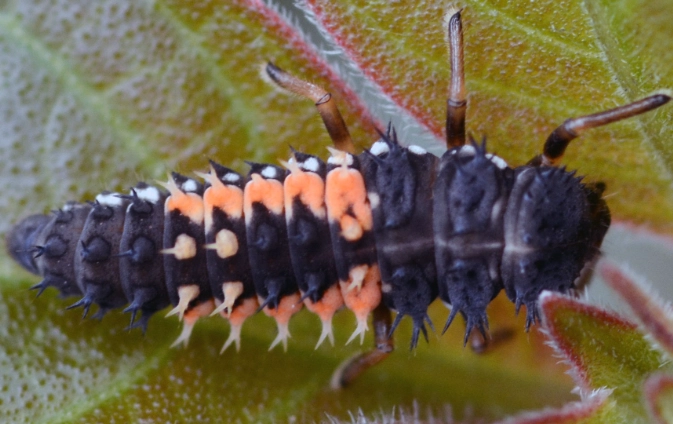
Mistaking Larvae for Pests: As mentioned, lady beetle larvae look nothing like adults. Educate yourself—look up images online or from resources like the Cornell University Cooperative Extension. Squashing them is like firing your best pest control agent. I now keep a photo on my phone to show gardening friends.
Releasing Lady Beetles at the Wrong Time: If you buy lady beetles, release them at dusk when they're less likely to fly away. Also, ensure there's food (aphids) available. I once released a batch in the morning on a sunny day, and most flew off within hours. A better approach: mist the plants with water before release to encourage them to stay and drink.
Over-relying on Purchased Beetles: Store-bought lady beetles are often collected from the wild and may not stay in your garden. Focus on creating a sustainable habitat instead. It's more effective in the long run. I've wasted money on boxes that did nothing—investing in plants was a smarter move.
Ignoring the Life Cycle Timing: Lady beetles are most active in spring and fall. If you try to attract them in midsummer when prey is scarce, they might leave. Plan your garden to have blooms and pests early in the season. I start my insectary plants in early spring to get a head start.
Lady Beetle Life Cycle: Timeline and Key Facts
Here's a quick overview of the timeline and some essential facts, based on common species like the seven-spotted lady beetle.
| Stage | Duration | Key Activity | What to Look For |
|---|---|---|---|
| Egg | 3-5 days | Laid in clusters near aphids | Tiny yellow eggs on leaf undersides |
| Larva | 2-3 weeks | Feeds aggressively on pests | Alligator-shaped, dark, fast-moving |
| Pupa | 5-7 days | Transformation occurs | Attached to leaves, immobile |
| Adult | Several months | Feeds, reproduces, may hibernate | Round, colored with spots |
Note: Timings can vary based on species and environmental conditions. For accurate data, refer to studies from institutions like the University of Florida IFAS Extension. In my zone 7 garden, I've seen cycles complete in as little as 4 weeks during a warm spring.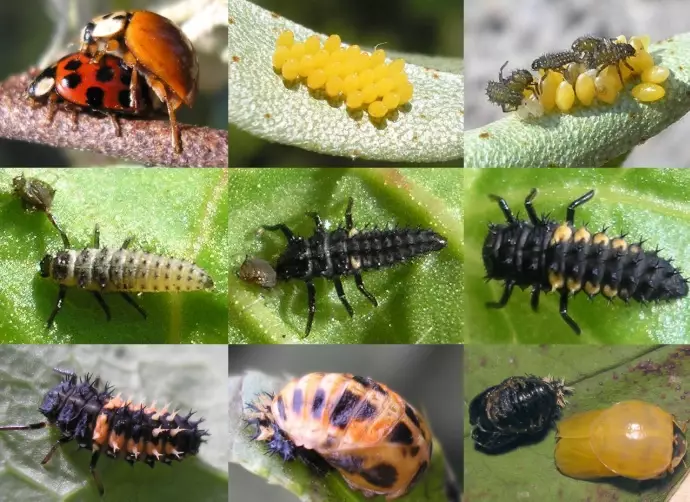
Additional facts: Lady beetles can have multiple generations per year, especially in warm climates. They hibernate in groups under leaves or in buildings during winter. Some species, like the Asian lady beetle, can become a nuisance indoors, but native species are generally better for gardens.
Frequently Asked Questions
That wraps up our guide. Remember, lady beetles are more than just pretty bugs—they're a natural solution to pest problems. By understanding their life cycle and creating a welcoming environment, you can reduce your reliance on chemicals and enjoy a healthier garden. Happy gardening!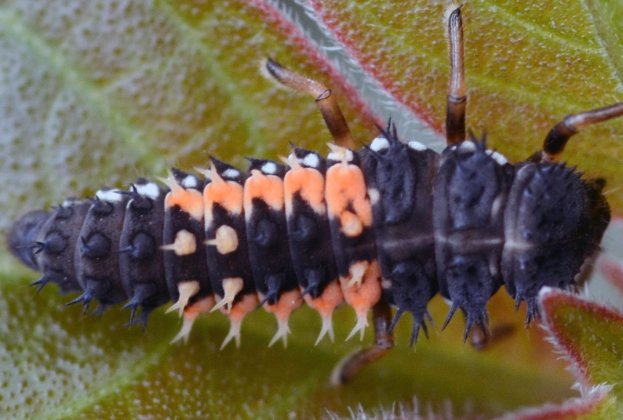
Reader Comments