Quick Guide to Raised Bed Gardening
Let's be honest. The idea of kneeling in the dirt, wrestling with weeds, and ending the day with an aching back isn't everyone's idea of a good time. I've been there. My first attempt at a traditional in-ground plot was a disaster of compacted clay, poor drainage, and slugs that threw better parties than I did. That's when I finally gave raised bed gardening a real shot. It wasn't a magic bullet, but wow, did it change the game.
A raised garden bed is essentially a large planting box, filled with good soil, that sits above the native ground. It sounds simple, and in many ways, it is. But the benefits stack up in a way that makes you wonder why you didn't start sooner. We're talking about better soil control, fewer weeds (seriously, it's a thing), easier access, and warmer soil that gets your plants off to a faster start in the spring.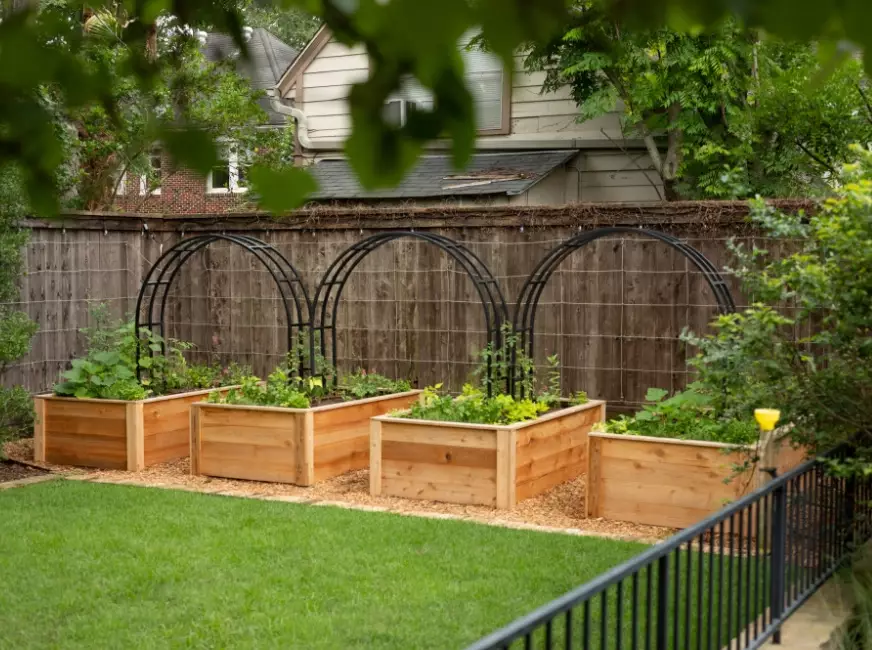
This guide is everything I wish I'd known before I built my first one. We'll skip the fluff and get into the real stuff—material choices that won't rot in two years, soil mixes that actually work, common mistakes that can ruin your harvest (I've made a few), and the simple plans you can actually follow on a weekend. Whether you're growing crisp lettuce, juicy tomatoes, or a cutting garden, a raised bed is often the best place to start.
Why Bother? The Real Benefits of Raised Bed Gardening
You see them in gardening magazines and all over Instagram, but are they just a trend? From my experience, absolutely not. The advantages are practical and immediate.
First, soil quality. This is the big one. You fill the bed with whatever mix you want. That means perfect drainage, ideal texture, and rich nutrients right from day one. No more trying to amend that stubborn, dense clay that's been in your yard for decades. According to the University of Maryland Extension, one of the primary benefits is the ability to overcome poor native soil conditions, which is a game-changer for many gardeners.
Then there's the weed and pest barrier. Starting with fresh, weed-free soil mix means fewer weed seeds. And that bottom layer between your bed and the ground? It blocks persistent weeds like creeping buttercup or quack grass from invading. For burrowing pests, a simple hardware cloth layer at the bottom is a solid defense. I didn't do this on my first bed, and a gopher enjoyed my carrots more than I did. Lesson learned.
Ease of access is a hidden luxury. As someone whose back complains after too much bending, the height of a raised garden bed is a blessing. You can build them to a height that works for you—waist-high for no bending at all, or just a foot off the ground to make weeding and planting a seated affair. The defined edges also mean no more accidentally stepping on your soil and compacting it.
And let's talk about the growing season. The soil in a raised bed warms up much faster in the spring. You can plant cool-weather crops weeks earlier. The flip side is it can dry out faster in summer heat, so that's something to plan for with mulch and consistent watering.
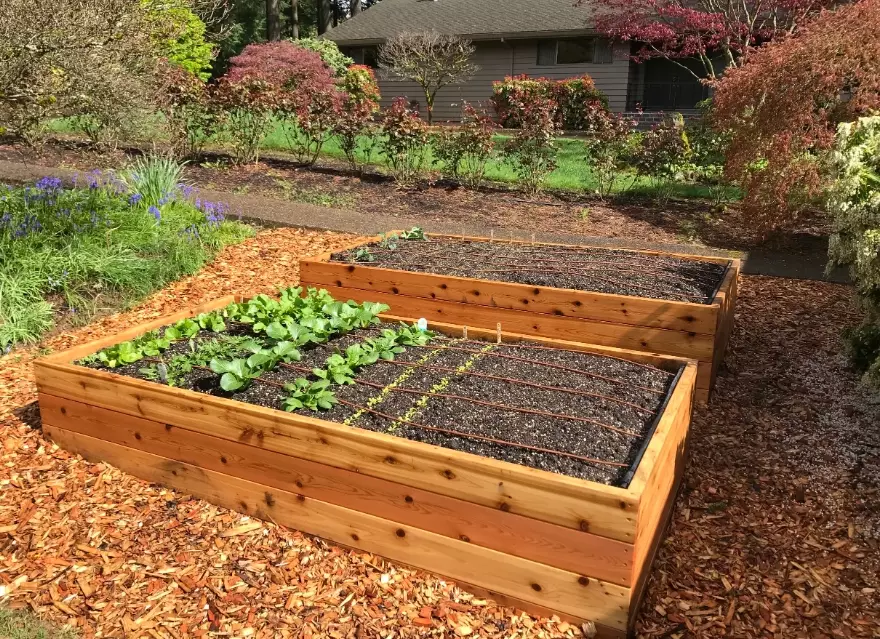 It's not just a box of dirt. It's a controlled environment for your plants.
Picking Your Materials: Wood, Metal, or Something Else?
This is where most people get stuck. The choices can be overwhelming. Cedar? Treated pine? Corrugated metal? Composite? I've tried a few, and they all have their pros and cons. Your budget, how long you want the bed to last, and your garden's style will decide this.
Let's break down the common ones in a way that makes sense.
| Material | Pros | Cons | My Take & Best For |
|---|---|---|---|
| Cedar or Redwood | Naturally rot-resistant, beautiful aging (silver-grey), non-toxic. | Expensive. Can still decay over many years. | The classic, worry-free choice if budget allows. Looks great forever. |
| Pressure-Treated Pine (Modern) | Very affordable, long-lasting, readily available. | Older treatments had arsenic; modern ones use copper, but some gardeners still avoid it for edibles. | Perfectly safe according to current research (like from the USDA Forest Products Lab). I use it for ornamental beds without a second thought. |
| Corrugated Metal | Modern, industrial look, very durable, no rot. | Can get VERY hot in full sun, potentially cooking soil roots. Sharp edges need capping. | Looks cool but needs shade or cooler climates. Line the inside with wood if you're worried about heat. |
| Composite Lumber | Made from recycled plastic/wood, never rots, low maintenance. | Can be pricey, may flex/bow on long spans, not as rigid as wood. | Great for a forever bed if you don't love the rustic wood look. Ensure good internal support. |
| Cinder Blocks or Bricks | Permanent, inexpensive, heavy (no shifting). Hollow blocks create planting pockets. | Very heavy to move, can leach lime and raise soil pH over time, industrial aesthetic. |
What did I choose? For my main veggie beds, I went with cedar. Yeah, it hurt the wallet a bit upfront, but five years in, they look and feel as solid as day one. For a flower bed on the side of my house, I used modern pressure-treated lumber. No issues, and the savings were significant.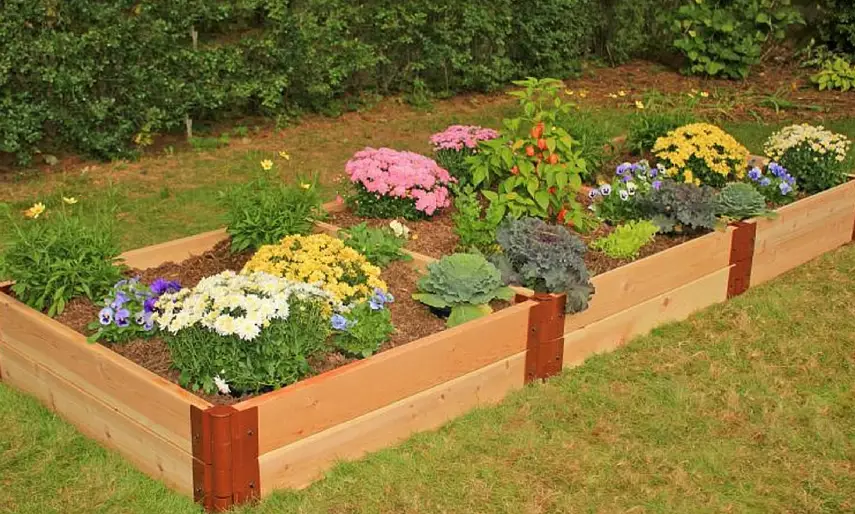
Size and Shape: Thinking Before You Build
This seems trivial, but getting the dimensions wrong is a common frustration. The golden rule: Don't make it so wide you can't reach the middle. If you have access from both sides, 4 feet wide is perfect. If it's against a wall or fence, keep it to 2 or 3 feet wide. Length is flexible, but very long beds can bow outward from soil pressure unless braced.
Depth is crucial. For most vegetables (tomatoes, peppers, squash), a minimum of 12 inches is good. For root crops like carrots or parsnips, aim for 18-24 inches. Deeper raised garden beds hold more soil volume, which means more nutrients and moisture for your plants, and less frequent watering. My first bed was only 8 inches deep, and my tomatoes were constantly thirsty. I won't make that mistake again.
The Build: A Simple, Sturdy Raised Bed Plan
You don't need to be a master carpenter. The simplest design is a rectangle made from four boards and some corner posts. Here's a straightforward plan for a 4'x8' bed that's 16" deep, using 2"x8" boards (which are actually 1.5"x7.25").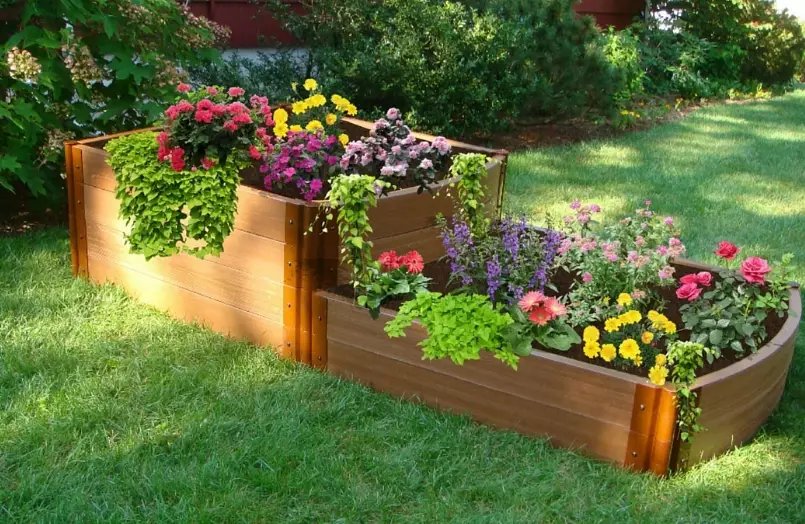
What You'll Need:
- Three 8-foot-long 2"x8" boards (cedar, pine, etc.)
- Four 18-inch-long 4"x4" posts (for corner braces)
- Exterior-grade wood screws (3.5" long)
- Drill/driver, saw (if boards need cutting), level, tape measure
- Optional: Hardware cloth (½ inch mesh) for the bottom, staple gun.
The Step-by-Step:
- Cut your boards. Cut one of the 8-foot boards in half to get two 4-foot pieces. You'll now have two 8ft boards (for the long sides) and two 4ft boards (for the ends).
- Prep the corner posts. Your 4x4 posts are your corner braces. They will sit inside the corners, giving the structure strength.
- Assemble the first layer. Stand a long board on its edge. Position a 4x4 post at one end, flush with the ends. Drive two screws through the board into the post. Repeat with the short board to form an L-shape corner. Do this for all four corners to make a basic box. Check for square by measuring the diagonals—they should be equal.
- Add the second layer. Place your second long board on top of the first, staggering the seams so they don't line up over the corner (this adds strength). Screw it into the 4x4 post. Repeat with the short boards. Now your bed is two boards high (about 15" tall).
- Level and situate. Move your frame to its final, sunny location. Use a level on top to make sure it's even. You can shim the low corners with flat stones if your ground is uneven.
- The Bottom Layer (Optional but Recommended). If you have burrowing pests or persistent weeds, staple a layer of hardware cloth to the bottom inside of the frame. It lets water and worms through but stops gophers and moles. For just weeds, a layer of plain cardboard works wonders as a biodegradable barrier.
See? No fancy joinery needed. The 4x4 corners lock it all together. This is a solid, beginner-friendly raised garden bed plan that will last for years.
The Secret Sauce: Filling Your Raised Garden Bed
This is the most important step, and where many garden centers give bad advice. Do NOT just fill it with bags of topsoil or, heaven forbid, dirt from your yard. You're creating a premium home for roots. They need a mix that's rich in organic matter, retains moisture but drains well, and is teeming with life.
Filling a large raised garden bed with pure bagged potting mix can get incredibly expensive. The smart, cost-effective method is called “lasagna gardening” or layered filling.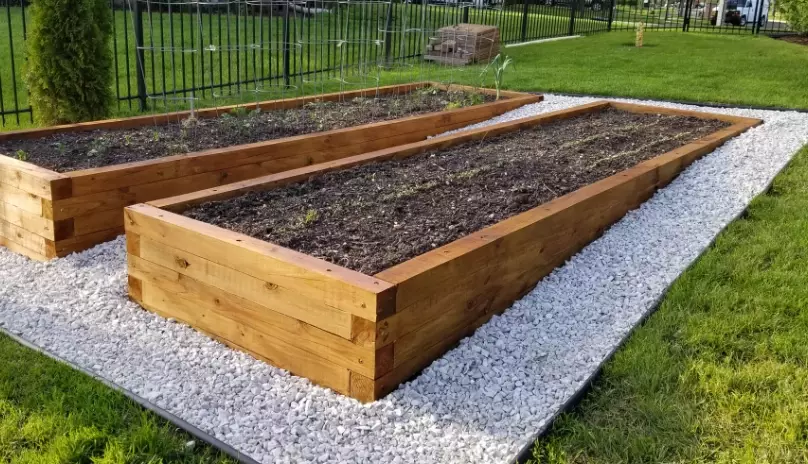
The Perfect, Affordable Soil Recipe:
- Bottom Layer (Drainage & Bulk): If your bed is deep (over 18"), fill the bottom third with coarse materials like small branches, twigs, dried corn stalks, or even empty plastic bottles with lids on (to take up space). This improves drainage and saves on soil cost.
- Middle Layer (The Compost Engine): Add 6-8 inches of “brown” and “green” organic matter. Think fallen leaves, grass clippings (without herbicide), straw, unfinished compost, even newspaper or cardboard. This layer will break down slowly, feeding your plants from below.
- Top Layer (The Planting Zone): The top 12 inches should be your premium planting mix. A classic, proven recipe is known as “Mel's Mix,” popularized by the Square Foot Gardening method. It's equal parts:
- Compost: Get several different kinds (mushroom, worm, manure-based, plant-based) to ensure a diversity of nutrients and microbes.
- Peat Moss or Coconut Coir: For moisture retention. Coir is a more sustainable alternative to peat.
- Coarse Vermiculite: For aeration and drainage. It's light and helps keep the soil fluffy.
Resources like the Oregon State University Extension Service provide excellent, science-backed guides on soil preparation for raised beds, which can help you tailor the mix to your local climate.
Remember, soil settles. Fill your bed a little higher than you need, as it will compact after the first few waterings.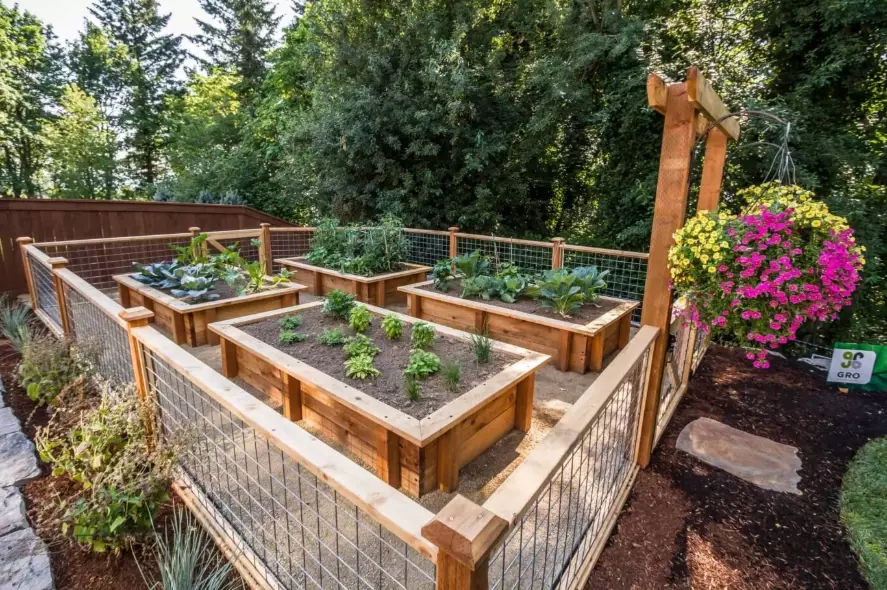
Planting and Maintaining Your Raised Bed Oasis
Now for the fun part. The loose, fertile soil in a raised bed allows you to plant more intensively than in the ground. You can use square foot gardening techniques to maximize yield. Instead of long, single rows with wasted space, you divide the bed into a grid and plant a different crop in each square.
For example, in one square foot you can plant: 16 carrots, 9 bush beans, 4 lettuce plants, or 1 tomato (staked vertically). This method dramatically increases your harvest from a small space.
Watering is different. Raised beds drain well, which is great, but they can dry out fast in summer. Drip irrigation or a soaker hose snaked through the bed is the absolute best investment you can make. It delivers water directly to the roots, minimizes evaporation, and keeps leaves dry to prevent disease. Hand watering is fine, but you'll need to do it more often and less evenly.
Feeding your soil. That amazing soil mix isn't a forever buffet. You need to replenish it. Each season, top-dress with an inch or two of fresh compost. You can also use organic fertilizers like fish emulsion or seaweed extract during the growing season for heavy feeders like tomatoes and corn. Think of it as replenishing the pantry.
Seasonal Care and Long-Term Success
A raised garden bed isn't a build-it-and-forget-it project. A little seasonal care keeps it productive for years.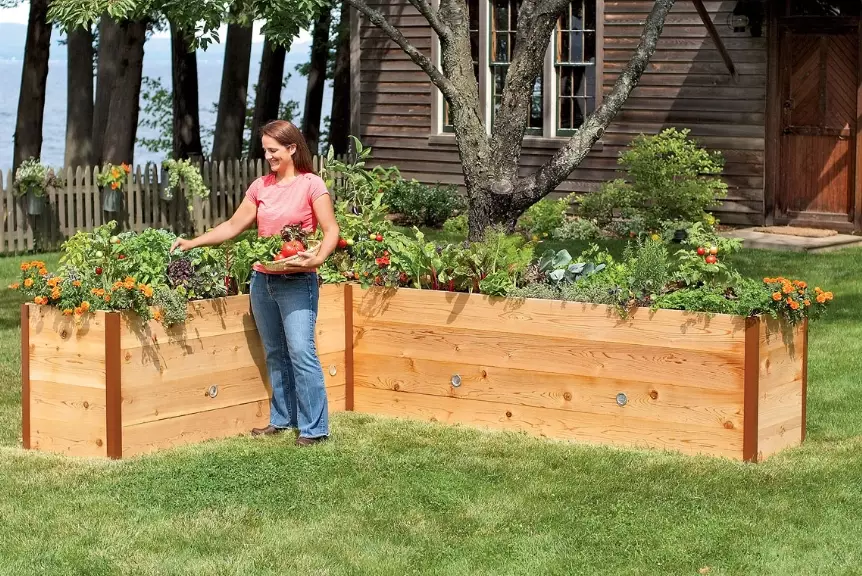
At the end of the season, pull spent plants. Don't leave them to rot and harbor disease. Add a thick layer of compost or well-rotted manure and cover the bed with leaves or straw. This protects the soil from winter erosion and feeds the worms.
Crop rotation is easier in raised beds because they're so defined. Don't plant the same family of plants (e.g., tomatoes, peppers, eggplant are all nightshades) in the same spot year after year. This helps prevent soil-borne diseases and nutrient depletion. Keep a simple garden journal—just a note of what was where each year.
Every few years, you might need to do a full soil refresh. The soil level will have dropped from decomposition and harvest. Remove the top 6-8 inches, mix in generous amounts of new compost and other amendments (like peat or vermiculite if the soil has compacted), and refill. It's like giving your garden a spa day.
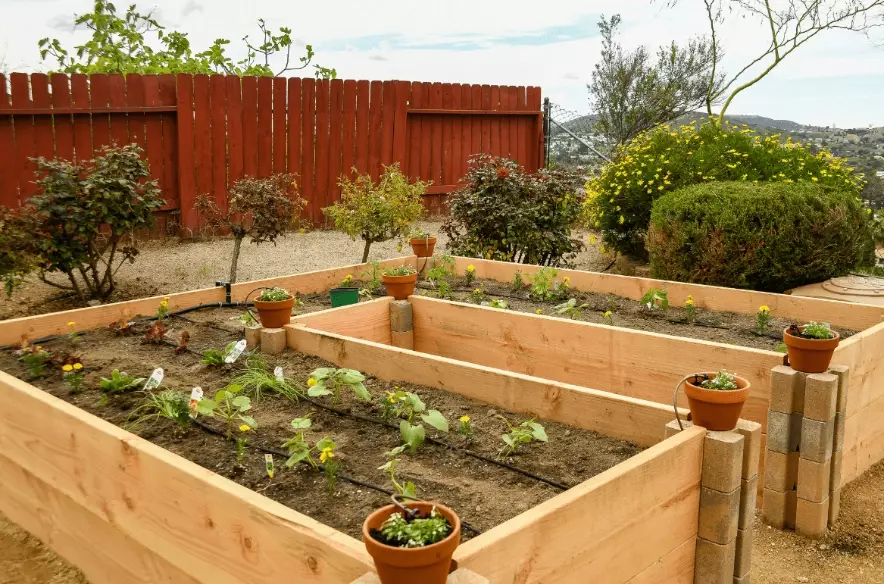 The best garden is the one you actually enjoy spending time in.
Starting a raised garden bed might seem like a project, but it breaks down into manageable steps. Pick your spot, choose your materials, build a simple frame, fill it with fantastic soil, and plant what you love to eat. You'll make mistakes—we all do. My first bed had terrible drainage because I didn't level it. Another time, I planted zucchini way too close to everything else. But each mistake is a lesson that sticks with you.
The reward is worth it. There's nothing quite like walking out your back door and picking a sun-warmed tomato you grew yourself, from soil you built, in a bed you made. It turns gardening from a chore into a creative, satisfying escape. So grab some boards, get your hands dirty, and start building your own little patch of abundance.
Reader Comments