Quick Navigation
So you're thinking about starting a garden. Good for you. You've probably seen those beautiful raised beds all over social media and gardening shows, and now you're stuck on the first big question: should you buy a kit or build one yourself? More specifically, you're wondering, is it cheaper to buy or make raised garden beds? It feels like a simple question, but the answer is anything but. It's a mix of money, time, skill, and what you actually want from your garden.
Let's be honest. Most articles give you a fluffy "it depends" and call it a day. Not helpful. I've been there. I've bought the overpriced kits that arrived with splintery wood, and I've also spent a sweaty Saturday building my own, only to realize I forgot to factor in the cost of soil. Oops.
We're going to tear this question apart. We'll look at real numbers, the stuff they don't tell you in the store, and the long-term value. This isn't just about the price tag on a box of screws versus a pre-made box. It's about what you're getting for your money, your time, and your sanity.
The Real Cost Breakdown: Materials, Labor, and Hidden Surprises
To figure out if it's cheaper to buy or make raised garden beds, you have to compare apples to apples. A flimsy plastic bed from a big-box store isn't the same as a cedar DIY project. Let's break down the costs you'll face with both paths.
The Core Question: When people ask "is it cheaper to buy or make raised garden beds?", they're usually just thinking about the upfront cash. But the true cost includes your time, tools, materials, and how long the thing lasts before it rots or falls apart.
Cost of Buying a Raised Garden Bed Kit
You go online or to the garden center, pick a box, pay, and assemble. Seems straightforward. The price range is wild.
You've got your basic composite plastic or thin metal panels. These can start as low as $30 for a small one. They feel... cheap. They might warp in the sun or crack after a few freeze-thaw cycles. Then you move into the mid-range: decent cedar or redwood kits, often with corner brackets. These can run you $100 to $300 for a 4'x8' size. At the top end, you're looking at fancy corrugated metal beds, elaborate modular systems, or massive redwood planters that can cost $500 or more.
Here's the thing they don't advertise. The kit price almost never includes soil. And soil is the single biggest hidden cost in any raised bed project. Filling a 4'x8' bed that's 12 inches deep takes about 32 cubic feet of soil. If you buy bagged garden soil, that's easily another $50-$100. If you need a truckload of topsoil mix delivered, it's a different calculation.
I bought a nice-looking cedar kit once. The wood was okay, but the hardware was flimsy. I ended up buying heavier-duty screws anyway. So add another $10 to the "convenience" fee.
Cost of Making (DIY) a Raised Garden Bed
This is where you need a pencil and paper. The DIY route gives you total control, but total responsibility for the math.
Your main cost is lumber. Untreated pine is the cheapest but will rot in maybe 3-5 years. Cedar or redwood is the gold standard for rot resistance and can last 10-15 years, but it costs 3-4 times more per board foot. Then there's hardware: galvanized or stainless-steel screws (don't use regular ones, they'll rust), and maybe corner brackets for extra strength.
Sample Shopping List for a 4'x8'x12" Cedar Bed:
- (4) 2"x12"x8' Cedar Boards: ~$40-$60 each = $160-$240
- Box of 3.5" Exterior Deck Screws: ~$10-$15
- (Optional) 4x4 Corner Posts for stability: ~$20-$30
- Total Material Range: $190 - $285
See? A DIY cedar bed can hit the same price point as a mid-to-high-end kit. But your wood is likely thicker, higher quality, and cut exactly to your specifications.
But wait. Do you own a drill? A saw? A tape measure? If you don't, you're either buying tools (a significant new cost) or borrowing them (a cost in favors). Your time has value too. A simple rectangular bed might take a novice 2-3 hours to build. Is your Saturday afternoon worth $50 an hour to you? That's a personal calculation.
Let's look at this in a table to make it clearer. These are estimates for a standard 4' x 8' bed, about 12 inches deep, in the US market. Prices fluctuate with location and inflation.
| Cost Factor | Buying a Kit (Mid-Range Cedar) | DIY Build (Cedar) |
|---|---|---|
| Primary Materials | $150 - $300 (for the kit) | $160 - $285 (for lumber & screws) |
| Soil to Fill It | $50 - $150 (NOT included) | $50 - $150 (NOT included) |
| Tools Required | Usually just a screwdriver/mallet (included) | Drill, Saw, Measuring Tape ($0 if owned, $100+ if not) |
| Your Time | 30 mins - 2 hours (assembly) | 2 - 4 hours (shopping, cutting, building) |
| Customization | Limited to kit design/size | Unlimited (any size, shape, height) |
| Material Quality | Varies; often thinner wood | You control it; can pick the best boards |
| Longevity | 5-10 years (depends on kit) | 10-15+ years (with proper wood & care) |
Looking at that table, the upfront cash answer to "is it cheaper to buy or make raised garden beds?" is... it's a tie. Seriously. For a comparable material (cedar), the raw material costs are in the same ballpark. The kit might save you $20 but give you thinner wood. The DIY might cost $20 more but be sturdier.
The real savings in DIY come from two places: using cheaper lumber (like pine) or building non-standard sizes that are more efficient with materials. Or, if you're really savvy, sourcing free or reclaimed materials. But that's a whole other skillset.
Beyond the Price Tag: The Pros and Cons That Actually Matter
Cost isn't just dollars. It's value over time, effort, and headache. Let's weigh the real-world pros and cons.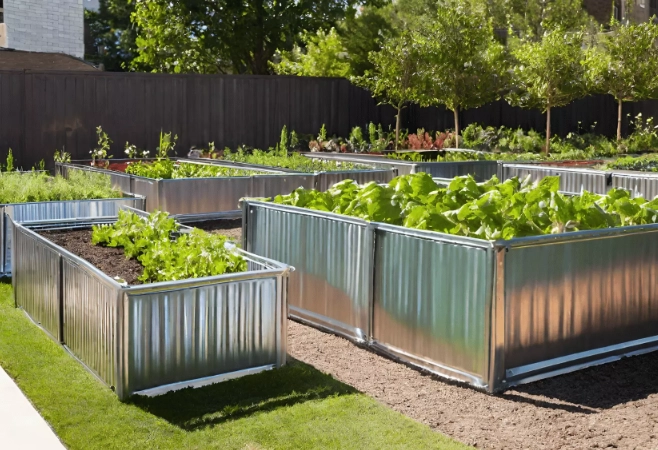
Why Buying a Kit Can Be the Right Choice (Even If It's Not Cheaper)
Convenience is king. You get a box with all the parts, pre-cut, usually with hardware and instructions. No trips to the lumberyard, no wrestling with a saw. For many people, especially beginners or those with limited time or physical ability, this is worth every penny. It lowers the barrier to entry.
Some kits also offer clever designs that are hard to DIY easily—think modular connecting systems, integrated trellises, or curved shapes. If you want a specific look that's beyond basic carpentry, a kit is your only option.
My Take: I recommend kits to friends who are all thumbs with tools or who just want to get plants in the ground ASAP. The mental cost of learning a new skill is real, and sometimes you just want to garden, not become a carpenter.
But the downsides are real. Quality control is a lottery. I've seen kits where the boards are warped right out of the box. Sizes are fixed. Need a bed that's 5 feet wide to fit your space perfectly? Tough luck. And the longevity can be disappointing. That cheap plastic or thin metal might not survive more than a few seasons, making the "cheaper" upfront cost a false economy.
Why Making Your Own is Often the Smarter Long-Term Play
Control. You build it to last. You can use the thickest cedar, seal the joints properly, and add reinforcements where you know soil pressure will be high. You can build it exactly to your body's height to save your back (a huge benefit!). You can make it 30 inches wide instead of 24 if that's what your space needs.
The cost per square foot of growing space often goes down when you DIY larger or multiple beds, as you buy lumber in more efficient quantities. And there's a deep satisfaction in growing food in something you built with your own hands. That's not a monetary value, but it's a real one.
The cons are obvious. It requires tools, space to work, and basic skills. There's a learning curve. A mistake in measuring can waste a $50 board. And the time investment is significant, especially for your first one.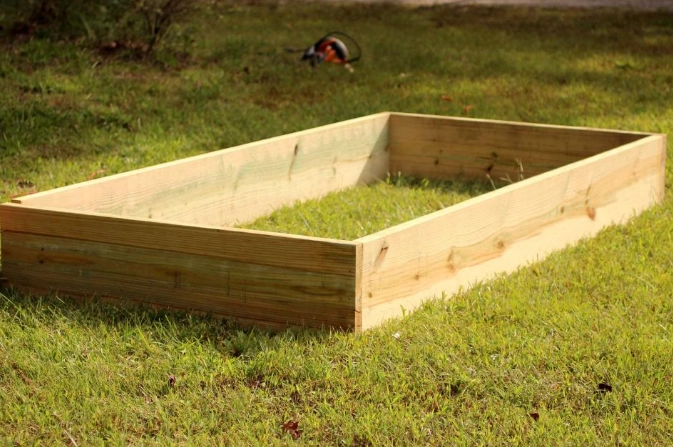
Big DIY Mistake to Avoid: Using treated wood (like ACQ or CA-B) from before 2003 is a definite no-go due to arsenic. Modern pressure-treated lumber (marked for ground contact) is generally considered safe for gardens by organizations like the USDA Forest Service, but many organic gardeners still prefer to avoid it. Cedar is the worry-free premium choice.
So, What's the Final Verdict? Is It Cheaper to Buy or Make Raised Garden Beds?
Here's my honest conclusion, after building a few and buying a few.
If you want a single, standard-sized bed (like 4'x4' or 4'x8') and value your time and convenience highly, buying a quality cedar or metal kit is a fantastic choice. The price difference is minimal, and you'll be gardening that same afternoon. Shop for kits with good reviews about wood thickness and hardware quality.
But.
If you need multiple beds, non-standard sizes, extra height for accessibility, or you just enjoy building things, making your own is almost always the better financial and functional decision. The initial cash outlay might be similar, but you get a superior, custom product that will last longer. The savings compound if you build more than one.
The absolute cheapest way to get a raised bed? DIY with untreated pine or fir. It might only last 4-5 years, but the initial cost is low. It's like a starter bed. Or, get creative with reclaimed materials like cinder blocks or rough-sawn lumber from a local mill. But that's for the more adventurous gardener.
Ultimately, asking is it cheaper to buy or make raised garden beds is the right first question, but your final answer should also consider: How many do I need? How handy am I? How long do I want it to last? What's my time worth right now?
Your Decision Checklist & Next Steps
Stuck? Walk through this list.
- Budget: What's your total budget, INCLUDING soil and compost? (Don't forget this!)
- Quantity & Size: Are you building one bed or several? Do you need a specific size?
- Longevity: Is this a temporary experiment or a permanent garden feature?
- Skills & Tools: Do you own a drill and a saw? Are you comfortable using them?
- Time: Do you have a free weekend to build, or do you need it done in an hour?
- Physical Needs: Would a taller bed (24"-36" high) be better for your back? That's much easier to DIY.
If you decide to buy, research is key. Read reviews focusing on material thickness and hardware. Look for companies that specialize in gardening products.
If you decide to build, start with a simple plan. University extension services are a treasure trove of free, practical plans. For example, the University of Minnesota Extension has excellent guides on construction basics and sizing. Their expertise is reliable and focused on success.
Answers to Other Questions You're Probably Asking
Let's tackle some related queries that pop up when you're deep in this decision.
What's the best wood to use if I DIY?
Eastern White Cedar or Western Red Cedar are the top choices. Rot-resistant, insect-resistant, and beautiful. Redwood is similar but often pricier. Avoid woods like hemlock or spruce for ground contact—they rot quickly. If using pine, know it's a short-term solution.
Can I use pallets to make a free raised bed?
You see this all over Pinterest. Be extremely careful. Many pallets are treated with methyl bromide (marked MB) or are contaminated with chemicals from spilled goods. Only use pallets marked HT (Heat Treated). Even then, they're often made of lousy wood that splits easily. For a decorative flower bed, maybe. For growing vegetables you'll eat, I'd spend the money on known-safe lumber. Your health isn't worth the $50 savings.
How deep should my raised bed be?
For most vegetables (tomatoes, peppers, squash), 12 inches is the absolute minimum. 18-24 inches is better, especially for root crops like carrots and parsnips. One of the best perks of DIY is building deep beds without paying a massive kit premium for extra height. The Old Farmer's Almanac, a trusted gardening resource for centuries, has great depth recommendations for specific crops.
Do I need to line the bed?
If you're putting it on a lawn or area with weeds, lining the bottom with cardboard or several layers of newspaper helps smother grass. Don't use plastic—it prevents drainage and creates a soggy mess. For sides, lining isn't necessary with rot-resistant wood, but it can extend the life of cheaper wood slightly.
Is a metal or plastic bed better than wood?
Corrugated metal beds (like galvanized steel) are trendy and can last decades. They heat up soil faster in spring, which can be good or bad depending on your climate. Plastic (especially recycled composite) is low-maintenance but can degrade with UV exposure over time. Wood offers the best balance of cost, aesthetics, and function for most people. It's also easier to repair a wooden bed.
So, there you have it. The question of is it cheaper to buy or make raised garden beds doesn't have a one-size-fits-all answer, but now you have the framework to find your own. Weigh the real costs, be honest about your skills and time, and think about the long haul. Whether you buy or build, the real payoff comes when you harvest your first homegrown tomato. That's priceless.
Just start. Get something in the ground. You can always build a better bed next season.
Reader Comments