Quick Navigation
- Before You Buy a Single Plant: The Non-Negotiable First Steps
- The Core Categories of Landscaping Plants: Building Your Palette
- The Low-Maintenance Landscaping Plants Hall of Fame
- Design Principles: Making Your Landscaping Plants Look Intentional
- The Nitty-Gritty: Buying, Planting, and Caring for Your Landscaping Plants
- Problem-Solving with Landscaping Plants
- Answering Your Biggest Questions About Landscaping Plants
Let's be honest. Staring at a bare yard or a garden that just doesn't feel right can be incredibly frustrating. You flip through magazines, scroll through endless Pinterest boards full of perfect gardens, and think, "I want that." But then you go to the nursery, and you're hit with a wall of green. So many names, so many tags, so many promises. Which ones will actually work for you? Which ones will die in six months, and which ones will take over your entire yard? That's the real question, isn't it?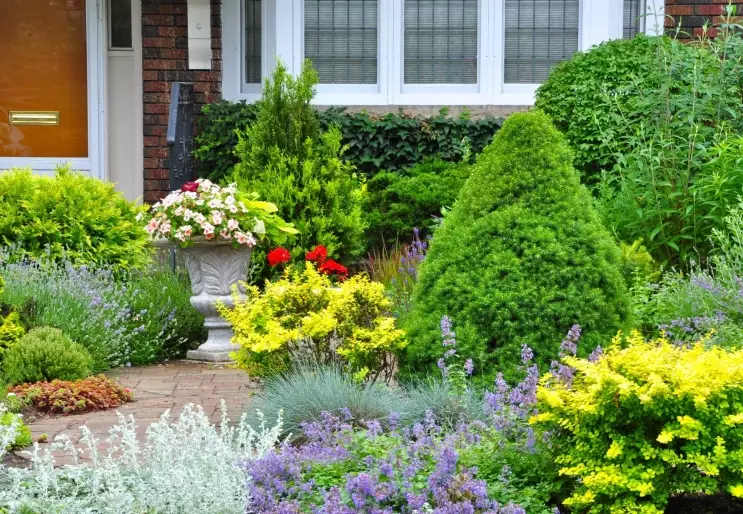
This guide is here to cut through the noise. We're not just talking about pretty flowers (though we'll get to those). We're talking about building a living, breathing framework for your outdoor space using the right landscaping plants. Plants that suit your climate, your soil, your time, and honestly, your patience level. I've killed my fair share of plants trying to force things that weren't meant to be, so let's learn from those mistakes together.
Before You Buy a Single Plant: The Non-Negotiable First Steps
Jumping straight to picking plants is like building a house without a blueprint. It might look okay for a bit, but things will fall apart. Trust me, I've been there.
First, you need to become a detective in your own yard. Spend a few days just observing.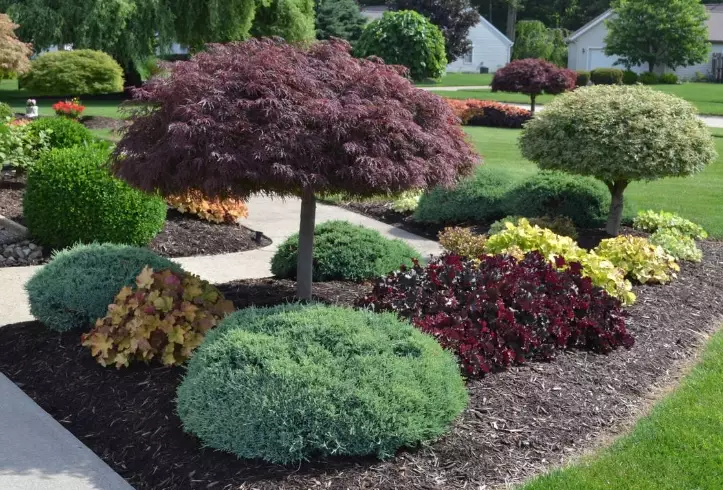
Understanding Your Sunlight
Is that spot "full sun" like the tag says? Full sun means at least 6 hours of direct, unfiltered afternoon sun. "Part shade" often means morning sun and afternoon shade, which is very different from dappled light under a tree. I once planted a sun-loving lavender in what I thought was a sunny corner, only to realize the neighbor's fence cast a shadow for half the afternoon. It sulked for a year before I moved it.
Knowing Your Soil
Get your hands dirty. Literally. Is your soil thick, red, and sticky (clay)? Is it pale and gritty (sandy)? Does water pool on top or drain away instantly? You can get a formal soil test from your local cooperative extension office (like the one from University of Maryland Extension), which is fantastic for pH and nutrient levels. But a simple squeeze test tells you a lot. Grab a handful of moist soil, squeeze it. If it forms a tight ball that doesn't crumble, it's clay. If it falls apart immediately, it's sandy. Loam is the gold standard—it holds together loosely then breaks apart.
The All-Important Hardiness Zone
This is the biggest filter for your plant choices. The USDA Plant Hardiness Zone Map tells you the average annual extreme minimum winter temperature for your area. If a plant is labeled "hardy to zone 7" and you live in zone 5, it will likely die in the winter. No amount of love will change that. You can find your zone on the official USDA website. This isn't a suggestion; it's a survival guide for your plants.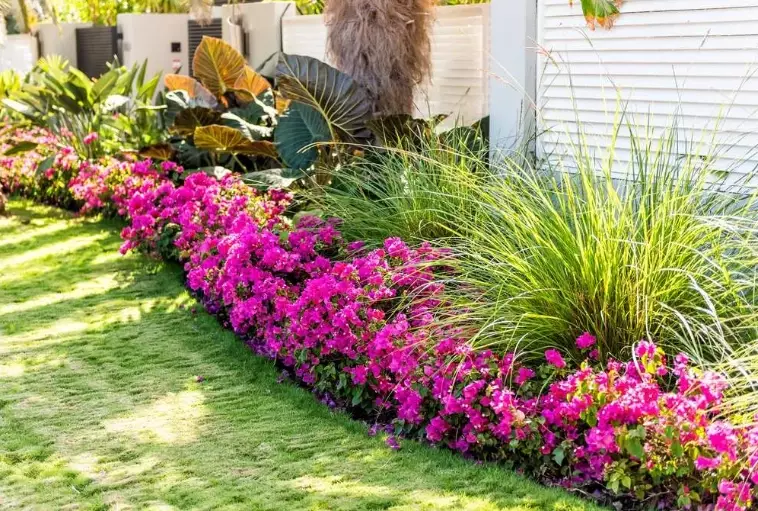
What's your goal? Do you want a low-maintenance, green backdrop? A pollinator paradise buzzing with bees and butterflies? A tropical oasis? Curb appeal that makes the neighbors slow down? Your goal dictates your plant choices more than anything.
The Core Categories of Landscaping Plants: Building Your Palette
Think of your landscape like a painting. You need structure, background, mid-layer interest, and pops of color. Different types of landscaping plants fill these roles.
Trees and Shrubs: The Bones of the Garden
These are your long-term investments. They provide height, structure, shade, and privacy. A common mistake is planting them too close to the house or to each other. That cute little sapling can become a monster that threatens your foundation. Always research the mature width, not the size in the pot.
Some of my favorite workhorse shrubs for structure are:
- Boxwood: Classic, tidy, great for hedges. Can get boxwood blight, which is a bummer.
- Hydrangeas: Bigleaf varieties (like Endless Summer) give amazing summer color but can be fussy about water. Panicle hydrangeas (like Limelight) are much tougher and bloom on new wood.
- Ornamental Grasses: Not a shrub technically, but they provide incredible structure and winter interest with very little care. Karl Foerster Feather Reed Grass is a superstar.
Perennials: The Reliable Repeat Performers
These are the plants that come back year after year. They die back in winter and re-emerge in spring. They form the main body of your flower beds. The key with perennials is to plant for succession of bloom—so you always have something interesting happening.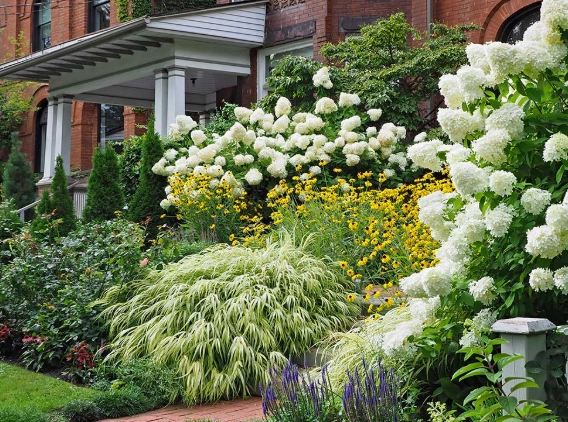
| Plant Name | Sun Needs | Bloom Time | Why It's Great | Watch Out For |
|---|---|---|---|---|
| Coneflower (Echinacea) | Full Sun | Summer to Fall | Extremely tough, drought-tolerant, loved by pollinators. New varieties come in amazing colors. | Can get floppy if soil is too rich. May need staking. |
| Black-eyed Susan (Rudbeckia) | Full Sun to Part Sun | Mid-Summer to Fall | A cheerful, no-fuss workhorse. Spreads readily to fill space. | It spreads! Can be aggressive in ideal conditions. |
| Hostas | Part Shade to Full Shade | Summer (foliage plant) | The king of shade gardens. Incredible foliage in blues, greens, golds, and variegated forms. | Slugs and deer think they're a gourmet salad bar. |
| Russian Sage (Perovskia) | Full Sun | Mid-Summer to Fall | Airy, lavender-blue spikes. Loves heat and drought. Great texture. | Can be slow to emerge in spring. Don't give up on it! |
Annuals: The Seasonal Spark
These plants complete their life cycle in one season. You plant them in spring, they bloom all summer, and die with frost. They're your instant color fix. Use them to fill gaps in perennial beds, in containers, or to change up your look every year. Petunias, marigolds, zinnias, and coleus are all classics for a reason—they perform.
Groundcovers and Vines: The Problem Solvers
Got a steep slope that's hard to mow? A shady, bare spot under a tree where grass won't grow? That's where groundcovers shine. Plants like creeping thyme, sedum, or liriope can cover the ground, suppress weeds, and add texture. Vines like clematis or climbing roses can cover an ugly fence or add vertical interest. Just be careful with aggressive spreaders like English ivy or some types of honeysuckle—they can become invasive nightmares.
See how these different types work together? That's the magic.
The Low-Maintenance Landscaping Plants Hall of Fame
Let's get real. Most of us don't have hours each week to baby our gardens. We want plants that look good with minimal fuss. These are the champions. I've ranked them based on my own experience and sheer stubbornness to survive neglect.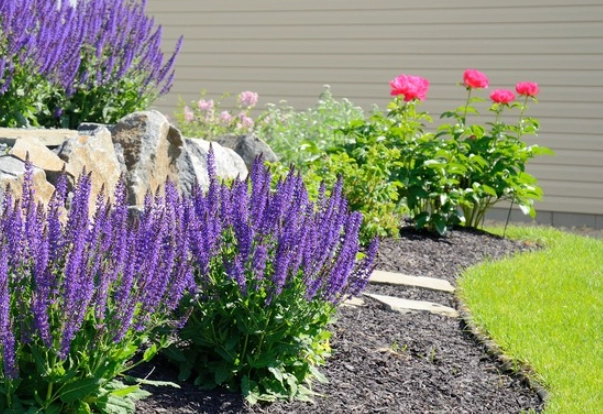
Top Tier (The Survivors): Sedum 'Autumn Joy', Russian Sage, Ornamental Grasses (Panicum, Miscanthus), Juniper shrubs, Liriope. These things are practically bulletproof once established. They thrive on neglect.
Middle Tier (The Reliables): Coneflower, Black-eyed Susan, Daylilies (Hemerocallis), Spirea shrubs, Boxwood (once established). You'll need to water during extreme droughts and maybe do a yearly cleanup, but they're solid.
Honorable Mention (Tough but with a Quirk): Hostas (if you don't have deer), Lavender (needs perfect drainage and hates wet feet), Hydrangea paniculata (needs more water than the others on this list).
Building a landscape with mostly plants from these lists is your ticket to more relaxing weekends and less garden guilt.
Design Principles: Making Your Landscaping Plants Look Intentional
You can have a collection of great plants that still looks messy. A few simple design ideas can pull it all together.
Layering and Texture
Don't plant in a single flat row. Put taller plants in back (or in the center of an island bed), medium in the middle, and shorter ones up front. But also think about texture—the visual "feel" of a plant. Pair the big, bold leaves of a hosta with the fine, feathery texture of an astilbe. Contrast the spiky verticals of an iris with the mounding form of a catmint.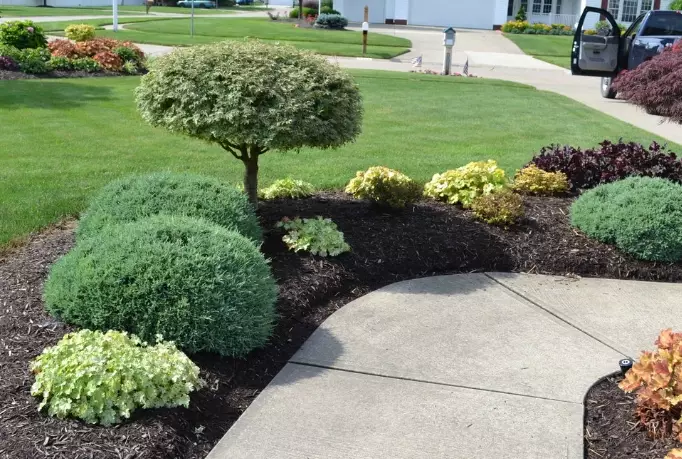
Color Theory (It's Simpler Than You Think)
You don't need a degree in art. Cool colors (blues, purples, whites) recede and feel calming. Warm colors (reds, oranges, yellows) pop forward and feel energizing. A monochromatic scheme (all different shades of purple and silver) can be incredibly elegant and cohesive. I find sticking to a limited color palette (2-3 main colors) looks more professional than a rainbow explosion, but that's just my taste.
Repetition and Rhythm
This is the biggest trick. Repeat a key plant or color in several spots throughout the bed. It guides the eye and creates unity. Instead of buying one of twenty different plants, buy three of five different ones and repeat them.
What about focal points? A single, spectacular specimen plant (a Japanese maple, a sculptural blue spruce) can anchor a whole area. But use them sparingly, like exclamation points in a sentence.
The Nitty-Gritty: Buying, Planting, and Caring for Your Landscaping Plants
Buying Smart
Look for plants that look vigorous, not just big. Avoid plants with roots growing out of the bottom of the pot (pot-bound) or with yellowing, spotted leaves. A good local nursery is worth its weight in gold for advice. Big box stores can have deals, but the plants are often stressed and the staff may not know much.
The Right Way to Plant
Dig a hole twice as wide as the root ball, but no deeper. You want the top of the root ball level with the soil surface. Roughen up the sides of the hole and the root ball if it's pot-bound. Backfill with the native soil you dug out, maybe amended with a little compost. Water deeply to settle the soil and eliminate air pockets. Then mulch! A 2-3 inch layer of mulch (shredded bark, pine straw) is a game-changer. It conserves water, suppresses weeds, and keeps roots cool.
Ongoing Care: Pruning, Feeding, and Dividing
Most perennials benefit from being cut back in late fall or early spring. Some shrubs bloom on "new wood" (growth from this year) and some on "old wood" (growth from last year). Getting this wrong means cutting off all your flowers. The Penn State Extension pruning guide is a fantastic resource.
Fertilizer? Less is often more. A top dressing of compost in spring is usually sufficient for established beds. Over-fertilizing leads to weak, floppy growth and more pests.
Dividing perennials is like getting free plants. When a clump gets too big and dies out in the center (like daylilies or hostas), dig it up in early spring or fall, chop it into smaller pieces with a sharp shovel, and replant.
Problem-Solving with Landscaping Plants
Plants aren't just decoration; they're tools.
For Privacy: Skip the boring leyland cypress (disease-prone). Try arborvitae 'Emerald Green', holly shrubs, a clumping bamboo (non-invasive!), or a mixed screen of evergreens and tall ornamental grasses.
For Erosion Control: On slopes, use deep-rooted, spreading plants. Creeping juniper, forsythia (can be rampant, fair warning), crown vetch, or even a mass planting of a tough ornamental grass like switchgrass (Panicum virgatum).
For Poor Soil: Don't fight it. Embrace plants that love it. Sandy soil? Lavender, rosemary, sedum, coreopsis. Clay soil? Daylilies, asters, panicle hydrangeas, switchgrass. Amending soil is great for a small bed, but for a large area, choosing adapted landscaping plants is smarter.
Answering Your Biggest Questions About Landscaping Plants
Landscaping is a journey, not a destination.
Your garden will change over the years. Plants will thrive, some will die, and your tastes will evolve. That's okay. Start with a plan, focus on the "Right Plant, Right Place" rule, and choose plants that fit your real life, not just a magazine fantasy. Build your foundation with tough, reliable trees, shrubs, and perennials. Use annuals for fun pops of color. And don't be afraid to move something if it's not working. Gardening is the slowest of the performing arts, and you're both the artist and the audience. So take a deep breath, get your hands dirty, and start building the green sanctuary you've been imagining. You've got this.
Reader Comments