Quick Navigation
- What Are Ornamental Plants, Really?
- How to Choose the Right Ornamental Plants (This is Where Most People Go Wrong)
- Designing with Ornamental Plants: Beyond Just Sticking Them in the Ground
- The Care Guide: Keeping Your Ornamental Plants Alive and Happy
- Top Picks: Low Maintenance Ornamental Plants for Real People
- Propagation: Getting Free Plants
- Seasonal Care and Long-Term Maintenance
- Your Ornamental Plant Questions, Answered
- Wrapping It Up: Your Path to a Greener Space
Let's talk about ornamental plants. You see them everywhere – in glossy magazines, on Instagram feeds, lining the sidewalks of fancy neighborhoods. But when you try to bring that magic home, things don't always go as planned. I've been there. I've killed my share of plants, learned from the mistakes (some of them expensive), and slowly figured out what actually works.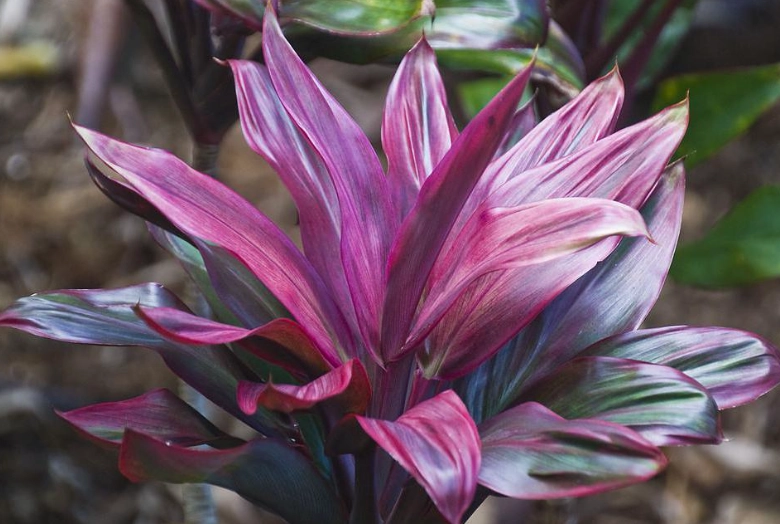
This isn't just a list of pretty plants. It's a roadmap. We're going to cut through the noise and get into the real stuff: how to pick the right ornamental plants for your life, how to keep them alive (and thriving), and how to avoid the common pitfalls that turn a green dream into a crispy nightmare.
What Are Ornamental Plants, Really?
It sounds fancy, but it's simple. Ornamental plants are grown for decoration, not for food or any other practical use. Their job is to be beautiful. That's it. They can be flowers, shrubs, trees, grasses, or foliage plants. Their value is in their looks – the color of their leaves, the shape of their form, the scent of their blooms.
Think of them as living art.
But here's the thing most guides don't tell you: "ornamental" doesn't mean "indestructible." Some are tough as nails, others are divas that demand specific conditions. The key is matching the plant's personality to your environment and your willingness to care for it. A stunning orchid might be the star of a flower show, but if your home is a dark cave, it's going to be a sad, bloomless stick in a pot.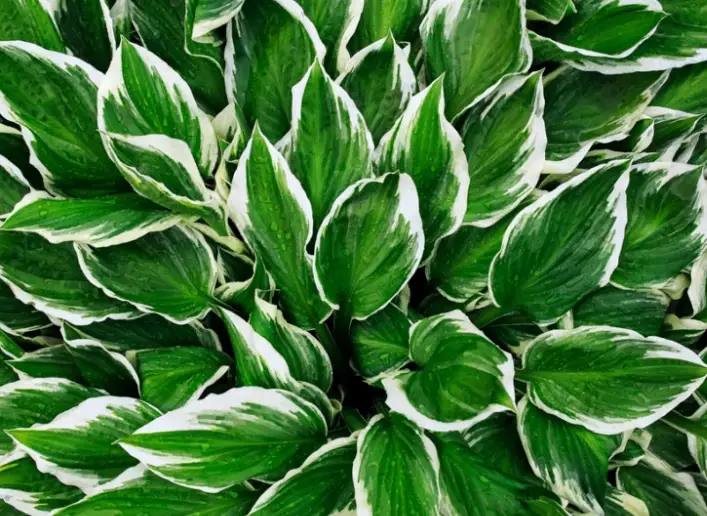
How to Choose the Right Ornamental Plants (This is Where Most People Go Wrong)
Choosing plants on impulse is the number one reason for plant casualties. You fall in love with a flowering beauty at the store, bring it home, and then reality sets in. Before you buy a single plant, ask yourself these questions. Honestly.
For Indoor Ornamental Plants
Light is everything. No, really. It's the single most important factor. Don't guess.
- Bright Direct Light: A south-facing window where the sun beams in for 6+ hours. Think cacti, succulents, fiddle leaf fig (though they're finicky).
- Bright Indirect Light: Near a sunny window but not in the direct firing line of the sun. East or west-facing windows are often perfect. This is the sweet spot for most popular indoor ornamental plants like Monstera, Pothos, Peace Lily, and Spider Plants.
- Low Light: North-facing windows or several feet back from a bright window. Your options are limited here. ZZ Plant, Snake Plant (Mother-in-law's Tongue), and some types of Philodendron can tolerate it. "Tolerate" is the key word – they won't grow much, but they might not die.
Next, consider your lifestyle. How often do you realistically remember to water? Be brutal with yourself.
- For the Forgetful: Snake Plant, ZZ Plant, Pothos, Cast Iron Plant. These can handle some neglect.
- For the Frequent Waterer: Peace Lily, Ferns, Nerve Plant (Fittonia). These will droop dramatically when thirsty, giving you a clear signal.
For Outdoor Ornamental Plants
This is where your local climate is the boss. You can't fight it. The USDA Plant Hardiness Zone Map is your bible here. Find your zone first. A plant rated for zone 10 will freeze and die in zone 5. It's non-negotiable. You can check your precise zone on the official USDA website.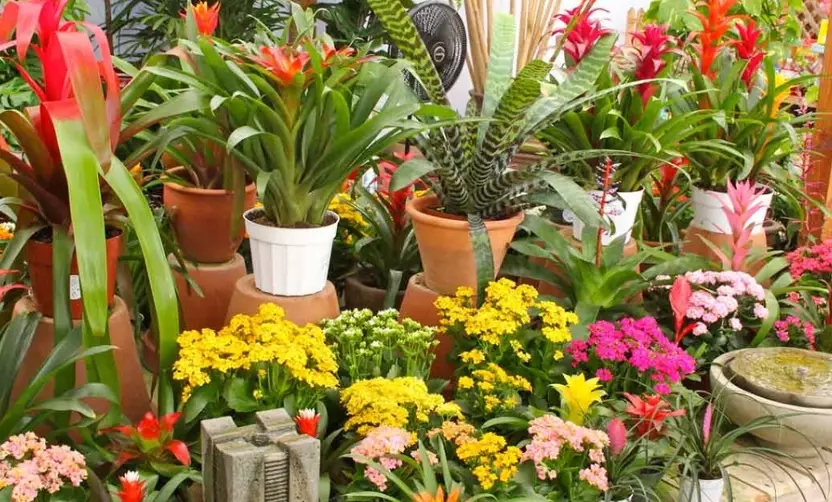
Then think about purpose:
- Privacy Screen: Fast-growing shrubs like Arborvitae or ornamental grasses like Pampas Grass (check if it's invasive in your area first!).
- Seasonal Color: Annuals like Petunias or Marigolds for constant blooms, or perennials like Coneflowers and Black-eyed Susans that come back yearly.
- Architectural Interest: Plants with unique shapes, like the spiky Yucca or the weeping branches of a Japanese Maple.
Designing with Ornamental Plants: Beyond Just Sticking Them in the Ground
A great garden or indoor space has rhythm. It's not a random collection.
Think about textures. Pair the broad, glossy leaves of a Hostas with the fine, feathery fronds of a Fern. Contrast the rigid, structural form of a Snake Plant with the soft, trailing vines of a String of Pearls.
Color isn't just about flowers. Foliage comes in incredible hues – deep purples (Coleus, Persian Shield), silvery blues (Blue Fescue grass), and variegated whites and greens (so many!). Using foliage color ensures your display looks good even when nothing is in bloom.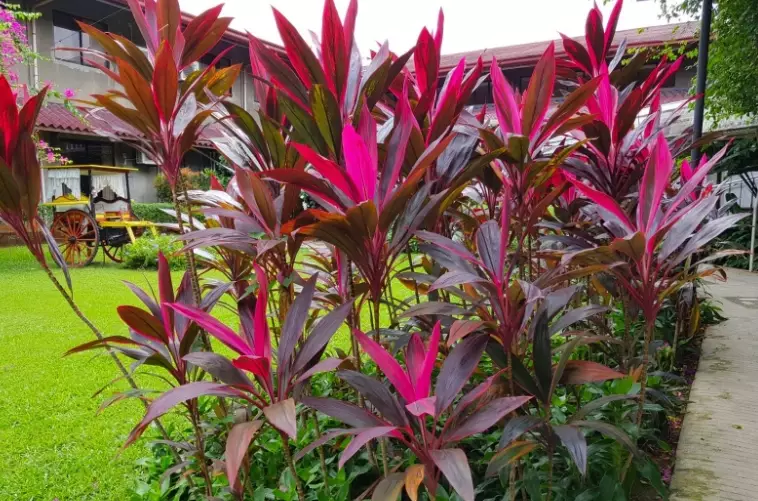
The Care Guide: Keeping Your Ornamental Plants Alive and Happy
Here's the meat of it. Let's demystify care.
Watering: The #1 Killer
Overwatering drowns roots, underwatering desiccates them. The trick? Check the soil, not the calendar. Stick your finger about an inch into the pot. Is it dry? Water. Is it still damp? Wait. For most common ornamental plants, it's better to err on the side of slightly too dry than constantly soggy.
Drainage is non-negotiable.
Your pot must have holes in the bottom. No exceptions. A layer of rocks at the bottom is a myth – it actually raises the water table inside the pot. Use a well-draining potting mix, not garden soil. For succulents and cacti, buy a specific mix or add extra perlite/sand.
Light (Yes, Again)
If your plant is getting leggy (long stretches of stem between leaves), stretching toward the light, or losing its vibrant color, it needs more light. If the leaves are getting scorched, pale, or bleached, it's getting too much direct sun. Move it. Observe and adjust.
Feeding: Plant Food Basics
Plants in pots need fertilizer because they can't search for nutrients. A balanced, all-purpose liquid fertilizer (look for an N-P-K ratio like 10-10-10) diluted to half-strength and applied every 4-6 weeks during the growing season (spring and summer) is a safe bet for most ornamentals. In fall and winter, most plants rest – stop fertilizing.
Common Problems and Real Solutions
You will face pests. It's normal. Don't panic.
| Problem | Likely Culprit | What to Do (Simple Fixes First) |
|---|---|---|
| Sticky leaves, tiny cottony or scaly bumps | Scale or Mealybugs | Dab individual bugs with a cotton swab dipped in rubbing alcohol. For larger infestations, spray with insecticidal soap or neem oil solution. |
| Tiny webs, yellow stippling on leaves | Spider Mites | These love dry, dusty conditions. Regularly mist plants or shower them gently. Wipe leaves. Use miticide or neem oil if severe. |
| Little black flies buzzing around soil | Fungus Gnats | They thrive in wet soil. Let the top layer of soil dry out completely between waterings. Use yellow sticky traps. A product with Bacillus thuringiensis israelensis (like Mosquito Bits) in your water kills the larvae. |
| Yellowing leaves, especially lower ones | Overwatering or natural aging | Check soil moisture first. If soggy, stop watering and improve drainage. If it's just one or two old leaves, it's probably normal shedding – just pluck them off. |
| Brown, crispy leaf tips | Low humidity or salt/mineral buildup | Increase humidity with a pebble tray or humidifier. Use filtered or distilled water to water, and flush the pot with plenty of water every few months to leach out salts. |
Top Picks: Low Maintenance Ornamental Plants for Real People
These are the workhorses. The ones that forgive your mistakes and still look good.
Indoor Champions
- Snake Plant (Sansevieria): The ultimate survivor. Tolerates low light, infrequent watering, and neglect. It literally cleans the air. You almost have to try to kill it.
- ZZ Plant (Zamioculcas zamiifolia): Another legend of neglect. Shiny, attractive leaves. Stores water in its potato-like rhizomes. Perfect for a dark corner or an office.
- Pothos (Epipremnum aureum): The fast-growing, trailing vine. Grows in water or soil, tolerates various light conditions. If it gets leggy, chop and propagate the cuttings in water – instant new plants.
- Spider Plant (Chlorophytum comosum): Produces "babies" on long runners. Non-toxic, easy, and great for hanging baskets. Prefers bright indirect light but is adaptable.
Outdoor Tough Guys (for many temperate zones)
- Sedum (Stonecrop): A succulent that comes in many forms. Drought-tolerant once established. Great for hot, sunny spots with poor soil.
- Hostas: The classic shade plant. Grown for their magnificent foliage in shades of green, blue, gold, and variegated. Just watch for slugs.
- Ornamental Grasses (like Fountain Grass, Blue Fescue): Add movement and sound to the garden. Require little care, often just a cutback in late winter.
- Lavender: Needs full sun and well-drained soil, but once happy, it's a drought-tolerant, fragrant, pollinator-magnet that looks gorgeous.
Honestly, some plants are just overhyped. I find Fiddle Leaf Figs to be more trouble than they're worth for most people – too prone to dropping leaves with any change. And don't get me started on fussy miniature roses sold as houseplants; they almost always get spider mites and die.
Propagation: Getting Free Plants
This is the most rewarding part! Many common ornamental plants are incredibly easy to multiply.
Stem Cuttings: For Pothos, Philodendrons, Coleus. Cut a piece of stem with a few leaves, remove the bottom leaves, and place in water or moist soil. Roots will form in weeks.
Division: For plants that grow in clumps, like Snake Plants, Hostas, or ornamental grasses. Simply unpot the plant and gently pull or cut the root ball into two or more sections, each with some leaves and roots. Re-pot. Instant new plants.
It feels like magic and saves you a ton of money.
Seasonal Care and Long-Term Maintenance
Plants aren't static. They have seasons.
Spring: Time for growth! Increase watering as days lengthen. Start fertilizing. It's the best time for repotting if roots are crowded. Look for new growth and enjoy it.
Summer: Peak growing season. Monitor water closely, as pots can dry out fast in heat. Some plants might appreciate being moved away from scorching afternoon sun. Keep up with fertilizer.
Fall: Growth slows. Start to reduce watering frequency. Stop fertilizing. For outdoor plants, it's often the best time to plant perennials and trees, as the soil is warm but the air is cool.
Winter: Rest period for most plants. Water much less, as plants use little water and soil stays wet longer in cool, low-light conditions. Don't fertilize. Group indoor plants together to raise humidity. Protect tender outdoor ornamentals with mulch or bring them inside if possible.
Your Ornamental Plant Questions, Answered
Wrapping It Up: Your Path to a Greener Space
Starting with ornamental plants is a journey. You will learn more from your failures than your instant successes. Don't aim for a perfect, magazine-ready jungle on day one. Start with one or two easy, low maintenance ornamental plants. Get to know them. Learn their signals. Keep them alive for a full year.
Then add another. And another.
The goal isn't perfection. It's the joy of nurturing something living, the satisfaction of seeing a new leaf unfurl, and the peace that a bit of green brings to your daily space. Armed with the right knowledge – not just the pretty pictures – you're now ready to make informed choices and build a collection of ornamental plants that will thrive with you, not just survive despite you.
Now, go find a plant that speaks to you. Check its light and water needs. And give it a home. You've got this.
Reader Comments