Quick Guide
Let's talk about one of the most satisfying things you can do as a plant lover: making more plants from the ones you already have. No need for fancy seeds or expensive nursery runs. I'm talking about cutting propagation. It feels a bit like magic, honestly. You snip a piece of a plant, stick it in some soil or water, and with a bit of care, it grows its own roots and becomes a whole new, independent plant. It's cloning, but for your garden.
The best part? It's free. It's also surprisingly straightforward once you get the hang of a few basic principles. But I won't sugarcoat it—I've killed my fair share of cuttings before I figured out what really works. The internet is full of overly simplified advice that skips the crucial details. This guide is different. We're going deep, covering not just the "how," but the "why" behind each step, so you can troubleshoot problems before they happen and successfully propagate just about anything.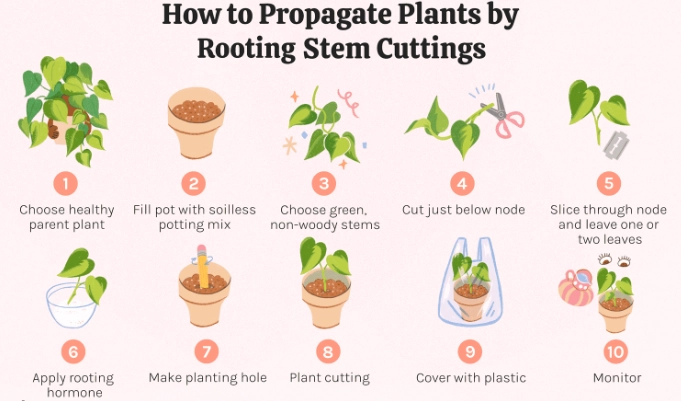
How Does Cutting Propagation Even Work?
Before we get our hands dirty, it helps to know what you're actually asking the plant to do. When you take a cutting—usually a piece of stem with a few leaves—you're severing it from its life support system (the roots). That cutting still wants to live. It has dormant cells called "meristematic" cells, often clustered around the nodes (those little bumps where leaves and branches grow from).
Your job is to convince those cells to switch jobs. Instead of making more stem or leaves, they need to become root cells. The plant will do this naturally as a survival mechanism, but we can stack the deck in our favor. The right conditions tell the plant, "Hey, you're in a good spot, put down some roots and settle in." The wrong conditions tell it, "We're dying here," and it'll just rot or wither away.
It's not just about sticking it in water and hoping. Understanding this goal—triggering root growth from specific points—changes how you select, prepare, and care for your cuttings.
The Step-by-Step, Can't-Fail Process (Well, Almost)
Okay, let's break down the actual process of plant cutting propagation. Think of this as your master checklist. Skip a step, and you might get lucky. Follow them all, and your success rate will skyrocket.
Step 1: Choosing Your Champion (The Mother Plant)
This is where most people go wrong right out of the gate. You can't take a weak, sickly cutting and expect a vigorous new plant. It just doesn't work like that.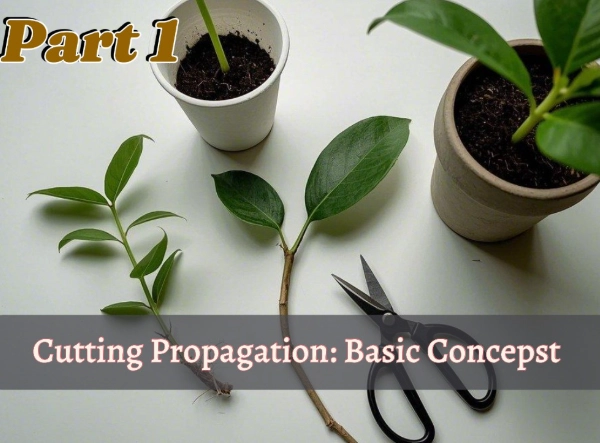
- Health is Non-Negotiable: Pick a mother plant that's thriving. Lush green growth, no signs of pests (like aphids or spider mites), and absolutely no disease (no weird spots, mildew, or rot). A stressed plant is fighting for its own survival and has little energy to spare for making roots.
- Timing is (Almost) Everything: The best time to take most cuttings is during the plant's active growth period. For many plants, this is spring or early summer. The stems are flexible but mature enough, and the plant is in a growing mood. Avoid taking cuttings from a plant that's flowering heavily, as its energy is directed toward blooms. If you must, remove the flowers and flower buds from your cutting immediately.
- Go for Juvenile Growth: Look for stems that are from the current or last season's growth—not the old, woody, bark-covered stems at the base. That fresh, greenish growth roots more eagerly.
Step 2: The Perfect Cut
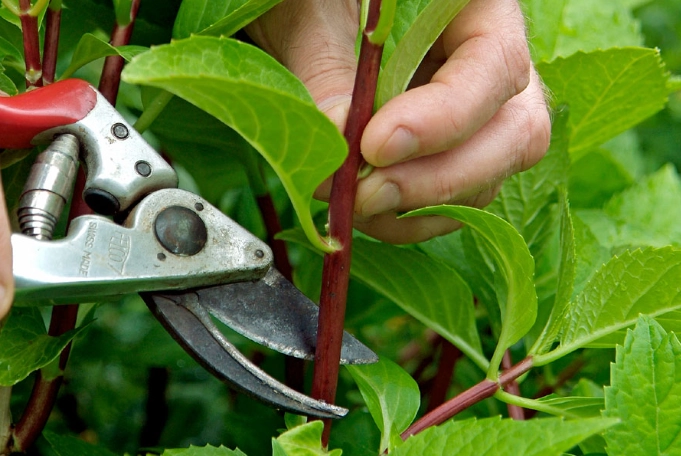
Grab some sharp, clean tools. I use pruning shears for woody stems and a clean razor blade or sharp knife for softer ones. Blunt tools crush the stem, creating a wound that's much more susceptible to rot.
Your target is a section of stem about 3 to 6 inches long. Now, here's the critical part: make your cut just below a node. Not an inch below, not halfway between nodes. Right below it. The node is the root-making factory. More surface area of the node in contact with your rooting medium means a better chance. Remove any leaves or flowers from the bottom third to half of the cutting. Leaves transpire (lose water), and without roots to replace it, they can desiccate the cutting. Leave a few healthy leaves at the top to keep photosynthesis going.
Step 3: Rooting Hormone? It's Your Call, But...
This is a big debate. Rooting hormone powders, gels, or liquids contain synthetic versions of auxins, the plant hormones that stimulate root growth. Are they necessary? For easy plants like mint or coleus, no. For woody shrubs, difficult houseplants, or when you just want to increase your odds, they're incredibly helpful.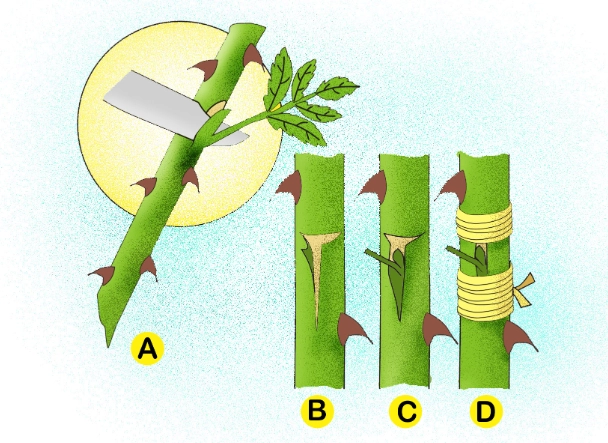
They do two things: 1) they give a concentrated root-growth signal to the cutting, and 2) many contain an antifungal to protect the wounded end. If you use it, just dip the moistened stem end (the bottom half-inch or so) into the powder, tap off the excess, and proceed. Don't dunk the whole thing. It's not a magic powder—it won't save a poorly taken cutting—but it's a useful tool in your propagation kit. Research from university agricultural extensions, like those from the University of Minnesota Extension, often confirms their efficacy for difficult-to-root species.
Step 4: The Rooting Medium - It's Not Just Dirt
You cannot use regular garden soil or heavy potting mix for cuttings. It's too dense, holds too much water, and lacks the air pockets crucial for early root development. It's a fast track to rot. You need a sterile, well-draining, low-fertility medium.
Here’s a quick comparison of the most common options:
| Medium | Best For | Pros | Cons |
|---|---|---|---|
| Perlite or Vermiculite | Most stem cuttings, especially those prone to rot. | Sterile, excellent aeration, holds some moisture. | No nutrients, can dry out quickly on top. |
| Coarse Sand | Succulents, cacti, and plants that hate wet feet. | Great drainage, cheap. | Heavy, can compact, no water/nutrient retention. |
| Seed Starting Mix | A good, user-friendly all-rounder. | Fine texture, designed for germination, usually sterile. | Can retain too much water if over-watered. |
| 50/50 Peat & Perlite | My personal favorite mix for most things. | Balances moisture retention and aeration perfectly. | You have to mix it yourself. |
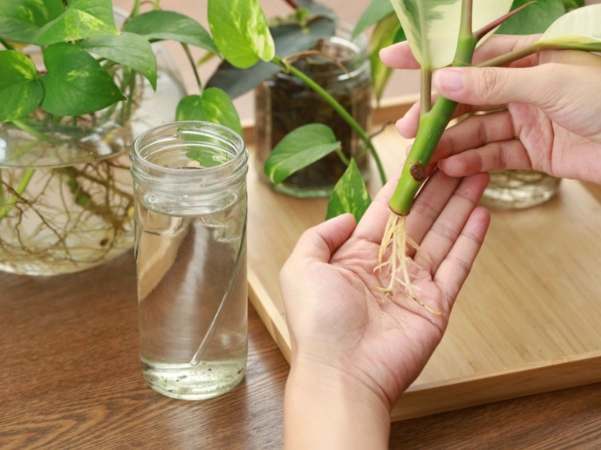
| Water | Pothos, philodendron, mint, basil, coleus. | You can see the roots grow! Super simple. | Roots grown in water are different (more brittle) and can struggle to adapt to soil later. Risk of algae/bacteria. |
Moisten your chosen medium before you stick the cutting in. It should feel like a well-wrung-out sponge—damp, not soggy.
Step 5: The Stick and The Wait
Make a hole in the medium with a pencil or your finger first. This prevents the rooting hormone from getting scraped off as you insert the cutting. Gently firm the medium around the stem so it stands upright and has good contact. Don't pack it like concrete.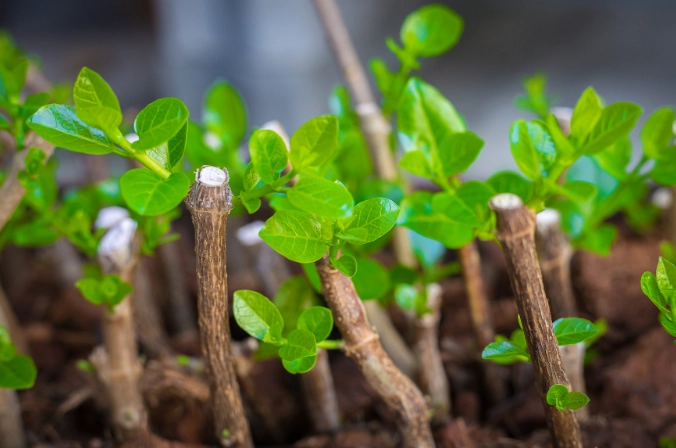
Now, create a humid environment. This is the single most important tip for leafy cuttings. Without roots, they lose water through their leaves faster than they can replace it. A simple plastic bag placed over the pot (supported by sticks so it doesn't touch the leaves) or a clear plastic dome works. This little greenhouse drastically reduces water loss. Place it in bright, INDIRECT light. Direct sun will cook your cuttings inside their humid tent.
Different Plants, Different Approaches
Not all cuttings are created equal. The basic principle is the same, but the specifics change based on the plant's type and growth stage.
- Softwood Cuttings: Taken in late spring from new, soft growth that snaps when bent. Roots very fast but needs high humidity. Great for many perennials (like lavender) and houseplants.
- Semi-Hardwood Cuttings: Taken in late summer from partially matured wood of the current season. The stem is firmer, more flexible than snapping. This is the go-to for many evergreen shrubs (like holly, azalea).
- Hardwood Cuttings: Taken in late autumn or winter from dormant, mature, woody stems. These are slow but easy. You often just stick them in the ground outdoors over winter (a technique called "winter propagating"). Used for deciduous trees and shrubs like figs, grapes, and roses.
- Herbaceous Cuttings: From non-woody plants like coleus, begonias, mint. These are often the easiest and can be rooted in water easily.
Understanding these categories helps you match your technique to the plant's natural cycle.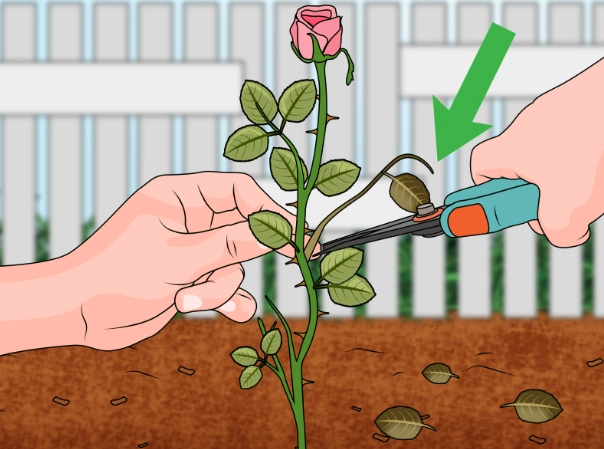
Why Are My Cuttings Failing? Let's Troubleshoot.
Even with the best care, sometimes cutting propagation fails. Here’s how to decode the common problems:
Problem: The cutting turned to black/brown mush.
Diagnosis: Rot. This is almost always from too much moisture and/or poor air circulation. Your medium was staying soggy, or the cutting itself had a wound that got infected.
Fix: Use a better-draining medium (more perlite!). Don't overwater—the medium should be damp, not wet. Ensure your pot has drainage holes. Let the cutting callous over for a few hours before planting if it's a succulent.
Problem: The cutting is wilted, dry, and crispy.
Diagnosis: Desiccation. It dried out. The humidity wasn't high enough, it was in too much light/heat, or the medium dried out completely.
Fix: That humidity dome or bag is non-negotiable for leafy cuttings. Keep it on until you see new growth. Move it to a slightly shadier, cooler spot.
Problem: No roots after many weeks, but the cutting looks okay.
Diagnosis: It's in stasis. The conditions aren't bad enough to kill it, but not good enough to trigger root growth. Often due to low temperatures or a plant that's simply slow to root.
Fix: Bottom heat can work wonders. Placing your propagation tray on top of a warm appliance (like a fridge) or using a specialized seedling heat mat can dramatically speed up rooting. Patience is also key for some species.
The Best Plants to Start Your Cutting Propagation Journey
Want instant gratification to fuel your new hobby? Start with these fool-proof champions. Success with these will give you the confidence to try trickier species.
The "Almost Impossible to Fail" List:
- Pothos & Philodendron: The classic water-propagators. A single node with a leaf can become a plant.
- Mint, Basil, Rosemary, Sage: Herbs are propagation superheroes. Rosemary prefers semi-hardwood cuttings, but the others root in water in days.
- Coleus: Vibrant, fast-growing, and roots so easily it's almost comical.
- Spider Plant: It literally gives you baby plants (plantlets) on runners. Just peg one down into a pot of soil.
- Succulents (like Jade Plant, Echeveria): Let a leaf or stem end callous over for a few days, then lay it on dry soil. Roots and a new baby will appear with minimal water.
The "Slightly More Challenging but Very Rewarding" List:
- Hydrangeas: Softwood cuttings in early summer, with high humidity, work great.
- Roses: Semi-hardwood cuttings in fall. Use a long cutting and bury a good portion of it.
- Fig Trees: Hardwood cuttings in winter are remarkably easy. Just a stick in the ground can work.
- Blueberries: Softwood cuttings, but they need an acidic rooting medium (mix in some peat moss).
Your Cutting Propagation Questions, Answered
Cutting propagation truly is a cornerstone skill for any gardener. It saves money, lets you preserve favorite or heirloom plants, and share them with friends. It connects you to the ancient, almost alchemical practice of growing life from life. You'll have failures—everyone does. But each one teaches you something. You'll learn to read the subtle signs of a plant's health, to understand the importance of humidity and light, and to develop that most crucial of gardening virtues: patience.
So grab your shears, pick a healthy stem from a plant you love, and give it a go. Follow these steps, pay attention to the details, and you might just surprise yourself. Before long, you'll be looking at every plant and thinking, "I could make more of you." And that's a wonderful place to be.
Reader Comments