In This Guide
- Why Bother with an Indoor Herb Garden Anyway?
- The Non-Negotiables: Light, Water, and Air
- Choosing Your Herbs: Start with the Easy Wins
- Setting Up Your Garden: Pots, Soil, and Systems
- Ongoing Care: Feeding, Pruning, and Harvesting
- Troubleshooting: What's Wrong With My Plant?
- Answering Your Burning Questions
Let's be real. The idea of having an indoor herb garden is fantastic. Fresh basil for your pasta, mint for your mojito, rosemary for your roast – all just an arm's reach away on your windowsill. No more buying those expensive plastic packs from the store only to watch half of it wilt in your fridge.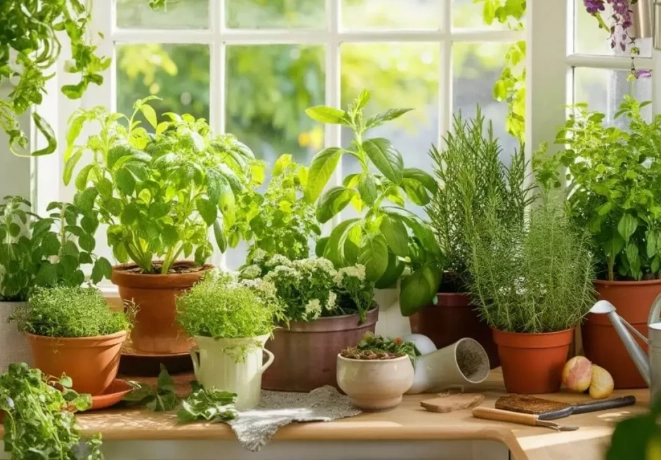
But then you try it. You get a cute little pot, some soil, and a plant from the hardware store. A few weeks later, it's a leggy, sad-looking thing, or worse, just a pot of dirt. I've been there. More times than I care to admit.
Since then, after years of trial, error, and a few glorious successes, I've figured out what actually works. This guide is the one I wish I had when I started.
So, if you're tired of failing and ready to actually grow herbs you can use, you're in the right place. We're going to skip the fluff and get straight to what makes an indoor herb garden work.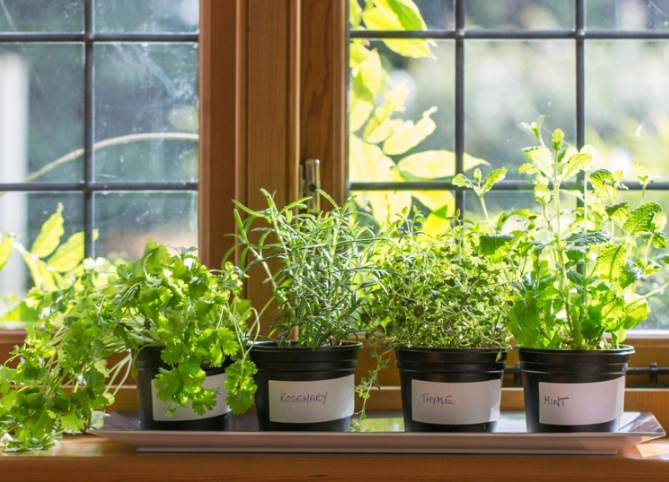
Why Bother with an Indoor Herb Garden Anyway?
Beyond the obvious perk of fresh flavors, there are some solid reasons. For one, it's a tiny bit of nature inside, which just feels good. Studies have shown that caring for plants can reduce stress. The Royal Horticultural Society has a whole section on the well-being benefits of gardening, even on a small scale.
Then there's the control factor. You know exactly what's gone into your herbs – no pesticides, no weird chemicals. When you snip some chives for your baked potato, you know their history.
And let's talk cost. A packet of seeds costs pennies, while fresh herbs at the grocery store can be a few dollars for a small bunch. A single, well-cared-for indoor herb plant can provide cuttings for months.
The Non-Negotiables: Light, Water, and Air
This is where most indoor herb gardens go to die. People mess up one of these three, usually light.
Light: The Make-or-Break Factor
Herbs are sun worshippers. Most need a minimum of 6 hours of direct sunlight per day. A north-facing window? Forget about it for most herbs. A bright, sunny south or west-facing window is your best bet.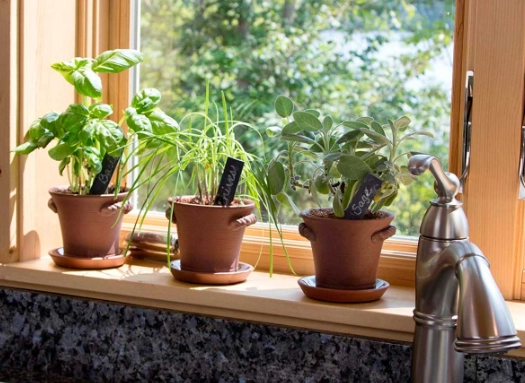
Here's a hard truth: your kitchen window over the sink might not be bright enough. I learned this with my cilantro.
No good window? Don't give up. Grow lights are the secret weapon for a successful indoor herb garden. You don't need a fancy, expensive setup. A simple LED grow light panel or even a couple of full-spectrum bulbs in a shop light fixture can work wonders. The key is to have them on for about 12-16 hours a day. A cheap timer plug makes this brainless.
Watering: It's Not a Schedule, It's a Feeling
The second biggest killer is love, in the form of overwatering. You can't water your indoor herb garden every Tuesday and expect it to thrive.
The best method? The finger test. Stick your finger about an inch into the soil. If it feels dry, it's time to water. If it feels damp, wait. It's that simple.
When you do water, water thoroughly until you see it run out the bottom. This encourages deep root growth. Then, let the soil dry out significantly before the next watering.
Air Circulation & Humidity
Stagnant air invites pests like fungus gnats and powdery mildew. A gentle breeze from a nearby fan (not pointed directly at the plants) or just being in a room with normal air movement helps a lot.
Indoor air, especially in winter with heating on, can be very dry. Some herbs, like basil, prefer a bit of humidity. Grouping plants together can create a microclimate, or you can occasionally mist them (in the morning so leaves dry by evening).
Choosing Your Herbs: Start with the Easy Wins
Ambition is great, but starting with finicky herbs can be discouraging. Build your confidence first. Here are my top picks for a beginner's indoor herb garden, ranked by sheer foolproof-ness.
| Herb | Why It's Great Indoors | Light Needs | Watering Notes | My Personal Take |
|---|---|---|---|---|
| Mint | Incredibly resilient, grows fast. Perfect for beginners to feel successful. | Medium to Bright (tolerates some lower light) | Likes consistently moist (not soggy) soil. | Almost impossible to kill. Warning: plant it in its own pot, or it will take over everything. |
| Chives | Grows back quickly after cutting, very forgiving. The oniony grass of the herb world. | Bright, direct light. | Let soil dry slightly between waterings. | My most reliable producer. Just snip what you need and it comes back. |
| Basil | The flavor king. Nothing beats fresh basil. | LOTS of direct sun (or strong grow light). | Keep soil moist but well-drained. Wilts dramatically when thirsty. | Needs the most light of the common herbs. If it's leggy, you need more sun, period. |
| Oregano | Thrives on neglect. Drought-tolerant once established. | Bright, direct light. | Let soil dry out completely between waterings. | The set-it-and-forget-it herb. Perfect if you're a chronic under-waterer. |
| Thyme | Low-growing, woody, and very hardy. Loves to be dry. | Bright, direct light. | Water only when soil is very dry. Hates wet feet. | Another neglect-friendly option. Great for adding to pots as a ground cover. |
What about cilantro and parsley? They're a bit trickier. Cilantro bolts (goes to seed) quickly in heat or if stressed, and parsley can be slow to germinate. I'd tackle these once you've got a win or two under your belt.
Setting Up Your Garden: Pots, Soil, and Systems
You've got the herbs picked out. Now, where do they live?
The Container Conundrum
Drainage holes. I know I said it already, but it's worth repeating. Terracotta pots are classic because they're porous and help prevent overwatering. Plastic pots retain moisture longer. Ceramic pots are pretty but make sure they have a hole.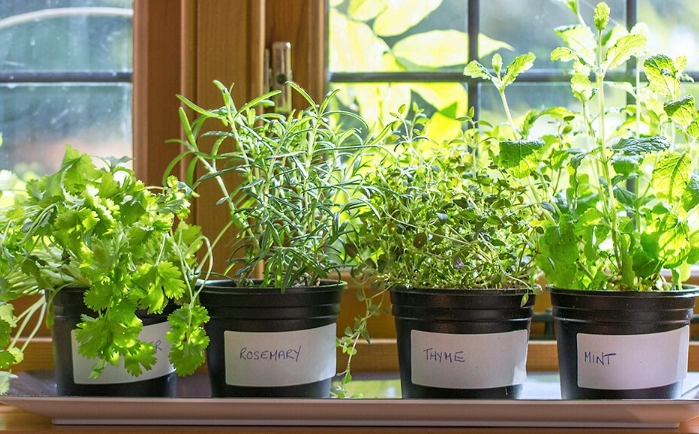
Size matters. A pot that's too big means soil stays wet too long. A pot that's too small cramps roots. For most herbs, start with a pot that's 6-8 inches in diameter. Mint might need something bigger quickly.
Soil: Don't Use Dirt From Your Yard
Use a high-quality, well-draining potting mix. Garden soil is too dense for containers and can harbor pests and diseases. Look for a mix labeled for containers or vegetables. You can even find specific herb potting mixes.
Some people swear by adding extra perlite or vermiculite to increase drainage. For herbs that hate wet feet (like thyme and oregano), it's a good idea.
Hydroponics & Kits: Are They Worth It?
You've seen those sleek countertop hydroponic kits. I've tried a couple. Here's my honest take.
The Good: They remove the guesswork from watering and feeding. The built-in grow lights guarantee enough light. They can grow herbs incredibly fast. They look cool and are very clean.
The Not-So-Good: They can be expensive upfront. You're locked into their seed pods, which are an ongoing cost. The flavor of some herbs (especially basil) grown hydroponically can be milder than soil-grown, in my experience.
They're a fantastic, low-effort solution if budget isn't a primary concern. For a traditionalist or someone on a budget, a sunny window and some pots work just fine. The University of Minnesota Extension has a great, unbiased resource comparing different indoor growing methods that's worth a look.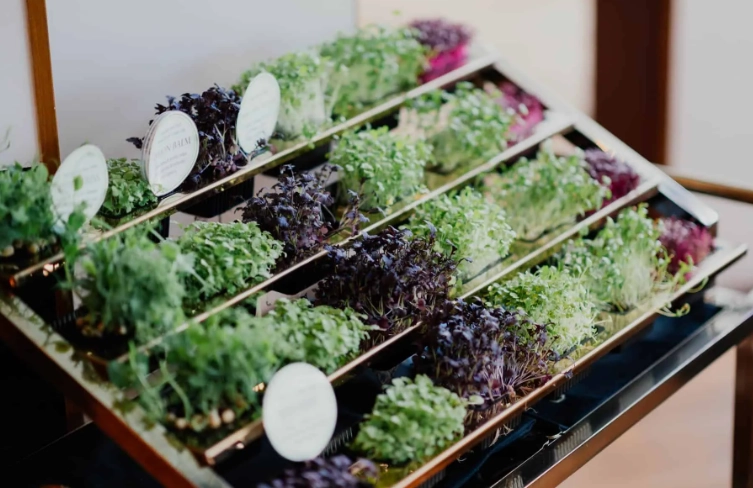
Ongoing Care: Feeding, Pruning, and Harvesting
You've planted them. They're growing. Now what?
To Feed or Not to Feed?
Potting mix has some nutrients, but they get used up. During the main growing season (spring-fall), you can feed your indoor herb garden with a diluted, balanced liquid fertilizer every 4-6 weeks. Half-strength is usually plenty. In winter, when growth slows, stop fertilizing.
Over-fertilizing leads to lots of weak, leafy growth with less flavor. Herbs are not heavy feeders.
The Art of the Snip: Pruning and Harvesting
This is crucial. Regular harvesting is pruning, and it makes your plants bushier and more productive.
Never just rip off the top leaves.
Always use clean scissors or pinch with your fingernails. For plants like basil and mint, look for a pair of leaves growing out from the main stem. Cut just above that pair. This encourages the plant to grow two new stems from that point, creating a fuller plant.
For woody herbs like rosemary and thyme, you can snip off the tender green tips.
Harvest up to one-third of the plant at a time, and it will bounce back happily. The more you harvest (correctly), the more you get.
Troubleshooting: What's Wrong With My Plant?
Here's a quick diagnostic guide for your indoor herb garden woes.
- Yellowing lower leaves: Usually overwatering. Let the soil dry out more.
- Brown, crispy leaf edges: Underwatering, low humidity, or salt buildup from fertilizer/water. Flush the soil with plain water.
- Leggy, stretched growth: Desperate need for more light. Move it or add a grow light.
- Tiny flies around the soil: Fungus gnats. They love constantly wet soil. Let the top layer of soil dry out completely between waterings. Yellow sticky traps help catch adults.
- White powdery spots on leaves: Powdery mildew. Improve air circulation, avoid wetting leaves when watering, and remove affected leaves.
Answering Your Burning Questions
One last piece of advice? Start small. Don't try to build a massive indoor herb garden empire on day one. Get one or two easy herbs, learn their rhythms, and enjoy the process. There's something incredibly satisfying about eating something you grew yourself, even if it's just a few sprigs of thyme on your chicken.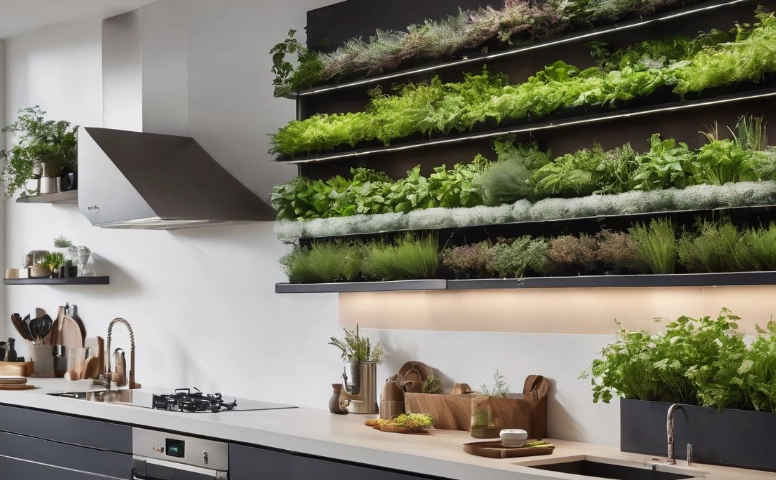
It's not about having a perfect, Instagram-ready garden. It's about having fresh flavors at your fingertips and the quiet joy of keeping something alive and thriving. Give it a shot. You might just find your new favorite hobby.
Reader Comments