Your Reading Map
- Why Humidity Isn't Just a Fancy Word for Tropical Vibes
- How to Actually Know What's Going On in Your Air
- The Ultimate Plant-by-Plant Humidity Guide
- How to Increase Humidity for Plants: What Works, What's a Waste of Time
- When There's Too Much of a Good Thing: Lowering Humidity
- Answering Your Real Questions About Humidity for Plants
- Putting It All Together: A Simple Action Plan
Let's be honest. You've probably seen those perfect, lush indoor jungles on social media and wondered, "What's their secret?" Sure, light and water are important. But more often than not, the missing piece of the puzzle—the thing that turns a surviving plant into a thriving one—is humidity for plants. It's not just a nice-to-have for a few exotic specimens; it's a fundamental need for almost every green thing in your home, and getting it wrong is why so many people end up with crispy brown leaf tips, drooping leaves, and a general sense of plant-parent failure.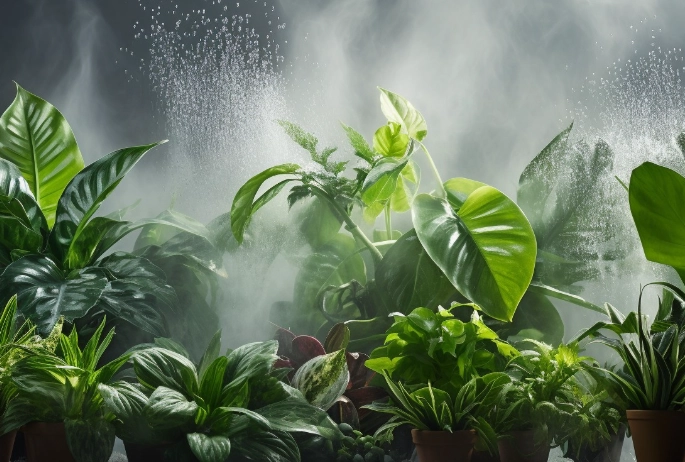
I've killed my share of plants by ignoring this. A beautiful calathea that turned into a crisp. A fern that just gave up. I thought I was watering correctly, but the air was stealing the moisture right out of them. So I dug in, made mistakes, experimented, and figured it out. This guide is that hard-won knowledge, stripped of jargon and focused on what actually works in a real home.
Quick Takeaway: Humidity is the amount of water vapor in the air. For plants, it's about balancing the water they lose through their leaves (transpiration) with the water they take up through their roots. Get the balance wrong, and the plant struggles. It's that simple, and that critical.
Why Humidity Isn't Just a Fancy Word for Tropical Vibes
Think of a plant's leaf covered in tiny mouths called stomata. They open to breathe in carbon dioxide and, in the process, water vapor escapes. In a humid environment, the air is already packed with water, so the plant doesn't lose much. It's relaxed. In dry air, those stomata become a highway for precious moisture to rush out. The plant's roots can't keep up, leading to stress, brown edges, and stunted growth.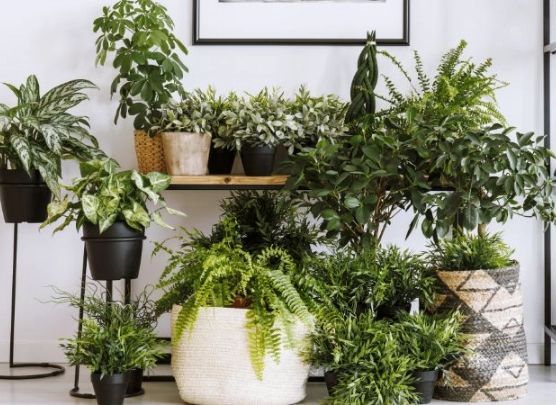
This isn't just about aesthetics. Proper humidity for plants supports crucial functions:
- Nutrient Uptake: Good transpiration helps pull water and dissolved nutrients from the soil up through the plant.
- Photosynthesis Efficiency: When stomata are functioning optimally without excessive water loss, the plant can make food more effectively.
- Pest Resistance: A stressed plant is a magnet for pests like spider mites, who absolutely love dry conditions. Getting humidity right is a frontline defense.
So, yeah. It's a big deal.
How to Actually Know What's Going On in Your Air
You can't manage what you don't measure. Guessing the humidity level in your home is a recipe for frustration. Here's how to get the real numbers.
The Tool You Actually Need: A Hygrometer
Forget guessing. A digital hygrometer is cheap, small, and the single best investment for understanding your plant's environment. Place it near your plant collection, away from direct drafts or sunlight. Check it at different times of day and in different seasons. You'll be shocked by the variations.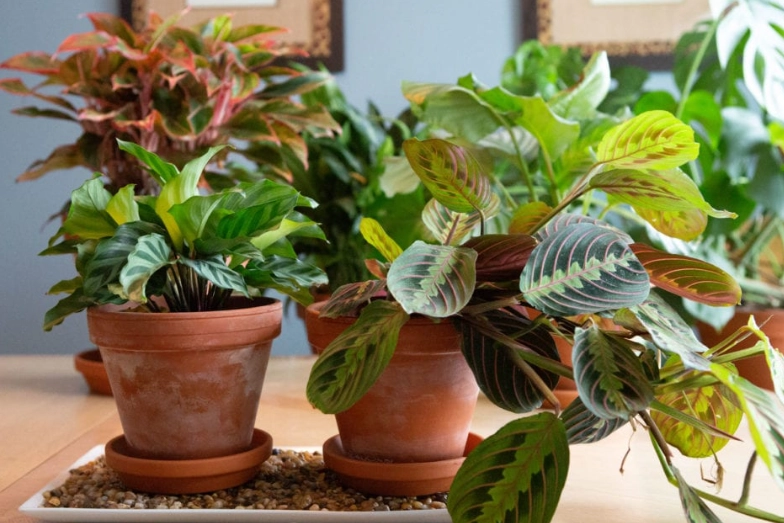
I bought a cheap 3-pack of mini hygrometers online. One lives with my ferns, one on my cactus shelf, and one in the living room just for reference. The data is eye-opening—my radiator in winter creates a desert zone that drops humidity by 20% compared to the other side of the room.
What Do the Numbers Even Mean?
Here’s a straightforward breakdown of relative humidity (RH) ranges and what they mean for your home and your plants:
- Below 30% RH (Desert/Dry Winter Air): Uncomfortable for you (dry skin, static) and stressful for most plants. Spider mite paradise.
- 30-40% RH (Average Heated Home in Winter): Tolerable for you, but the danger zone for many popular houseplants. This is where leaf tip browning starts.
- 40-60% RH (Sweet Spot): Comfortable for humans and ideal for a vast majority of common houseplants. Promotes healthy growth without mold risk.
- 60-80% RH (Tropical/Greenhouse Range): Necessary for true humidity lovers (like some calatheas, orchids). In homes, this requires effort and good air circulation to prevent fungal issues.
- Above 80% RH: Generally too high for most homes and plants, risking mold and rot.
The Ultimate Plant-by-Plant Humidity Guide
Not all plants want a steam room. Grouping plants with similar needs is the golden rule of humidity management. Here’s a detailed look at the ideal humidity for various houseplants.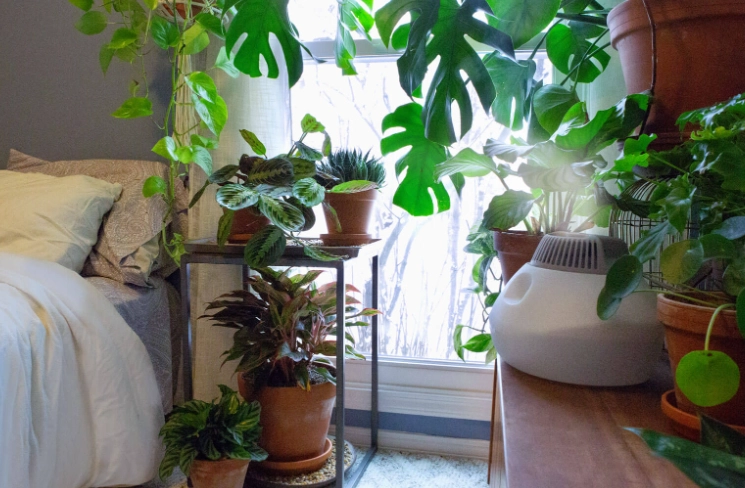
| Plant Name (Common) | Native Environment Clue | Ideal Humidity Range | Notes & What Happens if It's Too Dry |
|---|---|---|---|
| Fern (Boston, Maidenhair) | Forest floor, damp ravines | 60-80% | High humidity lovers. Maidenhair ferns are notoriously dramatic and will crisp up rapidly in dry air. They thrive in bathrooms. |
| Calathea, Maranta (Prayer Plant) | Brazilian rainforest understory | 60%+ | Leaves will curl, brown, and develop crispy edges. They rarely look their best without elevated humidity. |
| Orchid (Phalaenopsis) | Tropical Asia, attaches to trees | 50-70% | Good humidity is key for strong root and flower spike development. Bud blast (dropping buds) is a common dry air symptom. |
| Fiddle Leaf Fig (Ficus lyrata) | West African lowland rainforest | 40-60% | Prefers moderate humidity. In very dry air, it becomes prone to brown spots and dropping leaves, especially new ones. |
| Monstera, Pothos, Philodendron | Tropical regions | 40-60% | These popular "beginner" plants are adaptable but truly thrive with moderate humidity, producing larger, healthier leaves. |
| Snake Plant, ZZ Plant | Arid regions of Africa | 30-50% | Low humidity champions. They are supremely adapted to dry air. High humidity can actually cause root rot issues for them. |
| Cactus & Succulents | Deserts and arid zones | 30-40% | They store water in their tissues and are designed for low humidity. High humidity is their enemy, leading to rot and fungal disease. |
See the pattern? Where a plant comes from tells you almost everything. A great resource for checking the native habitat of specific plants is the USDA Plants Database, which can give you clues about the climate they evolved in.
Grouping is everything. Don't put a cactus next to a fern.
How to Increase Humidity for Plants: What Works, What's a Waste of Time
Let's get practical. You've measured your air, you know your plant needs more humidity. Here are the methods, ranked by effectiveness in my experience.
The Gold Standard: Use a Humidifier
This is the only way to reliably and consistently raise the humidity in a room or zone. Cool-mist ultrasonic humidifiers are popular for plant rooms. Just remember to use distilled or filtered water to avoid spewing white mineral dust (that white powder) all over your plants and furniture. Clean it weekly to prevent mold growth inside the tank.
Pro Tip: Don't point the humidifier's mist stream directly at plants. You want to humidify the air around them, not wet the leaves constantly, which can cause fungal spots. Place it a few feet away, perhaps slightly above plant level.
The Pebble Tray Method (It's Okay, But Limited)
Fill a shallow tray with pebbles or LECA, add water so the pebbles are partially submerged, and place your plant pot on top (ensuring the pot's drainage holes are NOT sitting in water). As the water evaporates, it creates a tiny bubble of more humid air right around the plant.
My honest take? It's better than nothing for a single plant, but the effect is very localized—maybe an inch or two above the tray. It won't change the humidity reading for the room. For a small collection, it's a decent low-effort step. For a group of plants, use a large, wide tray that they can all sit on or around.
Misting: The Most Debated Topic
Here's the truth: misting provides a temporary, fleeting increase in humidity. The water droplets evaporate in minutes. It does not raise the ambient humidity in a meaningful or sustained way.
So why do it? Some plants with smooth leaves enjoy it as a refresh, and it can help keep dust off. But, if you mist too often, especially in poor light or with poor air circulation, you're inviting fungal and bacterial diseases on the leaves. Water sitting in the crowns of plants like African Violets can cause crown rot.
My Rule: I rarely mist. If I do, it's early in the morning with a fine mist, and I ensure the plant has good air flow to dry quickly. I never rely on misting as my primary strategy for humidity for plants.
The Power of Community: Plant Clustering
This works surprisingly well. Plants release water vapor through transpiration. When you group them together, they create their own microclimate—a little communal bubble of more humid air. The more plants, the stronger the effect. This is why plant cabinets (like Ikea cabinets people convert into greenhouses) are so effective.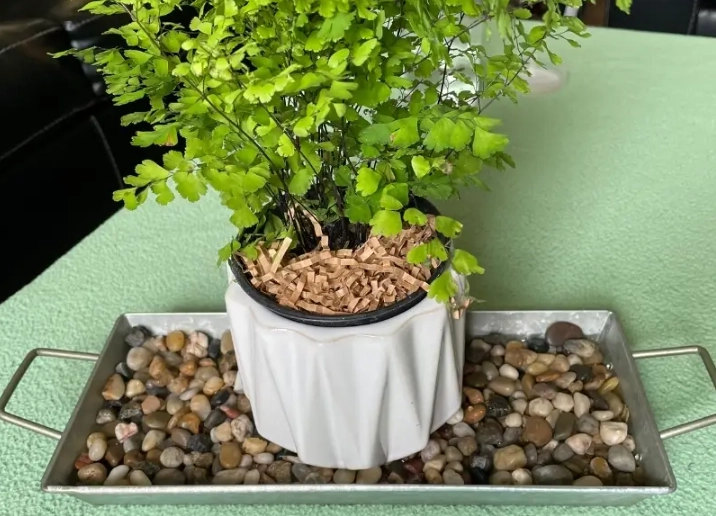
The Bathroom or Kitchen Hack
If you have a window that gets light, your bathroom is often the most humid room in the house thanks to showers. It's a perfect spot for ferns, orchids, and pothos. Just make sure there's enough light for the plant's needs.
When There's Too Much of a Good Thing: Lowering Humidity
Yes, this is a problem too, especially in naturally humid climates, terrariums, or greenhouses. Excess humidity for plants can be just as damaging, leading to:
- Powdery mildew or other fungal growth on leaves and soil.
- Root rot, as soil stays soggy for too long.
- Bacterial infections.
Solutions are more straightforward:
- Improve Air Circulation: This is the #1 fix. A gentle oscillating fan moving air around your plants prevents stagnant, moist air from settling on leaves. It doesn't dry out the room drastically, but it prevents microclimates of ultra-high humidity.
- Use a Dehumidifier: The direct opposite of a humidifier. Essential in damp basements or during muggy summers.
- Water Less: In high humidity, plants transpire less and therefore use less water from their soil. Adjust your watering schedule accordingly to avoid waterlogging.
- Choose the Right Plants: If you live in a consistently humid area, lean into plants that love it, and avoid cacti and succulents that will struggle.
Answering Your Real Questions About Humidity for Plants
Putting It All Together: A Simple Action Plan
Feeling overwhelmed? Don't be. Start here:
- Get a Hygrometer. Spend the $10. Know your enemy (or friend).
- Identify Your Plant's Needs. Use the table above or look up your specific plant. The Missouri Botanical Garden's Plant Finder is an authoritative, science-based resource for plant care info.
- Group Your Plants. Create a "humidity-loving" zone and a "dry-air-tolerating" zone.
- Choose Your Weapon. For the humidity-loving zone, decide on your main method: a humidifier for a whole room/collection, or pebble trays/terrariums for a few special specimens.
- Monitor and Adjust. Check your hygrometer, watch your plants. Are the brown tips stopping? Is new growth coming in healthy? That's your feedback.
Managing humidity for plants isn't about creating a rainforest in your living room (unless you want to!). It's about understanding a key environmental factor and making thoughtful adjustments. When you get it right, the difference is night and day. Your plants will be more resilient, grow faster, and simply look happier. And honestly, that's the whole point of having them around.
It’s not magic. It’s just giving them what they need, one molecule of water vapor at a time.
Reader Comments