In This Guide
- Why Bother? The High Cost of Misidentification
- The Usual Suspects: A Lineup of Common Garden Pests
- Your Step-by-Step Garden Pests Identification Field Guide
- Beyond the Bug: When It's Not a Pest at All
- What to Do After You ID the Pest: Management, Not Annihilation
- Your Garden Pests Identification Questions, Answered
- Building a Resilient Garden: The Best Pest Control is Prevention
Let's be honest. There's nothing quite as frustrating as walking out to your garden in the morning, coffee in hand, ready to admire your handiwork, only to find your prize lettuce shredded to ribbons or your tomato seedlings looking stunted and sad. You know something's wrong, but what? Who's the culprit? That moment of confusion is where the real work of garden pests identification begins. It's less about having a green thumb and more about developing a detective's eye.
I've been there. I once spent a week convinced a neighborhood cat was using my raised bed as a litter box, only to discover the real villain was a family of cutworms working the night shift. Getting garden pests identification right is the single most important step you can take. Spraying the wrong thing is a waste of time and money, and it can harm the good bugs you actually want around. This guide is the one I wish I'd had—a practical, no-nonsense walkthrough of how to figure out what's bugging your plants, and what to do about it.
Why Bother? The High Cost of Misidentification
So why is proper garden pests identification such a big deal? It's not just an academic exercise for garden nerds (though, guilty as charged). Getting it wrong has real consequences.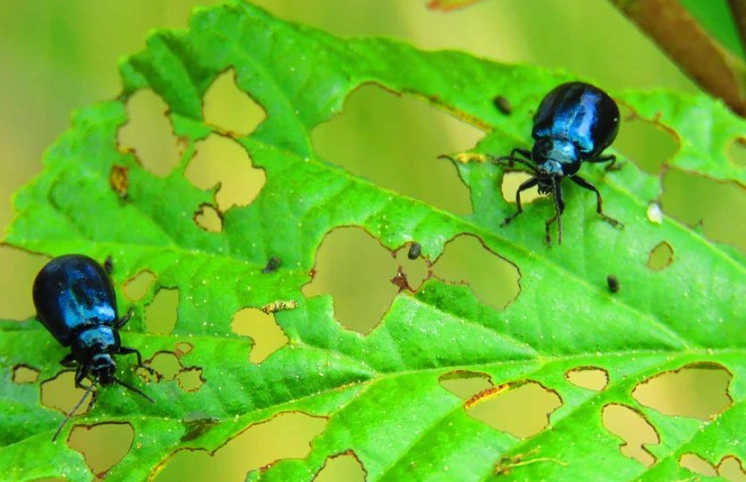
First, you can waste a ton of money on treatments that don't work. Aphids and spider mites are both tiny sap-suckers, but they respond to different organic sprays. Second, you might accidentally kill your allies. Ladybug larvae look a bit like tiny alligators and can be mistaken for pests, but they're voracious aphid eaters. Nuking your garden with a broad-spectrum insecticide kills them too, leaving you worse off than when you started. Finally, some plant problems look like pest damage but are actually due to watering issues, nutrient deficiencies, or disease. Treating for bugs when you have a fungal problem does exactly zero good.
The goal here is targeted, effective action. It saves your plants, your wallet, and your sanity.
The Usual Suspects: A Lineup of Common Garden Pests
Alright, let's get down to brass tacks. Here are the characters you're most likely to encounter in your garden drama. I've grouped them by their modus operandi—how they do their dirty work. This is the core of any practical garden pests identification system.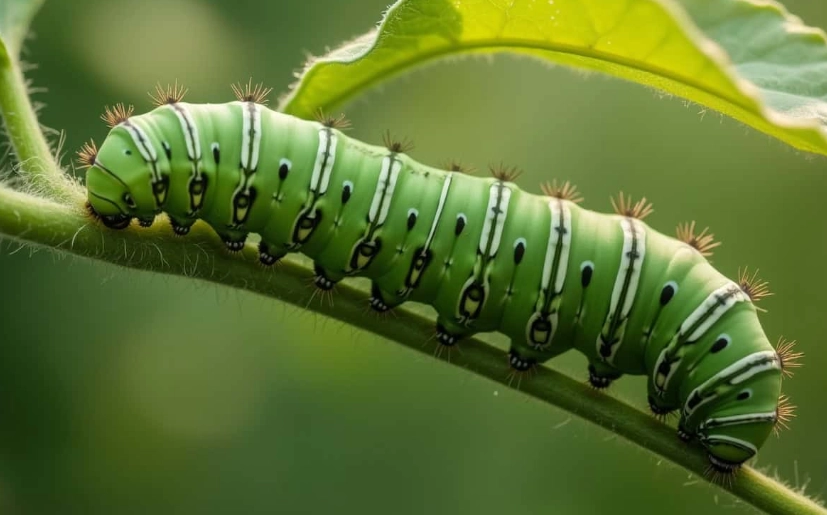
The Sap-Suckers: Tiny Vampires of the Plant World
These pests have needle-like mouthparts they use to pierce plant tissue and suck out the sugary sap. The damage is often subtle at first.
- Aphids: The classic. Tiny, pear-shaped, and found in clusters on new growth and undersides of leaves. They come in green, black, yellow, and even pink. They leave behind a sticky residue called honeydew, which can attract ants and lead to sooty mold. A strong blast of water is often all you need.
- Spider Mites: Nearly microscopic, these are not insects but arachnids. You'll often see their fine, silken webbing on the undersides of leaves before you see them. Leaves look stippled with tiny yellow dots and may turn bronze and dry out. They love hot, dusty conditions.
- Whiteflies: Tiny, moth-like insects that flutter up in a cloud when you disturb an infested plant. They also produce honeydew. They're particularly fond of tomatoes, peppers, and ornamentals like poinsettia.
- Scale Insects: Tricky ones. They often look like small, brown, bumpy growths on stems and leaves—more like a part of the plant than a bug. They don't move and are protected by a waxy shell. Rubbing alcohol on a cotton swab is the direct approach.
The Chewers: The Leaf-Munching Brigade
These are the pests that leave the most obvious, in-your-face damage. Holes, notches, missing entire leaves—that's their signature.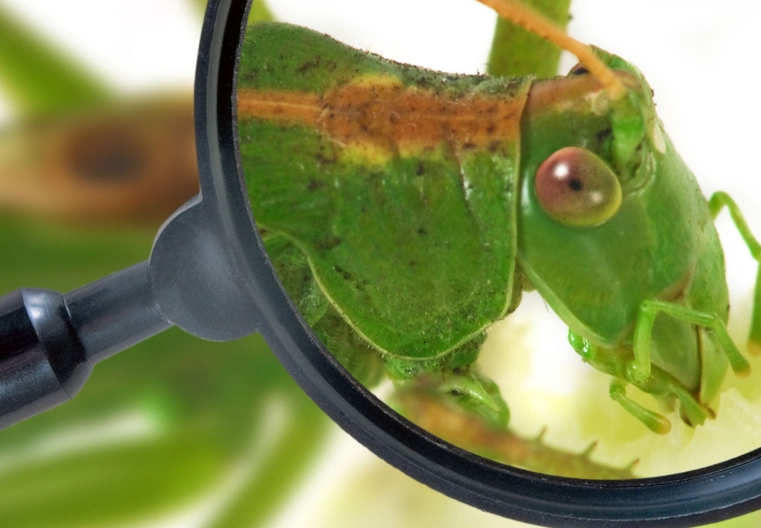
| Pest | What They Look Like | Signature Damage | Favorite Plants |
|---|---|---|---|
| Caterpillars (e.g., Cabbage Loopers, Tomato Hornworms) | Soft-bodied larvae of butterflies/moths. Vary in size/color. Hornworms are large, green with "horns." | Large, irregular holes in leaves. Hornworms can defoliate a tomato plant overnight. Frass (droppings) present. | Brassicas (cabbage, broccoli), tomatoes, peppers. |
| Japanese Beetles | Metallic blue-green bodies with copper wings. Easy to spot. | Skeletonized leaves (only the veins remain). They feed in groups, making damage severe quickly. | Roses, grapes, linden trees, raspberries. |
| Slugs & Snails | Slugs are shell-less, snails have spiral shells. Both leave a tell-tale silvery slime trail. | Large, ragged holes in leaves, especially near the ground. Seedlings can be completely eaten. | Hostas, lettuce, strawberries, tender seedlings. |
| Flea Beetles | Tiny, dark beetles that jump like fleas when disturbed. | Numerous small, shotgun-like holes in leaves, especially on young plants. | Eggplants, radishes, arugula, spinach. |
The table helps, but remember, many chewers are nocturnal. You might only see the damage, not the pest. That's where the slime trail (slugs/snails) or frass (caterpillars) becomes the crucial clue in your garden pests identification process.
The Underground Crew: Root and Stem Saboteurs
These pests work out of sight, and by the time you see above-ground symptoms (wilting, stunting, sudden plant collapse), the damage below can be severe.
- Cutworms: Fat, grayish or dull brown caterpillar larvae that curl into a C-shape when disturbed. They hide in soil or debris during the day. Their signature move? They "cut" through the stems of young seedlings at soil level, felling the plant like a tiny lumberjack. A cardboard collar around transplants is a great defense.
- Grubs (Beetle Larvae): White, C-shaped, with brown heads. They feed on grass and plant roots. In the veggie garden, they can devour the roots of corn, potatoes, and strawberries. If a plant pulls up too easily with few roots, suspect grubs.
- Root Aphids & Root Mealybugs: Like their above-ground cousins, but for roots. Plants yellow, wilt, and fail to thrive despite good care. You need to gently inspect the roots to find these cottony or waxy pests.
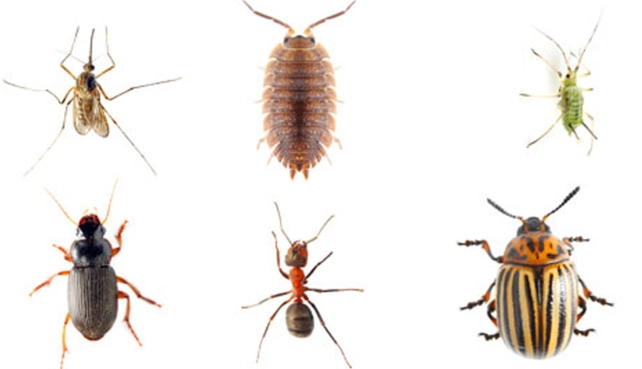
Your Step-by-Step Garden Pests Identification Field Guide
Okay, you see damage. Now what? Don't just grab a spray bottle. Follow this checklist. I keep a simplified version on my phone.
- Examine the Plant Thoroughly: Don't just look at the top of the leaf. Turn it over. Check the stems, especially where they meet the soil. Look at the newest growth and the oldest leaves—pests often have preferences.
- Describe the Damage Precisely: Are the holes large and ragged or tiny and shotgun-like? Is the leaf skeletonized or stippled with yellow dots? Is there a sticky residue or black sooty mold? Is the plant wilting from the top down or bottom up?
- Look for the Pest Itself (or Evidence): Is the bug there? If not, look for eggs (often on leaf undersides), frass (caterpillar poop looks like little black granules), shed skins, or slime trails. Come out at dawn or dusk with a flashlight—many pests are night feeders.
- Consider the Plant and Timing: Some pests are specialists. Squash bugs love, well, squash. Cabbage worms won't be on your tomatoes. Also, time of year matters. Aphids boom in spring and fall. Japanese beetles are a midsummer menace.
- Rule Out Other Problems: Could it be a disease? Fungal spots often have a yellow "halo." Could it be environmental? Sunscald, wind burn, or herbicide drift can mimic pest damage. Overwatering causes root rot, which looks like pest-induced wilting.
This systematic approach turns guesswork into a reliable garden pests identification routine.
Beyond the Bug: When It's Not a Pest at All
This is a critical gap in a lot of guides. Sometimes, the problem isn't a bug. Misdiagnosis here is super common. Let's clear some of that up.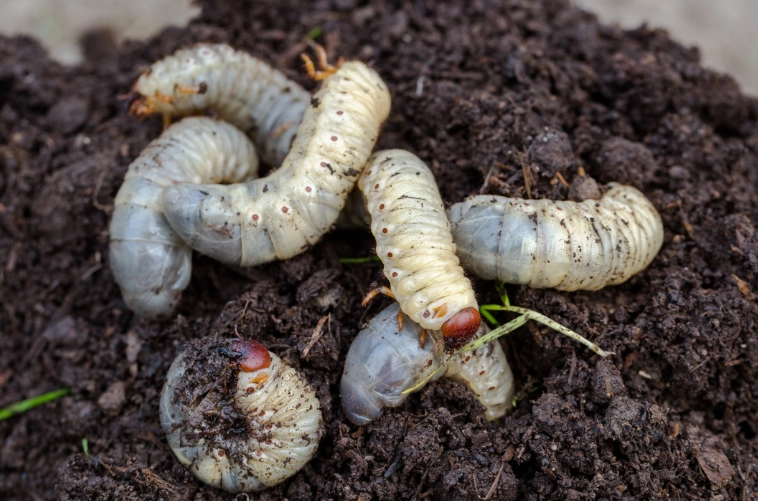
Disease vs. Pest: Fungal and bacterial diseases often cause spots, blotches, or powdery coatings. Pest damage typically involves removed tissue (holes, notches) or sucked-out sap (discoloration, stippling). A magnifying glass is your friend—if you don't see a bug or bug evidence, think disease.
Environmental Stress: This one gets me every time. Leaves with crispy, brown edges? Could be over-fertilizing (fertilizer burn) or inconsistent watering. Yellowing leaves? Could be a nitrogen deficiency, not aphids. Curling leaves? Could be too much sun/heat or a viral disease spread by… you guessed it, pests like aphids. See how it gets tangled?
For authoritative, science-backed information on differentiating plant problems, I always cross-reference with my state's university extension service website. For example, the University of California's Integrated Pest Management (IPM) site is an incredible, unbiased resource. The Royal Horticultural Society (RHS) pest profiles are also excellent for detailed life cycles and images.
What to Do After You ID the Pest: Management, Not Annihilation
So you've named your nemesis. The urge to go nuclear is strong. Resist it. The goal is management, keeping damage below a level you can tolerate, not creating a sterile, lifeless zone. Here's a tiered approach, from gentlest to most direct.
Level 1: Cultural & Physical Controls (Your First Response)
These methods change the environment or remove the pest by hand.
- Hand-Picking: For large pests like hornworms and Japanese beetles. Drop them into soapy water. It's gross but effective. Do it in the early morning when they're sluggish.
- Strong Water Spray: A blast from the hose knocks aphids, spider mites, and whiteflies off plants. It disrupts their feeding and must be repeated.
- Barriers: Floating row covers over crops keep pests off completely. Copper tape deters slugs/snails (they get a tiny electric shock). Cardboard collars stop cutworms.
- Garden Cleanliness: Remove spent plants, fallen fruit, and weeds where pests can hide and overwinter. This is huge for breaking their life cycle.
Level 2: Biological Controls (Enlisting an Army)
This is about encouraging or releasing the pests' natural enemies.
- Attract Beneficial Insects: Plant flowers like dill, fennel, yarrow, and alyssum to attract ladybugs, lacewings, and parasitic wasps. These are the predators that do the work for you.
- Microbial Insecticides: Bacillus thuringiensis (Bt) is a bacteria that specifically targets caterpillar guts. It's organic and doesn't harm other insects. Similarly, beneficial nematodes (microscopic worms) can be watered into soil to control grubs and other soil-dwelling pests.
Level 3: Targeted Organic & Chemical Controls (The Last Resort)
When levels 1 and 2 aren't enough, you may need to apply a treatment. Always choose the most targeted option.
- Insecticidal Soaps & Horticultural Oils: (Neem oil, etc.) These work by suffocating soft-bodied pests like aphids, mites, and young scales. They must contact the pest directly and have little residual effect, so they're gentle on beneficials. Read the label—some plants are sensitive to oils, especially in hot weather.
- Diatomaceous Earth (DE): A fine powder made from fossilized algae. It's sharp on a microscopic level and cuts up the exoskeletons of crawling insects like slugs and beetles. It loses effectiveness when wet.
- Botanical Insecticides: Pyrethrin (from chrysanthemums) is a broad-spectrum contact insecticide. It breaks down quickly but will kill good bugs too, so use with extreme caution and only as a last resort.
- Synthetic Insecticides: I'm not a fan for the home garden, to be honest. They often create more problems than they solve by wiping out predator populations, leading to worse pest rebounds. If you must, choose a systemic product for sap-suckers (like imidacloprid for aphids on non-flowering plants) with great care, as it can harm pollinators if the plant flowers.
The key is to match the tool to the job. You wouldn't use a sledgehammer to push in a thumbtack.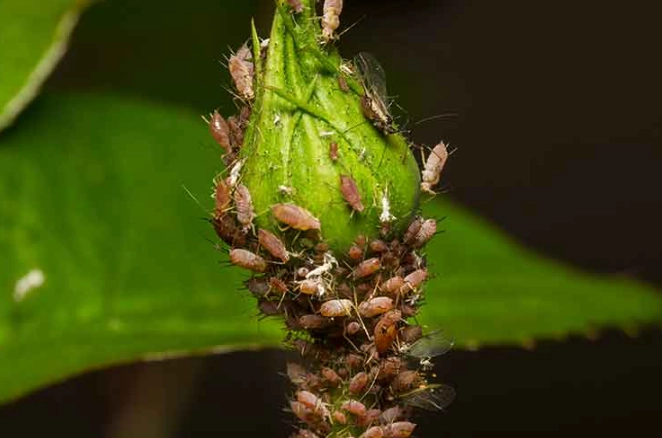
Your Garden Pests Identification Questions, Answered
Building a Resilient Garden: The Best Pest Control is Prevention
After years of playing whack-a-mole with pests, I've learned the hard way that the best garden pests identification skill is the one you rarely have to use because you've prevented major outbreaks. Here's how to build a garden that can handle pressure.
- Grow Healthy Soil: It all starts here. Healthy soil grows healthy plants, and healthy plants are more resistant to pest damage. Add compost regularly.
- Choose Resistant Varieties: When buying seeds or plants, look for codes like "VFN" on tomatoes (resistant to verticillium wilt, fusarium wilt, nematodes) or "PM" for powdery mildew resistance on squash.
- Practice Crop Rotation: Don't plant the same family of plants (e.g., tomatoes, peppers, potatoes = nightshades) in the same spot year after year. It breaks pest and disease cycles.
- Plant Diversely: Monocultures (big blocks of one plant) are pest buffets. Interplant flowers and herbs among your veggies. The scent and diversity confuse pests and attract their predators.
- Accept Imperfection: This might be the hardest one. A garden is a living ecosystem, not a display cabinet. A few holes in your leaves mean life is happening. It's okay.
The journey of garden pests identification never really ends. You'll get better and faster at it each season. You'll start to recognize patterns and anticipate problems. You'll learn which pests are your personal recurring villains (for me, it's squash bugs—I just don't grow squash anymore, it's not worth the fight!).
The most important thing is to start observing. Get close to your plants. Look at them every day. That connection, that careful attention, is what makes a gardener. The ability to spot a problem early and know exactly what's causing it—that's power. It turns you from a passive victim of garden chaos into an active, knowledgeable steward. Now go be a plant detective. Your garden is counting on you.
Reader Comments