- So, How Do You Actually Start with Hydroponic Gardening?
- The Secret Sauce: Nutrients and Water
- Let There Be (The Right) Light
- What Should You Actually Grow? (Beginner-Friendly Picks)
- Common Problems (And How to Fix Them Before You Panic)
- Answering Your Burning Questions (The FAQ I Wish I Had)
- Wrapping It Up: Your Action Plan
Let's be honest, the first time you hear about growing plants without soil, it sounds like science fiction. I thought the same thing. But after my third attempt at growing tomatoes in my shady backyard ended in a sad, slug-infested disaster, I decided to give this hydroponic gardening thing a real shot. And you know what? It changed everything.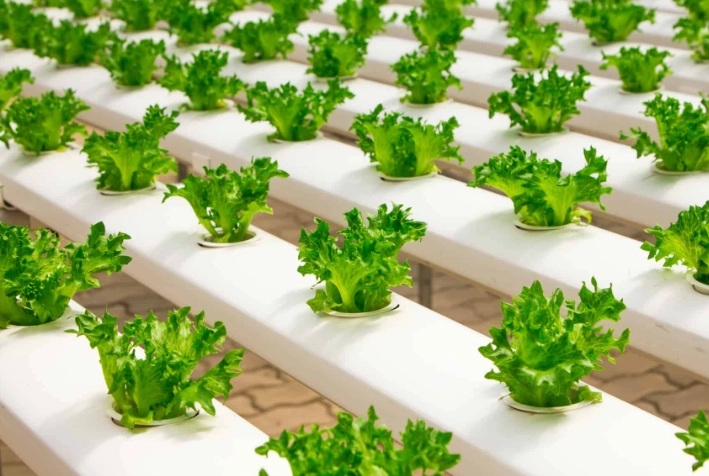
Hydroponic gardening isn't some futuristic, complicated hobby reserved for scientists with lab coats. It's actually pretty straightforward once you get past the initial jargon. At its core, it's just about giving plant roots what they need—water, nutrients, and oxygen—directly, without the soil acting as a middleman. The soil isn't the food; it's just the pantry that holds the food and water. In hydroponics, you become the pantry manager.
Why bother? Well, the control is incredible. You're not fighting with poor backyard soil, unpredictable weather, or weeds. Growth can be faster, yields can be bigger, and you use a fraction of the water compared to traditional gardening. It's also a lifesaver if you're like me and have more enthusiasm for growing food than you have actual sunny garden space.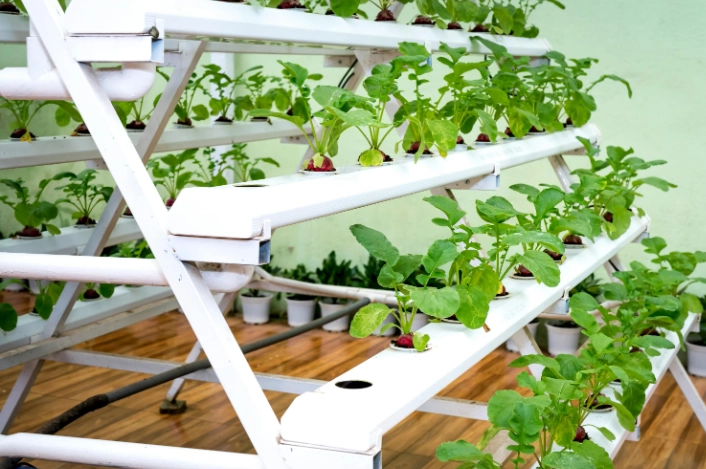
So, How Do You Actually Start with Hydroponic Gardening?
This is where most guides throw a textbook at you. Let's not do that. Starting a hydroponic garden boils down to five main pieces you need to get your head around. Think of it as a checklist.
The System: This is the structure that holds your plants and delivers the nutrient solution. It's the most visible part of your setup.
The Growing Medium: Since there's no soil, you need something to support the plant's roots and stem. This isn't food; it's just physical support, like a comfortable chair for your plant.
The Nutrient Solution: This is the plant's food. A mix of water and specific mineral nutrients that you have to mix yourself. This is the part that intimidates people, but it's easier than baking a cake from scratch.
Light: Unless you have a perfect, sun-drenched greenhouse, you'll likely need grow lights. This is a big topic we'll dive into.
The Plants Themselves: Not everything thrives in water. Picking the right plant for your first try is half the battle.
Picking Your First Hydroponic System (Don't Overthink This)
If you search online, you'll find dozens of system types with names like "Aeroponics" and "Nutrient Film Technique." It's overwhelming. For a beginner, you only need to know about two or three. Seriously. I wasted weeks comparing complex systems before a seasoned grower told me to just pick one and start.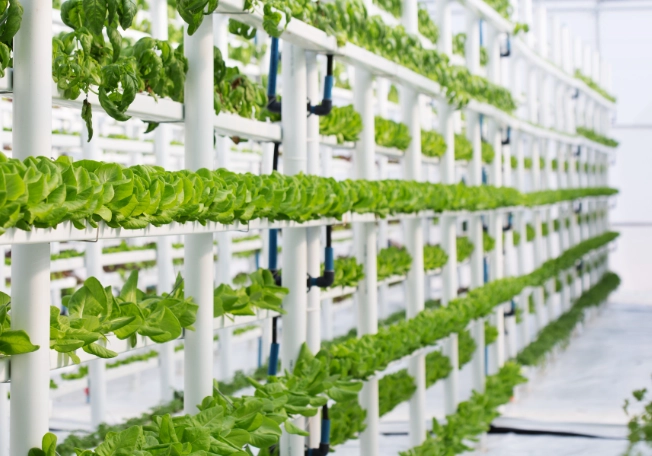
Here’s a no-nonsense comparison of the most beginner-friendly hydroponic gardening systems:
| System Name | How It Works (Simply) | Best For Beginners Because... | My Honest Take |
|---|---|---|---|
| Deep Water Culture (DWC) | Plant roots dangle directly into a tub of oxygenated nutrient solution. | It's dead simple, cheap to build, and you can see the roots grow (which is cool). | This is where I tell everyone to start. It's forgiving and teaches you the basics. My first successful lettuce came from a DWC bucket. |
| Kratky Method | A passive, non-circulating version of DWC. No pumps or electricity. | It's the ultimate low-tech, set-and-forget option. Great for herbs and leafy greens. | Brilliantly simple, but only for short-term crops. Don't try to grow tomatoes with it for months; it's not designed for that. |
| Ebb and Flow (Flood & Drain) | A pump floods the plant tray with nutrients, then drains it back, giving roots air. | It's versatile, works for many plant sizes, and the cycle is easy to automate. | More moving parts than DWC (a pump and timer), so more can go wrong. A great second system. |
| Drip System | Nutrients drip slowly to the base of each plant, like an IV drip. | Familiar concept, excellent for larger plants like peppers and cucumbers. | Can get clogged if you're not careful with your nutrient mix. Requires more maintenance than people admit. |
My strong recommendation? Start with a Deep Water Culture setup. You can build one with a 5-gallon bucket, a net pot, an air pump for an aquarium, and some tubing. The total cost can be under $50. This hands-on start teaches you more about how hydroponic gardening really works than buying a $300 pre-made kit ever will.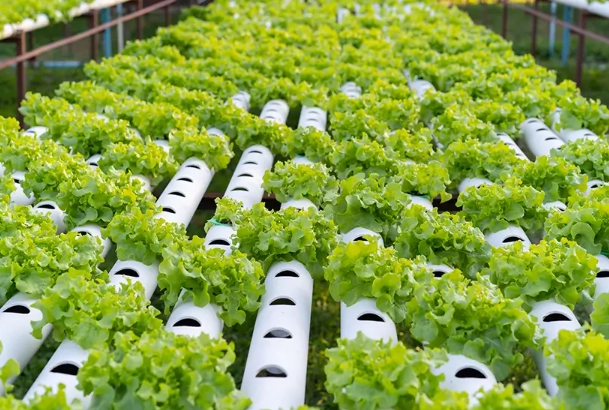
What Do You Put the Plants In? (The Growing Medium Lowdown)
You need something to hold your seedling and its roots. This medium is inert—it doesn't provide nutrients. Its job is to hold moisture, allow air to reach the roots, and provide stability. Here's the shortlist of what actually works:
- Clay Pebbles (LECA): These are my go-to. They're reusable, provide great air flow, and are pH neutral. Rinse them well before use—they're dusty.
- Rockwool Cubes: Incredible for starting seeds. They hold water and air perfectly. The downside? They're not eco-friendly (they're made from molten rock) and can stay too wet if you're not careful.
- Coconut Coir: A sustainable byproduct from coconut husks. It holds water well and is forgiving. Sometimes it needs to be buffered (soaked) to remove excess salts.
- Perlite & Vermiculite Mix: A classic, cheap option. Perlite is for aeration, vermiculite holds water. It's light and works well but can be messy.
For a DWC system, I'd grab a bag of clay pebbles. For starting seeds, a pack of rockwool starter cubes is hard to beat, even with its environmental downside.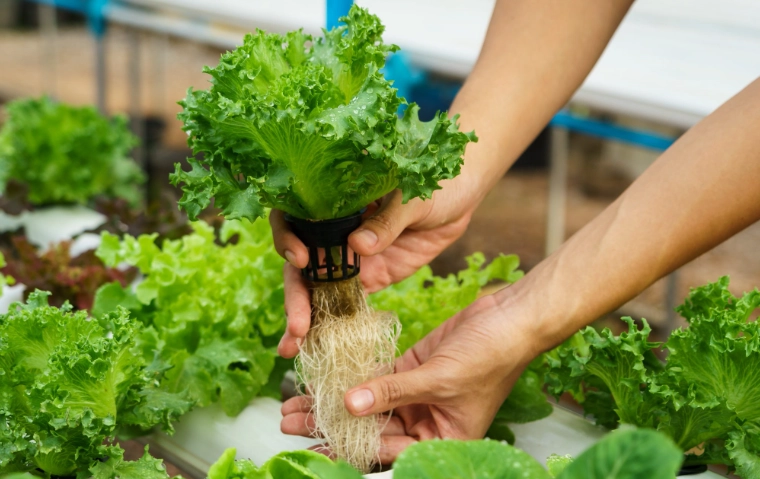
The Secret Sauce: Nutrients and Water
This is the part that scared me the most. Mixing plant food? Measuring in parts per million? It felt like chemistry class. But it's simpler than it seems.
Plants need a range of macro and micronutrients. The big three (N-P-K: Nitrogen, Phosphorus, Potassium) are on every bottle of fertilizer. In hydroponic gardening, you need a formula designed for water-based growing. Do not use regular garden fertilizer. It will clog your system and likely kill your plants.
You have two main choices:
- Liquid Concentrates: Usually come as a 2-part or 3-part system (Grow, Bloom, Micro). You add a certain amount of each to your water. Easy, but can be more expensive long-term.
- Water-Soluble Powders: You mix a powder into water. Generally more cost-effective, but you need to be precise with your measuring scale.
I started with the General Hydroponics FloraSeries 3-part liquid. It's a bit of an industry standard for beginners for a reason—it's forgiving and well-documented. Follow the feeding chart on the bottle for your plant's stage (seedling, vegetative growth, flowering/fruiting).
The pH and EC Dance (It's Not That Bad)
If nutrients are the food, pH is about whether your plant can actually open its mouth to eat. Most plants in hydroponic systems prefer a slightly acidic environment, typically between 5.5 and 6.5. Outside this range, nutrients get "locked out"—they're in the water, but the plant can't absorb them.
You must check and adjust pH. It's non-negotiable. Get a digital pH meter (the $20-$30 ones are fine for starters, just keep them calibrated) and a small bottle of pH Up and pH Down solutions.
EC (Electrical Conductivity) or TDS (Total Dissolved Solids) measures the total strength of your nutrient solution. A simple TDS meter tells you if you've added too much or too little food. Start with the recommendation on your nutrient bottle and adjust based on how your plants look.
Here's my routine: Every Sunday, I check the pH. If it's off, I adjust it. I check the EC. If the water level has gone down a lot, I top it up with fresh pH-adjusted water. Once a week, maybe 15 minutes of work for a small system.
Let There Be (The Right) Light
Unless you have a perfect south-facing window (and even then, it's often not enough), you'll need grow lights. The LED vs. fluorescent debate is over. Go with LED. They're more energy-efficient, run cooler, and last longer. The upfront cost is higher, but they pay for themselves.
Don't get bogged down in spectrum charts. For leafy greens and herbs, a simple full-spectrum white LED panel is perfect. For flowering/fruiting plants like tomatoes, look for lights that include more red wavelengths in their spectrum.
The real metric to care about is PPFD (Photosynthetic Photon Flux Density)—how many usable light particles hit your plant per second. But you don't need a meter. Use the manufacturer's hanging height guidelines. As a rule of thumb, seedlings need light 12-18 inches away, mature leafy greens 6-12 inches, and fruiting plants 12-24 inches. Watch your plants. If they're stretching tall and leggy, the light is too far. If leaves are bleaching or curling, it's too close.
What Should You Actually Grow? (Beginner-Friendly Picks)
Ambition is great, but start with a win. Some plants are dramatically easier for your first foray into hydroponic gardening.
Top Tier (Almost Foolproof):
- Lettuce (all types): The classic. Fast, forgiving, and doesn't need intense light or nutrients. Romaine, butterhead, oakleaf—they all work.
- Leafy Greens: Kale, Swiss chard, spinach, arugula. They grow quickly and you can harvest leaves continuously.
- Herbs: Basil, mint, cilantro, parsley. Basil in particular thrives in hydroponics and grows like a weed.
Great Next Steps:
- Strawberries: They love hydroponics! They do need more attention to nutrients and pollination (a gentle brush works).
- Peppers (Bell & Chili): They need more light and a stronger nutrient solution, but they're prolific and rewarding.
- Cucumbers & Beans: Fast-growing and fun, but they get big and need vertical support.
Hold Off For Now:
- Large Tomatoes: They are heavy feeders, need intense light for fruiting, and get huge. Try compact or dwarf varieties first.
- Root Vegetables (Carrots, Potatoes): Technically possible, but tricky. The medium needs to support the root shape. Not for your first try.
- Corn or Large Squash: Just... no. The space and light requirements are immense.
Start a simple DWC tub with 4-6 lettuce plants. The rapid growth and success will give you the confidence to try more.
Common Problems (And How to Fix Them Before You Panic)
Things will go wrong. It's part of learning. Here's a quick troubleshooting guide based on my own facepalm moments.
Yellowing Leaves: This is the most common cry for help. Old leaves yellowing? Probably normal aging. New growth yellowing? Likely a nitrogen deficiency or (more often) a pH lockout. Check and adjust your pH first.
Brown, Slimy Roots (Root Rot): This is the nightmare. It means your roots are suffocating and bacteria/fungus is taking over. It smells bad. The cause is usually insufficient oxygen (a failed air pump in DWC) or water temperatures consistently above 70°F (21°C). Solution: Increase aeration, add a water chiller if needed, or use a beneficial bacteria product like Hydroguard to outcompete the bad guys.
Plants Wilting in a Full Reservoir: If the roots are in water but the plant looks thirsty, it's often root damage from rot, or the nutrient solution is too strong (high EC) and is actually pulling water out of the roots. Flush the system with plain, pH-balanced water for a day, then reintroduce a weaker nutrient solution.
Algae Growth: Algae loves light and nutrients. If you see green slime in your reservoir or on your medium, light is getting where it shouldn't. Use opaque containers (not clear), cover any exposed water surfaces (like in net pots with clay pebbles), and block light leaks. Algae itself isn't a direct killer, but it competes for nutrients and can clog systems.
Answering Your Burning Questions (The FAQ I Wish I Had)
Let's tackle some of the specific questions that kept me up at night when I was starting.
Is hydroponic gardening more expensive than soil gardening?
Initially, yes. You have startup costs for a system, lights, pumps, and meters. But long-term, you can save on water, fertilizers (less waste), and space. For year-round production, especially of high-value herbs and greens, it can become very cost-effective. You're paying for control and consistency.
Are hydroponically grown vegetables as nutritious as soil-grown?
This is a hot topic. The short answer is yes, they can be, and often are more consistent. A plant gets its vitamins and minerals from the nutrient solution you provide. If you provide a complete spectrum of nutrients, the plant will absorb them. Some studies, like those referenced by university agricultural extensions (e.g., from the University of Minnesota Extension), indicate that hydroponic produce can match or exceed the nutritional value of soil-grown, depending on the nutrient management. The flavor is determined by genetics, nutrients, and light—not the presence of soil.
How often do I change the water in my hydroponic system?
For a small, recirculating system (like DWC or Ebb and Flow), a complete nutrient change every 1-2 weeks is a good rule. You're topping up with water as plants drink, but nutrients get used at different rates, throwing the balance off over time. A fresh start every couple of weeks keeps things optimal. For the Kratky method, you don't change it; you let the plant consume it until harvest.
Can I use tap water for my hydroponic garden?
You can, but you need to know what's in it. Let it sit out for 24 hours to allow chlorine to evaporate. The bigger issue is hard water with lots of dissolved minerals (calcium, magnesium). This will affect your EC and pH. You might need to use a "hard water" specific nutrient formula or consider a reverse osmosis filter if your tap water is very hard. Test your water's EC before adding nutrients.
Where can I learn more from reliable sources?
It's crucial to get information from research-based institutions to avoid hobbyist myths. Here are a few fantastic, authoritative starting points:
- The University of Maryland Extension's hydroponics page offers clear, science-backed introductions and resources.
- For deep dives into commercial and scientific aspects, the NASA website has published fascinating research on hydroponics and controlled environment agriculture for space missions, which trickles down to home applications.
- Your own state's Cooperative Extension Service (search "[Your State] cooperative extension hydroponics") is an invaluable, locally-relevant resource often overlooked.
Wrapping It Up: Your Action Plan
Look, the world of hydroponic gardening is deep. You can spend a lifetime mastering it. But you don't need to be a master to get started and get results.
Here's your literal to-do list if you're feeling inspired right now:
- Decide on a System: Commit to starting with a simple Deep Water Culture (DWC) bucket or a small Kratky jar for herbs.
- Gather Parts: Bucket, net pot, air pump & stone, clay pebbles, a small bottle of 2-part hydroponic nutrients, a pH test kit or meter, and pH adjusters.
- Pick Your Plant: Buy a lettuce seedling from a garden center or start some basil seeds in a rockwool cube.
- Assemble & Mix: Put it all together. Mix nutrients in a gallon jug per the bottle's "seedling" or "mild vegetative" instructions. Adjust the pH to 6.0.
- Plant & Wait: Place your seedling (gently rinsed of soil) into the net pot with clay pebbles. Set the light timer for 14-16 hours on. Walk away.
- Observe & Learn: Check the water level and pH once a week. Watch it grow. That's it.
The biggest barrier is starting. You will make mistakes. I killed plants with kindness (overfeeding) and neglect (forgetting to top up water). Every failure taught me more than any success did. Hydroponic gardening gives you a front-row seat to plant biology. It's incredibly satisfying to see roots explode in growth and leaves unfurl at a speed soil just can't match.
So, grab a bucket. Don't aim for a perfect, Instagram-ready setup on day one. Aim for a single, living, thriving plant. The rest will follow.
Reader Comments