Quick Navigation
- Why Do Indoor Plants Die? The Usual Suspects
- Light: Reading Your Room's Sunshine Menu
- Watering: The Art of Not Drowning Your Friends
- Soil & Pots: The Foundation Matters
- Humidity & Temperature: The Comfort Zone
- Feeding & Maintenance: The Extra Mile
- Troubleshooting: The Plant ICU
- My Top 5 Foolproof Starter Plants
Let's be real for a second. How many of us have brought home a beautiful, leafy friend, only to watch it slowly (or sometimes not so slowly) turn into a sad, crispy shadow of its former self? I've been there. I've killed a succulent – the plant everyone says is impossible to kill. That was a low point. But over the years, through a lot of trial and even more error, I've figured out that successful indoor plant care isn't about having a green thumb. It's about understanding a few basic things your plant is silently screaming for.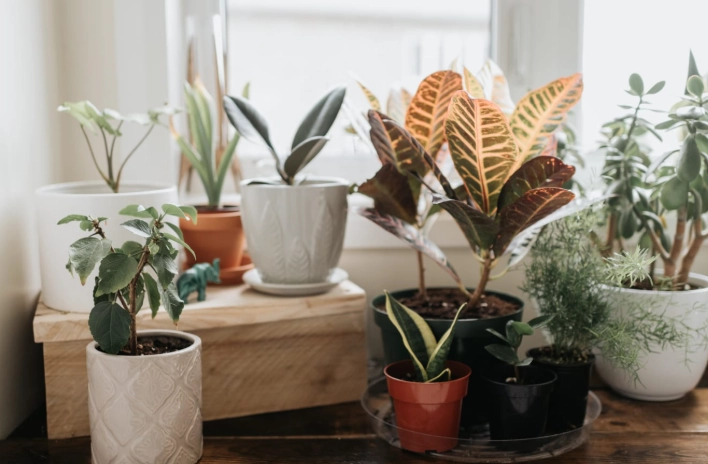
Most plants don't just up and die. We kill them with kindness (overwatering, I'm looking at you) or neglect. This guide is my attempt to save you from the heartbreak and the guilt. We'll skip the fluffy, poetic plant stuff and get down to the nitty-gritty: light, water, dirt, and what to do when it all goes wrong.
Why Do Indoor Plants Die? The Usual Suspects
Before we get into the how-to, let's diagnose the why-not. If you're struggling, your issue likely falls into one of these camps. Recognizing this is half the battle.
- Too Much Love (Water): This is the number one killer, hands down. Roots need air as much as they need water. Soggy soil suffocates them, leading to rot. A plant can often bounce back from being dry, but from rotten roots? It's a much tougher fight.
- The Wrong Spot (Light): Putting a sun-worshipping cactus in a dark bathroom is a death sentence. So is shoving a delicate fern into a blazing south-facing window. Light is food. No food, no growth. Wrong food, stress.
- Stale, Sad Soil: That soil it came in from the big-box store? It's usually terrible. It's often just peat moss held together with hope, designed to stay moist in transit, not to support long-term health. Nutrients get used up. Soil breaks down.
- Ignoring the Seasons: Your plant doesn't know it's living in your climate-controlled apartment. It feels the seasons through light and, to some extent, temperature. It needs less water in winter. It might stop growing. Treating it the same year-round is a mistake.
See? It's usually not some mysterious plague. It's fundamentals. So let's build from the ground up, literally.
Light: Reading Your Room's Sunshine Menu
Light is the non-negotiable. You can't fake it with love. The terms "bright indirect light" or "low light" get thrown around, but what do they actually mean in your living room?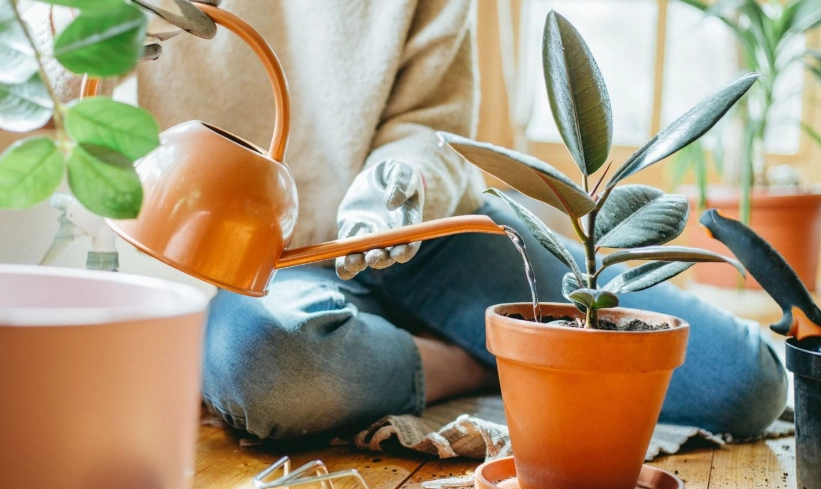
Breaking Down the Light Levels
| Light Type | What It Looks Like | Best For... | Plants That Will Struggle |
|---|---|---|---|
| Direct Sun | Sunbeams directly hitting the leaves for 4+ hours. South-facing window. | Cacti, succulents, fiddle leaf fig, bird of paradise. | Most ferns, peace lilies, Chinese evergreens (they'll scorch). |
| Bright Indirect | The gold standard. A very bright room where the sun never directly hits the plant. East-facing window, or a few feet back from a south/west window. | Monstera, pothos, philodendron, rubber plant, spider plant. The classics. | Succulents will get leggy. Some flowering plants won't bloom. |
| Medium Light | A consistently well-lit room, but further from the window. North-facing window. | ZZ plant, snake plant, cast iron plant, some philodendrons. | Flowering plants, variegated plants (they may revert to green). |
| Low Light | No windows, or a room with a small, shaded window. Think office cubicle or bathroom with a small frosted pane. | Snake plant, ZZ plant, pothos (will grow slowly), lucky bamboo. | Almost everything else. This is survival, not thriving. |
Here's my personal rule: when in doubt, err on the side of less direct sun. Leaf scorch is immediate and ugly. Slow growth from low light can be fixed by moving the plant. A burnt leaf is a lost cause.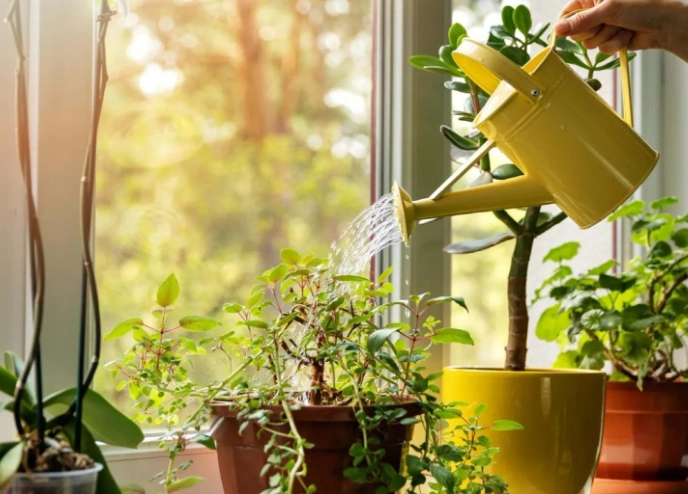
Watering: The Art of Not Drowning Your Friends
This is where most indoor plant care routines fall apart. We see a droopy leaf and reach for the watering can. But droopy leaves can mean too dry OR too wet. You have to check.
Forget the Schedule. Use the Finger Test.
Throw out the idea of "watering every Tuesday." It's useless. Stick your finger into the soil, up to your first knuckle (about an inch deep). What do you feel?
- Dry: Time to water. For most common houseplants, this is the cue.
- Damp/Cool: Wait. Check again in a few days.
- Wet/Soggy: You've probably already overwatered. Hold off and let it dry out significantly.
How to Water Properly (It's Not Just a Sprinkle)
When you do water, do it thoroughly. Take the plant to the sink, or use a watering can without a rose (those sprinkle heads). Water slowly over the entire soil surface until you see water flowing freely out of the drainage holes. Let it drain completely before putting it back in its decorative pot. This ensures the entire root ball gets moisture and flushes out excess salts from fertilizers.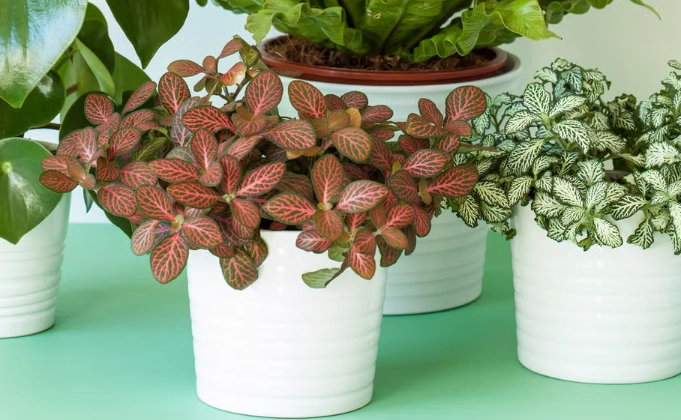
Bottom watering is another great technique. Place the pot in a tray of water and let the soil soak it up from the bottom for about 30 minutes. This encourages roots to grow downward and is great for plants like African Violets that don't like wet leaves. But you still need to top-water occasionally to flush the soil.
Soil & Pots: The Foundation Matters
That generic "potting soil" bag? It's often too dense and moisture-retentive for long-term indoor plant care. Most houseplants want a mix that's airy and well-draining.
A Simple, Universal DIY Mix:
You can buy fancy aroid mixes, but this one works for probably 80% of your foliage plants:
- 2 parts All-Purpose Potting Soil: The base. Look for one without added moisture-retention crystals.
- 1 part Perlite or Pumice: For aeration and drainage. This is the white, fluffy stuff. It's non-negotiable for creating air pockets.
- 1 part Orchid Bark or Coco Chips: For chunkiness and to prevent compaction. This mimics the forest floor debris many tropical plants love.
For succulents and cacti, I'd go even heavier on the inorganic stuff: 1 part soil, 1 part perlite, 1 part coarse sand or more pumice.
Choosing the Right Container
The pot is more than decor. Drainage holes are essential. No holes, no plant. It's that simple. Terracotta pots are fantastic for beginners because they're porous and help soil dry out faster, preventing overwatering. Glazed ceramic or plastic pots retain moisture longer, which is good for thirsty plants or if you tend to underwater.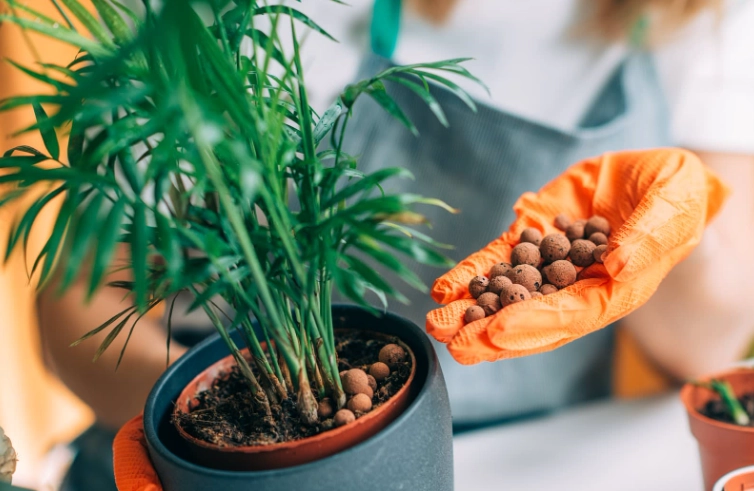
Size matters. Only repot into a pot that is 1-2 inches larger in diameter than the current one. A tiny plant in a huge pot means a huge volume of wet soil around a small root system – a recipe for rot.
Humidity & Temperature: The Comfort Zone
Most popular houseplants are tropical. Your home, especially in winter with the heat on, is a desert to them. Low humidity leads to crispy brown leaf tips, which is mostly a cosmetic issue but can stress the plant.
Easy Ways to Boost Humidity (Without a Humidifier)
- Pebble Trays: Fill a shallow tray with pebbles and water. Place the pot on top (not *in* the water). As the water evaporates, it creates a little humid microclimate.
- Group Plants Together: Plants release moisture through their leaves (transpiration). Grouping them creates a communal humid zone.
- Misting: Honestly, its effect is fleeting. It might feel good for a few minutes, but it doesn't raise ambient humidity meaningfully. It can also promote fungal issues on some plants if water sits on the leaves. I don't really bother with it.
Temperature is easier. Most houseplants are happy with normal indoor temperatures (65-80°F / 18-27°C). The bigger issue is drafts—keep them away from heating vents, air conditioning blasts, and drafty windows in winter.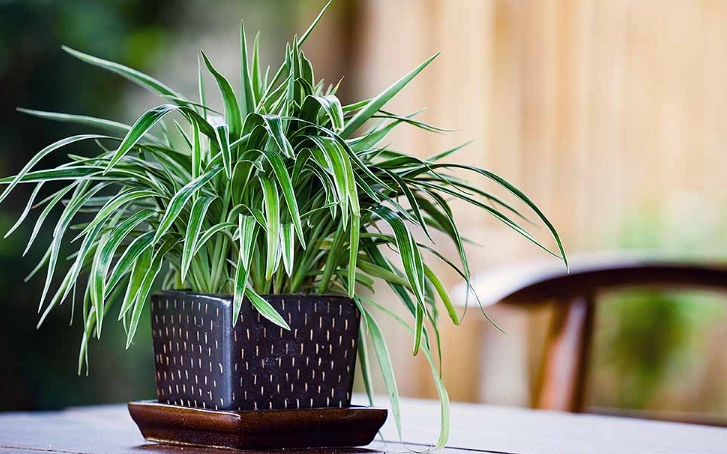
Feeding & Maintenance: The Extra Mile
Fertilizer is plant food, but it's not the main course (light is). Think of it as vitamins.
- When: Only during the active growing season (spring and summer). In fall and winter, stop or drastically reduce.
- What: A balanced, water-soluble fertilizer (look for an N-P-K ratio like 10-10-10 or 20-20-20).
- How: Dilute it! I almost always use half the strength recommended on the bottle. It's safer. You can fertilize weakly, weekly during a watering in the growing season.
Dust your plants' leaves. A layer of dust blocks light. Just wipe them gently with a damp cloth every month or so. It makes a huge difference in how they photosynthesize and how they look.
Common Indoor Plant Care Questions, Answered
Troubleshooting: The Plant ICU
When things go really south, here's your action plan.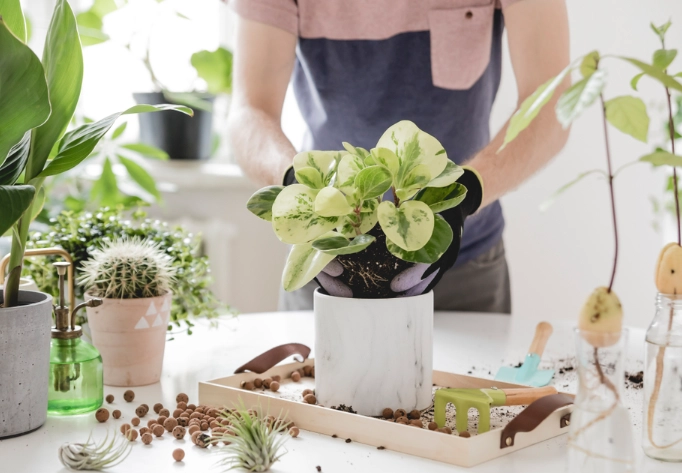
Overwatering & Root Rot
Symptoms: Yellowing leaves, mushy black/brown stems near the soil, a foul smell from the soil, the plant collapsing.
Action: This is serious. Immediately remove the plant from its pot. Wash off all the old soil. With sterilized scissors, cut away any roots that are black, mushy, and slimy (healthy roots are firm and white or tan). Repot into fresh, dry, well-draining mix. Don't water for a few days. Pray. Some plants (like succulents) you can try to save by cutting off the healthy top and re-rooting it.
Pests: The Uninvited Guests
Isolate any new plant for a couple of weeks. Check regularly under leaves and along stems.
- Spider Mites: Tiny red/brown dots, fine webbing. Wipe leaves with a damp cloth regularly. For infestations, insecticidal soap or neem oil sprays work.
- Mealybugs: Look like tiny bits of white cotton fluff. Dip a Q-tip in rubbing alcohol and dab each one directly. It's satisfying and effective.
- Scale: Little brown/beige bumps stuck to stems and leaves. Scrape them off with a fingernail or an old toothbrush, then treat with horticultural oil.
For any pest, consistency is key. Treat every 5-7 days for at least 3-4 rounds to break the life cycle.
My Top 5 Foolproof Starter Plants
If you're just starting, build confidence with these. They're forgiving and will teach you the basics.
- Snake Plant (Sansevieria): The ultimate neglect-tolerant plant. Thrives on low light and infrequent watering. It's practically indestructible.
- ZZ Plant (Zamioculcas zamiifolia): Another champion of low light and drought. Its rhizomes store water. You might forget it exists, and it'll be fine.
- Pothos (Epipremnum aureum): A fast-growing vine that tolerates a wide range of light. It tells you when it's thirsty by getting slightly droopy. Perfect for learning watering cues.
- Spider Plant (Chlorophytum comosum): Loves bright indirect light and sends out cute "babies" you can propagate. It's non-toxic and great for hanging baskets.
- Chinese Evergreen (Aglaonema): Comes in stunning red and pink varieties. Does well in medium to low light and is pretty chill about watering. A great step up from the all-green crew.
Start with one or two. Learn their rhythms. Don't try to build a jungle in a week.
Look, the heart of indoor plant care is observation. Look at your plants. Touch the soil. Notice if a new leaf is forming. It's a slow, quiet hobby. The goal isn't perfection. It's having a bit of living green in your space that makes you happy. Some leaves will get crispy. You'll overwater something. It happens to everyone. The plants that survive with you become your partners. They're not just decor; they're a record of time and a little bit of learned patience.
So grab a pothos, stick your finger in the dirt, and just start. You'll figure it out as you go. We all did.
Reader Comments