Quick Garden Guide
- Why Raised Beds? Let's Talk Real Benefits
- Designing Your Raised Bed: Ideas to Spark Your Creativity
- How to Build a Raised Garden Bed: The Nitty-Gritty
- What to Plant: Best Plants for Raised Beds
- Keeping It Alive: Maintenance & Problem-Solving
- Your Raised Bed Gardening Questions Answered
- Wrapping It Up: Your Garden Awaits
So you're thinking about starting a raised bed garden. Good choice. Honestly, it's one of the best decisions I made in my own yard. I used to struggle with the heavy, compacted clay in my backyard – nothing wanted to grow, and weeding was a back-breaking chore every weekend. Then I built my first raised bed, and it felt like a cheat code for gardening. The soil stayed loose, the weeds were manageable, and my plants actually thrived. If you're looking for raised bed gardening ideas, you've come to the right place. This isn't just a list of pretty pictures; we're going to dig into the how, the why, and the what-next of making your raised bed project a success.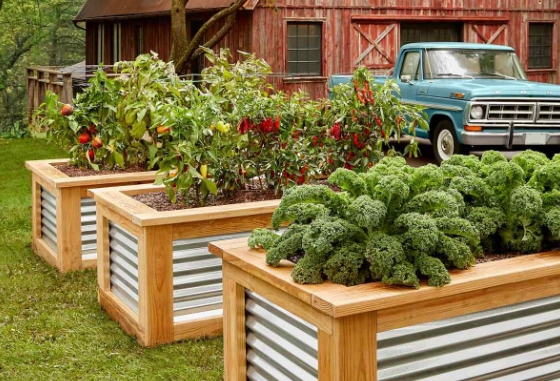
Let's be honest, though. Not every idea you see on Pinterest is practical. Some of those elaborate multi-level designs look amazing but might be a nightmare to actually build or maintain. We'll sort the truly useful raised bed gardening ideas from the just-for-show ones.
Why Raised Beds? Let's Talk Real Benefits
Before we jump into the designs, it helps to know why you're doing this. Is it just because it looks neat? Sometimes, that's reason enough. But there are some solid, practical advantages that make raised bed gardening ideas worth considering.
First, you have complete control over the soil. This is huge. If your native soil is rock, sand, or impenetrable clay, you can just fill your bed with a perfect, fluffy, nutrient-rich mix. No more amending terrible ground for years. You start with the good stuff right away. The soil in a raised bed also warms up faster in the spring, which means you can plant earlier. And because you're not walking on it, the soil doesn't get compacted. Roots can spread easily, and water drains well, which most plants love.
My Experience: The first year I planted tomatoes directly in my clay soil, they were stunted and produced maybe three sad fruits. The next year, in a raised bed with a 50/50 blend of topsoil and compost, the same variety went wild. It was a night-and-day difference.
Then there's the back factor. Bending over less is a major win. Even a bed that's just 12 inches high saves a lot of strain. You can build them even higher – waist-high beds are a fantastic raised bed gardening idea for anyone with mobility issues or who just wants to garden comfortably.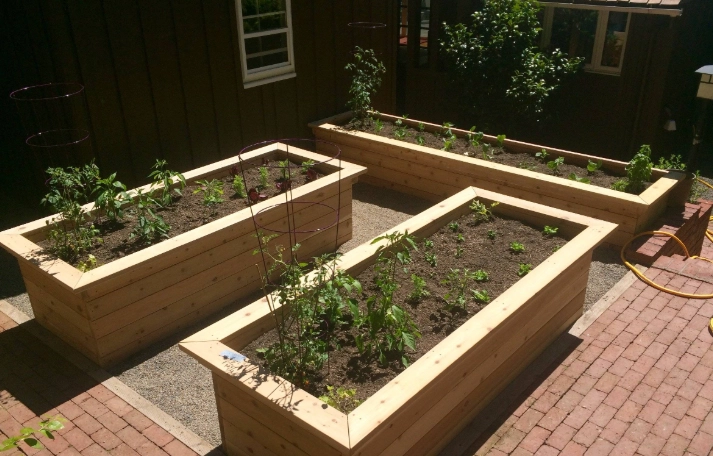
Pest control can be easier too. It's a bit harder for slugs and some critters to climb up (though not impossible – deer will still laugh at your 2-foot wall). You can also attach hardware cloth to the bottom to deter burrowing animals like gophers, which is a common tip in practical raised bed gardening guides.
Designing Your Raised Bed: Ideas to Spark Your Creativity
This is the fun part. Your raised bed doesn't have to be a boring rectangle of wood. Well, it can be – and there's absolutely nothing wrong with that. Simple is often best. But if you want to get creative, there are endless raised bed gardening ideas to match your space and style.
The Classic Wooden Frame
The go-to for a reason. It's affordable, easy to work with, and looks natural in a garden. Cedar and redwood are top choices because they're naturally rot-resistant. Pressure-treated lumber is a controversial one. The old stuff contained arsenic, which was bad news. Modern treatments (like ACQ) are considered safer for gardens, but some gardeners still prefer to avoid them for edible plants. If you use it, lining the inside with heavy-duty plastic is a common precaution. Personally, I stick with cedar for peace of mind, even though it costs more upfront.
Beyond the Rectangle
Why stick to four sides? L-shaped beds fit perfectly into a corner. U-shaped beds create a little gardening nook you can step into. Keyhole garden beds, with a central compost basket and a notch for access, are a brilliant raised bed gardening idea for maximizing space and creating a self-fertilizing system. They're popular in permaculture designs.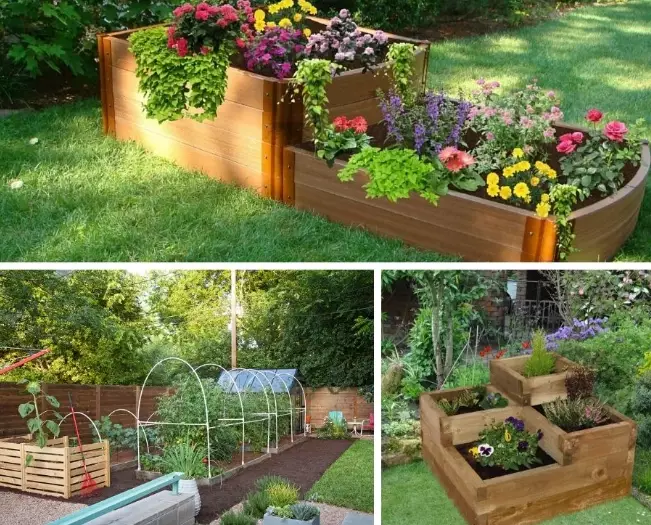
Quick List of Shape Ideas:
- Square/Modular: Build several identical square beds. You can arrange them in a grid, a line, or stagger them. This looks very tidy and is great for crop rotation.
- Vertical or Tiered: Perfect for slopes. A series of beds stepping down a hill looks stunning and prevents erosion. You can also build a tall bed with a lower shelf in front for herbs or flowers.
- Circular or Spiral: A herb spiral is a famous permaculture concept. A circular bed can be a beautiful focal point.
Material World: Not Just Wood
Wood is classic, but it's not your only option. Exploring different materials can lead to some of the most unique and durable raised bed gardening ideas.
| Material | Pros | Cons | Best For |
|---|---|---|---|
| Corrugated Metal | Modern, industrial look; very durable; long-lasting. | Can get hot in full sun (may heat soil); sharp edges need capping. | Contemporary gardens; urban spaces; a long-term solution. |
| Concrete Blocks or Bricks | Extremely durable; easy to assemble (no cutting); holes can be planted. | Heavy and permanent; can alter soil pH (concrete is alkaline). | Very permanent beds; geometric designs; warm climates. |
| Natural Stone | Beautiful, timeless aesthetic; excellent drainage. | Expensive; labor-intensive to build; can shift over time. | Country or cottage gardens; as a landscape feature. |
| Composite Lumber | Long-lasting (won't rot); often made from recycled plastic/wood. | More expensive than wood; can look less natural. | Low-maintenance gardeners; wet climates. |
| Galvanized Stock Tanks | Instant bed – just add soil and drain holes! Rustic farmhouse look. | Limited size/shape options; can overheat soil. | Quick setup; small-space gardening; herbs and flowers. |
I tried a corrugated metal bed once. It looked fantastic, like something from a trendy gardening magazine. But in the peak of a Texas summer, the sides got so hot you couldn't touch them. I worried about the roots of my plants near the edges. For cooler climates, it's probably fine, but it taught me to consider your local conditions with any material.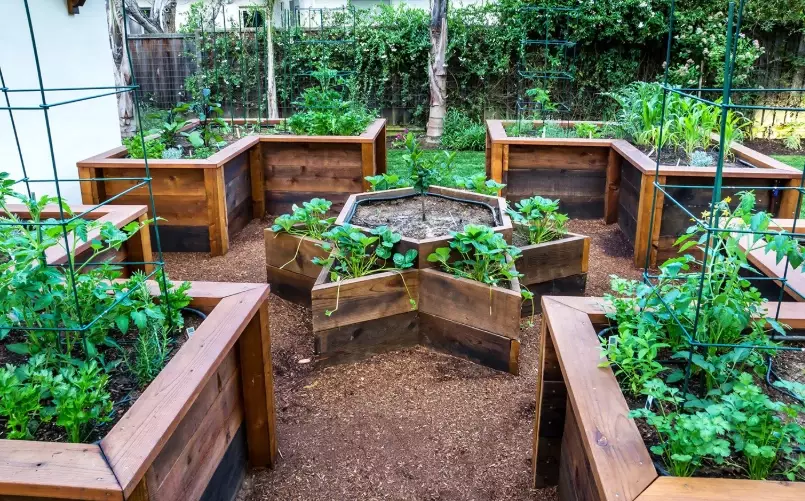
Vertical Gardening on Your Raised Bed
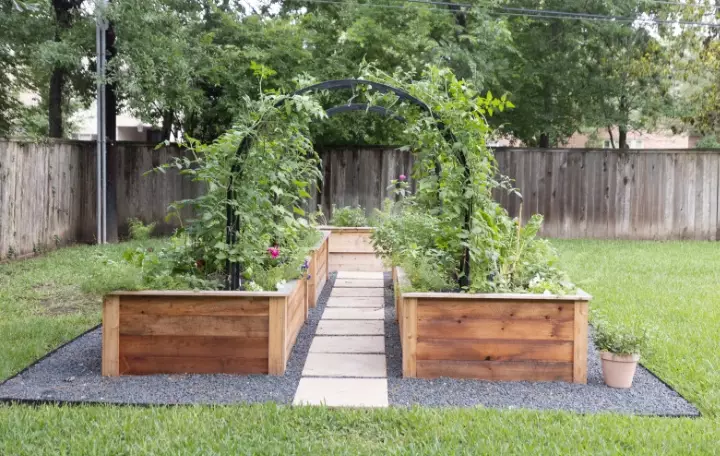
This is where you can really maximize space. Adding a vertical element turns a simple bed into a super-productive one. Attach a trellis to the north side of your bed (so it doesn't shade other plants) for cucumbers, peas, pole beans, or small melons. You can build an arch between two beds and grow squash or grapes over the top, creating a beautiful green tunnel. For smaller spaces, a simple teepee made of bamboo stakes right in the bed is one of the easiest and most effective raised bed gardening ideas for vertical growth.
Pro Tip: When planning your raised bed gardening ideas, always think about the sun's path. Place taller structures (trellises, arches) on the north side to avoid casting shade on sun-loving plants in the bed.
How to Build a Raised Garden Bed: The Nitty-Gritty
Alright, you've got your idea. Now, how do you make it real? Let's break down the basics of building a simple, sturdy wooden bed. This is the foundation for most DIY raised bed gardening projects.
Step 1: Location, Location, Location. Most vegetables need at least 6-8 hours of direct sun. Watch your yard for a day. Pick a spot that's relatively level and has easy access to water. Don't tuck it somewhere you'll forget about.
Step 2: Size Matters. Don't go too wide. A key principle in raised bed gardening is that you should be able to reach the center without stepping in the bed. For most people, a width of 3 to 4 feet is perfect. Length is flexible, but don't make it so long that it's awkward to walk around. Depth is critical. 12 inches is a good minimum for most vegetables. For root crops like carrots or potatoes, aim for 18-24 inches. Deeper is almost always better, but it costs more to fill.
Step 3: Assembly. For a basic 4x8 foot bed, 12 inches tall, you'll need three 8-foot boards (two for length, one cut in half for the ends) and some sturdy corner posts (4x4 lumber works). Screw the side boards into the corner posts. Pre-drill your holes to prevent the wood from splitting. It's that simple. For extra stability on a long bed, add a center support post.
Common Mistake: Skipping the weed barrier. Before you fill the bed with beautiful soil, lay down a layer of cardboard or landscape fabric at the bottom. This smothers the grass and weeds underneath and prevents them from growing up into your bed. Just make sure it's a material that allows water to drain through.
Step 4: The Secret Sauce – The Soil. This is the most important step. Don't just shovel in dirt from your yard. You want a loose, fertile, well-draining mix. A classic and reliable recipe is known as "Mel's Mix" from the Square Foot Gardening method: 1/3 blended compost (from several sources), 1/3 peat moss or coconut coir, and 1/3 coarse vermiculite. It's light, fluffy, and holds moisture and nutrients beautifully. You can also use a high-quality raised bed mix from a garden center. It's more expensive but convenient.
For authoritative guidance on soil health and amendments, the USDA Natural Resources Conservation Service provides extensive resources on soil properties and management, which can help you understand what makes a great growing medium.
What to Plant: Best Plants for Raised Beds
You can grow almost anything in a raised bed, but some plants are just made for it. The warm, loose, deep soil is a paradise for vegetables. When brainstorming raised bed gardening ideas, your plant choices are what bring it all to life.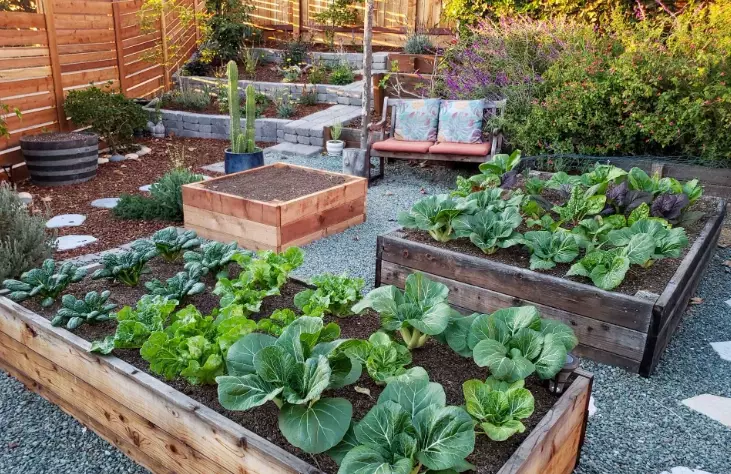
Here's my personal top 10 list of plants that absolutely thrive in raised beds:
- Lettuce & Salad Greens: Fast-growing, shallow roots. You can do successive plantings all season.
- Radishes: Another quick one. The loose soil lets them form perfect, round bulbs without obstruction.
- Carrots: This is the #1 reason I love deep raised beds. Long, straight, beautiful carrots without forked roots from hitting hard soil.
- Tomatoes: They love the warm soil. Give them a cage or stake. One or two plants can feed a family.
- Peppers (Bell & Hot): Similar to tomatoes, they adore the heat and good drainage.
- Beans (Bush & Pole): Bush beans are easy. Pole beans on a trellis save incredible space.
- Cucumbers: Train them up a trellis attached to the bed. The fruits hang down, are straighter, and stay cleaner.
- Zucchini & Summer Squash: Be warned, one plant needs room. But it will be incredibly productive.
- Herbs (Basil, Cilantro, Parsley, Thyme): Perfect for the edges of the bed. You can snip them as you need.
- Swiss Chard & Kale: Ornamental and edible. They're tough, productive, and look great.
What shouldn't you plant? Large, sprawling plants that take over. I'm looking at you, winter squash and pumpkins (unless you have a huge bed or let them trail outside it). Corn is possible but needs to be planted in a block for pollination, which eats up a lot of bed space for not a huge yield. Potatoes work, but they need very deep soil (like 2 feet) to do really well.
Companion planting is a smart raised bed gardening idea to get more from your space. Plant tall corn with shade-loving lettuce underneath. Grow basil near your tomatoes – some say it improves flavor, and it certainly makes for a great caprese salad later. Marigolds around the edges can help deter some pests with their scent.
Keeping It Alive: Maintenance & Problem-Solving
Building and planting is just the start. The best raised bed gardening ideas mean nothing if you don't keep the garden healthy.
Watering: Raised beds drain well, which is great, but it also means they dry out faster than in-ground gardens. In hot summer, you might need to water every day. Soaker hoses or drip irrigation laid on the soil surface under mulch are absolute game-changers. They deliver water right to the roots with less evaporation and no wet leaves (which can cause disease). Setting up a simple timer makes it effortless.
Feeding: That perfect soil mix won't stay perfect forever. Plants are hungry and eat up the nutrients. You need to replenish. Adding a 1-2 inch layer of fresh compost on top of the bed every spring (and maybe again mid-season) is the easiest and best way to feed the soil. You can also use organic fertilizers like fish emulsion or seaweed extract. Avoid harsh synthetic fertilizers that can harm the soil life you've worked to cultivate.
Weeding & Mulching: You'll have fewer weeds, but you'll still have some (seeds blow in). The key is to get them when they're tiny. A quick 5-minute pass every few days is easier than a monthly battle. Mulching is your best friend. A 2-3 inch layer of straw, shredded leaves, or wood chips on top of the soil suppresses weeds, retains moisture, and keeps the soil cooler. It makes your garden look tidy, too.
For comprehensive, science-based information on organic pest and disease management, the Penn State Extension website is an invaluable resource for gardeners at all levels.
I learned the hard way that skipping mulch one year meant constant watering and weeding. Never again.
Your Raised Bed Gardening Questions Answered
I get a lot of questions from friends starting out. Here are the big ones.
Wrapping It Up: Your Garden Awaits
The beauty of raised bed gardening ideas is that they're endlessly adaptable. You can start with a single 4x4 foot bed this season, see how it goes, and add more next year. You can experiment with shapes, materials, and planting schemes. It's a forgiving way to learn. You're not fighting your native soil from day one.
Don't get paralyzed by trying to find the "perfect" idea. The best raised bed is the one you build and actually plant. Start simple, get your hands dirty, and learn as you grow. Literally.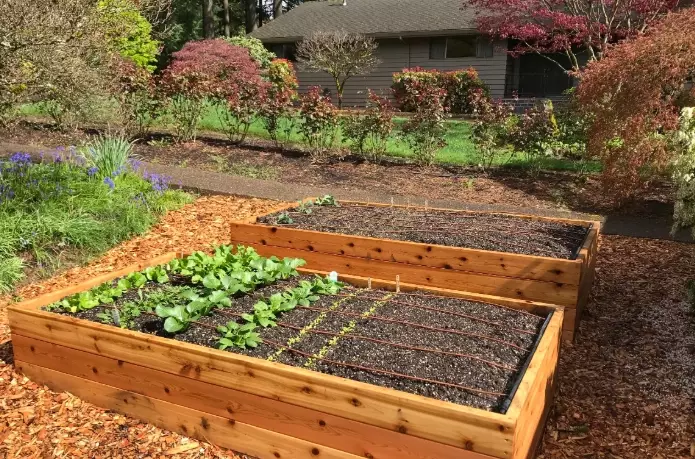
Remember, gardening is a process, not a product. Some things will fail. That's okay. You'll have other things that thrive beyond your wildest dreams. The real payoff isn't just the harvest (though a sun-warmed tomato you grew yourself is a religious experience). It's the quiet time outside, the connection to the seasons, and the simple satisfaction of building something that gives back.
So pick a spot, sketch a simple design, and get started. Your future self, enjoying a salad from your own garden, will thank you.
Reader Comments