Quick Journey: Explore Carrot Growth
- The Sprouting Stage: The First Delicate Leaves
- The Mature Plant: The Classic Carrot Top
- The Surprising Stage: Flowers and Seeds
- Variety Show: Not All Carrot Tops Are Identical
- Common Problems and What They Do to the Look
- The Critical Look-Alikes: Don't Get Tricked
- Your Carrot Plant Identification Checklist
- Frequently Asked Questions (The Stuff You Actually Search For)
- Final Thoughts: Learning to See
You know what a carrot looks like when it's on your dinner plate. But if you're staring at a patch of green in your garden, trying to figure out if those are your precious carrots or a bunch of clever weeds that have moved in, you're not alone. I've been there. In my first year of gardening, I proudly "weeded" out an entire row of baby carrots, mistaking them for grass. Heartbreaking, really.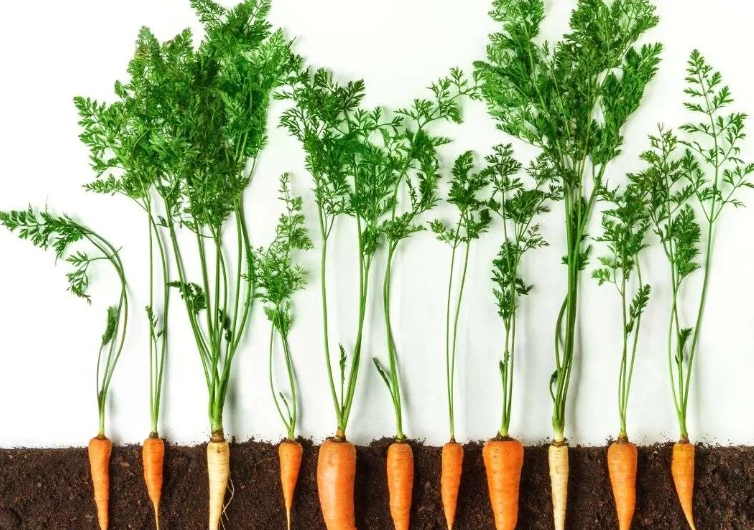
So, let's get this straight once and for all. What do carrot plants look like? It's not just one simple answer. Their appearance changes dramatically from the moment they sprout to when they decide to flower. Getting familiar with each stage is the key to becoming a confident carrot grower. It's less about memorizing a textbook description and more about learning to recognize a familiar face in your garden bed.
Quick Takeaway: A mature carrot plant has feathery, fern-like leaves (called fronds) growing in a rosette pattern from a central point at the soil's surface. Below that point is, of course, the orange (or purple, yellow, white) root we eat. But the journey to that point is where things get interesting.
The Sprouting Stage: The First Delicate Leaves
Carrot seeds are tiny, and their first appearance above soil is pretty unassuming. Don't expect a bold, leafy green shoot right away. The initial sprouts are all about subtlety.
When the seed germinates, the first two leaves to push through are called the seed leaves or cotyledons. These are not the true carrot leaves. They are small, narrow, and almost grass-like—which is exactly why my early weeding disaster happened. They look like two thin, green blades opposite each other on a slender stem.
This is the most critical phase for correct identification. If you only learn one thing, learn this: carrot seedlings are incredibly fine and delicate. Their stems are hair-thin. A week or so later, the first true leaves will emerge from between these seed leaves. And here's where the magic starts.
True Leaves vs. Seed Leaves
The first true leaf will be a single, tiny frond. It might look like a miniature version of the mature leaf, but it's still just one segment. This is your first real clue that you're looking at a carrot and not a weed. As more true leaves develop, they will form the characteristic lacy, divided pattern.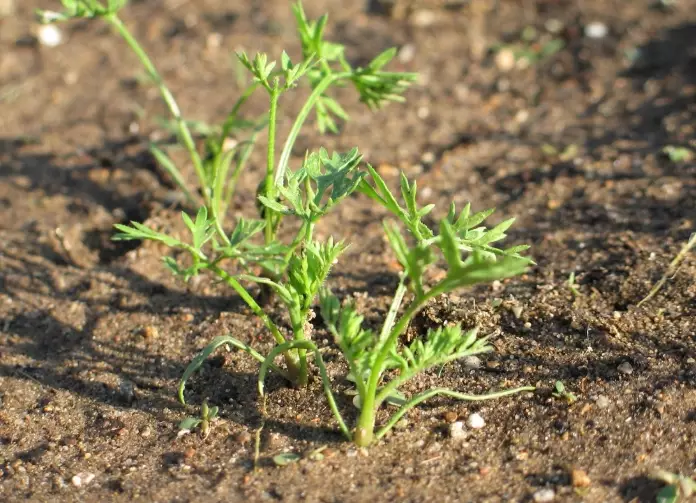
Common weeds like grass or chickweed have broader, simpler leaves from the very start. Grass blades are solid and linear. Chickweed has small, oval-shaped leaves. Nothing about them looks finely divided or feathery. If you're unsure, a trick I use is to gently brush your finger over the seedlings. Carrot leaves feel soft and fine, almost like parsley. Many common weeds feel sturdier or waxier.
Patience is Key: This seedling stage feels like it lasts forever. The plants grow so slowly. It's tempting to think they've died or to overwater them. Just keep the soil consistently moist (not soggy) and give them time. Thin them out once they have a couple of true leaves to prevent crowding.
The Mature Plant: The Classic Carrot Top
This is the stage most people picture when they ask, "what do carrot plants look like?" Once the plant is established, it develops its full, beautiful form.
The Leaves (Fronds)
The leaves are pinnately compound, which is a fancy way of saying the main leaf stem (the rachis) has multiple smaller leaflets arranged on opposite sides, like a feather. These leaflets are themselves finely divided, giving the whole leaf a lacy, fern-like appearance. The color is a bright, vibrant green.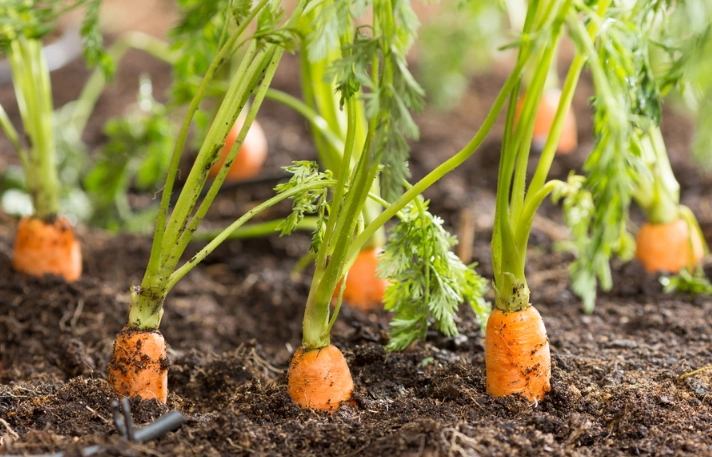
All the leaves grow from a single, compact crown at the top of the root. They don't branch out from a central stalk above ground. Instead, they form a neat, bushy rosette that sits close to the earth. The texture is soft and almost fluffy. If you crush a leaf between your fingers, you'll get that distinct, fresh carrot-top scent—a great identification test!
The Stem and Crown
What many people don't realize is that the short, stout stem of the carrot plant is mostly underground, forming the very top of the edible root (the part we often cut off). The leaves emerge directly from this underground crown. You won't see a tall, obvious stem during the vegetative growing phase. The plant's energy is focused downward.
Overall Shape and Size
A healthy carrot plant forms a mound of foliage about 8 to 12 inches in diameter and maybe 6 to 10 inches tall, depending on the variety. It's a dense, low-growing cluster of green. From a distance, a row of carrots looks like a textured, green carpet.
I've found that some varieties, like the classic 'Nantes', have slightly more upright and stiff foliage. Others, like some heirloom types, have leaves that sprawl a bit more. But the fundamental feathery characteristic never changes.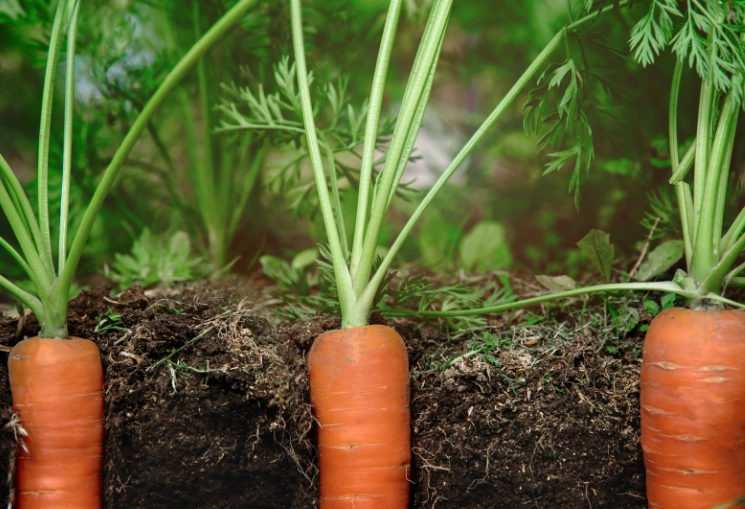
The Surprising Stage: Flowers and Seeds
If you let a carrot plant overwinter or if it gets stressed by a sudden cold snap followed by warmth (bolting), it will enter its reproductive phase. This is something most gardeners growing for roots try to avoid, but it's fascinating to see. Honestly, the first time my carrots bolted, I was annoyed but then completely captivated by the change.
So, what do carrot plants look like when they flower? They transform completely.
A tall, sturdy, green flower stalk shoots up from the center of the rosette. This stalk can reach 3 to 4 feet in height. It's hairy and has alternating, smaller leaves along its length. At the top, the stalk branches into an umbrella-shaped cluster of smaller stems, called an umbel.
The Umbel and Flowers
The umbel is the signature inflorescence of the carrot family, Apiaceae (which includes parsley, dill, and poison hemlock—more on that scary look-alike later). The main umbel produces smaller secondary umbels, creating a large, flat-topped, lacy platform covered in tiny flowers.
The individual flowers are minuscule, with five white (sometimes pale pink) petals. When in full bloom, the flower head looks like a delicate, white doily hovering above your garden. It's really quite beautiful, in a wild sort of way. After pollination, the flowers fade and produce seeds. The umbel dries out, turning brown and curling inward, forming a "bird's nest" structure that holds the small, ribbed, brown seeds.
Botanical Fun Fact: The wild ancestor of the domestic carrot, Daucus carota, has a similar white flower, but often with a single dark red or purple flower in the center of the umbel. Our garden carrots have mostly lost this trait. You can see images and a detailed description of the wild carrot on the USDA Forest Service's Wildflower page.
Variety Show: Not All Carrot Tops Are Identical
While the basic blueprint is the same, different carrot varieties can have slight variations in their foliage. This isn't talked about enough. If you're growing a rainbow mix, the leaves won't tell you the root color, but they might have different textures.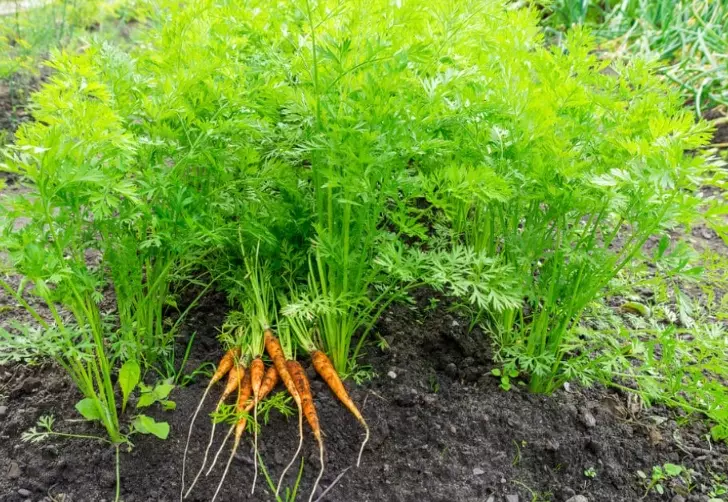
| Carrot Variety Type | Typical Foliage Characteristics | Root Color (Below Ground) | Growth Notes |
|---|---|---|---|
| Nantes | Upright, dense, dark green fronds. Very "classic" carrot top look. | Bright Orange | Fast-growing, reliable foliage. |
| Danvers | Sturdy, slightly broader leaflets. Can be more vigorous. | Deep Orange | Good for heavier soils, tough tops. |
| Imperator | Long, lush, finely divided leaves. Often very tall and feathery. | Long, Tapered Orange | Common commercial type, needs deep soil. |
| Chantenay | Shorter, bushier rosette. Leaves may be slightly bluish-green. | Short, Broad Orange | Great for containers or shallow soil. |
| Cosmic Purple | Fronds can have a slight purple tinge on the stems and veins. | Vibrant Purple Skin | The purple color in the foliage is subtle but present. |
| Parisian (Round) | Very compact, almost parsley-like foliage mound. | Small, Round Orange | Ideal for pots, shallow beds. |
I grew 'Cosmic Purple' last season, and I swear the leaf stems had a faint purplish blush, especially where they attached to the crown. It wasn't dramatic, but it was a neat clue before harvest.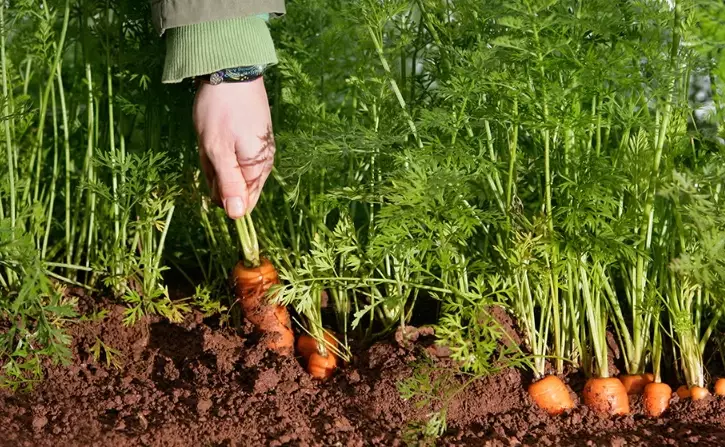
Common Problems and What They Do to the Look
Sometimes, your carrot plants won't look textbook perfect. Here’s how to decode some common issues:
- Yellowing Leaves: This is often a nitrogen deficiency. The older, outer leaves turn pale yellow first. It can also be from overwatering, which causes root rot (and if the roots are rotting, the tops will suffer). A side dressing of compost usually greens them back up.
- Red or Purple Leaves: Don't panic immediately! Some varieties show this. But if it's not a purple variety, it can be a sign of stress—often from temperature fluctuations (cold nights) or a phosphorus deficiency in the soil. The leaves, especially the undersides and veins, take on a reddish-purple hue.
- Stunted, Wilting Foliage: This is a big red flag. It could be carrot rust fly maggots tunneling into the root. Gently dig around the base of a plant. If the root is scarred with rusty tunnels and the plant pulls up easily, that's the culprit. Crop rotation and insect netting are essential.
- Hairy or Fuzzy Leaves: Carrot leaves are soft, but they shouldn't be truly hairy or sticky. A white, powdery coating is powdery mildew, usually from poor air circulation. A sticky residue could indicate an aphid infestation—check the undersides of leaves.
I learned about the phosphorus deficiency the hard way. My carrot tops turned a worrying purple early one cool spring. I fretted, but after the soil warmed up and I added a balanced organic fertilizer, new growth came in green. The plant was just telling me it was a bit chilly and hungry.
The Critical Look-Alikes: Don't Get Tricked
This is the most important part of answering "what do carrot plants look like?"—knowing what they don't look like. The Apiaceae family has some dangerous members.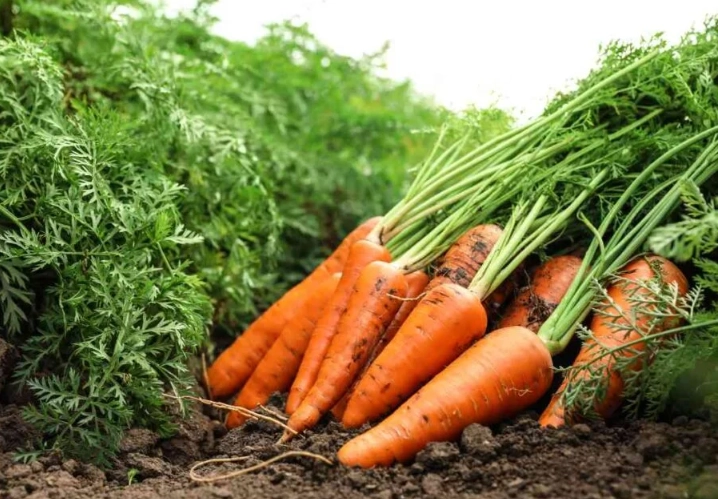
POISON HEMLOCK EXTREME CAUTION: Poison hemlock (Conium maculatum) is a deadly plant that can resemble a large, bolted carrot or Queen Anne's Lace. Key differences: It grows much taller (6-10 feet), has smooth, hairless stems with distinct purple or reddish splotches, and emits a foul, musty odor when crushed. Carrot leaves and stems smell like carrots or parsley. Never forage or handle suspected hemlock. The USDA ARS Poison Hemlock page has detailed identification guides.
Other, less dangerous look-alikes:
- Wild Carrot (Queen Anne's Lace): This is the direct ancestor. It looks almost identical to a bolted garden carrot, often with that one dark flower in the center. The root is white, thin, and woody. It's not poisonous but is not palatable.
- Parsley & Cilantro (Coriander): In the seedling stage, these herbs can look similar. Crush a leaf. Parsley and cilantro have their own strong, distinct smells. Their mature leaves are also different—parsley leaves are more triangular and less feathery, cilantro leaves are broader and lobed.
- Weeds like Fool's Parsley: Some common weeds have finely divided leaves. The best defense is to plant carrots from seed yourself, so you know exactly what and where they are. If in doubt, smell it.
Your Carrot Plant Identification Checklist
Next time you're in the garden, run through this mental list:
- Leaf Texture: Are they finely divided, feathery, and fern-like? (Yes = good sign)
- Growth Pattern: Do the leaves form a low, bushy rosette from a single central point at soil level? (Yes = good sign)
- Stem (Vegetative Stage): Is there no tall, central stem, just leaves coming from the base? (Yes = good sign)
- The Smell Test: Crush a tiny piece of leaf. Does it smell fresh, grassy, and slightly like carrots or parsley? (Yes = very good sign)
- Seedlings: Are they incredibly delicate with thin, grass-like seed leaves followed by first true leaves that are a single, tiny, divided frond? (Yes = you have carrots!)
If you check most of these boxes, you're almost certainly looking at a carrot plant.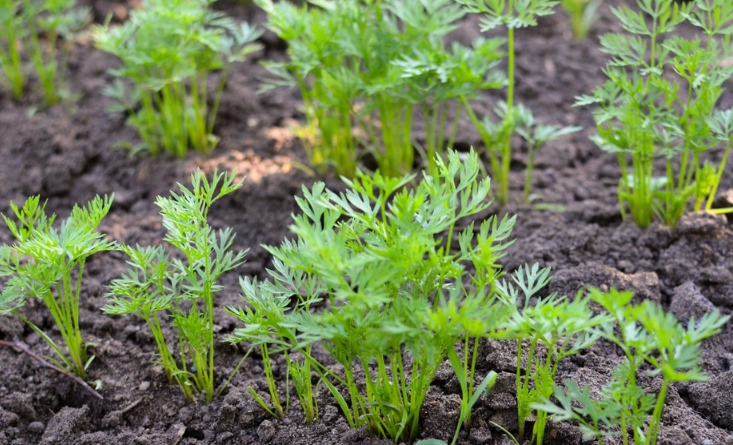
Frequently Asked Questions (The Stuff You Actually Search For)
Are carrot leaves edible?
Yes, absolutely! Carrot tops (the leaves) are edible and nutritious. They have a slightly bitter, parsley-like taste. I use them finely chopped in pesto, as a garnish in soups, or blended into green smoothies. Wash them well. Some people are sensitive to the alkaloids in them, so try a small amount first.
Why are my carrot tops huge but the roots tiny?
This is classic "top growth at the expense of root growth." It usually means too much nitrogen in the soil (from a high-N fertilizer) or the plants are too crowded and competing. Carrots need more phosphorus and potassium for root development. Next time, use a balanced or root-crop specific fertilizer and thin seedlings ruthlessly to about 2-3 inches apart.
How tall do carrot plants get?
When growing for the root, the leafy rosette stays under a foot tall. When it bolts to flower, the flower stalk can shoot up to 3-4 feet. So the answer totally depends on the plant's life stage.
Can you regrow a carrot from the top?
You can regrow the leaves from a carrot top placed in water. It makes a pretty, ferny houseplant for a while. But it will not regrow a new, full-sized, edible carrot root. That requires a seed. The water-grown top will eventually exhaust its energy and die.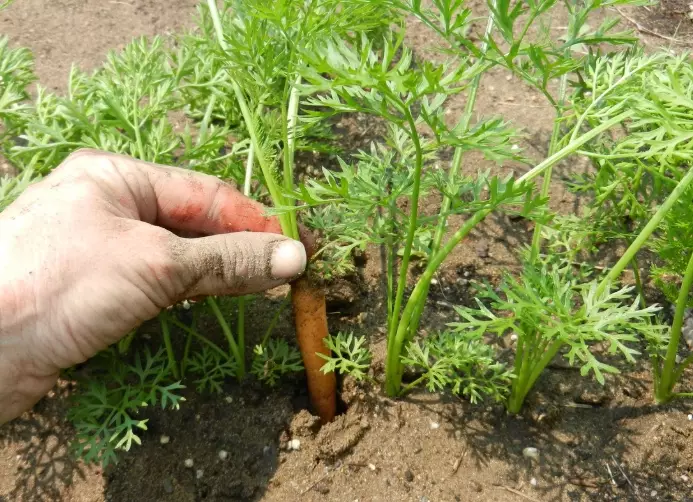
What's the difference between carrot leaves and parsley?
Parsley leaves (especially curly parsley) are thicker, glossier, and have a more distinct, sharp flavor and smell. Flat-leaf parsley is closer but still less feathery than carrot leaves. The best test is the smell. Parsley's scent is unmistakable. Also, parsley is a biennial but rarely bolts in its first year like a stressed carrot might.
For more in-depth growing advice, from soil prep to harvesting, the University of Minnesota Extension's carrot guide is an excellent, science-based resource.
Final Thoughts: Learning to See
Understanding what do carrot plants look like isn't just about getting a description. It's about developing a gardener's eye. It's noticing the way the morning dew beads on their fine leaves. It's seeing the subtle shift in green as they mature. It's recognizing the tight, promising crown of a carrot that's swelling nicely underground versus the looser, less vigorous look of one that's struggling.
Start by planting your own from seed. Watch them daily. Take pictures each week. That direct, patient observation is worth more than any article. You'll learn their language. And soon, you'll spot that distinctive, feathery rosette from across the garden, and you'll know—without a doubt—that your carrots are coming along just fine.
Happy growing!
Reader Comments