Let's be honest, most of us see something long, thin, and wriggling in the dirt and just call it a worm. I used to do the same thing. But then I started gardening more seriously, and I kept hearing about these things called "nematodes"—sometimes as garden heroes, other times as villains. It got confusing. Are they the same? Are they different? And why should I even care?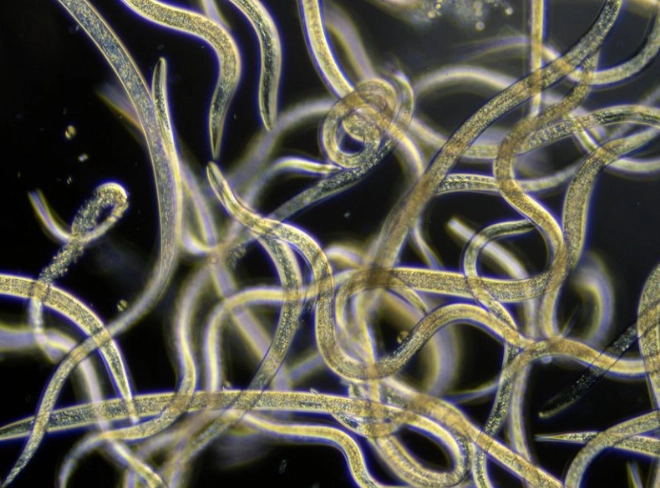
Turns out, understanding the difference between nematodes and worms is a bit like knowing the difference between a sports car and a pickup truck. They might share a basic function (moving from point A to B, or in this case, living in soil), but their design, impact, and how you handle them are worlds apart. This confusion is exactly why so many gardeners and homeowners either waste money on the wrong solutions or miss out on powerful, natural helpers.
So, let's dig in. We'll strip away the jargon and look at what these creatures really are, what they do in your backyard (and sometimes, unfortunately, inside you or your pets), and most importantly, what you can actually do about it. No fluff, just the stuff you need to know.
In This Guide
The Core Confusion: What Are They, Really?
This is where everything starts. If you don't get this fundamental difference, the rest won't make sense.
Nematodes, often called roundworms, are a mind-bogglingly huge group of animals. Scientists think they might be the most numerous multicellular animals on the planet. Seriously, if you took everything else away, you'd still see the outline of the world in nematodes. They're microscopic, usually. You need a microscope to see most of them. Their bodies are smooth, unsegmented tubes—think of a tiny, translucent piece of spaghetti. They have a simple digestive system that runs from one end to the other. This group includes both the good guys (which we'll get to) and some notorious bad guys like the ones that cause trichinosis or hookworm.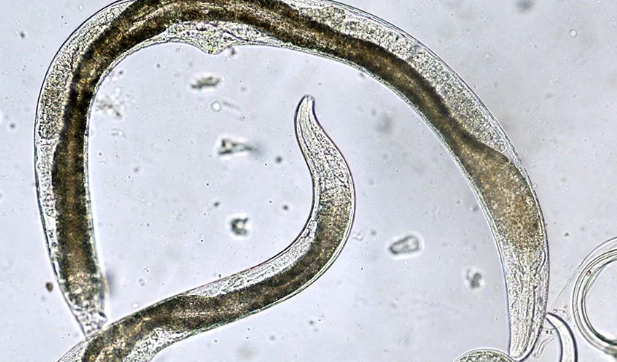
Then you have the true worms.
This usually refers to annelids, like the earthworm. These are the guys you can see and pick up. Their bodies are made up of visible ring-like segments. They're ecosystem engineers. An earthworm eats its way through soil, mixing and aerating it, and its castings (poop, let's just say it) are pure gold for plants. They're generally visible to the naked eye and are almost always beneficial in a garden context (nightcrawlers are a gift). Other "worms" like flatworms (e.g., tapeworms) or even insect larvae (like armyworms) are different stories, but they're not what biologists mean by "true worms" in the same way.
The Quick Take: Nematodes are usually microscopic, smooth, and unsegmented. Earthworms are visible, segmented, and soil-churning machines. Calling all nematodes "worms" is a bit like calling all insects "bugs"—technically wrong, but everyone does it. For your garden's sake, knowing the distinction is crucial.
Life in the Dirt: Friends and Foes of Your Garden
This is where it gets practical. Your soil is a battlefield and a marketplace, and nematodes and worms are key players.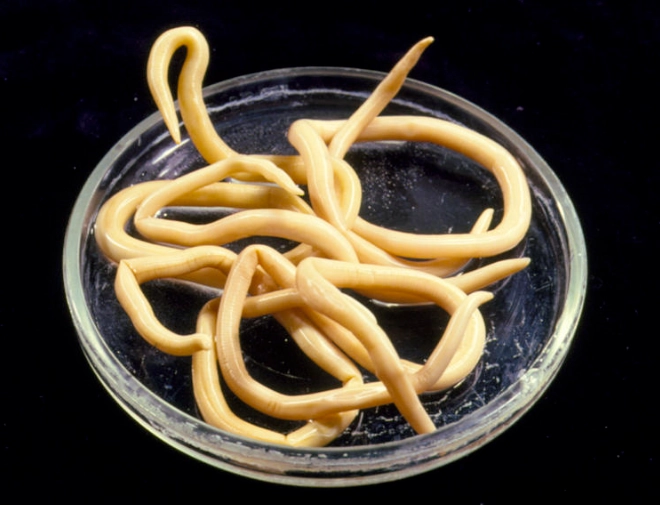
The Earthworm: The Undisputed Champion
Let's give credit where it's due. If you have a healthy population of earthworms, pat yourself on the back. They are almost universally good. Their tunneling creates channels for air and water to reach plant roots. They digest organic matter and excrete nutrient-rich castings that plants can easily absorb. They're a fantastic indicator of healthy, non-compacted, biologically active soil. You want more of these. You encourage them by adding organic compost, avoiding harsh chemical pesticides, and minimizing tilling.
I remember the first time I really understood their value. I was turning over a patch of clay-heavy soil that had been lifeless for years. After a season of adding nothing but leaf mulch and compost, I found dozens of fat, pink earthworms. The soil was darker, crumblier, and my plants that year were unstoppable. It felt like a miracle, but it was just worms doing their job.
The Nematode Story: A Tale of Two Extremes
Here's the tricky part with nematodes and worms in the soil. Nematodes come in starkly different flavors.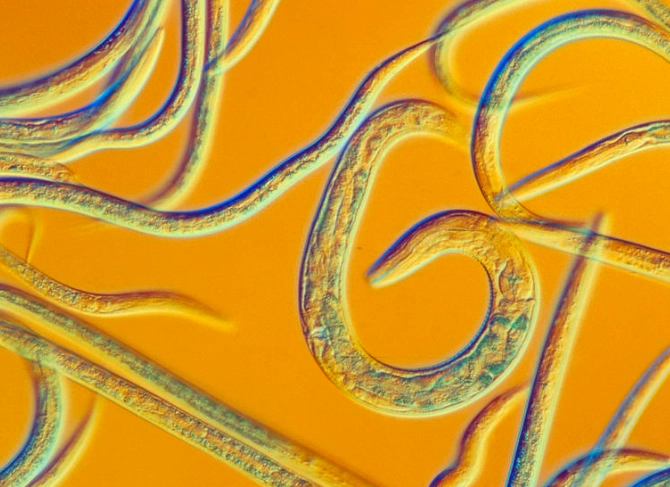
The Villains (Plant-Parasitic Nematodes): These are the root-knot, cyst, and lesion nematodes that give all nematodes a bad name. They have a needle-like mouthpart called a stylet that they use to pierce plant root cells and suck out the contents. The damage isn't always obvious above ground—you might just see stunted, yellowing plants that never thrive despite water and fertilizer. Below ground, the roots can be gnarled, knotted, or covered in lesions. They're a silent headache for farmers and gardeners alike.
The Heroes (Beneficial/Entomopathogenic Nematodes): This is the cool part. These nematodes are nature's pest control agents. Species like Steinernema and Heterorhabditis are lethal parasites to soil-dwelling insect pests. They actively hunt for grubs (like Japanese beetle larvae), weevil larvae, flea larvae, and more. They enter the pest's body, release symbiotic bacteria that kill it, and then reproduce inside the carcass. It's brutal and effective. You can actually buy these beneficial nematodes to apply to your lawn and garden. It's a targeted, organic solution.
See the problem? If you have a pest problem and blindly use a general "nematode killer," you might be wiping out the very allies you need to solve it.
| Organism | Size & Visibility | Primary Role in Soil | Impact on Garden | Your Action |
|---|---|---|---|---|
| Earthworm | Macroscopic (1-12 inches) | Aeration, decomposition, nutrient cycling | Overwhelmingly Positive | Encourage with organic matter |
| Beneficial Nematode | Microscopic | Predator of soil insect pests | Very Positive (Biological Control) | Purchase & apply for specific pests |
| Plant-Parasitic Nematode | Microscopic | Parasite of plant roots | Negative (Causes disease & stunting) | Use resistant plants, crop rotation, solarization |
Beyond the Garden: Impacts on Health
This is the part that understandably makes people nervous. When we talk about parasitic nematodes and worms affecting humans and animals, we're venturing into a different, more serious arena.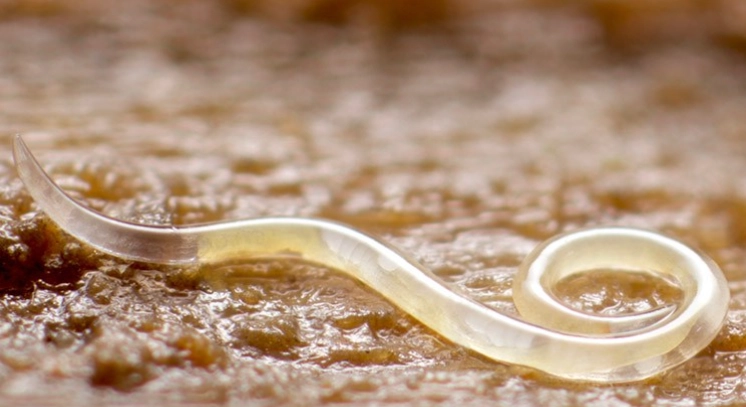
Many of the most significant human parasites are nematodes. Think roundworms (Ascaris), hookworms, whipworms, and the ones that cause trichinosis or river blindness. These are adapted to live inside a host. They're not the same species as the ones in your garden soil (usually), but they're from the same broad family. Transmission often comes from contaminated soil, food, or water in areas with poor sanitation, or from undercooked meat.
Similarly, tapeworms (which are flatworms, not nematodes or annelids) and other parasitic "worms" are a major veterinary and medical concern. Heartworm in dogs is caused by a nematode (Dirofilaria immitis) transmitted by mosquitoes.
A Critical Note: This is a vast and complex medical/veterinary field. If you suspect you, a family member, or a pet has a parasitic infection, consult a doctor or veterinarian immediately. Do not attempt diagnosis or treatment based on an article. The information here is for general awareness only. For authoritative information on parasitic diseases, the CDC's Parasites website is an essential resource.
The key takeaway is that the word "worm" in a medical context is scary for good reason. But it's a separate world from the soil-dwelling nematodes and worms in your compost bin. The hookworm larva in contaminated soil is a danger, but the Steinernema nematode you buy for grub control is completely harmless to mammals—it can't even survive at body temperature.
Taking Action: Practical Management for Gardeners
Okay, so what do you DO with all this information? Let's get tactical.
If You Suspect Bad Nematodes (Plant-Parasitic)
Don't panic. You can't eradicate them, but you can manage them.
- Get a Test: The only way to be sure is a soil test through your local university extension service (like the University of Minnesota Extension or similar). They can identify the type and population level.
- Starve Them Out: Practice crop rotation. Don't plant the same family of plants (e.g., tomatoes, peppers, eggplants are all nightshades) in the same spot year after year.
- Choose Resistant Varieties: Many tomato and vegetable varieties are labeled "VFN" resistant. The "N" stands for nematode resistance.
- Solarize: In hot summer months, moisten the soil and cover it with clear plastic for 4-6 weeks. The heat can reduce populations in the top layer.
- Boost Organic Matter: Encouraging a diverse soil food web with fungi and bacteria can help suppress parasitic nematodes naturally.
If You Want to Deploy Good Nematodes
Using beneficial nematodes is one of the smartest moves for organic pest control, but you have to do it right.
- Match the Species to the Pest: Heterorhabditis is great for grubs. Steinernema feltiae targets fungus gnats and flea larvae. Do your research.
- Follow Instructions Meticulously: They are living organisms. They need to be applied to moist soil, often in the evening or on a cloudy day, and watered in well. Applying them to dry, sunny soil is just throwing money away.
- Be Patient: They need time to hunt and work. You might not see results for a couple of weeks.
I tried them for a vine weevil problem in my potted plants. The first time I messed up—applied them sparingly and didn't keep the soil moist enough. It was a dud. The second time, I soaked the pots thoroughly before and after, and used a fresh batch from a reputable supplier. The difference was noticeable. The adult weevils' annoying notches on the leaves stopped appearing. It wasn't an instant magic bullet, but it broke the lifecycle.
For Encouraging Earthworms
This is the easy, feel-good part.
- Add compost, compost, and more compost.
- Use mulch (leaf mold, straw, wood chips) to keep the soil surface cool and moist.
- Avoid synthetic, high-salt fertilizers which can create a harsh environment.
- Minimize deep tilling which disrupts their tunnels.
Your Questions, Answered
Are nematodes dangerous to humans or pets?
This is the #1 question. The beneficial nematodes sold for garden pest control are not dangerous. They are specific to insects and cannot infect mammals, birds, or reptiles. They're considered extremely safe. The parasitic nematodes that cause human diseases are different species and are not present in commercial garden products. Always wash your hands after gardening, as a general rule, but don't fear the bottle of Steinernema.
How can I tell if I have good or bad nematodes in my garden?
You can't, just by looking. The symptoms of harmful nematodes (stunted plants, poor yields, root galls) can also be caused by other issues like drought, nutrient deficiency, or disease. The only reliable way is a professional soil nematode assay. For the average home gardener, focus on the symptoms and management practices rather than trying to spot the culprits.
Can I have too many earthworms?
In a typical garden or lawn, practically no. They self-regulate based on food and space. In very rare cases in certain climates, invasive worm species can alter forest floor ecology, but this is not a concern for your backyard vegetable patch. More is almost always better.
Do all "worms" in compost bins help?
Red wigglers (Eisenia fetida) are the superstars of vermicomposting. Common earthworms (nightcrawlers) are great in soil but less efficient in a concentrated compost bin system. They have different jobs. Know which worms you're dealing with for the best results.
Look, the world of nematodes and worms is messy and complex. It's easy to lump them all together. But that mindset can lead you to kill your garden's best workers or ignore a serious problem.
The real goal isn't to become a nematode taxonomist. It's to understand enough to make informed decisions. To know that a thriving earthworm population is a sign you're on the right track. To know that if your plants are struggling, microscopic root-munchers could be a culprit. And to know that you have a powerful, natural weapon in beneficial nematodes for specific pest problems.
It changes your relationship with the soil. You stop seeing it as just dirt and start seeing it as this teeming, complex world where the balance between nematodes and worms, fungi, and bacteria determines everything. You work with it, not just on it. And honestly, that's when gardening gets really interesting.
So next time you see an earthworm, thank it. And next time you hear about nematodes, ask which kind. That simple question puts you miles ahead.
Reader Comments