Let's talk about asparagus. Not the sad, limp spears you sometimes find at the supermarket, but the crisp, sweet, straight-from-the-earth kind. Growing asparagus in your own garden is a commitment, but it's one of the most rewarding things you can do as a gardener. You're not just planting a vegetable; you're installing a perennial food factory that, with a bit of care, will produce for 15, 20, even 30 years.
I made the mistake with my first patch. I got impatient, harvested too much too soon, and set the whole bed back a season. It taught me that asparagus demands respect for its timeline. This guide is about getting it right from the start, so you can avoid my early blunders and enjoy a reliable harvest for decades.
What You'll Find in This Guide
Why Bother Planting Asparagus?
It's a fair question. You have to wait two to three years for a full harvest. Why not just stick with tomatoes? The answer is in the payoff. Once established, an asparagus patch is incredibly low-maintenance. It comes back every spring like clockwork, often before anything else in the garden is ready. The flavor of homegrown asparagus, snapped off and eaten within minutes, is incomparable—it's sweeter, more tender, and lacks the fibrous bitterness of store-bought stalks that have traveled hundreds of miles.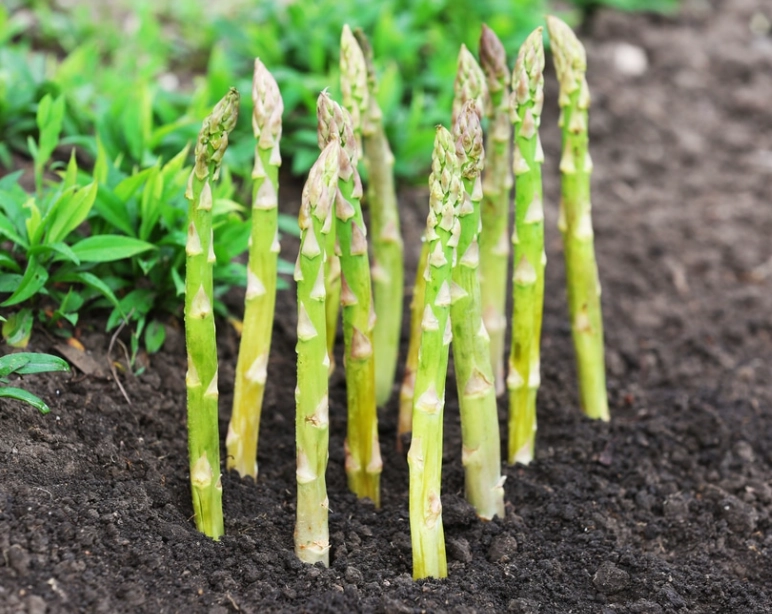
Economically, it makes sense too. A one-time investment in crowns yields food for decades. Compare that to buying expensive organic spears every spring.
Choosing the Right Spot is Everything
This is the most critical decision you'll make. Asparagus is a long-term tenant. You can't easily move it later.
Sunlight: Full sun. Non-negotiable. At least 8 hours of direct light. Less sun means spindly spears and a weak plant that won't store enough energy for next year.
Soil: Here's where many gardeners slip up. Asparagus needs well-draining soil above all else. Soggy roots will rot and kill the crowns over winter. If you have heavy clay, you must amend it. Raised beds are a fantastic solution for poor drainage.
The soil pH is crucial. Asparagus prefers slightly alkaline soil, between 6.5 and 7.5. Most home gardens are slightly acidic. A soil test from your local cooperative extension office (like those from USDA-affiliated extensions) is worth every penny. It'll tell you exactly how much lime to add.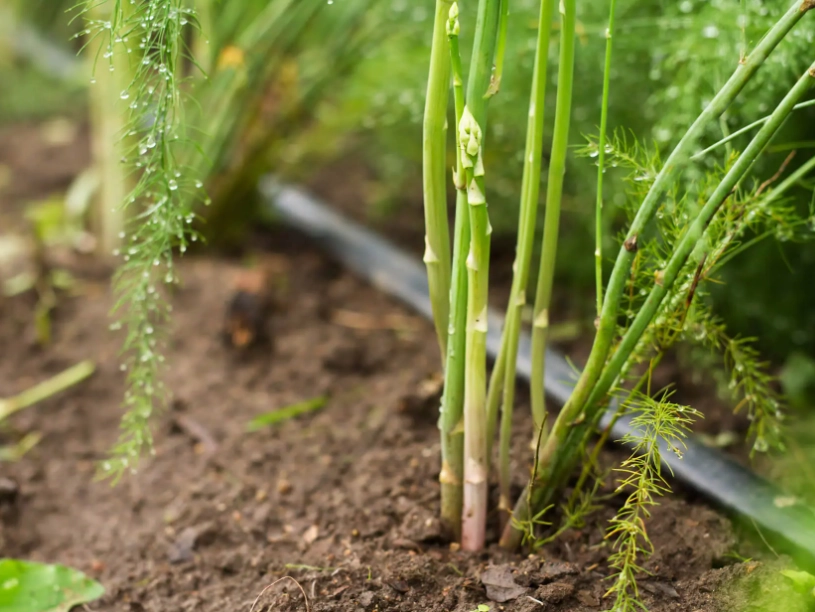
Space: Give it room. Plants need about 18 inches apart in rows that are 3 to 4 feet apart. This allows for good air circulation and easy weeding.
The Crown Jewel: Planting Your Asparagus Crowns
You start with crowns—the dormant, one-year-old root systems. Planting time is early spring, as soon as the soil is workable.
Step-by-Step Planting
1. Prepare the Bed: Dig a trench. This part is key. Make it 12 inches deep and 8-10 inches wide. Mix the excavated soil with plenty of compost and some balanced, slow-release organic fertilizer.
2. Create a Mound: In the bottom of the trench, shape a small mound of your amended soil every 18 inches along the trench.
3. Place the Crowns: Drape the spider-like roots of each crown over the mound. The bud (or eyes) should point upward.
4. Cover Gently: Initially, cover the crowns with just 2-3 inches of soil. As the spears grow through the season, gradually fill in the trench with the remaining soil. This gradual covering encourages strong stem development.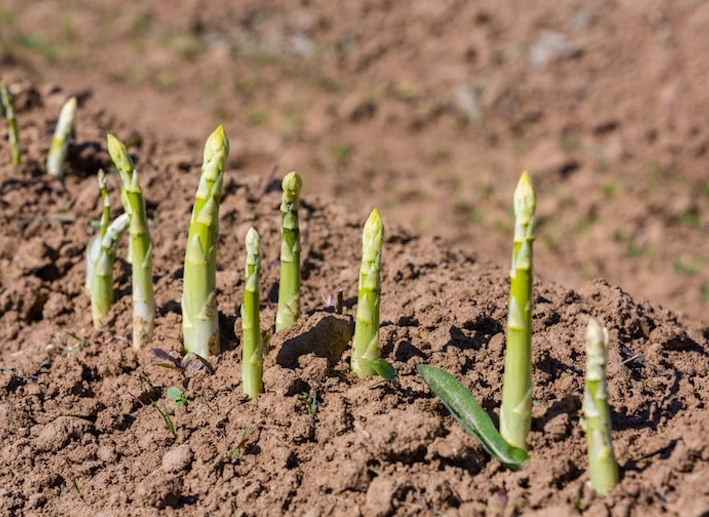
Variety Choice: 'Jersey' series hybrids (like Jersey Supreme, Knight, Giant) are all-male, meaning they don't waste energy producing seeds and yield more spears. Heirloom varieties like 'Mary Washington' are reliable but include female plants that produce red berries.
| Variety | Type | Key Characteristic | Best For |
|---|---|---|---|
| Jersey Knight | Hybrid (All-male) | Excellent cold tolerance, thick spears | Northern climates, heavy soils |
| Purple Passion | Open-pollinated | Sweet, purple spears (turn green when cooked), slightly less yield | Gardeners prioritizing flavor uniqueness |
| Mary Washington | Heirloom | Reliable, disease-resistant, produces seeds | Traditional gardens, seed saving |
| Jersey Giant | Hybrid (All-male) | Very high yield, large spear size | Maximum production, warmer climates |
The Waiting Game: Care for the First Two Years
This is the test of patience. You must not harvest anything in the first year. In the second year, you can take a few spears for maybe 2-3 weeks. The goal is to let the plant build a massive, robust root system.
Watering: Consistent moisture is vital, especially the first two summers. Aim for 1-2 inches per week. Deep, infrequent watering is better than daily sprinkles.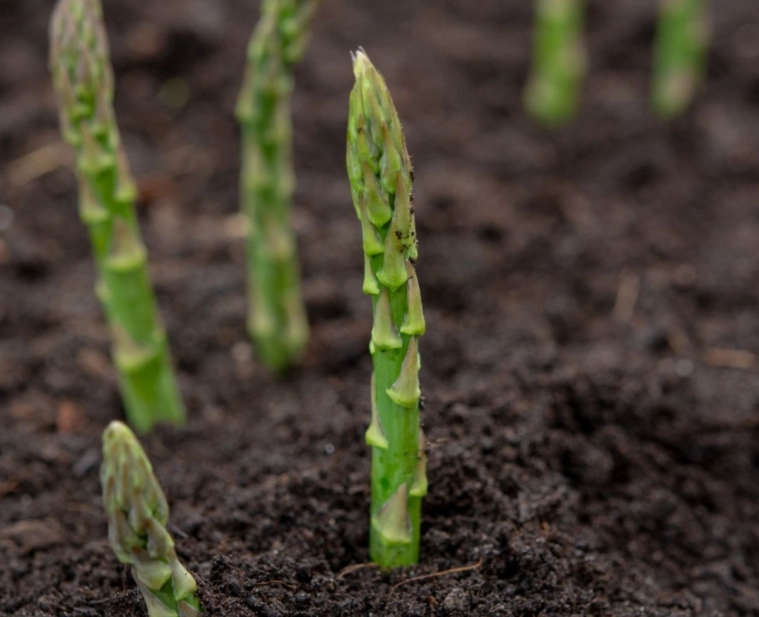
Weeding: Asparagus hates competition. Hand-weed diligently. Mulching with straw or shredded leaves helps immensely, but keep mulch a few inches away from emerging spears.
Feeding: In early spring and again after the harvest season ends (when ferns are growing vigorously), side-dress with compost or a balanced organic fertilizer. A common mistake is heavy nitrogen feeding in fall, which promotes tender growth just before frost.
Let the ferns grow unchecked. They are the solar panels for next year's crop. Don't cut them down until they turn completely yellow/brown in late fall or early winter.
Harvest and Long-Term Maintenance
Year three. Finally. Harvest spears when they are 6-8 inches tall and about as thick as your finger. Snap them off at ground level by bending them; they'll break at the natural tender point. Use a knife only if you're careful not to damage neighboring spears.
The Harvest Rule: Stop harvesting after 6-8 weeks. When new spears start coming up pencil-thin, it's the plant's signal that its energy reserves are low. Stop immediately and let the rest grow into ferns.
Annual Routine:
• Late Fall/Early Winter: Cut down dead ferns to soil level to remove pest hiding spots.
• Early Spring (before spears emerge): Top-dress with 2 inches of compost. A light application of a balanced organic fertilizer.
• Throughout Summer: Keep the bed weeded and watered during dry spells.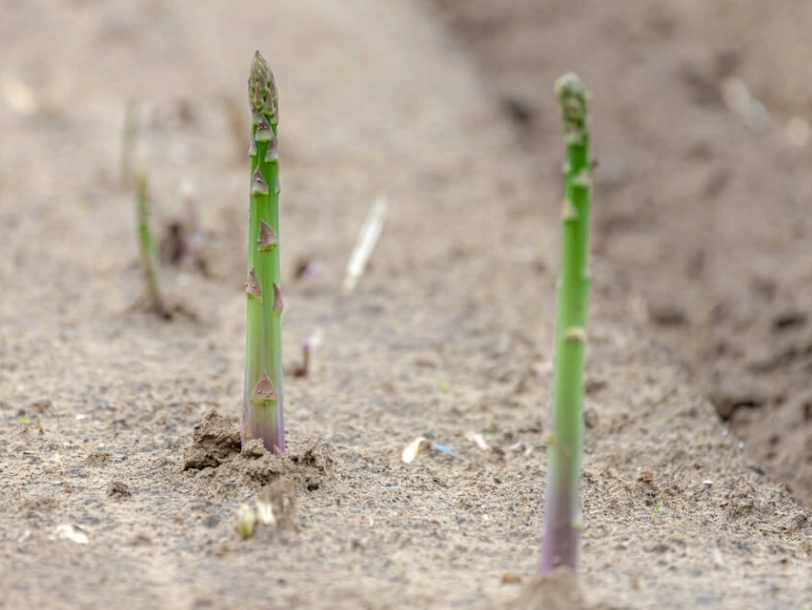
Troubleshooting Common Problems
Thin Spears: Usually means the plant is stressed or young. Could be overcrowding, nutrient deficiency, or, most likely, you harvested for too long the previous season. Give it a rest year with no harvest.
Asparagus Beetles: These spotted pests are public enemy number one. Hand-pick them and their black larvae. In severe cases, neem oil or spinosad can be used after harvest. Encouraging beneficial insects helps.
Rust or Fusarium Wilt: Fungal diseases. Prevention is key: ensure good air circulation, avoid overhead watering, and choose resistant varieties like the Jersey series. Remove and destroy infected foliage.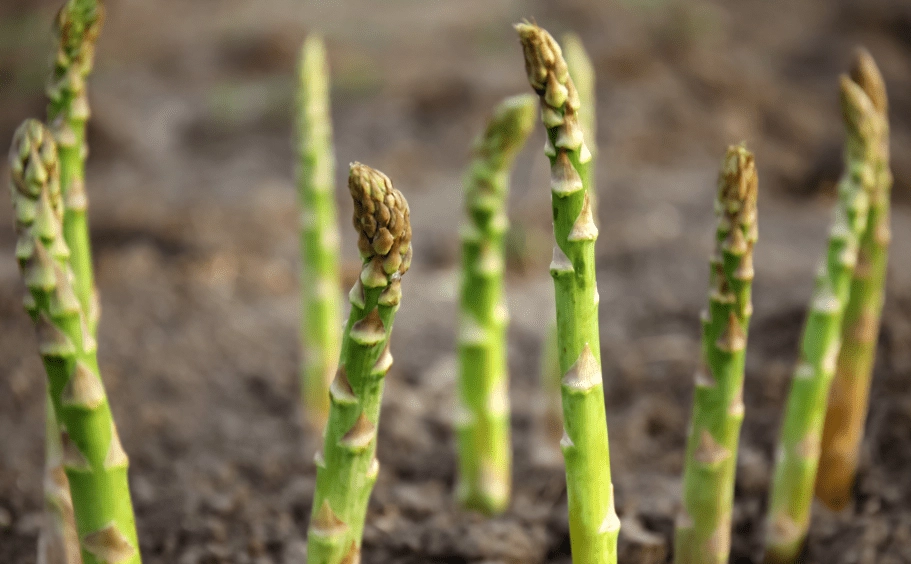
Reader Comments