Let's be honest. Walking into a garden center can be overwhelming. Rows of shiny shovels, pruners in every color, and gadgets promising to make gardening effortless. I've been there, wallet in hand, ready to buy everything. And I've made the mistakes—buying cheap tools that broke in a season, or fancy ones that just gathered dust. The truth about tools in the garden isn't about having the most; it's about having the right ones. This guide cuts through the noise. We're not just listing tools; we're building a practical, long-lasting toolkit that matches how you actually garden, whether you're nurturing a balcony herb box or taming a half-acre plot.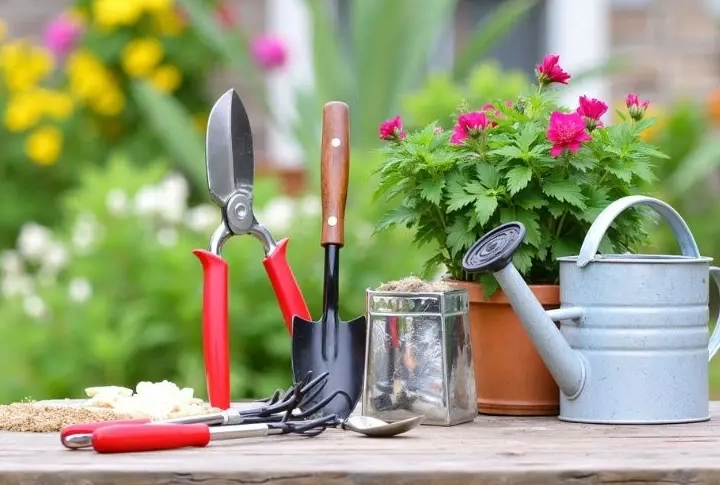
What You'll Find in This Guide
The Non-Negotiable Core Toolkit
Forget the 50-piece sets. You can handle 90% of garden tasks with about ten key tools. I've grouped them by job, not just by name.
For the Soil: Your Foundation Crew
Everything starts here. Poor soil work makes every other job harder.
The Digging Spade: Not a shovel. A spade has a flat, nearly rectangular blade for slicing through soil and cutting clean edges. The number one mistake is getting one that's too heavy. Look for a "D-grip" handle—it gives you way more leverage than a straight handle. My current favorite is a forged stainless steel model; it costs more but soil slides off it and it won't rust if I forget it in the rain (which happens).
The Garden Fork: This is for loosening and aerating soil, not just turning compost. A four-tine, sturdy fork is essential for breaking up compacted earth without destroying its structure like a rotary tiller sometimes can. The Royal Horticultural Society (RHS) consistently recommends a good fork as a top priority for soil health.
The Hand Trowel: Your go-to for planting. Avoid the flimsy, stamped metal ones. A one-piece, forged aluminum or stainless steel trowel with a comfortable grip is worth every penny. I've broken three cheap ones on rocky soil before learning this lesson.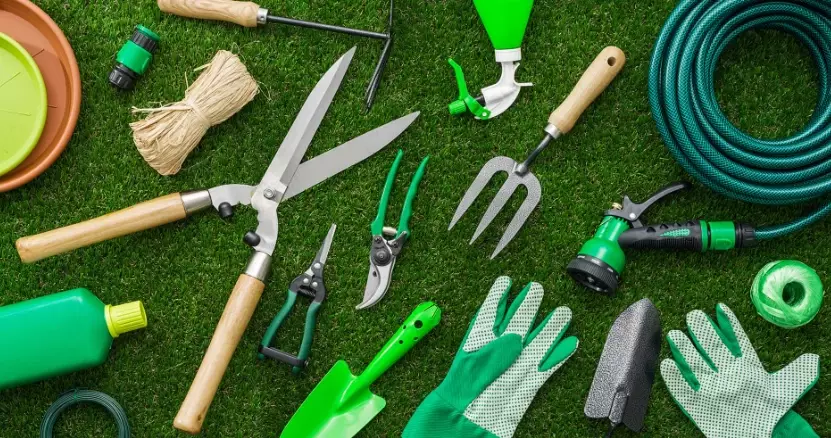
For Cutting & Pruning: Precision Matters
Clean cuts heal fast, ragged tears invite disease.
Bypass Pruners (Secateurs): These are the scissors of the garden. The bypass action (two blades passing each other) makes clean cuts on live stems. Anvil pruners (one blade crushing against a plate) are for dead wood. Brands like Felco or Corona are expensive, but their parts are replaceable. I've had my Felco #2s for a decade; I've only changed the blade.
Loppers: For branches thicker than your finger. Get ones with geared or compound leverage. They look a bit mechanical, but they turn a hard squeeze into an easy cut, saving your wrists. A 24-inch pair handles most suburban pruning jobs.
A Sharp Knife: A simple, sturdy horticultural knife is more versatile than you think: opening bags, scoring roots, light pruning. It's the tool I use almost every time I'm in the garden.
For Movement & Cleanup
Logistics are half the battle.
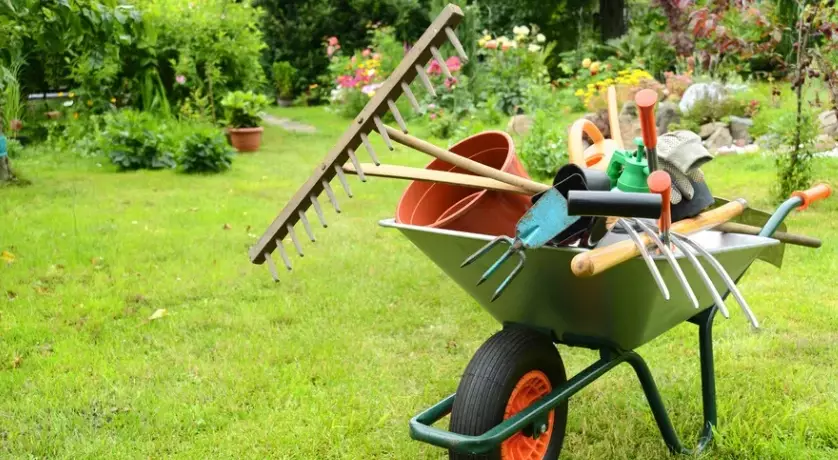
The Wheelbarrow vs. Garden Cart: This is a personal choice with real consequences. A traditional wheelbarrow (one wheel) is tippy but great for maneuvering in tight spaces and dumping loads. A garden cart (two or four wheels) is stable and carries more, but needs wider paths. I have both—a small barrow for compost runs and a big cart for leaf collection in the fall.
A Quality Rake: You need two: a stiff bow rake for leveling soil and moving gravel, and a flexible leaf rake for lawns and debris. The plastic fan rake is fine for leaves, but for soil, get metal.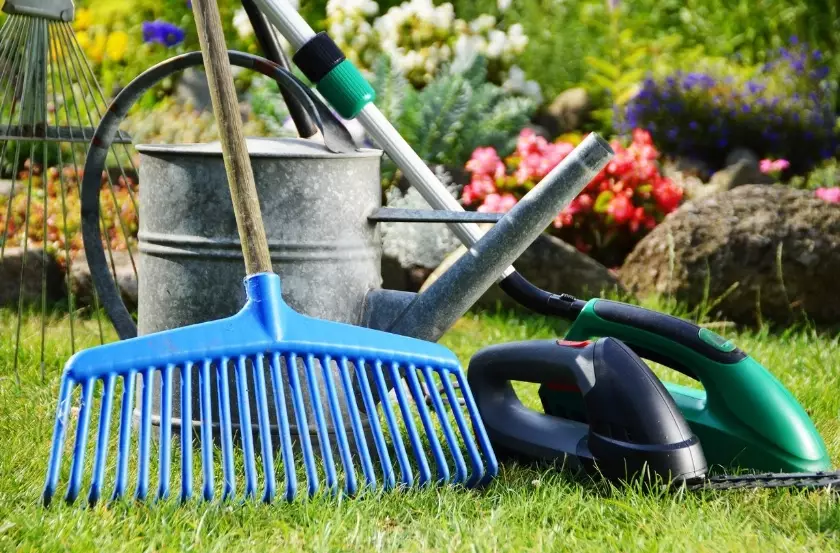
| Tool Category | Primary Tool | Key Feature to Look For | Common Pitfall to Avoid |
|---|---|---|---|
| Soil Work | Digging Spade | Forged steel, D-grip handle | Buying a heavy "contractor" shovel instead of a garden spade |
| Precision Cutting | Bypass Pruners | Replaceable blades, comfortable grip | Using anvil pruners on green stems, crushing them |
| Transport | Wheelbarrow/Cart | Pneumatic (air-filled) tire for rough ground | Choosing a huge cart that won't fit through your gate |
| Weeding | Hori-Hori Knife / Stand-up Weeder | Serrated edge (Hori-Hori) or foot plate (weeder) | Pulling weeds by hand, leaving the root intact |
How to Choose the Right Garden Tools
Your neighbor's perfect tool might be your backache. Selection is personal.
First, assess your garden's reality. Container garden on a patio? Your core list shrinks to a hand trowel, pruners, a watering can, and maybe a small cultivator. Big vegetable plot? You'll live with your spade, fork, and hoe.
Handle material is a big deal. Wood (like ash) looks beautiful and absorbs shock but requires maintenance. Plastic or composite handles are durable and weatherproof but can feel cheap. Steel handles are strongest but transmit all the vibration to your hands—fine for a shovel, terrible for a hammer.
Weight and balance. Always pick the tool up. Make a digging motion. Does it feel like an extension of your arm, or are you fighting it? A lighter tool you'll use is better than a heavy "professional" one that stays in the shed.
The Often-Ignored Step: Tool Maintenance
This is where most gardeners fail. Clean, sharp tools are safer, more effective, and last decades.
The 5-Minute Clean-Up Ritual: Keep a bucket of sand mixed with a bit of mineral oil near your shed. After use, just stab your muddy spade or trowel into the bucket a few times. The sand scours off dirt, the oil leaves a protective film. It's easier than washing and prevents rust.
Sharpening: A dull spade makes digging a chore. A dull pruner massacres stems. For blades, a simple mill bastard file and a diamond sharpening rod are all you need. File spades and hoes annually. Hone pruner blades every few months. There are great tutorials from sources like the University of Vermont Extension.
Winter Storage: Don't just throw them in a corner. Give them a proper clean, sharpen if needed, and wipe all metal parts with an oily rag (linseed oil works). Hang them up if possible. Moisture is the enemy.
A Peek Into My Tool Shed: A Real-World Setup
Context: I have a mixed garden—perennial borders, a small raised-bed veggie patch, and lawn. Here's what I actually use weekly.
- The Workhorses: My stainless steel spade, forged garden fork, and Felco pruners. These are within arm's reach.
- The Problem-Solvers: A hori-hori knife (a Japanese soil knife)—it digs, cuts, weeds, and measures planting depth. A stand-up weeder (like a Fiskars model) for dandelions in the lawn—saves my knees.
- The Specialty Tool I Swear By: A collinear hoe. It's a super thin, sharp blade on a long handle. You use it with a sweeping motion just under the soil surface to decapitate weeds. It's effortless and effective for maintaining beds. Most people haven't heard of it, but it changed my weeding life.
- The Regret: A cheap, lightweight leaf blower. It's loud, ineffective on wet leaves, and feels pointless. I now use a sturdy rake and my garden cart. It's quieter and better exercise.
Your Garden Tool Questions, Answered
 How can I make my garden tools last longer without spending hours on maintenance?
Reader Comments