You're out checking your roses, and you see them. Little, spiky, alligator-looking things crawling on the stems. Your first instinct might be to squish them—another garden pest to deal with. Hold on. Before you do, take a closer look. Those aren't pests. Those are baby ladybugs, also known as ladybug larvae, and they're about to become your favorite garden residents. I've been gardening for over a decade, and I can't tell you how many times I've seen new gardeners make this costly mistake. This isn't just trivia; understanding the ladybug lifecycle, especially the larval stage, is the key to unlocking free, powerful pest control.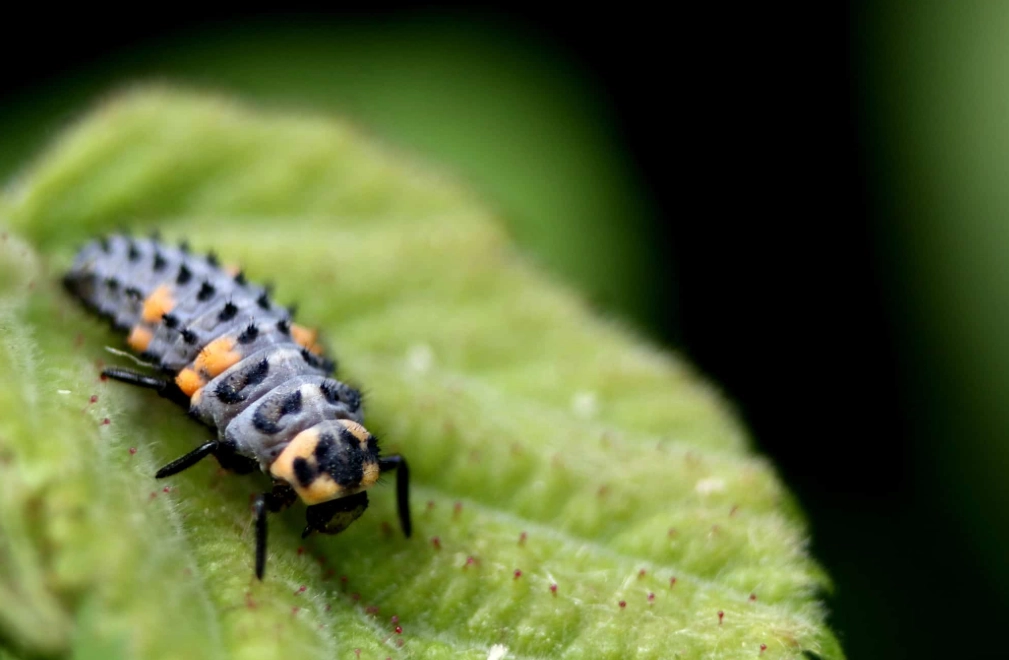
What You'll Discover in This Guide
- What Are Baby Lady Bugs (Larvae) Really?
- How to Identify Baby Lady Bugs (Larvae)
- The Ladybug Lifecycle: From Egg to Adult
- Why Baby Ladybugs Are a Gardener's Best Friend
- How to Attract and Keep Ladybugs (The Right Way)
- Common Mistakes When Dealing with Ladybug Larvae
- Your Baby Lady Bug Questions Answered
What Are Baby Lady Bugs (Larvae) Really?
Let's clear this up right away. A baby ladybug is not a tiny, spotted version of its parents. That's the biggest misconception. When a ladybug egg hatches, what emerges is a larva—a completely different-looking creature designed for one job: eating. Think of it as the teenage phase, all appetite and growth. They look menacing, almost like miniature dragons or tiny alligators with long legs. This alien appearance is why so many people panic and reach for the insecticide spray, wiping out their best line of defense. The larval stage is the most critical period for pest control in the ladybug's life.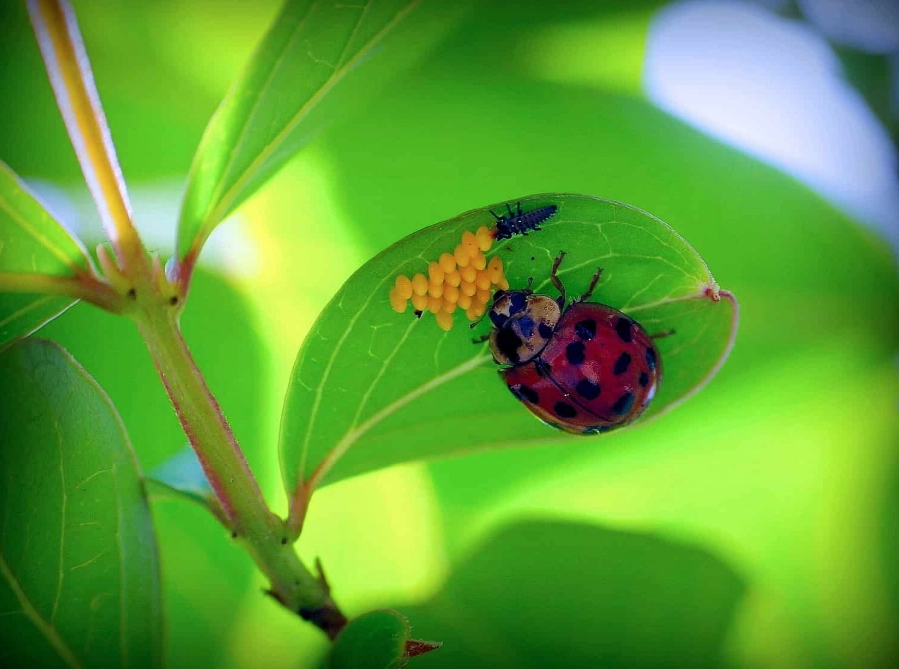
Expert Insight: Most of the pest consumption in a ladybug's life happens during the larval stage. A single larva can devour up to 400 aphids before it pupates. The adult ladybug is more of a maintainer and reproducer. If you only value the cute, spotted adults, you're missing 90% of the benefit.
How to Identify Baby Lady Bugs (Larvae)
Knowing what you're looking at is half the battle. Here’s a breakdown to prevent any tragic misidentifications.
| Feature | Baby Ladybug (Larva) | Common Look-Alikes (Pests) |
|---|---|---|
| Shape & Body | Elongated, segmented, slightly flattened. Looks like a tiny, spiky alligator. | Mealybugs are oval and fluffy. Scale insects are flat and immobile. |
| Color | Typically dark (black, dark gray) with bright orange, yellow, or red markings or spots. | Aphids are usually green, yellow, or black but pear-shaped and soft-bodied. |
| Legs | Six prominent, longish legs in the front, allowing it to crawl actively. | Many pests like scale insects lack visible legs. |
| Movement | Active crawlers. They move purposefully along stems and leaves. | Aphids are sluggish. Mealybugs crawl slowly. |
| Location | Almost always found on plants, often where aphid colonies are present. | Can be anywhere, including undersides of leaves and soil. |
| Key Behavior | Will be seen eating soft-bodied insects like aphids. | Will be seen sucking sap from plants. |
The first time I saw one, I was horrified. I thought my garden was being invaded by some new, terrible bug. It wasn't until I watched one methodically clean up an aphid colony on my milkweed that I realized my error. The active hunting is a dead giveaway—pests don't hunt other insects.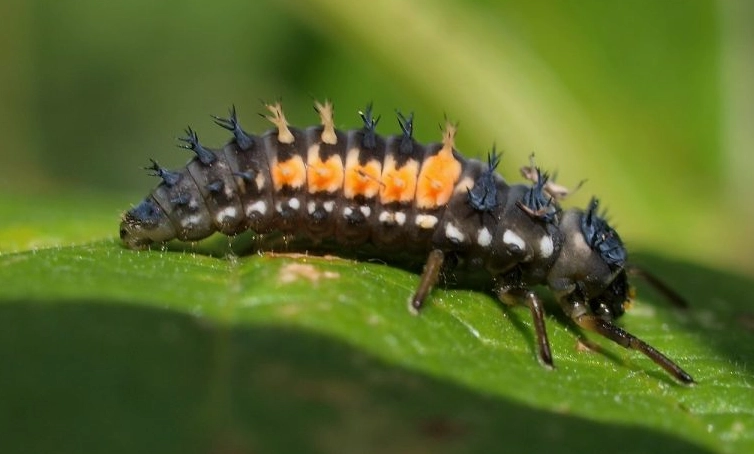
The Ladybug Lifecycle: From Egg to Adult
Understanding the full cycle helps you support them throughout their journey. It's not instant.
Stage 1: The Eggs
A female ladybug lays clusters of 10-50 tiny, yellow, football-shaped eggs vertically on a leaf or stem, usually right in the middle of an aphid colony. It's like setting the dinner table for her kids. These hatch in about 3-5 days.
Stage 2: The Larva (The "Baby" Stage)
This stage lasts 2-4 weeks. The larva will molt its skin four times, growing larger each time (these stages are called instars). It does nothing but eat. It's a pure predator.
Stage 3: The Pupa
When it's full size, the larva attaches itself to a leaf (often the underside) and forms a pupa. It looks like a shriveled, orange and black blob. Don't disturb it! Inside, it's transforming.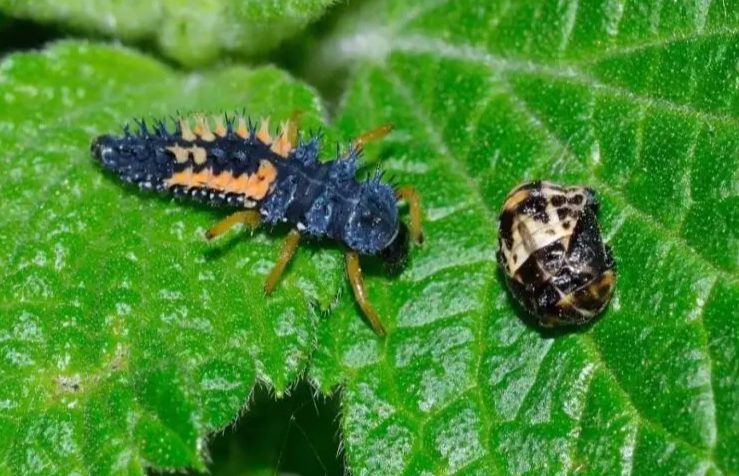
Stage 4: The Adult
After about a week, the adult ladybug emerges. Its wings are soft and pale at first, hardening and gaining their iconic color over several hours.
Here's the kicker most guides don't mention: not all ladybug larvae turn into the classic red-with-black-spots ladybug. There are over 5,000 species worldwide. Your larvae might become orange, yellow, or even black ladybugs. The larval markings are a better ID clue than assuming the adult's color.
Why Baby Ladybugs Are a Gardener's Best Friend
Forget chemical sprays. A colony of ladybug larvae is a targeted, self-sustaining pest control army.
Aphid Assassins: This is their specialty. An aphid colony can explode overnight. A few ladybug larvae will decimate it in days. They eat aphids at all life stages.
Other Menu Items: They also consume mites, thrips, mealybug crawlers, and small caterpillars. They're not picky.
Zero Cost, Zero Toxicity: They work for free and leave no harmful residues on your vegetables or flowers.
They Can't Become Pests: Unlike some introduced beneficial insects, ladybugs are harmless to plants and humans. They don't bite, sting, or chew leaves.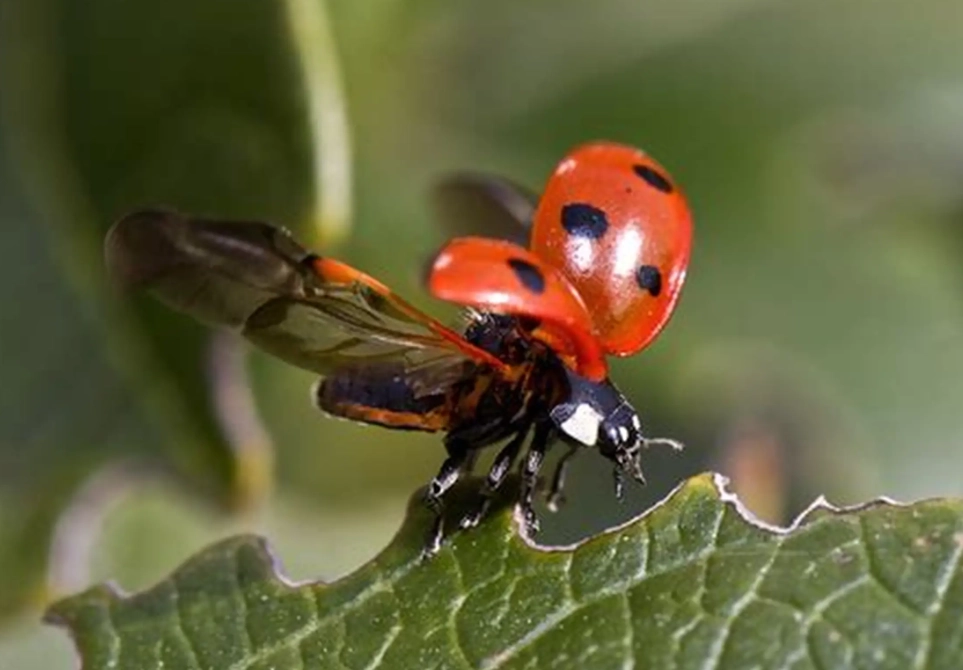
The Numbers Don't Lie: University research, like studies from Cornell University's Department of Entomology, consistently shows that a single ladybug larva consumes far more pests per day than an adult. By supporting the larval stage, you're investing in the most efficient phase of the biocontrol cycle.
How to Attract and Keep Ladybugs (The Right Way)
Buying a bag of adult ladybugs from the garden center is often a waste of money. They'll mostly fly away. The real strategy is to make your garden a place where they want to live, breed, and raise their young—their baby ladybugs.
1. Plant a Pollinator Buffet: Adult ladybugs need pollen and nectar for energy, especially before laying eggs. Focus on plants with small, clustered flowers.
- Herbs: Dill, fennel, cilantro, yarrow, mint (plant in a container!).
- Flowers: Alyssum, marigolds, cosmos, daisies, calendula.
- Let some plants bolt: Let a few carrots or parsley go to flower.
2. Provide a Water Source: A shallow dish with pebbles and water gives them a safe drink. Change it regularly to prevent mosquitoes.
3. Tolerate a Few Pests: This is the hard one. If you spray at the first sign of aphids, you wipe out the ladybugs' food source. Designate a "sacrifice plant"—like a nasturtium or sunflower—where you allow some aphids to exist. This acts as a nursery and feeding ground.
4. Offer Shelter: Leave some leaf litter, have rocks, or even buy or build a simple ladybug house. They need places to overwinter and hide from birds.
5. Avoid Broad-Spectrum Pesticides: This is non-negotiable. Insecticidal soaps and neem oil can harm larvae too if sprayed directly. Use them as precise, last-resort tools, not blanket treatments.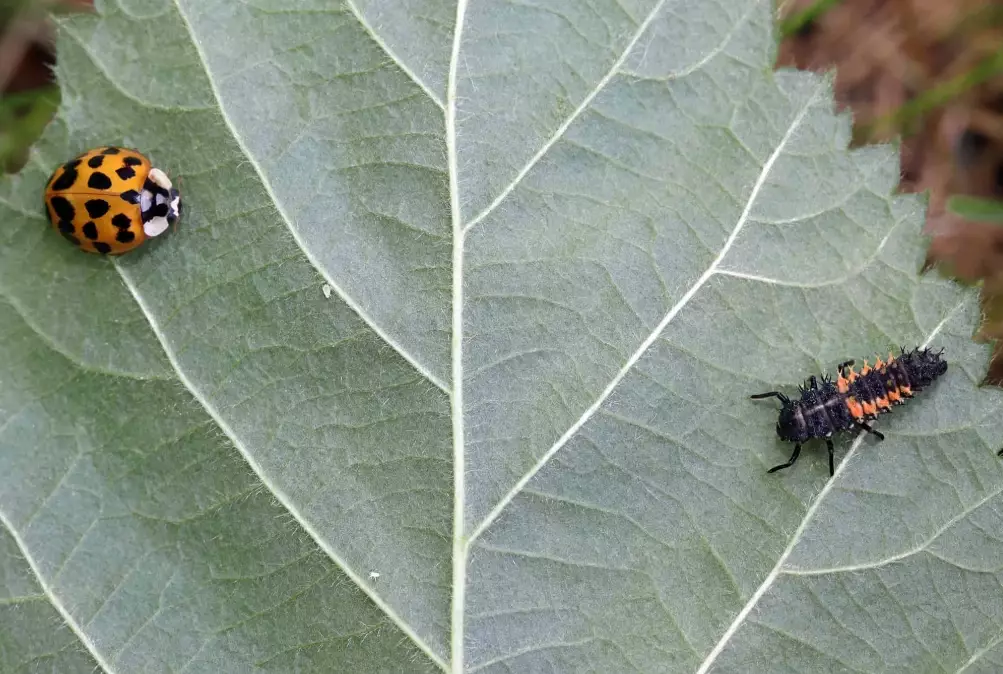
The Big Mistake I See: Gardeners plant the right flowers but then use systemic pesticides (the kind you water into the soil). The poison goes into the pollen and nectar, killing the very beneficial insects you're trying to attract. Always check pesticide labels for their effects on pollinators and beneficials.
Common Mistakes When Dealing with Ladybug Larvae
I've made some of these myself. Learn from them.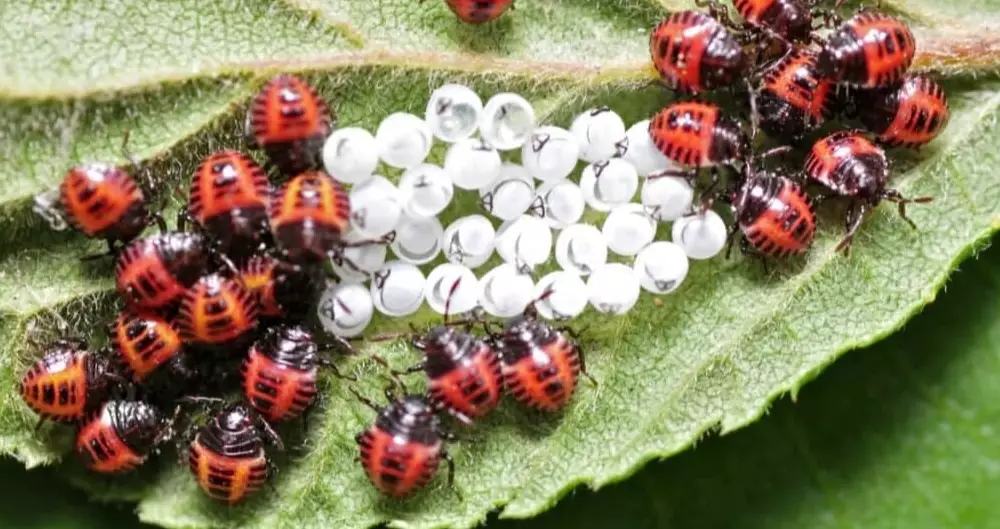
Mistaking them for pests: We covered this. It's the number one error.
Removing them manually: If you see them, celebrate! Leave them alone to work.
Spraying nearby: Even a harmless-looking spray like diluted dish soap can drown or harm the delicate larvae.
Assuming one is enough: It takes a team. A single larva is great, but a cluster of eggs means future generations are secured.
Giving up too soon: You planted flowers but see no ladybugs in year one. It takes time for the ecosystem to establish. Be patient.
Your Baby Lady Bug Questions Answered
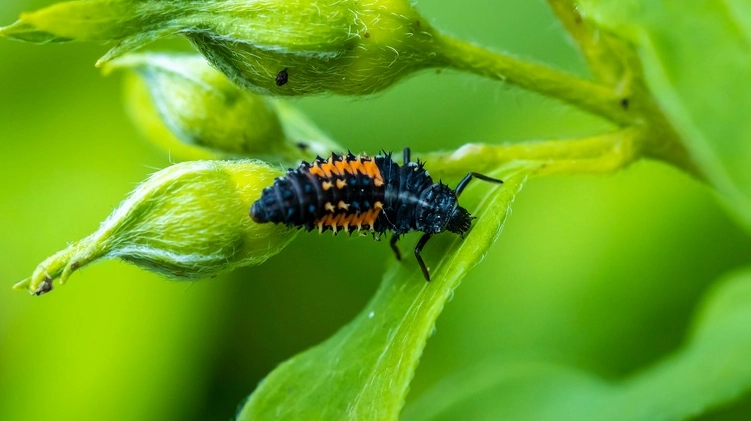 How do I tell the difference between ladybug larvae and harmful beetle larvae, like Colorado potato beetle larvae?
The bottom line is simple. When you see those strange, spiky little alligators on your plants, take a breath. You've just hit the gardening jackpot. Your baby ladybugs are on duty, working tirelessly for free. Your job is just to not get in their way, provide a nice place for their parents to live, and enjoy a healthier, more balanced garden. It's one of the most satisfying partnerships in nature.
Reader Comments