You've seen the pictures. Vibrant little forests of green and red, packed onto a sunny windowsill, promising more nutrients than their full-grown counterparts. Growing microgreens looks simple enough—sprinkle seeds, add water, wait. And for the most part, it is. But after growing hundreds of trays over the years, I can tell you the devil is in the details. The difference between a lush, crisp harvest and a disappointing, moldy mess often comes down to a few subtle mistakes beginners almost always make. This guide will walk you through the entire process, not just the basic steps, but the why behind them and the pitfalls to sidestep.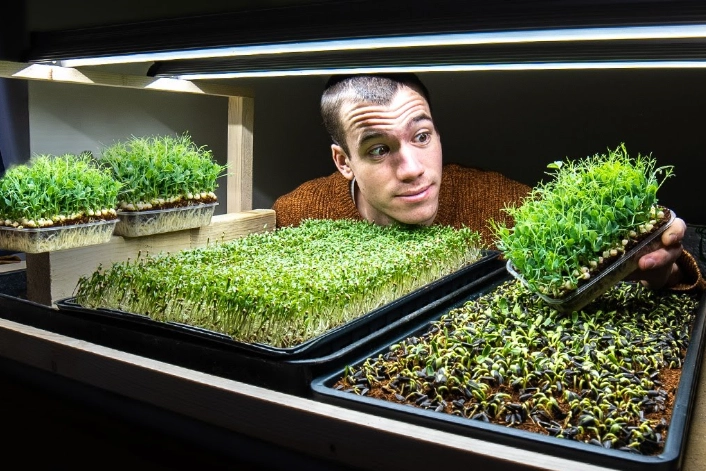
What’s Inside This Guide?
What Are Microgreens (And Why Bother)?
Let's clear this up first. Microgreens are not sprouts. Sprouts are germinated seeds eaten root, seed, and all, usually grown in jars with constant rinsing. Microgreens are the young seedlings of vegetables and herbs, harvested just after the first true leaves (called cotyledons) develop. You snip them off just above the soil line.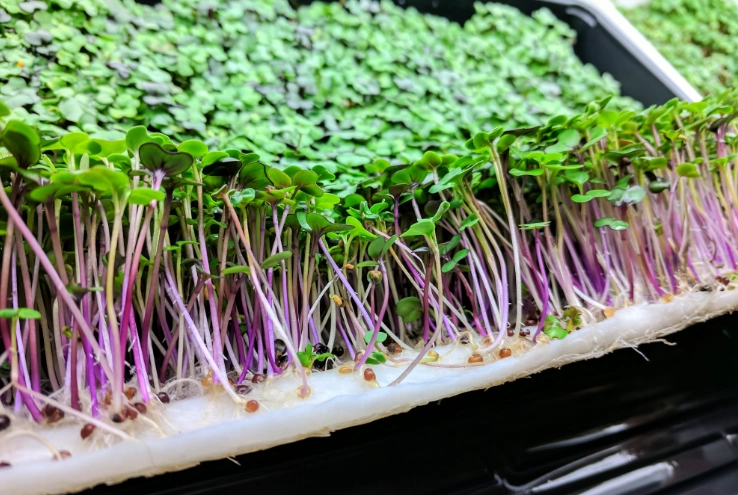
Why grow them? The flavor is the first hook. A radish microgreen delivers a concentrated, peppery punch. Sunflower microgreens taste nutty and have a satisfying crunch. Pea shoots are sweet and perfect for stir-fries.
The nutrient density is the other big reason. Research, including studies referenced by institutions like the USDA's Agricultural Research Service, has shown that microgreens can contain significantly higher levels of vitamins, minerals, and antioxidants compared to their mature forms. You're eating the plant at its peak vitality.
But for me, the best part is the speed and space. From seed to harvest in 1-3 weeks, using just a shallow tray on your counter. It's instant gardening gratification.
Getting Started: What You Really Need
You can buy a fancy microgreens growing kit, and they work fine. But you probably have most of what you need at home already. Let's break down the essentials.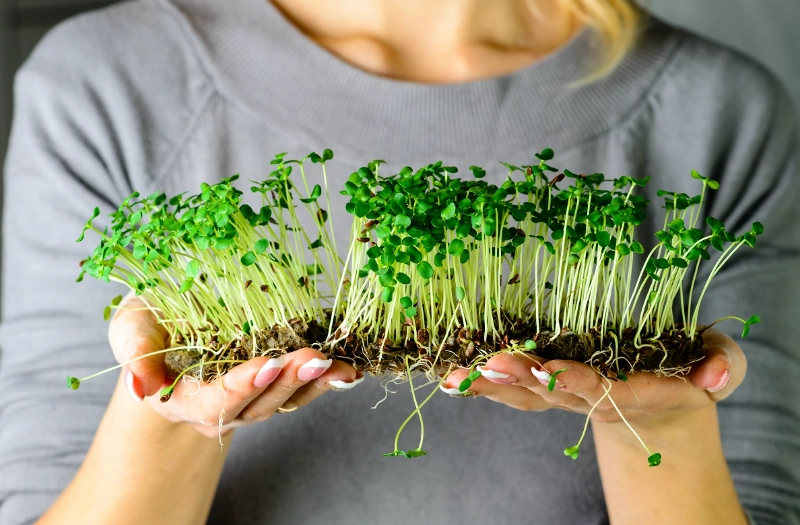
- Container: Any shallow tray with drainage holes. Recycled clamshell containers from berries or greens work perfectly. Poke holes in the bottom. No holes equals mold city.
- Growing Medium: This is critical. Don't use garden soil. It's too dense and may contain pathogens. Use a sterile, soilless mix. A fine, seed-starting mix or coco coir is ideal. It should be light and fluffy.
- Seeds: Buy seeds specifically labeled for microgreens or sprouting. Regular garden seeds are sometimes treated with fungicides you don't want to eat at this stage. This is one area not to cheap out on.
- Light: A bright, south-facing windowsill can work. But for consistent, sturdy growth, a simple LED shop light or grow light placed a few inches above the tray is a game-changer.
- Water: A clean spray bottle is your best friend for the first few days.
That's it. You don't need special fertilizers. The seed contains all the energy the plant needs to reach the microgreen stage.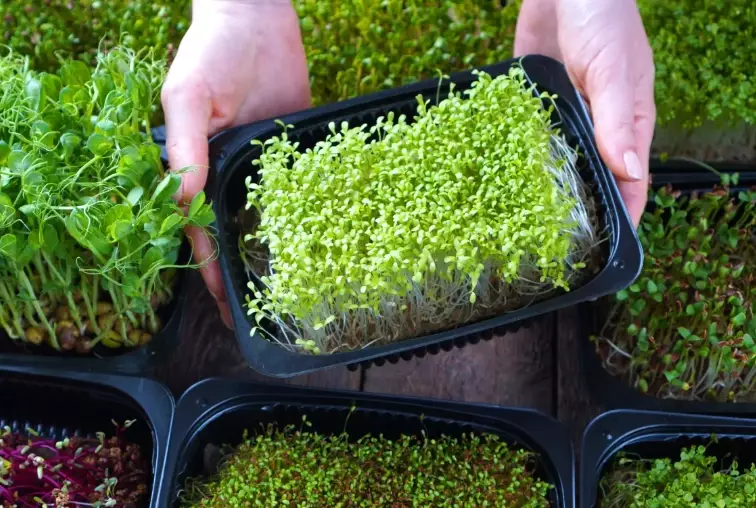
The Foolproof Step-by-Step Process
1. Prep Your Tray and Soil
Fill your tray with about 1-1.5 inches of pre-moistened growing mix. Moisten it so it feels like a wrung-out sponge—damp, not dripping. Level it gently but don't compact it. You want air pockets.
2. The Seeding Rate (Most People Overdo This)
Here's mistake #1: sowing too thickly. You want a single, even layer where seeds are touching but not piled on top of each other. A dense canopy looks good but competes for light and air, encouraging weak stems and mold. For small seeds like broccoli or radish, aim for about 1-2 teaspoons per standard 10x20 tray.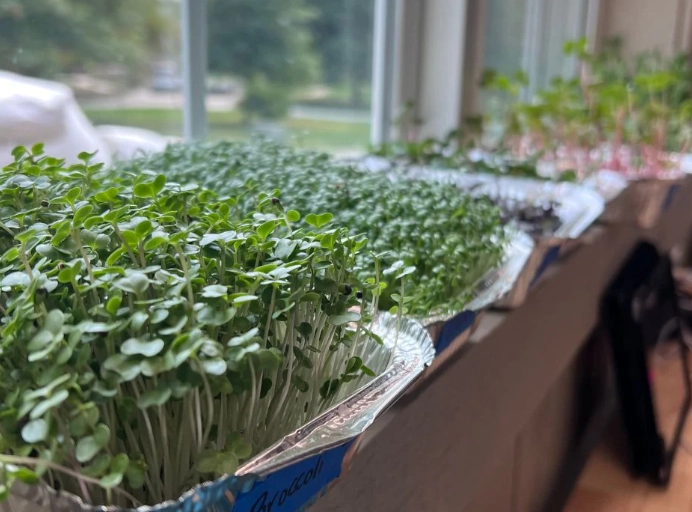
3. The Blackout Period is Non-Negotiable
After sowing, press the seeds gently into the soil for good contact. Then, you must cover them. Use another tray, a plate, or something opaque. This creates a humid, dark environment perfect for germination. Mist the cover lightly. Leave it on for 3-5 days. No peeking! This step forces the stem to elongate, searching for light, which gives you a longer, more harvestable stem.
4. Uncover and Introduce Light
Once you see most seedlings have pushed up and are lifting the cover (day 3-5), take it off. Immediately give them light. If using a grow light, keep it 2-4 inches above the seedlings. This prevents them from getting "leggy" and weak.
5. Watering From Below
This is the pro tip. Once uncovered, stop misting from above. Watering the leaves invites fungal disease. Instead, place your tray inside another tray without holes (a "bottom-watering tray"). Pour water into the bottom tray, and let the soil wick it up for 15-20 minutes, then pour out any excess. Dry leaves are happy leaves.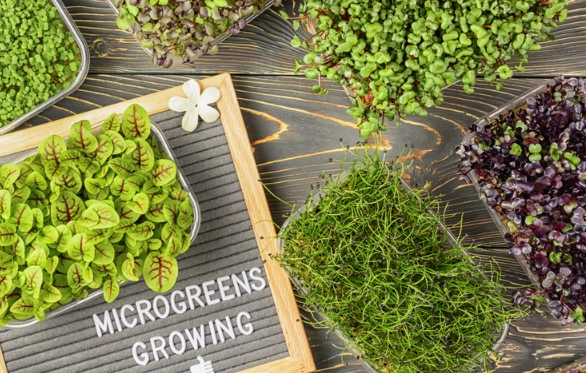
The 5 Best Microgreens for Beginners
Not all microgreens are created equal when you're starting. Some are fussy; some are tanks. Start with these forgiving, fast-growing varieties.
| Microgreen | Flavor Profile | Days to Harvest | Why It's Beginner-Friendly |
|---|---|---|---|
| Radish | Spicy, peppery | 6-10 days | Germinates incredibly fast, very hardy, resistant to mold. Gives you quick success. |
| Sunflower (hulled) | Nutty, crunchy, substantial | 8-12 days | Soak seeds for 8-12 hours before planting. Produces a thick, satisfying shoot that's great in salads. |
| Pea Shoots | Sweet, fresh pea flavor | 10-14 days | Soak seeds overnight. They grow tall and lush. You can often get a second cut from them. |
| Broccoli | Mild, slightly earthy, like mature broccoli | 7-12 days | Very consistent grower, high in nutrients. A classic for a reason. |
| Arugula | Peppery, tangy | 7-10 days | Adds a great kick to dishes. Grows reliably and doesn't need special treatment. |
Start with radish. Seriously. Its vigor will make you feel like a gardening genius.
Common Mistakes & How to Fix Them
I've killed my share of trays. Here's what usually goes wrong.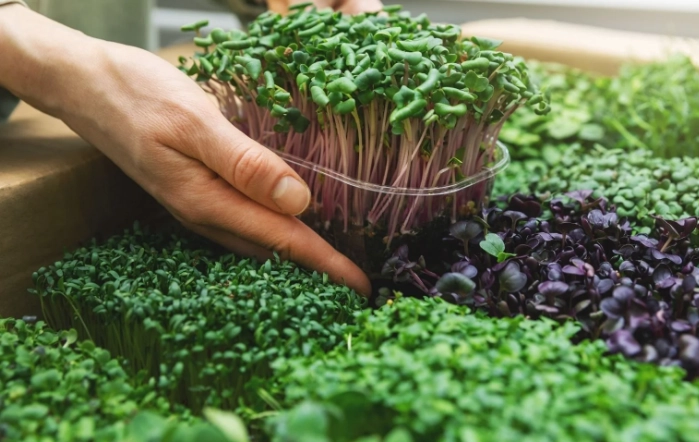
Leggy, Falling Over Seedlings: Not enough light, or light source is too far away. They're stretching desperately. Get them under a stronger light source, and bring it closer—within 4 inches.
Slow or Patchy Germination: Usually inconsistent moisture during the blackout period, or old seeds. Make sure the medium is evenly moist before covering, and mist the cover daily. Always buy fresh seeds from a reputable source.
Yellowing Leaves: Could be overwatering (roots are drowning) or, more commonly, they're just ready to harvest! Microgreens don't live long. If they have true leaves and look vibrant, cut them.
Harvesting and Storing Your Bounty
Harvest when the first set of true leaves (the second set that looks more like the mature plant's leaves) is fully developed. This is peak flavor and nutrition.
Use a sharp, clean pair of scissors. Grab a small handful and snip just above the soil line. Try to avoid getting soil in your harvest.
Do not wash them until you're ready to eat. Moisture is the enemy of storage. Place dry microgreens in a container lined with a paper towel, seal it, and store in the fridge. Most will last 5-7 days this way.
Rinse gently just before using in salads, sandwiches, smoothies, soups, or as a garnish on literally anything.
Reader Comments