You've built or bought your beautiful raised bed. It sits there, an empty wooden or metal frame full of promise. Now you need to fill it. This is the moment where most gardeners, especially new ones, make a critical mistake. They grab whatever soil is cheap or available. Bagged topsoil from the hardware store, leftover dirt from a landscaping project, maybe even pure compost. A year later, they're wondering why their plants are stunted, yellowing, or drowning after every rain.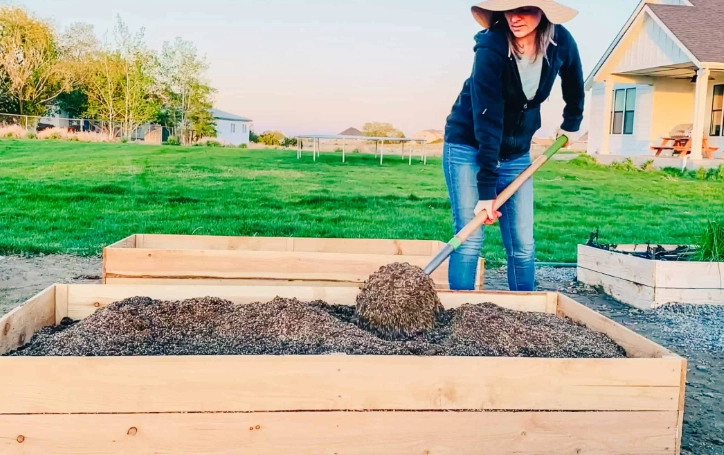
The success of your entire growing season hinges on what you put in that bed. That's where raised garden mix comes in. It's a specific blend designed for the unique environment of a raised bed. But here's the thing they don't tell you on the bag: not all mixes are created equal, and the "best" one often isn't found pre-mixed on a shelf.
What's Inside This Guide
What Raised Garden Mix Actually Is (And Isn't)
Let's clear this up first. Raised garden mix, raised bed soil, container mix, potting soil – the terms get tossed around like salad. They're related but not identical.
Raised garden mix is a growing medium formulated for the drainage and aeration needs of a raised garden bed, which sits above the native ground. It's typically heavier and more nutrient-retentive than a pure potting mix (which is for pots and can dry out too fast in a large bed), but lighter, fluffier, and better-draining than plain topsoil or native garden soil.
Think of your raised bed as a giant container. It needs a soil that won't compact over time, will hold moisture without becoming soggy, and provides a steady supply of nutrients. Native soil often fails on all three counts inside a raised frame.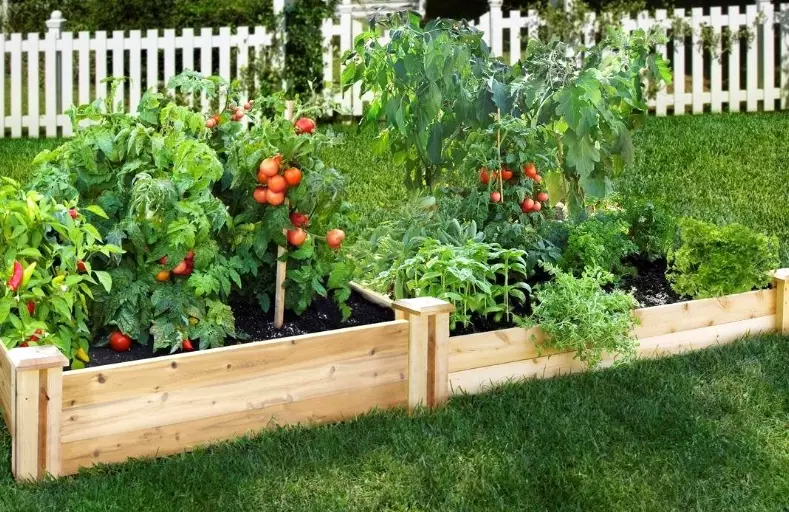
The 3 Non-Negotiable Ingredients in a Good Mix
Every quality raised bed soil recipe revolves around three components. Get the balance of these right, and you're 90% of the way there.
1. The Organic Matter (The Food & Sponge)
This is your compost, well-rotted manure, leaf mold, or other decomposed plant/animal material. It's the nutrient source and moisture reservoir. But here's the subtle error: using only one type of compost. I used nothing but homemade plant-based compost for years and wondered why my tomatoes needed so much supplemental feeding. Animal-based composts (like cow or chicken manure, properly aged) bring a broader, more balanced nutrient profile, including more phosphorus which is crucial for fruiting.
Aim for: A blend of at least two different composts if you can.
2. The Aeration Material (The Fluff)
This creates air pockets. Roots need oxygen as much as they need water. Perlite, pumice, coarse sand (horticultural grade, not builder's sand), or even small lava rock. Perlite is common but can float to the top over time. I've switched to pumice for my main beds – it's more stable and doesn't break down.
Vermiculite is sometimes listed here, but it's more of a moisture retainer than an aerator. In already rainy climates, it can make soil too wet.
3. The Bulk & Structure (The Body)
This gives the mix substance and can help with moisture retention. The gold standard here is sphagnum peat moss or coconut coir. Peat moss is acidic and can be hydrophobic when dry (a real pain to re-wet). Coir is more sustainable, has a near-neutral pH, and rehydrates beautifully. It's become my go-to.
Some recipes include topsoil as a bulk ingredient. If you do, make sure it's screened, high-quality topsoil, not clay-heavy subsoil sold as "topsoil." It should be no more than 1/3 of your total mix.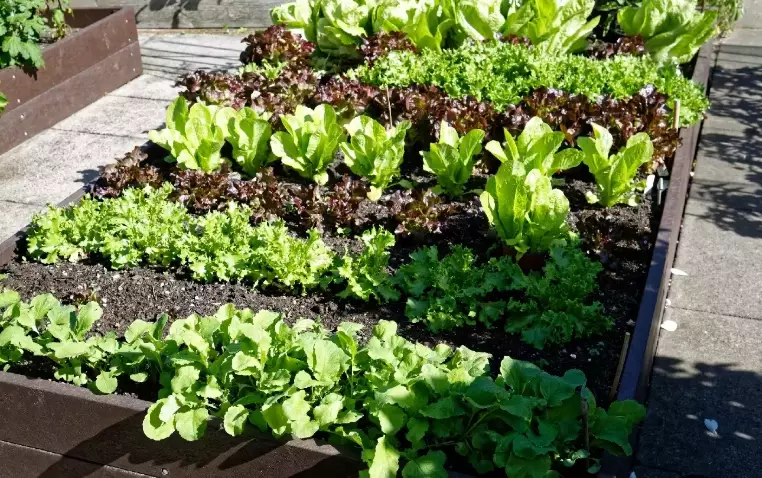
| Ingredient | Primary Role | Pro Tip / Watch Out |
|---|---|---|
| Compost (Blended) | Nutrients, moisture retention, microbial life | Blend plant-based (leaf, garden) with animal-based (manure). Ensure it's fully decomposed. |
| Coconut Coir | Bulk, moisture retention, improves texture | Buy in compressed bricks. Soak in a bucket overnight. More eco-friendly than peat. |
| Perlite or Pumice | Aeration, drainage, prevents compaction | Pumice is heavier and won't float. Wear a mask when mixing to avoid dust. |
| Vermiculite | Holds water & nutrients | Best for containers or very sandy, fast-draining mixes. Can hold too much water in wet climates. |
| Coarse Sand | Drainage, weight (for tall beds) | Must be horticultural or sharp sand. Play sand or builder's sand is too fine and will create concrete. |
How to Mix Your Own Raised Bed Soil
Mixing your own is cheaper, lets you control quality, and allows you to tailor the mix to your climate. For a standard 4'x8' bed that's 12 inches deep, you'll need about 32 cubic feet of mix.
My Go-To, All-Purpose Recipe (Measured by Volume, e.g., buckets or shovels):
- 4 parts Coconut Coir (rehydrated and fluffed)
- 3 parts High-Quality, Blended Compost
- 2 parts Coarse Horticultural Sand or Pumice
- 1 part Perlite (for extra fluff if using sand)
That's a 4:3:2:1 ratio. For a simpler 3-part mix, try the classic 1/3 Coir, 1/3 Compost, 1/3 Aeration (equal parts pumice and perlite).
Step-by-Step Mixing:
- Lay it out. Use a large tarp on a flat surface. Dump your measured ingredients in separate piles.
- Start dry. Mix the coir, sand, and perlite/pumice together first until they're evenly distributed. It'll look like a dry, fluffy base.
- Add the compost. Pour the compost on top and start turning the whole pile with a shovel or by pulling the tarp corners. You want a uniform, chocolate-cake-crumb consistency.
- Moisten as you fill. As you shovel the mix into your raised bed, lightly water each 3-inch layer. This settles the mix and prevents dry pockets. Don't saturate it, just dampen.
Buying Guide: What to Look For in Bagged or Bulk Mix
Not everyone has the space or desire to mix their own. That's fine. But you need to be a smart shopper.
Bagged "Raised Bed Mix": Read the ingredient list on the back, not just the fancy name on the front. It should list specific components like "composted forest products," "sphagnum peat moss," "perlite," etc. If it just says "organic matter" and "processed forest products," it's likely low-grade. Brands like FoxFarm, Espoma, and Kellogg have generally reliable formulations, but quality can vary by region.
Bulk Delivery (Cubic Yards): This is often the most economical for multiple or large beds. Call local landscape supply companies or garden centers. Ask them: "What is your raised bed soil blend made of?" and "Is it screened?" (meaning no large sticks or rocks). A good answer might be: "It's a blend of compost, topsoil, and sand." Ask if you can see it or get a small sample. Feel it. It should be crumbly, not clumpy or muddy.
Cost Comparison: Bagged mix is the most expensive per cubic foot. Bulk delivery has a delivery fee but wins on volume. DIY mixing usually falls in the middle but gives you the highest quality control. For my three 4x8 beds, buying bulk compost, coir bricks, and aeration materials saved me about 35% over premium bagged mixes.
The 5 Most Common Raised Bed Soil Mistakes
I've made most of these. Let's save you the trouble.
1. Ignoring pH. Most vegetables love a pH between 6.0 and 7.0. Peat moss is acidic. Some composts can be alkaline. If you never test, you're guessing. A $15 soil test kit is the best investment you'll make. Lime raises pH, sulfur lowers it.
2. Using Fresh Manure or Unfinished Compost. It will "burn" your plants with excess ammonia and salts. It should be aged for at least 6 months. If it smells strong, it's not ready.
3. Letting It Go Bare. Soil is a living ecosystem. At the end of the season, plant a cover crop (like winter rye) or cover it with a thick layer of mulch (straw, leaves). This protects microbes and adds organic matter as it breaks down.
4. Over-Fertilizing. A good mix with ample compost has enough nutrients for 4-6 weeks. After that, use gentle, organic fertilizers like fish emulsion or compost tea based on plant needs. More is not better.
5. Not Topping It Off. Soil level sinks 1-2 inches per year as organic matter decomposes. Each spring, top up your beds with 1-2 inches of fresh compost. This is your annual "feeding" of the soil.
Your Raised Bed Soil Questions, Answered
The right raised garden mix isn't a mystery. It's a recipe you can understand, modify, and master. Whether you buy it or build it yourself, focusing on that balance of food, fluff, and structure will set your garden—and your harvest—up for success from the ground up. Start with the soil. Everything else follows.
Reader Comments