Growing asparagus is one of the most rewarding things you can do in a garden, but it's a long-term commitment. If you do it right, you'll get fresh spears for 20 years or more. I've been growing asparagus for over a decade, and I'll walk you through the whole process, including the mistakes I made early on.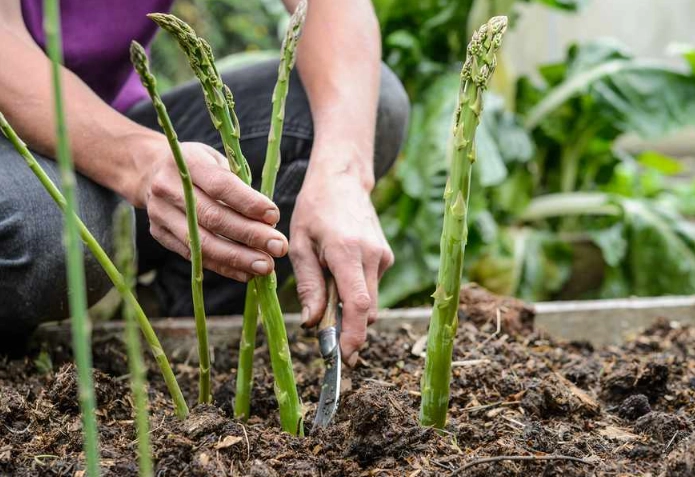
What's Inside This Guide
Why Grow Asparagus?
First off, asparagus is a perennial vegetable. Once established, it comes back every spring with minimal effort. The taste of homegrown asparagus is nothing like store-bought—it's sweeter, tender, and you can pick it at its peak. I remember my first harvest: the spears were so crisp, they snapped when I bent them. That's when I knew it was worth the wait.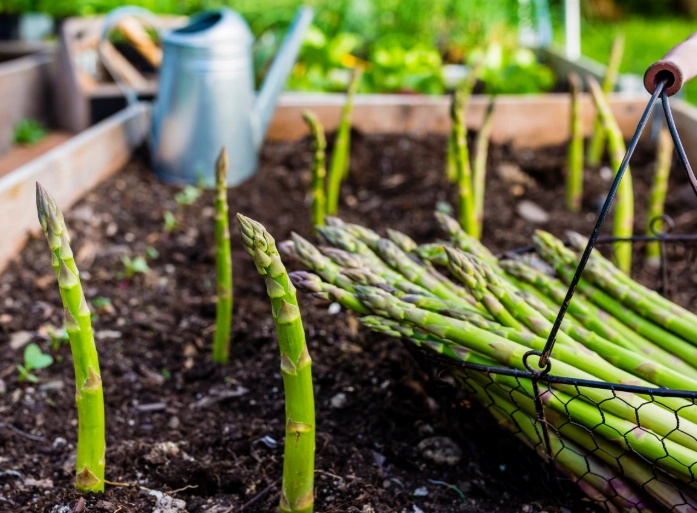
But here's the catch: you need patience. From planting, it takes about 2-3 years before you can harvest fully. Most guides don't emphasize this enough, and beginners get frustrated. Think of it as an investment in your garden's future.
Preparation Before Planting
This is where many people mess up. Rushing into planting without proper prep leads to weak plants. Take your time here.
Choosing the Right Asparagus Variety
Not all asparagus is the same. You've got male and female plants, and hybrids. Male varieties produce more spears because they don't waste energy on seeds. I recommend starting with crowns (one-year-old plants) rather than seeds—it cuts down the waiting time.
Here's a quick comparison of popular varieties:
| Variety | Type | Key Features | Best For |
|---|---|---|---|
| Jersey Giant | Male hybrid | High yield, disease-resistant | Beginners, cold climates |
| Mary Washington | Heirloom | Reliable, good flavor | Traditional gardens |
| Purple Passion | Purple spears | Sweeter, tender, less fibrous | Unique color, mild taste |
I started with Mary Washington, but switched to Jersey Giant after losing plants to rust. The hybrids are tougher.
Finding the Perfect Spot
Asparagus needs full sun—at least 8 hours a day. Don't skimp on this. I once planted some in a partly shaded area, and the spears were thin and pale. Also, pick a spot where you won't disturb the soil for years. Raised beds work great if your soil is heavy clay.
Soil Preparation: The Foundation
This is critical. Asparagus thrives in well-drained soil with a pH between 6.5 and 7.5. Get a soil test kit or send a sample to your local extension office—it's worth the few bucks. If your soil is acidic, add lime; if alkaline, add sulfur.
Dig a trench about 12 inches deep and mix in compost or aged manure. I use about 4 inches of compost at the bottom. Avoid fresh manure; it can burn the roots. According to the USDA, organic matter improves soil structure and fertility, which is key for perennial crops.
Planting Asparagus Step-by-Step
Now for the fun part. Timing is everything.
When to Plant Asparagus
Plant in early spring, as soon as the soil is workable. In most regions, this is March to April. If you're in a warm climate, fall planting can work, but spring is safer. I planted mine in mid-April, and they established well before summer heat.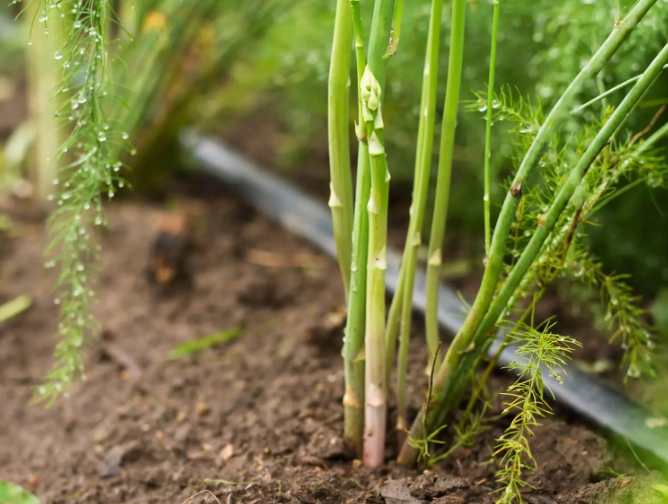
How to Plant Asparagus Crowns
Here's my method, refined over years:
1. Soak the crowns in water for an hour before planting. It rehydrates them.
2. Place the crowns in the trench, spacing them 12-18 inches apart. Spread the roots out like an octopus.
3. Cover with 2 inches of soil. As the plants grow, gradually fill in the trench over the season. This encourages deep root development.
4. Water thoroughly after planting. Keep the soil moist but not soggy.
A common mistake is planting too deep. If you bury the crowns more than 6 inches initially, they struggle to emerge. I learned this the hard way—some of my first plants never came up.
What About Seeds?
Growing asparagus from seed takes an extra year. If you're patient, start seeds indoors 12-14 weeks before last frost. Transplant seedlings when they're 6 inches tall. Honestly, I don't recommend it for beginners; crowns give you a head start.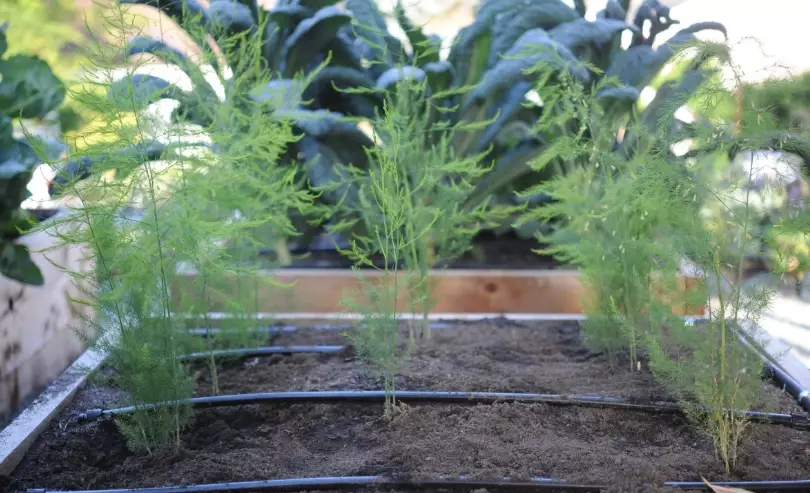
Caring for Asparagus Plants
Once planted, asparagus isn't high-maintenance, but it needs consistent care.
Watering: How Much and How Often
Asparagus likes about 1-2 inches of water per week. Deep, infrequent watering is better than frequent sprinkles. During dry spells, I water once a week, soaking the soil to a depth of 6 inches. Overwatering can cause root rot—I lost a few plants to that in a rainy year.
Fertilizing: What to Use and When
This is where I see a lot of confusion. Many gardeners slap on high-nitrogen fertilizer, thinking it'll boost growth. Wrong. Asparagus is a heavy feeder, but too much nitrogen leads to lush ferns and weak roots. Instead, use a balanced fertilizer or compost in early spring and after harvest.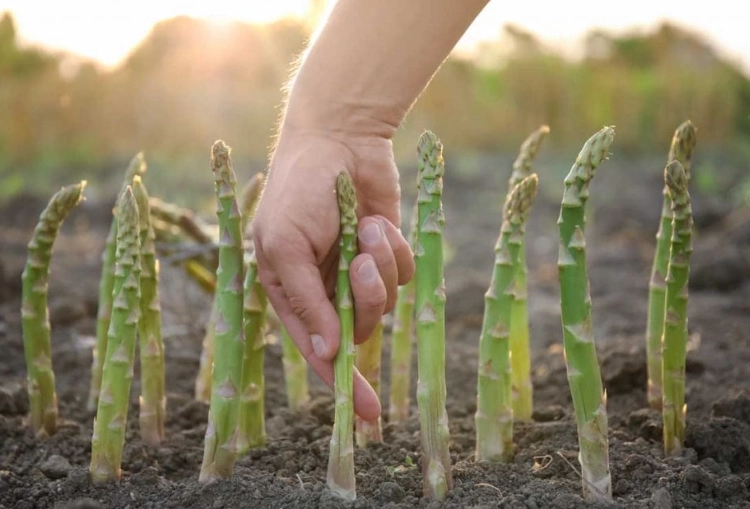
I apply a side dressing of composted manure in spring, then a light dose of organic fertilizer (like 5-10-10) in fall. The Royal Horticultural Society suggests avoiding fresh nitrogen sources during the growing season.
Weed Control: Keeping the Bed Clean
Weeds compete with asparagus for nutrients. Mulch with straw or wood chips to suppress weeds. Hand-pull any that pop up. I made the error of using a hoe too close to the plants—damaged some crowns. Now I mulch heavily and weed by hand.
Pest and Disease Management
Asparagus beetles are the main pest. Handpick them or use neem oil. For diseases like rust or fusarium wilt, choose resistant varieties and ensure good air circulation. I spray a baking soda solution (1 tablespoon per gallon of water) as a preventive measure.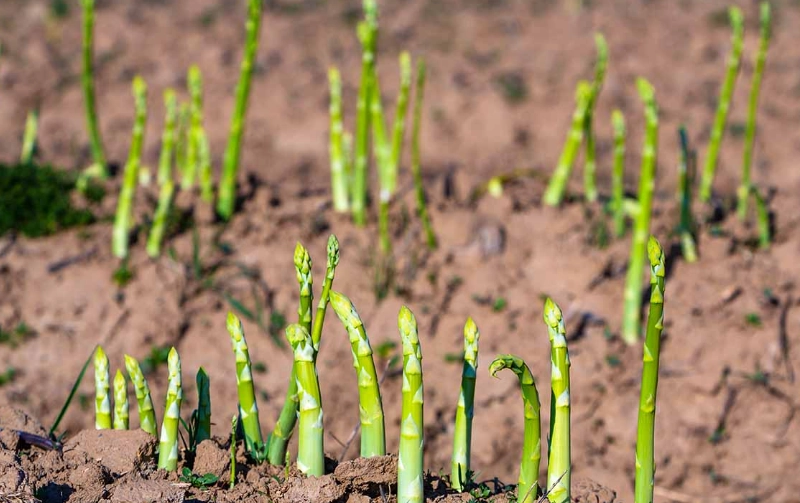
Harvesting and Storing Asparagus
The payoff. But don't harvest too soon.
In the first year, don't harvest at all. Let the plants establish. In the second year, you can pick spears for 2-3 weeks. From the third year onward, harvest for 6-8 weeks in spring.
How to harvest: Cut spears when they're 6-8 inches tall, using a sharp knife or snapping them by hand. Cut below the soil surface to avoid damaging the crown. I prefer snapping—it's easier and ensures you only take tender spears.
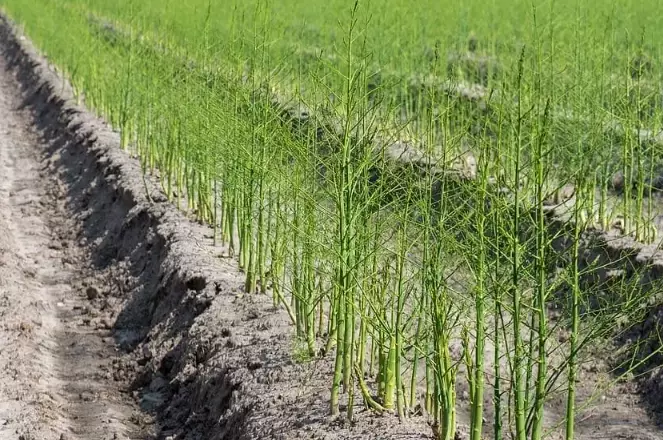
After harvest, let the ferns grow to recharge the roots. In fall, after they turn brown, cut them back to ground level.
Store harvested asparagus in the fridge, wrapped in a damp cloth. It lasts about a week. For longer storage, blanch and freeze it.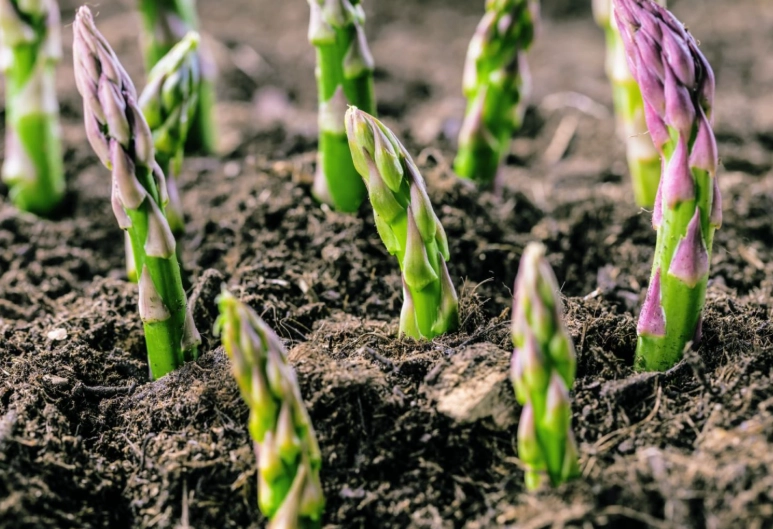
Common Problems and Solutions
Even with care, issues pop up. Here are a few I've dealt with:
Asparagus not sprouting: Usually due to planting too deep or poor soil drainage. Check the crown depth—if it's more than 6 inches, gently expose it. Improve drainage with compost.
Thin spears: Often a sign of overcrowding or nutrient deficiency. Thin plants to proper spacing and fertilize with phosphorus-rich food.
Yellowing ferns: Could be overwatering or disease. Reduce water and ensure good air flow.
I once had a bed where spears came up crooked. Turns out, the soil was too compacted. Aerating with a fork solved it.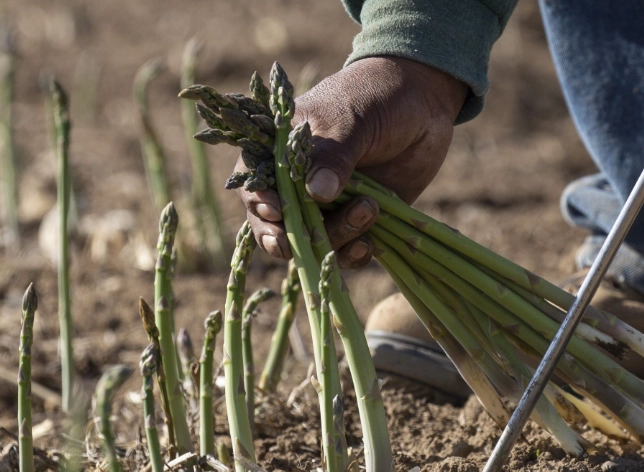
Frequently Asked Questions
Reader Comments