If you're thinking about growing carrots, timing is everything. Carrot planting season isn't just a date on the calendar—it's a dance with your local climate, soil, and even the carrot variety you choose. I've been gardening for over a decade, and carrots were one of the first vegetables I tried to grow. Let me tell you, I messed up more times than I care to admit. But that's why I'm here: to help you skip the pitfalls and get straight to a crunchy, sweet harvest.
What You'll Find in This Guide
When is Carrot Planting Season?
This is the big question, right? Most gardening guides will tell you to plant carrots in early spring or fall, but that's too vague. The truth is, carrot planting season depends heavily on where you live. Carrots are cool-season crops, meaning they thrive in temperatures between 60°F and 70°F (15°C to 21°C). If it gets too hot, they bolt and turn bitter; too cold, and they just sit there.
Here's a breakdown based on USDA hardiness zones—I always check the USDA Plant Hardiness Zone Map for reference, but you can find your zone with a quick online search.
- Zones 3-5 (Cold climates like Minnesota or Maine): Plant carrots as soon as the soil can be worked in spring, usually late April to May. You can also do a fall planting in late July to early August for a harvest before frost.
- Zones 6-7 (Moderate climates like Virginia or Missouri): Spring planting from March to April, and fall planting from August to September. I live in Zone 7, and I've found that mid-March works best for me—the soil is warm enough but not soggy.
- Zones 8-10 (Warm climates like Texas or California): Plant in late winter to early spring (February to March) or in fall (September to October). Avoid summer heat; carrots will struggle.
One trick I learned: use soil temperature as your guide. Carrot seeds germinate best when soil is around 55°F to 75°F (13°C to 24°C). Get a soil thermometer—it's cheap and saves a lot of guesswork.
Regional Variations and Microclimates
Don't just rely on zone maps. Microclimates in your garden matter. For example, if you have a south-facing slope, your soil might warm up faster. I once planted carrots in a shaded spot, and they took forever to sprout. Lesson learned: full sun is key for carrots, at least 6 hours a day.
How to Prepare for Planting Carrots
Preparation is 80% of the success with carrots. If your soil isn't right, you'll end up with forked, stumpy carrots—trust me, I've been there. Carrots need loose, well-draining soil free of rocks and clumps.
Pro tip: Many gardeners overlook soil depth. Carrots can grow up to 12 inches long, so you need to loosen the soil at least that deep. I use a garden fork to aerate the bed, not a tiller, because tilling can create hardpan layers that carrots hate.
Here's my prep checklist:
- Soil testing: Get a soil test kit or send a sample to your local extension office. Carrots prefer a pH between 6.0 and 6.8. If your soil is too acidic, add lime; too alkaline, add sulfur.
- Amendments: Mix in compost or well-rotted manure—but avoid fresh manure, as it can cause forking. I add about 2 inches of compost and work it into the top 8 inches of soil.
- Remove obstacles: Pick out rocks, sticks, and clumps. Carrot roots will divert around anything hard, leading to weird shapes.
- Watering setup: Ensure you have a gentle watering method. Carrot seeds are tiny and can wash away. I use a soaker hose or water with a fine mist.
Some experts from the National Gardening Association recommend avoiding high-nitrogen fertilizers, as they promote leafy growth over root development. I stick with a balanced organic fertilizer at planting time.
Step-by-Step Guide to Planting Carrots
Let's get into the nitty-gritty. Planting carrots isn't hard, but there are nuances that make a difference.
Step 1: Choose Your Carrot Variety
Not all carrots are created equal. For shorter seasons, try 'Nantes' or 'Chantenay' types—they mature in about 60 days. For longer seasons, 'Imperator' carrots can take 75 days. I love 'Danvers' for their tolerance to heavy soil.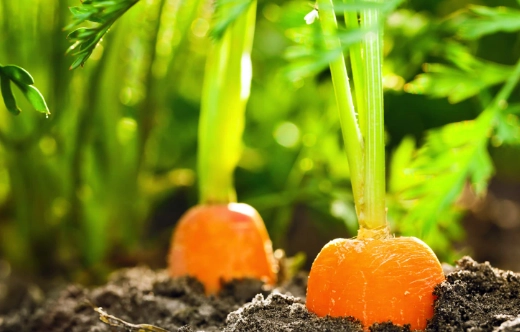
Step 2: Sow the Seeds Correctly
This is where most people go wrong. Carrot seeds are tiny, so it's easy to plant them too deep. Here's my method:
- Make shallow furrows about 1/4 inch deep. I use a board edge or my finger.
- Space the furrows 12 to 18 inches apart. Carrots need room to spread.
- Sow seeds sparingly—about 2 seeds per inch. They're hard to thin later if overcrowded.
- Cover lightly with fine soil or vermiculite. Don't pack it down.
- Water gently but thoroughly. Keep the soil consistently moist until germination, which takes 10 to 21 days.
I often mix carrot seeds with sand to help with even distribution. It sounds fussy, but it prevents clumping.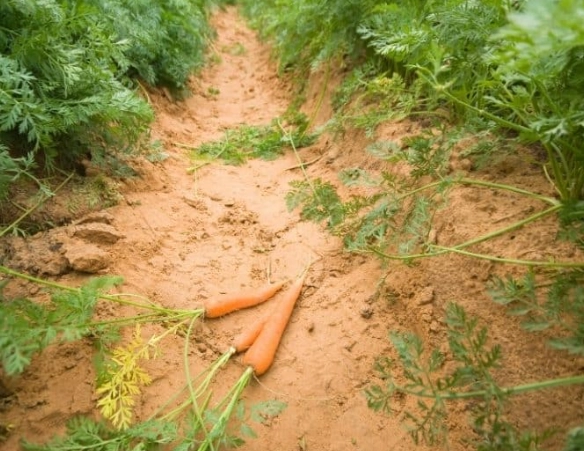
Step 3: Post-Planting Care
Once seeds sprout, thin the seedlings to about 2 inches apart when they're 2 inches tall. Yes, thinning is painful—you're pulling up potential carrots—but it's necessary for good root development. I use scissors to snip extras at soil level to avoid disturbing nearby roots.
Water deeply once a week, providing about 1 inch of water. Mulch with straw or grass clippings to retain moisture and suppress weeds. Carrots have shallow roots, so weeding carefully is crucial.
Common Mistakes to Avoid During Carrot Planting Season
After years of trial and error, I've seen the same errors pop up. Here are the big ones:
- Planting too deep: Carrot seeds need light to germinate. If buried more than 1/2 inch, they might not sprout. I've wasted whole packets this way.
- Overwatering or underwatering: Inconsistent moisture causes cracking or woody carrots. Use a moisture meter if you're unsure.
- Ignoring soil prep: Hard, compacted soil leads to forked carrots. One season, I skipped loosening the soil, and my harvest looked like abstract art.
- Planting at the wrong time: If you plant too early in spring, frost can damage seedlings; too late, and heat stresses them. Check your local frost dates—resources like the Old Farmer's Almanac can help.
A non-consensus view: many gardeners swear by planting carrots with radishes as a companion crop. I tried it, and while radishes mark the row, they also compete for space. I prefer planting carrots alone in a dedicated bed.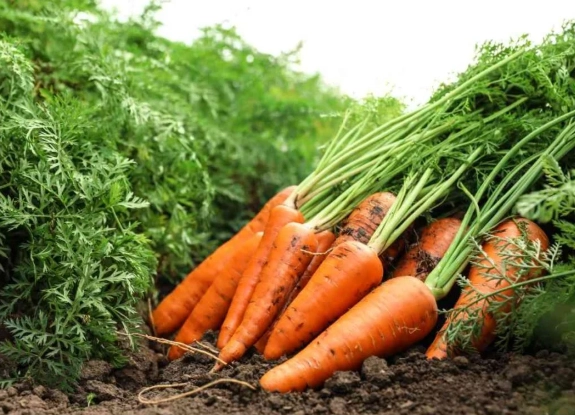
FAQ About Carrot Planting Season
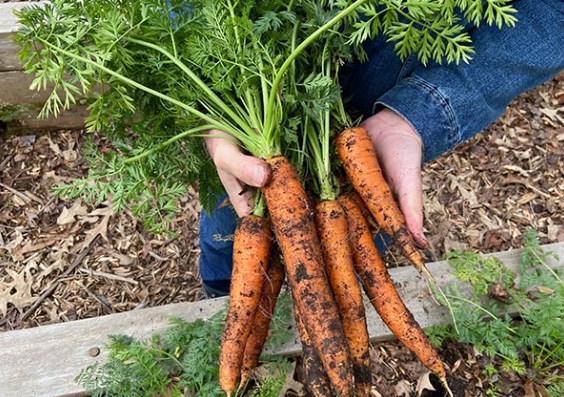
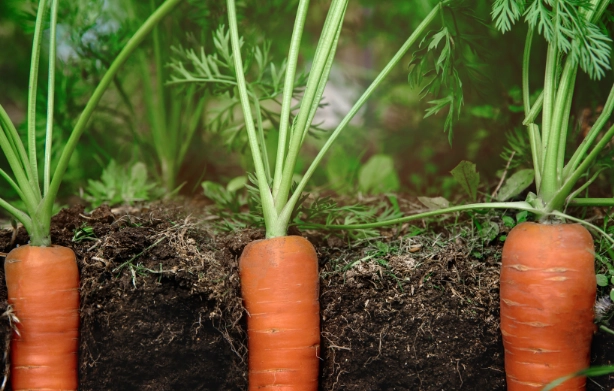
Carrot planting season is more than just a timeframe—it's about understanding your garden's unique conditions. Start with soil prep, time it right, and avoid common pitfalls. Whether you're a beginner or a seasoned gardener, carrots offer a rewarding challenge. Grab those seeds, get your hands dirty, and enjoy the process. Happy planting!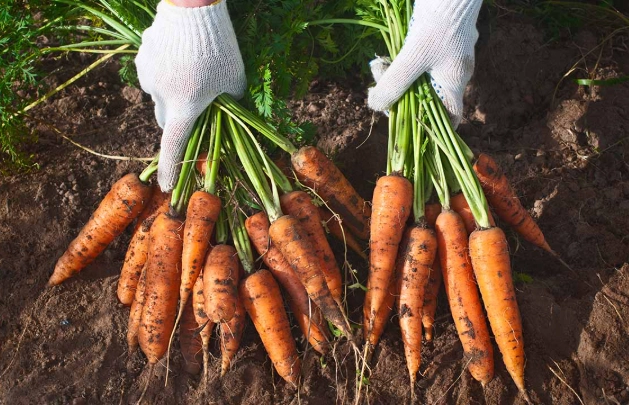
Reader Comments