Let's be honest. Most advice on mulching a vegetable garden is surface-level. "Put down straw," they say. "Keep the weeds out." It's not wrong, but it misses the entire point. Mulch isn't just a weed blanket; it's the engine of your garden's soil ecosystem. Get it right, and you transform watering, feeding, and plant health. Get it wrong, and you might as well invite slugs to a banquet and tie your plants' roots in a knot.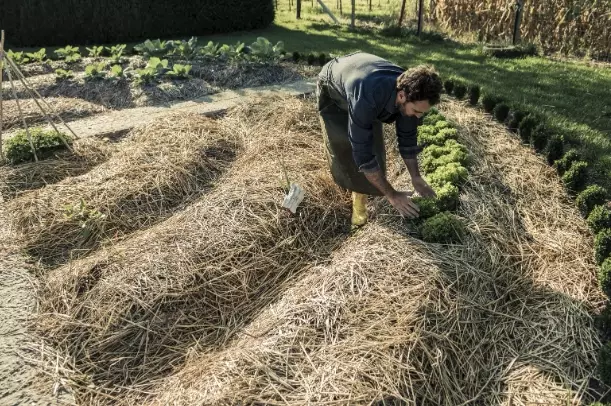
I learned this the hard way. One year, I piled fresh, chunky wood chips around my tomatoes. The result? Stunted, yellowing plants that produced almost nothing. That's when I realized mulch is nuanced. This guide is the result of a decade of trial, error, and conversations with soil scientists. We're going beyond the basics.
What's Inside This Guide
Why Mulch is Non-Negotiable (Beyond Weeds)
Yes, suppressing weeds is the headline benefit. But the real magic happens underneath.
A proper layer of organic mulch acts like a temperature regulator for soil. On blistering summer days, it keeps roots cool and moist. In early spring, it can slightly slow warming, which is actually good—it prevents you from planting too early before the soil is truly ready. Research from institutions like the University of California's Agriculture and Natural Resources division consistently shows that mulched soil retains significantly more moisture, reducing irrigation needs by up to 50%.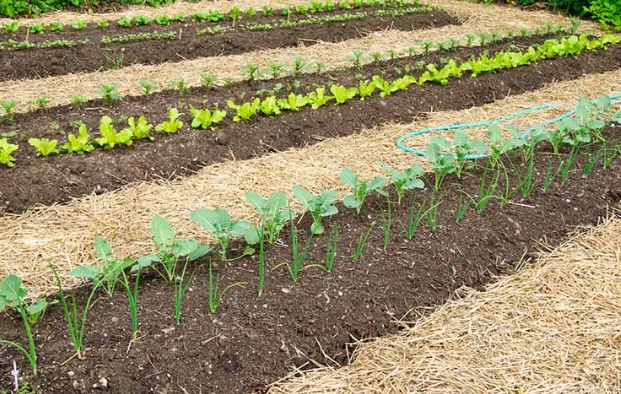
Then there's the soil food web. As organic mulch breaks down, it feeds earthworms and microbes. This process builds humus, improves soil structure (no more concrete-like clay!), and slowly releases nutrients. Think of it as a slow-drip fertilizer feed. It also prevents soil compaction from heavy rain, keeping those precious air pockets intact.
The Great Mulch Showdown: Organic vs. Inorganic
This is the core decision. Organic mulches decompose and feed the soil. Inorganic mulches (like plastic or landscape fabric) are more about weed control and soil warming. For a vegetable garden, organic is almost always the winner for long-term soil health. But let's break down the contenders.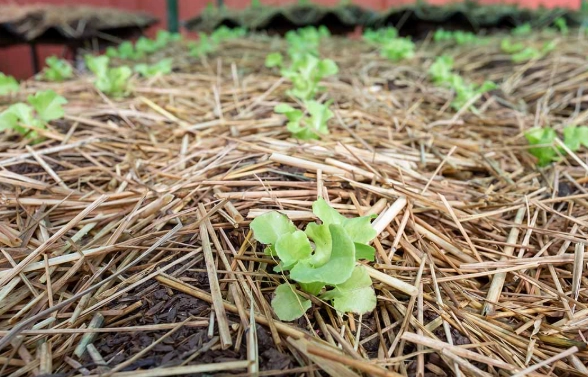
| Mulch Material | Best For | Pros | Cons & Expert Caveats |
|---|---|---|---|
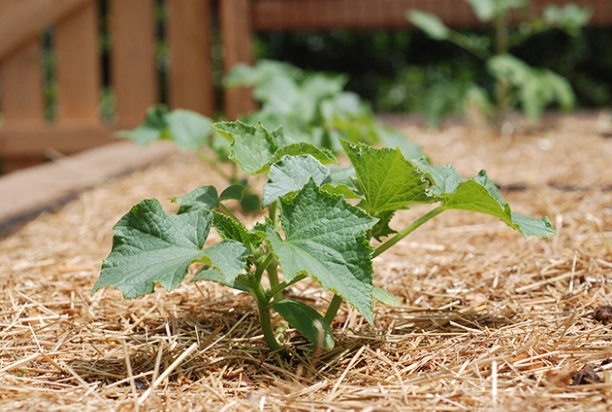
| Straw (Not Hay!) | Tomatoes, peppers, potatoes, pathways. | Excellent insulation, light, allows water through, breaks down nicely. | Ensure it's seed-free straw, not hay (hay is full of weed seeds). Can blow away if not slightly moistened when applied. My personal favorite for most beds. |
| Shredded Leaves | Almost everything, especially as a winter cover. | Free, fantastic soil builder, great texture. | Shred them first with a mower. Whole leaves mat into a water-shedding blanket. Let them compost a bit over winter before planting in spring. |
| Grass Clippings | Heavy-feeding crops like corn, squash. | High in nitrogen, readily available. | Big warning: Must be from a chemical-free lawn. Apply in thin layers (1 inch max) to prevent forming a slimy, smelly mat. Let them dry out a bit first. |
| Wood Chips/Bark | Pathways only. Not vegetable beds. | Long-lasting, great for walkways. | Rob soil of nitrogen as they break down if mixed into beds. Can harbor fungal artillery. I don't use them in my beds, period. |
| Compost | As a thin top-dressing around established plants. | Feeds plants directly, improves soil. | It's not a great weed barrier. Use it under another mulch like straw for a power combo. |
| Black Plastic | Warming soil for heat-lovers (melons, sweet potatoes). | Superb weed suppression, warms soil fast. | Kills soil life underneath, prevents water/air infiltration. It's a short-term tool, not a philosophy. Remove and dispose responsibly each year. |
See the nuance? Straw and leaves are the workhorses. Grass clippings are a useful but tricky tool. Wood chips belong on the paths. Plastic has a specific, limited role.
How to Mulch a Vegetable Garden: The Right Way, Step-by-Step
Timing and technique matter more than you think.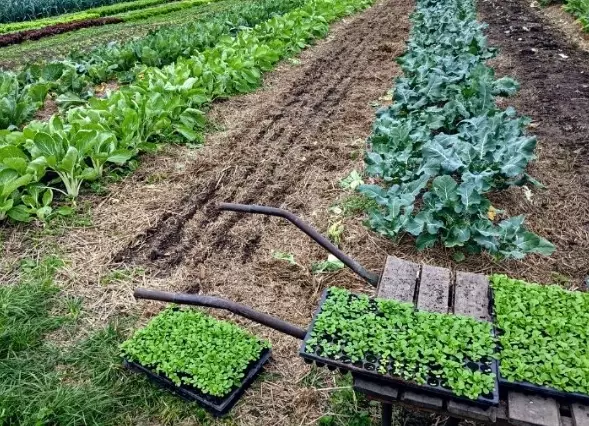
When to Apply Mulch
This is the first mistake people make. Do not mulch too early in spring. If you lay down a thick, cool layer on cold, wet soil, you'll keep it cold and wet. Wait until the soil has warmed up thoroughly and your seedlings or transplants are well-established (usually 4-6 inches tall). For me, that's often early to mid-June, depending on the spring.
For warm-season crops, apply after planting. For overwintering beds (like garlic), apply a thick layer after the ground has frozen to prevent heaving.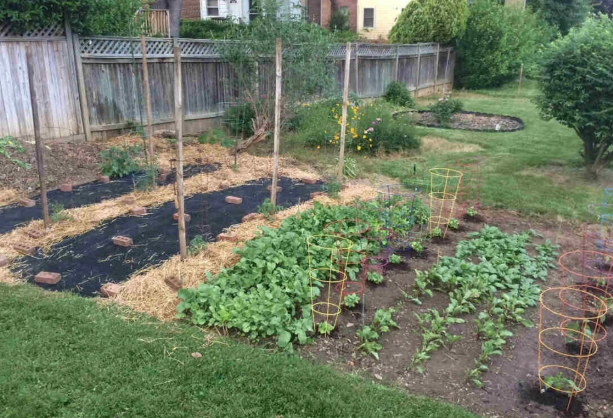
The Application Process
- Weed First: Get every last weed you can. A mulch layer over weeds just gives them a cozy bed to grow under.
- Water Deeply: Soak the soil. You're locking in moisture, so start with plenty of it.
- Mind the Stems: This is critical. Never pile mulch against the stems or trunks of plants. Leave a 2-3 inch mulch-free "donut" around each plant. Piling it up creates a moist environment perfect for stem rot and rodent damage. I've lost peppers to this.
- Apply the Right Thickness: For most organic mulches, 2-4 inches is ideal. Fluffier materials like straw can be 4 inches. Finer materials like compost should be 1-2 inches. Too thin, and weeds breakthrough. Too thick, and you can smother soil and prevent water penetration.
- Replenish: Organic mulch decomposes. Check it mid-season and add a little more if it's getting thin.
Solving Common Mulch Problems (Slugs, Rot, & More)
Mulch can create issues if you're not strategic.
Slugs and Snails: They love the cool, damp habitat. If slugs are a major issue in your area, avoid super-moist mulches like fresh grass clippings right next to susceptible plants (lettuce, hostas). Use drier straw or shredded leaves instead, and keep the area immediately around the plant stem clearer. Encourage natural predators like birds and beetles.
Fungal Diseases: Dense, wet mulch can promote fungal issues on low-growing leaves. Improve air circulation by not overcrowding plants. For crops prone to mildew (squash), consider using a mulch that dries quickly on top, like straw.
Nitrogen Robbing: This is the big fear with wood-based mulches. As high-carbon materials (wood chips, sawdust) break down, soil microbes use up nitrogen to do the work, temporarily tying it up. The solution is simple: don't mix high-carbon mulches into your soil. Keep them on the surface, or better yet, on paths. For your beds, use nitrogen-richer materials like straw, grass clippings (in thin layers), or compost.
Water Repellency: Sometimes, peat moss or very dry, fine mulch can become hydrophobic. The fix is to water slowly and deeply, or to mix the mulch lightly to break up the crust.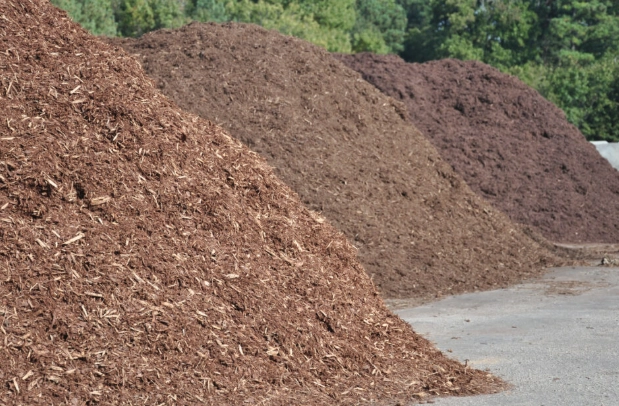
Your Mulching Questions, Answered by Experience
Mulching isn't a one-time chore; it's an ongoing relationship with your garden's soil. Start with the right material—probably straw or shredded leaves—apply it at the right time and in the right way, and your plants will show their gratitude with stronger growth, fewer problems, and a bigger harvest. It turns gardening from a constant battle against nature into more of a collaboration.
Go get your hands dirty. Your soil will thank you.
Reader Comments