Caring for hydrangeas isn't rocket science, but it does require knowing a few key things most beginners miss. I've been growing these beauties for over a decade, and let me tell you, my first hydrangea died because I planted it in full sun and watered it like a lawn. Big mistake. This guide will walk you through everything—watering, fertilizing, pruning, soil tricks—so you can avoid the pitfalls and enjoy lush blooms.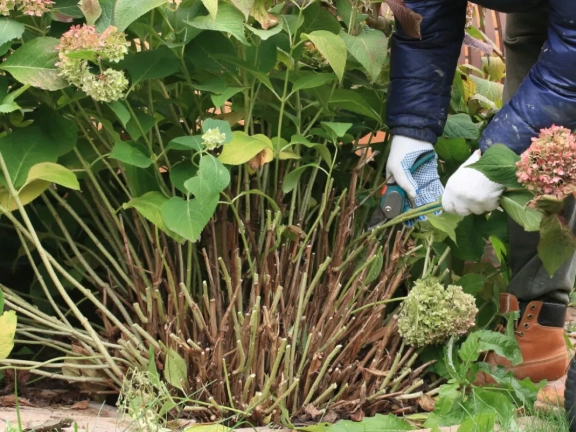
What You'll Learn in This Guide
Watering Hydrangeas: The Right Way to Quench Their Thirst
Hydrangeas love water, but too much can drown them. I see this all the time—people think "hydra" means water-loving, so they overdo it. The trick is consistency, not quantity.
How Often to Water Hydrangeas
During the growing season (spring to fall), water deeply once or twice a week. Stick your finger into the soil about two inches deep. If it's dry, it's time to water. In hot climates, you might need to water every other day, but always check the soil first. Morning is best to reduce evaporation and fungal issues.
Signs of Overwatering and Underwatering
Overwatered hydrangeas have yellow leaves that feel mushy. Underwatered ones wilt quickly, even in cool weather. If your plant droops in the afternoon but perks up at night, it's probably thirsty. A common error: watering the leaves instead of the base. That invites mildew.
Fertilizing Hydrangeas for Optimal Growth
Fertilizer isn't optional if you want those big, showy blooms. But pick the wrong type, and you'll get all leaves, no flowers. I learned this the hard way with a nitrogen-heavy mix.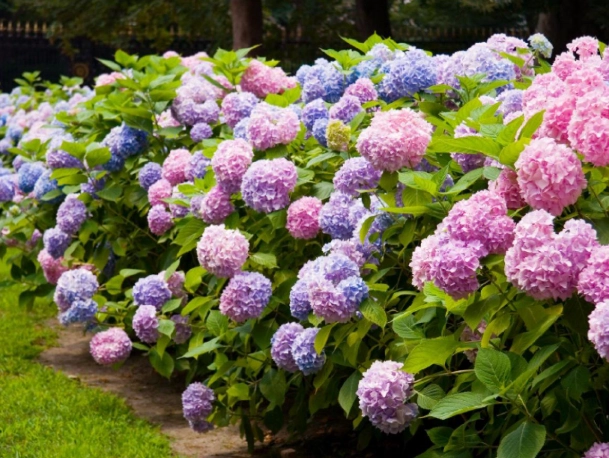
Best Fertilizer Types for Hydrangeas
A balanced, slow-release fertilizer works wonders. Look for something with an NPK ratio like 10-10-10 or 12-4-8. Organic options like compost or fish emulsion are great too—they improve soil health over time.
| Fertilizer Type | Best For | When to Apply |
|---|---|---|
| Slow-release granular | General growth | Early spring, mid-summer |
| Liquid fertilizer | Quick boost | Every 2-4 weeks in growing season |
| Compost | Soil improvement | Fall or early spring |
When to Fertilize: Seasonal Schedule
Apply fertilizer in early spring as new growth appears, then again in mid-summer if your soil is poor. Stop by late August to avoid tender growth before frost. A non-consensus point: many gardeners fertilize in fall, thinking it helps, but it can actually weaken the plant for winter. Skip it.
Pruning Hydrangeas: A Step-by-Step Guide
Pruning scares people, and for good reason—cut wrong, and you might lose next year's blooms. I've seen folks chop everything back in fall, only to wonder why nothing flowers come spring.
When to Prune Based on Hydrangea Type
This depends on whether your hydrangea blooms on old wood or new wood. Old-wood bloomers (like mopheads and lacecaps) set buds in late summer, so prune right after flowering in summer. New-wood bloomers (like panicle hydrangeas) can be pruned in late winter or early spring.
- Mophead Hydrangeas: Prune in July, just after blooms fade. Remove dead stems and shape lightly.
- Panicle Hydrangeas: Prune in March, cutting back by one-third to encourage bushiness.
Common Pruning Mistakes to Avoid
Don't prune in fall or early spring for old-wood types—you'll cut off the buds. Also, avoid shearing them into balls; it looks unnatural and reduces airflow. Instead, make clean cuts at a 45-degree angle above a leaf node.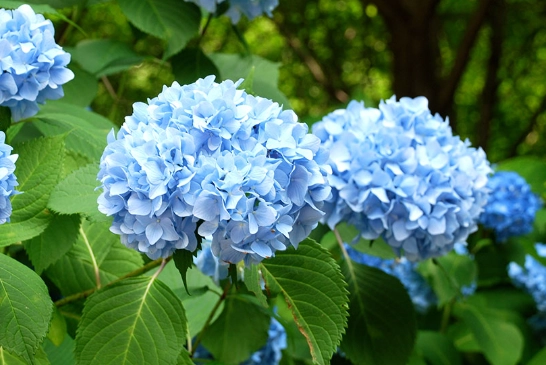
Soil and Sunlight Requirements for Hydrangeas
Soil isn't just dirt; it's the foundation. Get it wrong, and your hydrangeas will struggle. Sunlight is another biggie—too much sun burns them, too little and they won't flower.
Adjusting Soil pH for Blue or Pink Blooms
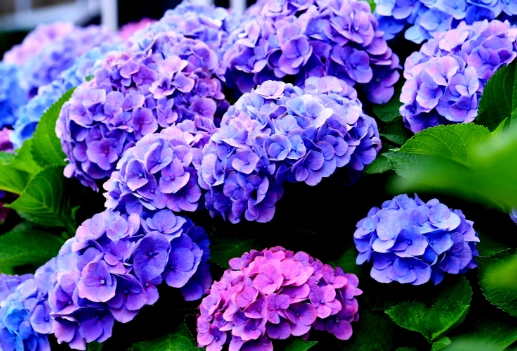
This is the fun part. Acidic soil (pH below 6.0) gives blue flowers, alkaline soil (pH above 7.0) gives pink. To blue them up, add aluminum sulfate or coffee grounds. For pink, add lime. But go slow—test your soil first with a kit from a garden center. According to the American Horticultural Society, gradual adjustments over a season work best.
Ideal Sun Exposure for Different Varieties
Most hydrangeas prefer morning sun and afternoon shade. In cooler climates, they can handle more sun. For example, panicle hydrangeas tolerate full sun, while bigleaf types need protection. My neighbor planted a hydrangea in full Texas sun—it fried. Move it to a spot with dappled light, and it recovered.
Troubleshooting Common Hydrangea Problems
Even with perfect care, issues pop up. Here's how to tackle the big ones.
Yellow Leaves: Causes and Fixes
Yellow leaves can mean overwatering, poor drainage, or nutrient deficiency. Check the soil—if it's soggy, improve drainage with compost. If it's dry and yellow, try a balanced fertilizer. A subtle mistake: using tap water high in chlorine, which can cause chlorosis. Let water sit overnight before using.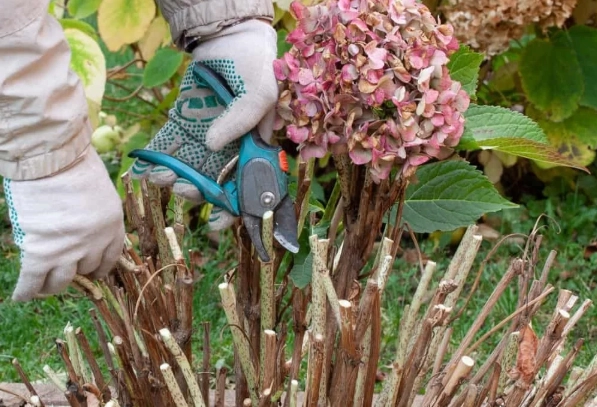
No Blooms? Here's Why
This is the top complaint. Causes include improper pruning, too much nitrogen fertilizer, or late frost damaging buds. Case study: my friend's hydrangea didn't bloom for two years. Turns out, she was pruning in spring (cutting off buds) and using a high-nitrogen lawn fertilizer nearby. We switched to pruning after flowering and used a bloom-booster fertilizer, and flowers came back.
FAQ: Your Hydrangea Care Questions Answered
Hydrangea care boils down to paying attention. Watch the soil, tweak the light, and don't be afraid to prune—just do it at the right time. Share your experiences in the comments; I love hearing what works for others. Happy gardening!
Reader Comments