Jump to What Matters
Basil looks like a lush, green herb with soft, often shiny leaves that grow in pairs along a square stem. If you're picturing the classic sweet basil, it's got broad, oval leaves about 2-3 inches long, with a slightly wrinkled texture and a vibrant green color. But that's just the start—there are over 60 varieties, and each looks a bit different. I've grown basil for a decade, and one thing I see beginners miss is how the stem shape changes as the plant matures. Let's dive in.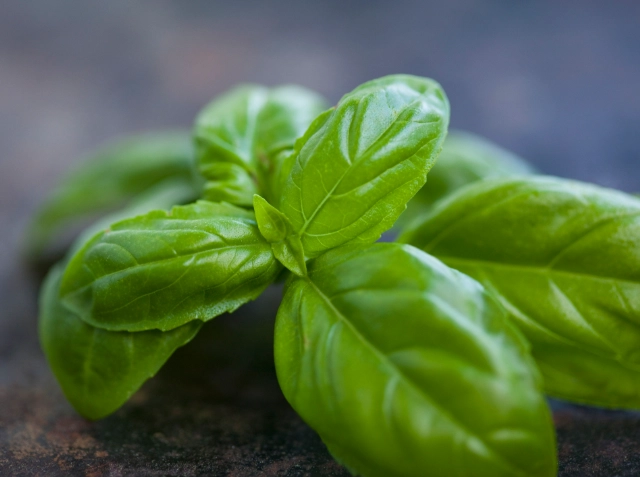
The Basic Anatomy of a Basil Plant
Start with the stem. Basil stems are square in cross-section, not round. Run your fingers along one—you'll feel the edges. This is a key giveaway for plants in the mint family, which basil belongs to. The stems start off green and tender but can turn woody if the plant gets old or stressed.
Leaves are where the action is. They're arranged opposite each other on the stem, meaning two leaves grow at the same point, directly across from one another. The leaves have a smooth or slightly serrated edge, depending on the variety. Touch them—they should feel soft, almost velvety, and release that iconic sweet, peppery scent when crushed.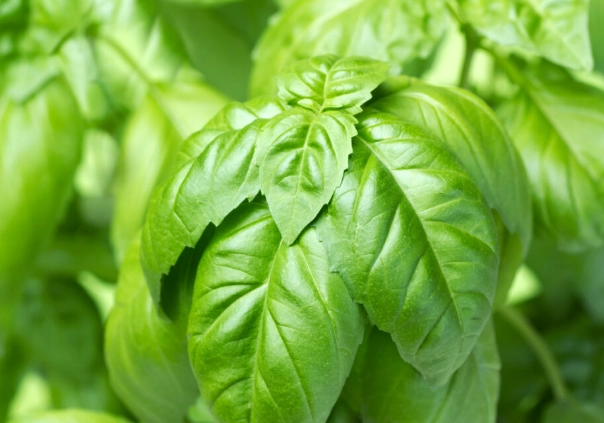
Leaf Shapes and Textures
Sweet basil leaves are oval with a pointed tip, like a teardrop. They're typically 2-4 inches long. The surface is slightly puckered, not flat. Hold one up to the light, and you might see tiny oil glands—that's where the aroma comes from. Some varieties, like lettuce leaf basil, have leaves as big as your hand, while others, like Greek basil, are tiny and compact.
Color varies too. Most basil is bright green, but there's purple basil with deep burgundy leaves, and even variegated types with green and white patterns. I once planted what I thought was purple basil, but it turned out to be a weed—more on that later.
How to Identify Common Basil Varieties by Their Leaves
You can't rely on just one look. Here's a quick table to spot the differences. I based this on my own garden trials and cross-referenced with the Royal Horticultural Society's plant guides.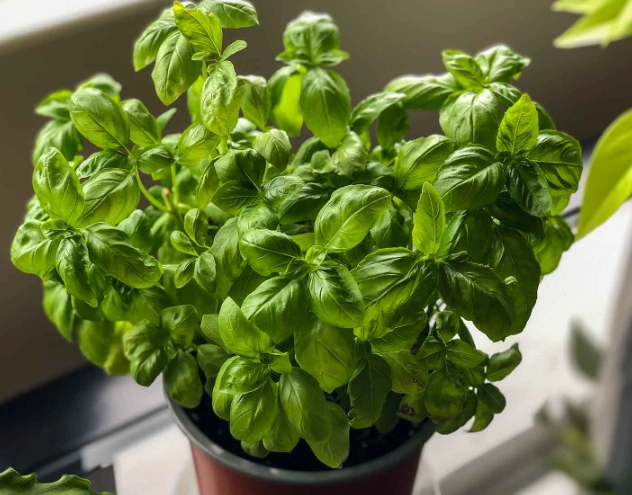
| Basil Variety | Leaf Appearance | Key Features |
|---|---|---|
| Sweet Basil | Oval, bright green, 2-3 inches long | Classic scent, slightly wrinkled surface |
| Genovese Basil | Darker green, larger leaves up to 4 inches | Intense flavor, preferred for pesto |
| Thai Basil | Narrow, pointed leaves with purple stems | Licorice-like aroma, used in Asian cuisine |
| Lemon Basil | Lighter green, smaller leaves with serrated edges | Citrus scent, great for teas |
| Purple Basil | Deep purple to burgundy leaves, sometimes green veins | Ornamental, milder flavor |
Notice how leaf size and color change things. If you're at a nursery, look for the stem color too—Thai basil has that purple hue, which sweet basil doesn't. A common mix-up I see is people buying lemon basil thinking it's sweet basil, then wondering why their pasta tastes odd. Check the label, but also trust your eyes and nose.
What Does Basil Look Like When It's Flowering?
Basil flowers are small, white or pinkish, and grow in spikes at the top of the stem. They're pretty, but here's the kicker—once basil flowers, the leaves often turn bitter. That's why gardeners pinch off the flowers to keep the plant productive. The flowers cluster in whorls, and if you let them go, they'll produce tiny black seeds.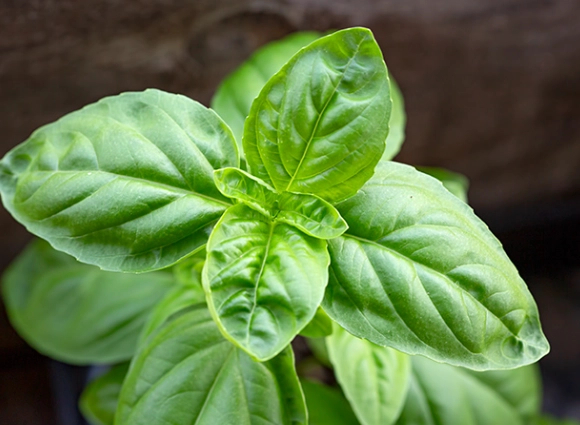
The flowering stage changes the plant's look dramatically. The stems elongate, getting leggy, and the leaves might shrink. I've had plants bolt in hot weather, and suddenly they look sparse and tired. If you see flowers, it's a sign the plant is shifting energy to reproduction, not leaf growth.
Why Flowering Matters for Identification
Flowers can help confirm it's basil. Compare to other herbs—mint flowers are similar but usually lavender-colored. Basil flowers have a distinct tubular shape, about 1/4 inch long. But honestly, by the time it flowers, you might already be dealing with bitter leaves. I recommend learning to identify basil before it gets to that point.
Common Mistakes: Plants That Look Like Basil (But Aren't)
This is where experience pays off. I've seen people confuse basil with plants like perilla or even some weeds. Perilla, also called shiso, looks similar but has more jagged leaf edges and a stronger, mintier smell. Its stems are round, not square—a dead giveaway if you check.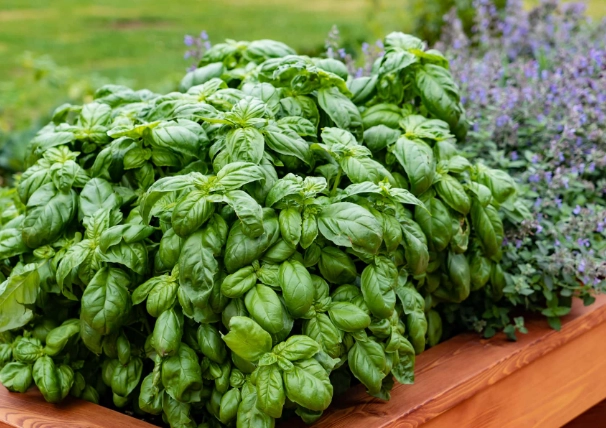
Another impostor is catnip. Young catnip leaves can resemble basil, but they're fuzzier and lack that sweet aroma. Touch test: basil leaves are smoother. I once helped a neighbor who was watering what she thought was basil for weeks, only to find out it was a weed called ground ivy. It had round stems and a creeping habit, unlike basil's upright growth.
How to avoid this? Always inspect the stem. Square stem equals mint family, which includes basil. Also, crush a leaf—basil's scent is unmistakable. If it smells grassy or off, it's not basil.
Growing Basil: A Step-by-Step Visual Guide
Let's tie looks to action. Growing basil yourself is the best way to learn its appearance. Here's a simple guide based on my own garden setup.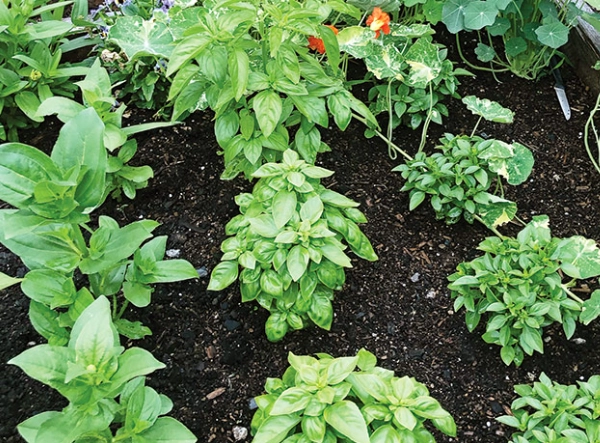
Step 1: Starting from Seeds Basil seeds are tiny, black, and oval. Sow them in warm soil—they need light to germinate, so don't bury them deep. In about 5-10 days, you'll see seedlings with two small, round leaves called cotyledons. These aren't the true basil leaves yet; they're generic seed leaves. Wait for the first true leaves, which will have the characteristic shape.
Step 2: Young Plant Stage After a few weeks, the plant will have 4-6 sets of true leaves. They'll be bright green and tender. The stem is still soft and green. This is the ideal time to harvest for the best flavor. I often pinch the top leaves to encourage bushier growth—this keeps the plant compact and leafy.
Step 3: Mature Plant A mature basil plant is about 12-24 inches tall, with abundant leaves. The stem thickens and might show slight woody texture at the base. Leaves are larger, up to 4 inches for some varieties. If you let it go, flower spikes appear. For continuous harvest, keep pinching back any flower buds.
I remember my first basil patch—I didn't pinch enough, and the plants got leggy with small leaves. Lesson learned: regular pruning maintains that lush look.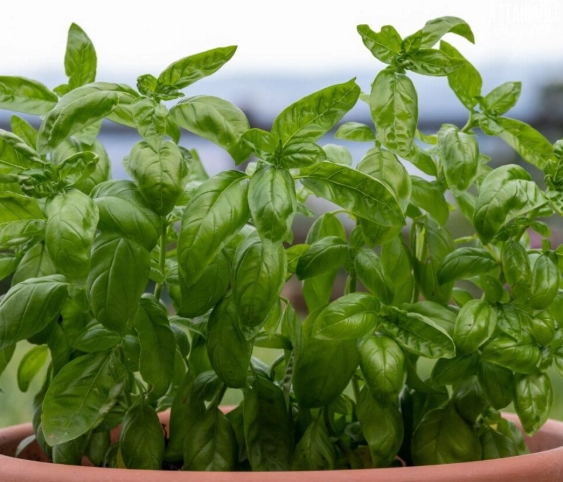
FAQ: Expert Answers to Your Basil Identification Questions
Wrapping up, basil's look is all about details: square stems, opposite leaves, and that signature scent. Whether you're growing it or buying it, pay attention to these features. I've shared my own blunders so you can skip them. Happy gardening!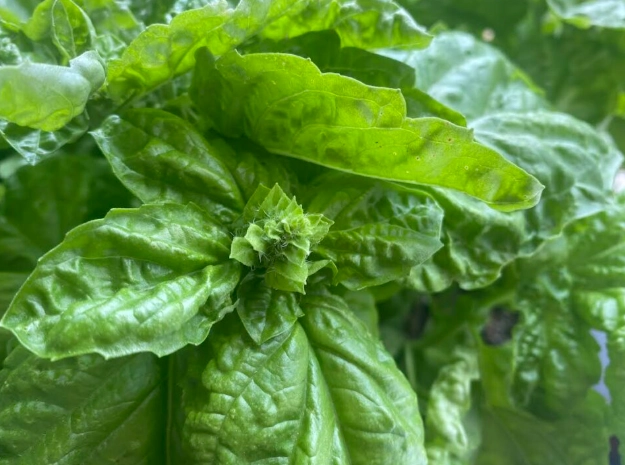
Reader Comments