Let's cut to the chase. You're looking for raised veg bed ideas because you want a better garden. Less back pain, fewer weeds, better soil, maybe a solution for that terrible patch of ground in your yard. I get it. I've built more raised beds than I can count—some brilliant, some total failures. This isn't just a list of pretty pictures. It's a practical guide from someone who's learned the hard way what makes a vegetable garden thrive.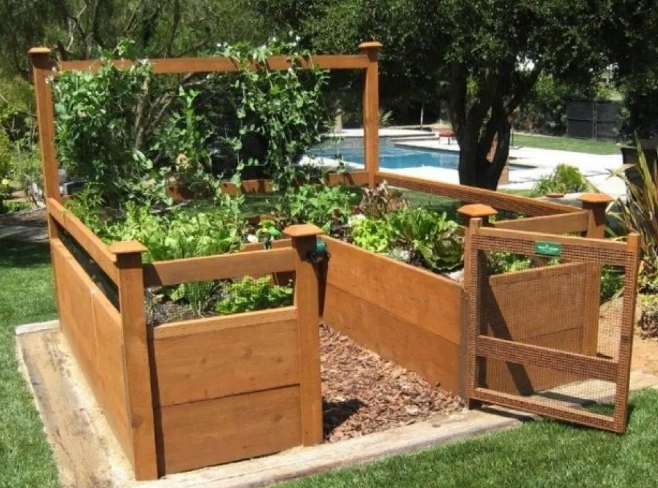
The real magic of a raised bed isn't just the elevation. It's about control. You control the soil, the drainage, and the environment. That's a game-changer.
What's Inside This Guide
5 Raised Bed Designs You Can Build This Weekend
Forget one-size-fits-all. Your space, budget, and ambition should dictate your design. Here are five I've personally used or helped build, ranked from simplest to most involved.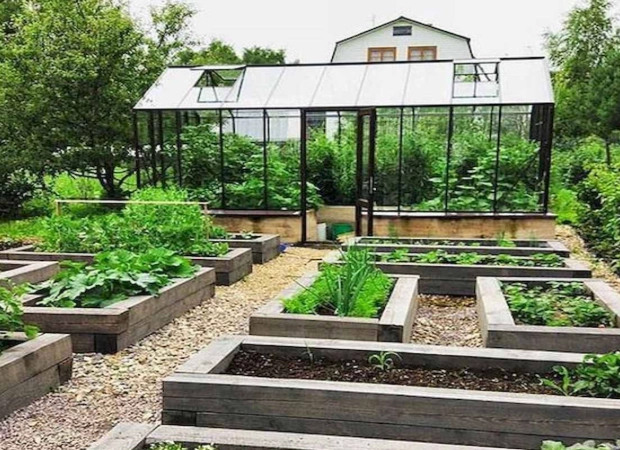
The Simple Timber Box (The Classic)
This is where most people start, and for good reason. It's straightforward. Use untreated cedar or redwood for longevity (they naturally resist rot). A 4ft by 8ft bed is the gold standard—it's wide enough to grow plenty but narrow enough that you can reach the center from either side without stepping in.
My pro-tip everyone misses: Don't just lay the boards on the ground. Sink 2x2 or 4x4 wooden stakes into the ground at the inside corners and midway along the long sides. Screw your side boards to these stakes. This adds immense stability and prevents the sides from bowing out over time as the soil expands. I learned this after my first bed started looking like a bloated barrel after two seasons.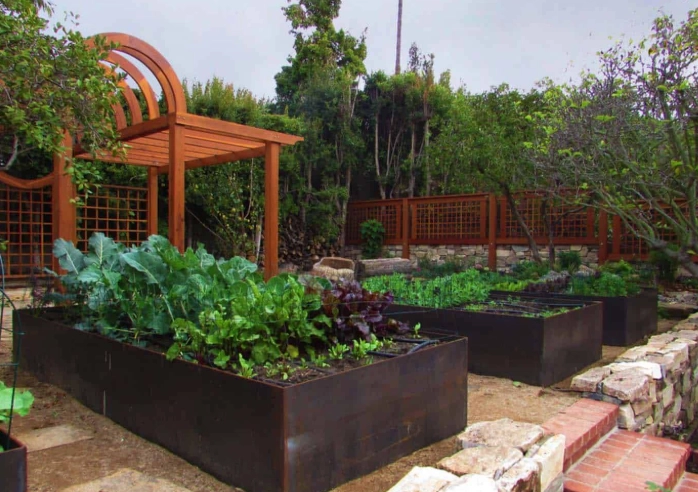
The Pallet Collar Instant Bed (The 10-Minute Solution)
If you're renting, have zero tools, or just want to test the waters, this is your winner. Many garden centers sell prefabricated wooden “pallet collars.” They're essentially shallow, square frames made of thin wood that slot together. You just place them on a level spot, line them with a few layers of cardboard to smother grass, and fill with soil.
They're shallow (usually 6-8 inches), so they're perfect for greens, herbs, radishes, and strawberries. I use one exclusively for cut-and-come-again lettuces right outside my kitchen door. It's not a forever bed, but it's a fantastic, ultra-low-commitment start.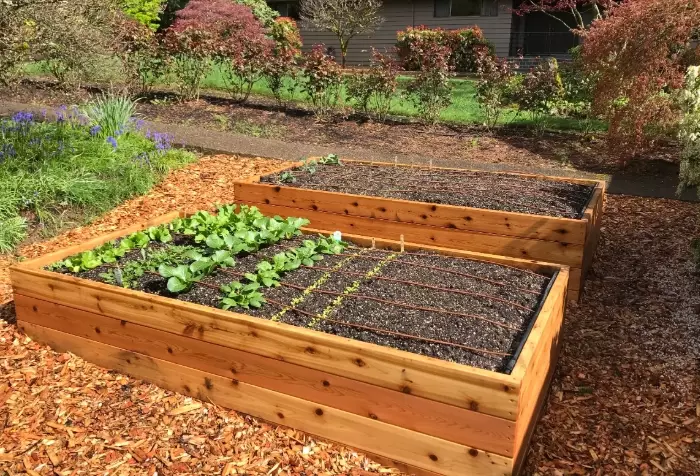
The Keyhole Garden Bed (The Space Maximizer)
This design comes from permaculture and is genius for small spaces. Imagine a circular raised bed with a pie-slice wedge cut out of one side, forming a “keyhole” shape. The narrow path lets you step into the center to reach all plants, eliminating the need for walking paths around the bed. You can fit more growing area into a smaller footprint.
The real secret is the central compost basket. You build a cylinder of wire mesh in the very center. As you garden, you toss your kitchen scraps (no meat/dairy) and yard waste into this basket. It decomposes and, when you water the bed, nutrients leach out directly to the plant roots. It's a self-feeding system. I built one three years ago, and the soil fertility is still incredible with minimal added fertilizer.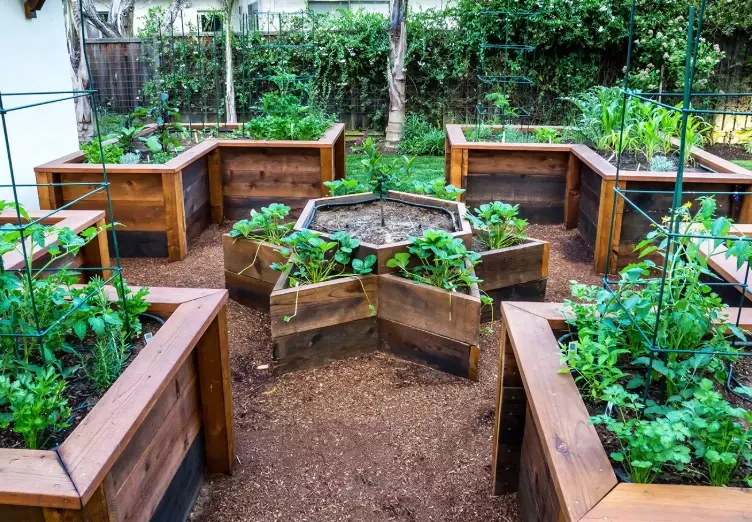
The Tiered or Stair-Step Bed (For Slopes and Visual Interest)
Got a sloping yard? Don't fight it—use it. Tiered beds are a series of boxes built at different heights, following the contour of the slope. They prevent erosion and create a stunning visual effect.
Build each tier like a separate timber box, butting the back of the higher bed against the slope and ensuring the front is level. The key is proper drainage between tiers. Leave a small gap or use gravel behind the lower bed's backboard to let water through. Plant taller crops (tomatoes, peas) in the back (higher) tiers and shorter ones (lettuce, carrots) in the front. It turns a problem area into the highlight of your garden.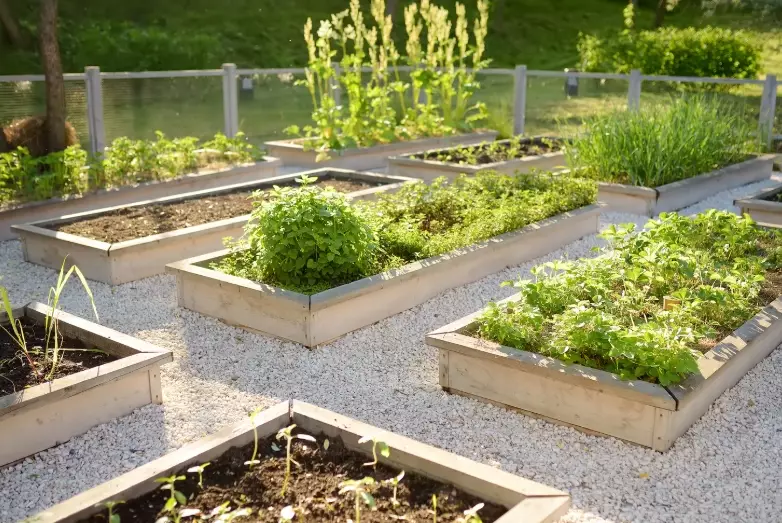
The Vertical Hybrid Bed (The Ultimate Space-Saver)
This is for patios, balconies, or tiny yards. Start with a standard, but narrower, raised bed (maybe 2ft by 4ft). Then, add vertical elements. This could be a simple trellis arching over the bed for beans and cucumbers, or a “living wall” planter attached to a sunny fence behind it for herbs and trailing strawberries.
The mistake I see? People make the base bed too shallow. If you're growing vertically, the plants are still big and need a deep, substantial root run. Make your base bed at least 12 inches deep, even if the footprint is small. I combined a 2x4ft bed with a cattle panel trellis bent into an arch, and it produced more pole beans than my family could eat.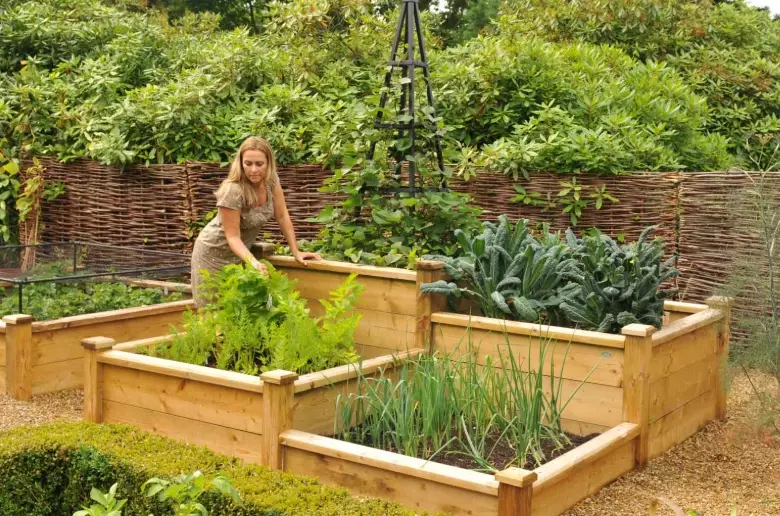
How to Choose the Right Raised Bed for Your Space
Picking a design is one thing. Making it last is another. Your material choice is critical. Here’s a blunt breakdown from my experience.
| Material | Pros | Cons & My Honest Take | Best For |
|---|---|---|---|
| Cedar/Redwood | Natural rot resistance, beautiful, long-lasting (5-15+ years). | Expensive. The price has skyrocketed. Also, “long-lasting” depends heavily on your soil moisture and climate. In very wet areas, it still rots eventually. | Permanent gardens where aesthetics matter. A worthwhile investment if you can afford it. |
| Pressure-Treated Lumber (Modern) | Very affordable, extremely durable, readily available. | The stigma. Post-2003, treatments use copper compounds (ACQ) deemed safe for gardens by agencies like the USDA. However, some gardeners still avoid it for edible crops. I use it for flower beds but personally stick with cedar for veggies. | Non-edible beds, or if cost is the absolute primary driver and you're comfortable with modern treatments. |
| Corrugated Metal | Modern look, very durable, creates clean lines. | Can get scorching hot in full sun, potentially cooking plant roots on the edges. You must line the inside with wood or a thick fabric barrier. Also, the cut edges are sharp. | Contemporary garden styles, arid climates. Requires more prep work. |
| Cinder Blocks or Bricks | Cheap, indestructible, provides thermal mass. | Heavy and permanent. The hollow cores can become snail condos. Some concrete can leach lime, raising soil pH over time. | Very hot or very cold climates where thermal mass helps regulate soil temp. Great for a utilitarian look. |
| Composite Lumber | Made from recycled plastic/wood, never rots, low maintenance. | Can be more expensive than wood. Some brands can warp or sag over very long spans unless supported well. It lacks the natural feel of wood for me. | Wet climates where rot is a constant battle. The ultimate “set it and forget it” material. |
What is the Best Soil Mix for Raised Vegetable Beds?
Here’s the single most important piece of advice I can give: Do not just shovel in dirt from your yard. You'll be sealing your garden's fate with compaction and weeds. The whole point is to create a perfect, fluffy, nutrient-rich environment.
After years of tweaking, this is my go-to “recipe” for filling new raised beds. It’s a balance of structure, nutrients, and moisture retention.
- 50% High-Quality Compost: This is your nutrient engine. Don't skimp. Get it from a reputable landscape supplier. If it smells sour or like ammonia, it's not finished—walk away.
- 30% Coarse Horticultural Sand or Grit: This is for drainage. Not playground sand, which is too fine and will turn to concrete. You want sharp, coarse sand.
- 20% Coconut Coir or Peat Moss: This holds moisture and keeps the mix light. I prefer coir (made from coconut husks) as it's more sustainable and rewets easier than peat.
Mix this thoroughly on a tarp before filling your bed. For the first season, you don't even need extra fertilizer—the compost does the work. In subsequent years, top-dress with an inch or two of fresh compost each spring.
Smart Planting & Maintenance Tips Most Guides Skip
You've built it and filled it. Now, don't plant it like a traditional row garden. Raised beds allow for intensive planting.
Companion Planting is Your Friend: I plant marigolds and basil liberally among my tomatoes. The marigolds deter nematodes, and the basil is said to improve flavor. It might be folklore, but my tomatoes taste great and I have fewer pest issues. I also interplant quick-growing radishes between slower-growing broccoli—you harvest the radishes before the broccoli needs the space.
Watering Deeply, Not Frequently: The well-draining soil means it dries out faster than ground soil, but you must train the roots to go deep. Water slowly and thoroughly until water runs out the bottom drainage holes. Then, let the top inch or two dry out before watering again. A soaker hose snaked through the bed is the most efficient method I've found.
The “No-Dig” Method for Maintenance: At the end of the season, I don't rip everything out and turn the soil. I cut plants off at soil level, leaving the roots to decompose and feed the soil web. Then, I cover the bed with a thick layer of compost or well-rotted manure. By spring, it's ready to plant. This preserves the delicate soil structure and biology you've cultivated.
Your Raised Bed Questions, Answered
How deep should a raised bed be for tomatoes and root vegetables?
What's the best way to put a raised bed on a concrete patio or balcony?
I have terrible gophers/rodents. How do I pest-proof the bottom of my raised bed?
Is it worth buying a pre-made raised bed kit?
Reader Comments