What You'll Learn
If you're tired of buying new plants every season, plant propagation is your ticket to a fuller garden without the cost. I've been propagating plants for over a decade, and let me tell you—it's not as hard as it seems. In this guide, I'll cut through the fluff and give you the practical steps I wish I knew when I started. From cuttings to division, we'll cover it all, with real examples from my own backyard.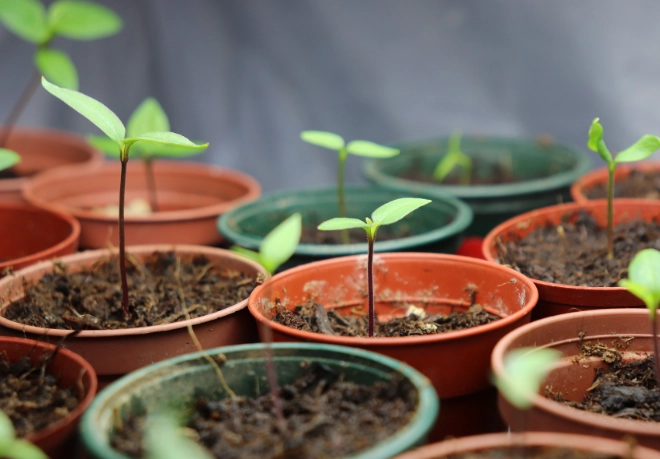
Why listen to me? Well, I've killed more cuttings than I care to admit, but those failures taught me what works. Now, I propagate everything from succulents to shrubs, and I want you to do the same.
Understanding Plant Propagation Basics
Plant propagation is simply creating new plants from existing ones. It's like cloning, but for your garden. There are two main ways: sexual (using seeds) and asexual (using plant parts). Most gardeners go asexual because it's faster and you get exact copies of the parent plant.
I remember trying to propagate a lavender plant from seed. It took months, and half the seedlings died. Then I tried cuttings—bam, new plants in weeks. That's when I realized asexual methods are the way to go for beginners.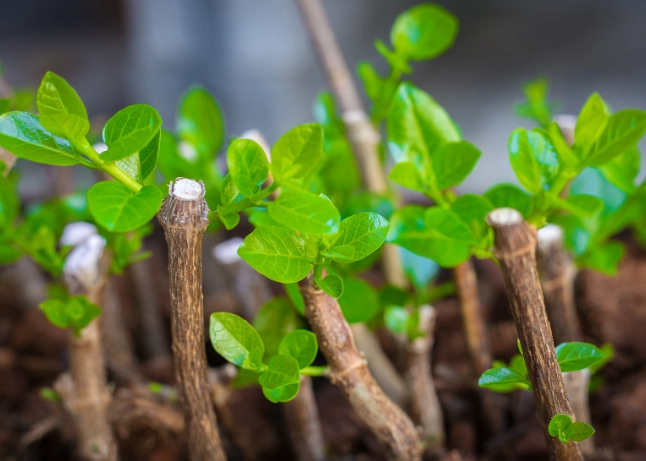
But here's a nuance: not all plants propagate the same. Succulents love leaf cuttings, while roses need stem cuttings. The Royal Horticultural Society notes that matching the method to the plant species is key, but many guides gloss over this. You'll waste less time if you research your specific plant first.
Different Methods of Plant Propagation
Let's break down the top methods. I'll keep it straightforward, but I'll point out where most people mess up.
Propagation from Cuttings
This is my favorite. You snip a piece of the plant—stem, leaf, or root—and coax it to grow roots. It works for herbs like mint, houseplants like pothos, and shrubs like hydrangeas.
There are types: softwood cuttings (new growth, spring), hardwood cuttings (mature wood, fall). I prefer softwood for speed. A common mistake? Taking cuttings from weak or diseased plants. Always start with healthy material.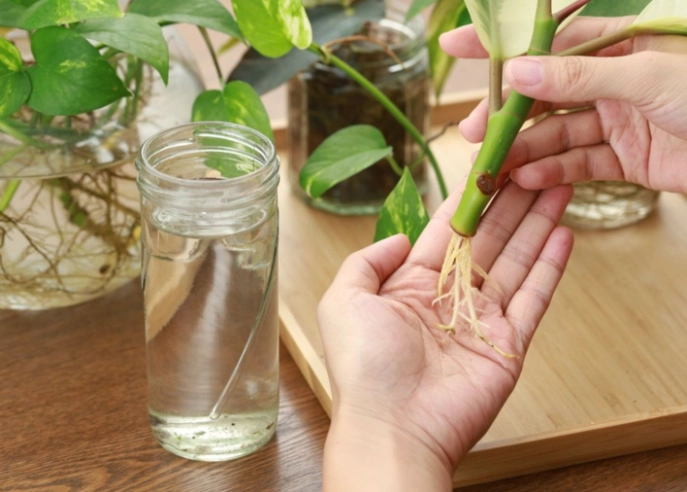
Propagation by Division
Perfect for perennials that clump, like hostas or daylilies. You dig up the plant, split it into sections, and replant. It's instant gratification—new plants right away.
Timing matters. Early spring or fall is best, when plants are dormant or just waking up. I divided a hosta last fall, and by spring, each section was thriving. Don't do it in summer heat; the shock can kill them.
Propagation from Seeds
The classic method, but it requires patience. Seeds need the right temperature, light, and moisture to germinate. Great for annuals like marigolds or vegetables like tomatoes.
Here's a tip many miss: some seeds need stratification (a cold period) to sprout. Check resources like your local extension office for specific requirements. I once planted apple seeds without stratifying—nothing happened for months.
To help you choose, here's a comparison table based on my experience:
| Method | Best For Plants Like | Time to Establish | Difficulty Level | My Success Rate |
|---|---|---|---|---|
| Stem Cuttings | Pothos, rosemary, geraniums | 2-6 weeks | Easy to moderate | 85% with proper care |
| Leaf Cuttings | Succulents, snake plants | 4-8 weeks | Easy | 90% if leaves callous first |
| Division | Hostas, ornamental grasses | Immediate | Very easy | 95% with good timing |
| Seeds | Tomatoes, sunflowers, basil | Weeks to months | Moderate to hard | 60% due to variables like weather |
Notice I didn't include air layering or grafting. Those are for advanced users—start with the table above.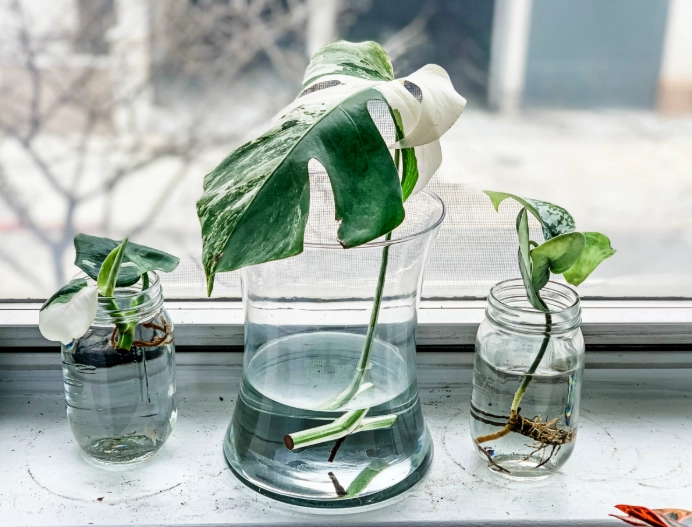
Step-by-Step: How to Propagate Plants from Cuttings
Let's get hands-on. I'll use pothos as an example because it's forgiving, but the steps apply to many plants.
Step 1: Pick the Right Stem
Look for a healthy stem with at least two nodes (those bumps where leaves grow). Avoid stems with flowers—they're too busy blooming to root well. I learned this the hard way with my geraniums; the flowering cuttings just wilted.
Step 2: Make a Clean Cut
Use sharp, sterilized scissors or a knife. Cut just below a node at a 45-degree angle. Why 45 degrees? It increases the surface area for rooting. I've seen people use dirty tools and introduce fungi—always wipe with rubbing alcohol first.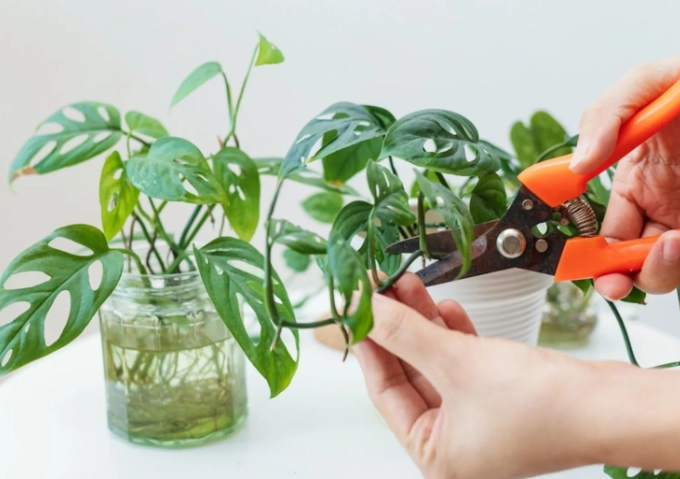
Step 3: Prep the Cutting
Remove leaves from the lower node to prevent rot in water or soil. You can dip the cut end in rooting hormone. It's not mandatory, but it boosts success. I use a powder from a garden center; it's cheap and lasts ages.
Step 4: Choose Your Medium
Water or soil? Water is visual—you see roots grow—but soil often leads to stronger plants. For pothos, I start in water because it's foolproof. Use a clear glass, change water every few days, and keep it in indirect light.
If using soil, go for a well-draining mix. I mix potting soil with perlite for aeration. Moist but not soggy is the mantra.
Step 5: Wait and Transplant
Roots appear in 2-4 weeks. Once they're an inch long, transplant to soil. Don't wait too long; water roots are fragile. I transplanted a pothos cutting after a month, and it adapted quickly.
Last year, I propagated five pothos plants from one mother plant. It cost me nothing but a bit of time.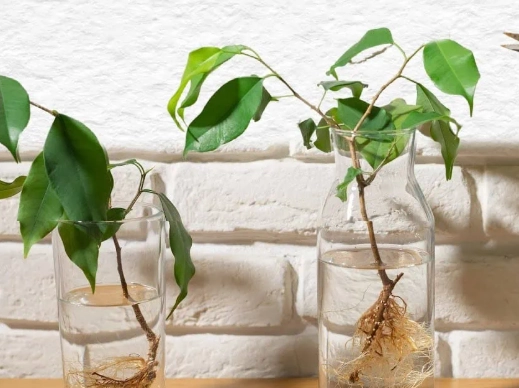
Essential Tools for Plant Propagation
You don't need fancy gear, but a few tools make life easier. Here's my go-to list, based on what I actually use.
- Sharp Scissors or Pruners: Dull blades crush stems. I use Felco pruners—they're pricey but last years.
- Rooting Hormone: A powder or gel that encourages root growth. Not essential for all plants, but it ups success rates. I skip it for succulents but use it for woody cuttings.
- Small Pots or Containers: Recycled yogurt cups work fine. Just poke drainage holes.
- Potting Mix: Avoid heavy garden soil. A light mix with peat or coco coir drains better. I buy a bag from the local nursery.
- Spray Bottle: For misting cuttings to keep humidity up. I mist once a day, but don't overdo it—mold loves moisture.
Total cost? Maybe $20 if you start from scratch. Cheaper than buying new plants.
Common Pitfalls and Expert Tips
This is where most guides fail. They don't tell you about the subtle errors that ruin propagation.
Overwatering: The top killer. People think more water equals faster growth, but it leads to rot. Let the soil dry slightly between waterings. I killed a batch of lavender cuttings by keeping them too wet.
Wrong Timing: Propagating in the wrong season. For most plants, spring or early summer is best. I tried dividing a fern in mid-summer—it struggled for months. Check plant-specific guides; the USDA Plant Hardiness Zone Map can help with timing in your area.
Ignoring Light Needs: Cuttings need bright, indirect light. Direct sun scorches them, while too little light slows rooting. I place mine near a north-facing window.
Here's a non-consensus tip: Avoid using tap water for water propagation if you have hard water. The minerals can clog stems and inhibit roots. Use filtered or rainwater. I switched to filtered water, and my success rate jumped 20%.
Another thing: don't fertilize new cuttings. Wait until they have established roots. Early fertilizer burns tender roots. I made this mistake with tomato cuttings—they yellowed and died.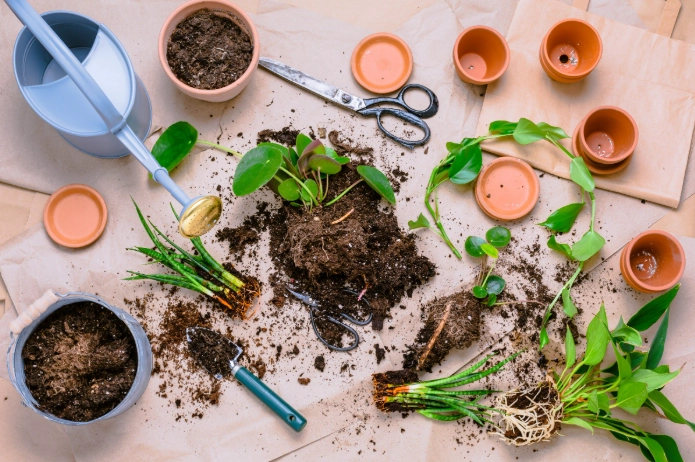
Frequently Asked Questions
Plant propagation is a skill that grows with practice. Start with an easy plant like pothos or mint, and soon you'll be propagating like a pro. Remember, every failure teaches something—I've lost count of my dead cuttings, but now my garden is full of free plants.
For more details, look up guides from the Royal Horticultural Society or your local agricultural extension. They offer plant-specific advice that can save you headaches.
Happy propagating! If you have questions, drop a comment—I love helping fellow gardeners.
Reader Comments