Let's be honest. When you first think about mulch, you probably picture those neat, tidy beds at a fancy botanical garden. It looks finished, right? But here's the thing I learned after years of gardening and watching plants struggle: mulch isn't just a cosmetic topping. It's a fundamental tool for garden health. I used to skip it, thinking it was an extra step. Then I spent one brutal summer watering my tomatoes twice a day and pulling weeds every weekend. That's when I gave mulch a real shot. The transformation wasn't just visual; it was a complete shift in how my garden functioned.
Mulch acts like a multi-tasking superhero for your soil. It's a blanket, a shield, a slow-release nutrient pack, and a temperature regulator all rolled into one. If you're on the fence about whether to bother with it, I'm here to tell you that the benefits of mulch go far beyond just making your yard look nice. It's about working smarter, not harder.
What You'll Discover in This Guide
What is Mulch and Why Does It Matter?
Simply put, mulch is any material spread over the surface of the soil. But that simple definition hides its complex role. Think of bare soil as skin exposed to the elements. The sun bakes it, rain compacts and erodes it, wind dries it out. Mulch is the protective layer that mitigates all of that.
There are two main families: organic mulch and inorganic mulch.
Organic mulches are materials that were once living and will eventually decompose. This includes things like shredded bark, wood chips, straw, pine needles, grass clippings, and even compost. Their magic is in that decomposition process—they feed the soil as they break down.
Inorganic mulches don't break down. Think gravel, stone, landscape fabric, or rubber chips. They're great for permanent pathways or in very specific scenarios where you want absolutely zero decomposition, but they don't improve your soil biology over time.
For most gardeners aiming to build healthy, living soil, organic mulch is the star of the show. The benefits we're about to dive into are primarily driven by using organic materials.
10 Key Benefits of Using Mulch in Your Garden
I've boiled it down to the ten most impactful ways mulch changes the game. This isn't just a list; it's the cumulative effect that makes gardening more successful and less of a chore.
1. Conserves Soil Moisture (Saves Water, Saves Time)
This is the big one. A layer of mulch dramatically reduces evaporation from the soil surface. On a hot day, bare soil can lose a shocking amount of water to the air. Mulch acts as a physical barrier, keeping that moisture where your plant roots can access it.
The result? You water less frequently. In my own vegetable garden, adding a 3-inch layer of straw mulch extended my watering schedule from every other day to twice a week during a dry spell. That's a huge time and resource saver. According to the USDA, proper mulching can reduce water evaporation by up to 70%.
2. Suppresses Weeds (Cuts Down on Drudgery)
Weeds need light to germinate. By blocking that light, mulch prevents a huge percentage of weed seeds from ever sprouting. It won't stop every single weed (especially perennial ones with deep roots), but it reduces the population by 80-90% in my experience.
The weeds that do manage to poke through are usually weaker, with shallow roots in the loose mulch layer, making them incredibly easy to pull. This transforms weeding from a major weekly battle into a five-minute maintenance task.
3. Regulates Soil Temperature
Mulch acts as an insulator. In summer, it keeps the soil underneath cooler, protecting delicate root systems from heat stress. In winter, it helps prevent the freeze-thaw cycles that can heave plants (especially perennials and newly planted shrubs) out of the ground. Think of it as a steadying influence, creating a more stable root environment year-round.
4. Improves Soil Health and Fertility (The Long Game)
This is where organic mulch truly shines. As it slowly decomposes, it adds organic matter to your soil. This organic matter is like a buffet for earthworms and beneficial microbes. Their activity improves soil structure (making heavy clay more drainable and sandy soil more water-retentive), increases nutrient availability, and builds that dark, crumbly, fertile “humus” we all want.
It's a slow, gentle feeding process. Unlike synthetic fertilizers that can give a quick boost and then crash, mulch feeds the soil ecosystem, which in turn feeds your plants.
5. Prevents Soil Erosion and Compaction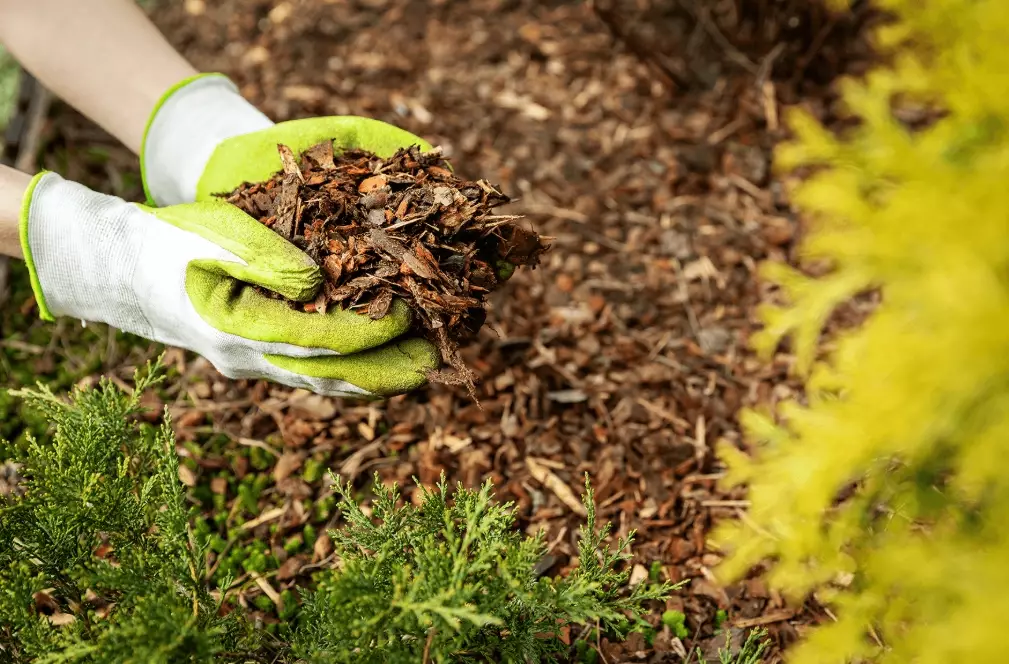
Heavy rain on bare soil is destructive. It washes away precious topsoil and compacts the surface, creating a hard crust that water and air can't penetrate. A mulch layer absorbs the impact of raindrops, allowing water to percolate gently into the soil. It also protects the soil surface from being compacted by foot traffic or even just overhead watering.
6. Keeps Plants Cleaner
For edible crops like strawberries, tomatoes, or squash, mulch is a game-changer. It creates a barrier between the fruit and the soil, preventing soil from splashing up onto leaves and fruit during rain or watering. This reduces the spread of soil-borne diseases and keeps your harvest looking (and tasting) cleaner.
7. Provides a Habitat for Beneficials
A layer of organic mulch creates a perfect moist, sheltered micro-habitat for beneficial insects like ground beetles, spiders, and centipedes. These are natural predators of common garden pests like slugs, aphids, and caterpillars. By fostering this “beneficial insect army,” you encourage natural pest control.
8. Enhances Visual Appeal
Okay, we said it's not just about looks, but let's not dismiss this. A neatly mulched garden bed looks cared for and intentional. It defines planting areas, creates a unified look, and makes colors of flowers and foliage pop. A well-maintained garden simply brings more joy.
9. Protects Tree Trunks from Damage
A common mistake is piling mulch directly against tree trunks (creating a “mulch volcano”), which is terrible. But done correctly—spread in a wide, even layer around the tree, keeping it away from the trunk—mulch prevents lawnmowers and string trimmers from damaging the delicate bark, which can be a death sentence for young trees.
10. Reduces Soil pH Fluctuations
Certain mulches, like pine needles or oak leaves, can very slightly acidify the soil as they break down. This can be a benefit for acid-loving plants like blueberries, azaleas, and rhododendrons, helping to maintain the lower pH they crave.
How to Choose the Right Mulch for Your Garden?
Not all mulch is created equal. Picking the right one depends on what you're growing and what you want to achieve. Here's a quick breakdown to cut through the confusion.
| Mulch Type | Best Used For | Key Notes & Cautions |
|---|---|---|
| Shredded Hardwood Bark | Landscape beds, around trees & shrubs, perennial gardens. | Decomposes slowly, great for weed suppression. Avoid fine, dyed versions. |
| Wood Chips | Pathways, naturalized areas, around established trees. | Can temporarily tie up nitrogen if mixed into soil. Best as a top layer. |
| Straw (Not Hay) | Vegetable gardens, strawberry patches. | Excellent for moisture retention. Ensure it's seed-free straw, not weedy hay. |
| Pine Needles (Pine Straw) | Acid-loving plants (blueberries, azaleas), slopes. | Interlock to stay in place on slopes. The acidifying effect is very mild. |
| Compost or Leaf Mold | Anywhere! Top-dressing lawns, veggie beds, flower gardens. | This is more of a soil amendment than a long-term mulch. It feeds quickly. |
| Gravel/Stone | Xeriscapes, succulent gardens, drainage areas, permanent pathways. | Inorganic. Doesn't improve soil. Can increase heat radiation in hot climates. |
My personal rule of thumb: for vegetable gardens and annual beds, I use something that decomposes in a season like straw or finely shredded leaves. For perennial borders and around shrubs, I use longer-lasting materials like shredded bark.
The Right Way to Apply Mulch (Avoiding Common Pitfalls)
This is where most people go wrong. Doing it right maximizes the benefits and avoids problems.
The "Mulch Volcano" and Other Sins
The single biggest mistake is piling mulch high against tree trunks or plant stems. This constant moisture against the bark leads to rot, invites pests, and can girdle roots. Always keep mulch 2-3 inches away from the base of any plant.
Depth and Timing
- Depth: For most organic mulches, a 2-4 inch layer is ideal. Too thin (under 2") and weeds will break through. Too thick (over 4"), especially with fine materials, can create a water-repellent mat or prevent air from reaching the soil.
- Timing: The best time to apply mulch is in late spring, after the soil has warmed up but before the summer heat hits. Applying too early in spring keeps the soil cold and wet, delaying plant growth. You can also apply a fresh layer in fall to protect plants over winter.
One more pro tip: before you lay down new mulch, pull any existing weeds and water the soil deeply. You're putting a blanket on a prepared bed.
Your Mulch Questions, Answered
 Can I use grass clippings as mulch?
Mulch isn't a magic bullet that solves every garden problem. But it's the closest thing to a cure-all I've found in two decades of gardening. It shifts the balance in your favor, reducing the inputs (water, fertilizer, weeding time) while increasing the outputs (plant health, yield, beauty). Start with one bed this season. Lay it down correctly, watch what happens, and I think you'll be convinced. Your soil—and your back—will thank you.
Reader Comments