Here’s the truth most gardening articles gloss over: the single biggest factor determining your raised bed's success isn't the seeds you buy or the fertilizer you add later. It's the stuff you put in it on day one—the soil. Get this wrong, and you're fighting an uphill battle against poor drainage, compacted roots, and nutrient deficiencies. Get it right, and you've built a self-regulating, fertile ecosystem that makes gardening almost effortless.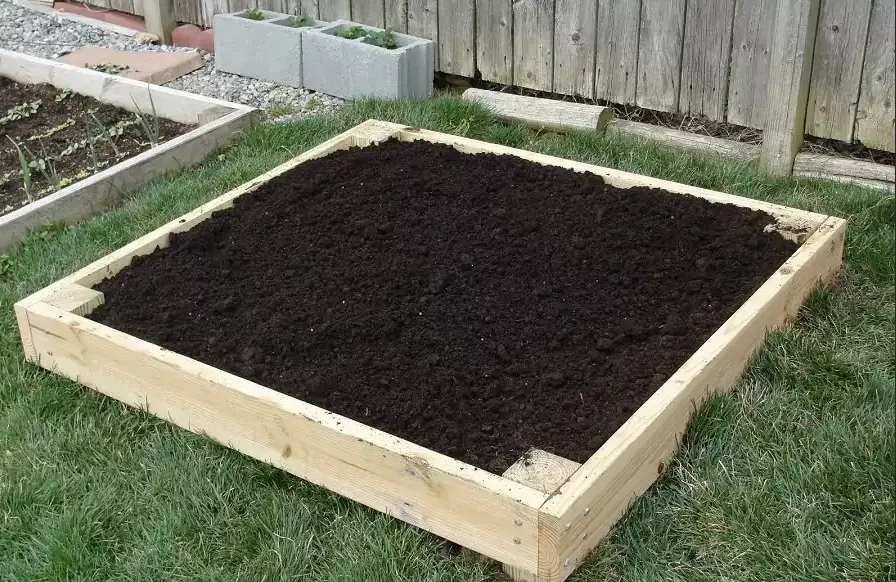
I learned this the hard way. My first raised bed was filled with whatever cheap “topsoil” the local landscape yard had on sale. It turned into a concrete-like slab by midsummer, and my plants just sat there, stunted and miserable. That failure sent me down a rabbit hole of soil science, conversations with master gardeners, and a lot of trial and error. What follows isn't just theory; it's a battle-tested blueprint for creating the perfect raised bed soil mix, filling your bed without breaking the bank, and maintaining its vitality for years.
What's Inside: Your Raised Bed Soil Roadmap
Why Soil in a Raised Bed is a Different Beast
You can't treat it like the ground. In-ground gardening relies on the native subsoil, which acts as a vast reservoir and anchor. Your raised bed is an isolated container. It has four walls and a bottom (even if it's open, the interface is different). This isolation creates unique demands:
Drainage is Non-Negotiable. Water must flow through freely. Soggy soil drowns roots, promotes disease, and turns your bed into a swamp. In-ground soil often has natural layers that facilitate this; in a raised bed, you have to engineer it.
Aeration is Everything. Roots need oxygen. A light, fluffy soil structure allows roots to breathe, expand, and access nutrients easily. Heavy, dense soil suffocates them.
It Warms Up Faster. This is a huge spring advantage, but it also means moisture evaporates more quickly. Your soil mix needs to retain water without holding it hostage.
You Have Total Control. This is the best part. You're not stuck with your yard's clay or sand. You're the architect. You decide the texture, fertility, and pH from the start.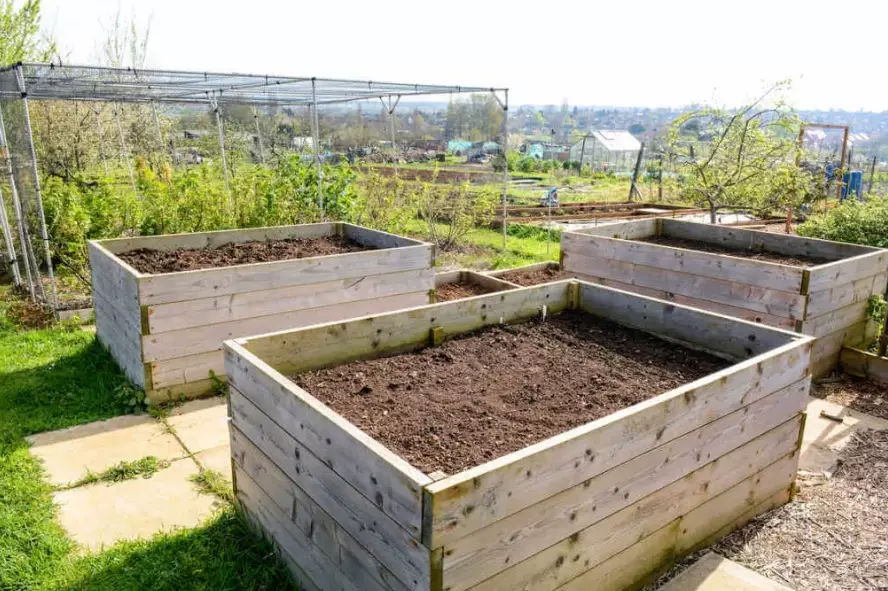
How to Mix the Perfect Raised Bed Soil (The Recipe)
Forget the old “equal parts” advice you see everywhere. It's not precise enough. After filling dozens of beds, I've settled on a volume-based recipe that prioritizes structure and biology. Here’s the breakdown:
| Component | Volume Ratio | Primary Job | Key Notes & Pitfalls |
|---|---|---|---|
| Compost (Multiple Sources) | ~40% | Nutrients, Microbial Life, Moisture Retention | DO NOT use just one type. Blend mushroom, leaf mold, and homemade or quality commercial compost. One source alone can be too salty or imbalanced. |
| Weathered Pine Bark Fines or Coconut Coir | ~40% | Aeration, Structure, Prevents Compaction | Peat moss works but is environmentally contentious. Coir is sustainable and re-wets easily. Avoid fresh bark—it robs nitrogen as it decomposes. |
| Sharp Sand or Coarse Grit | ~20% | Drainage, Permanent Looseness | This is critical. Use coarse builder's sand or horticultural grit, not play sand (which is round and promotes compaction). This is the ingredient that keeps the mix from turning into a brick over time. |
| Bonus: Worm Castings & Mineral Additives | Handfuls per wheelbarrow | Microbial Boost, Trace Minerals | Castings are a microbial powerhouse. A cup of kelp meal and rock dust adds long-term mineral nutrition most bagged mixes completely lack. |
Mixing this yourself is messy but worth it. Rent a small cement mixer for large projects, or use a large tarp—dump ingredients on it, grab two corners, and roll it back and forth.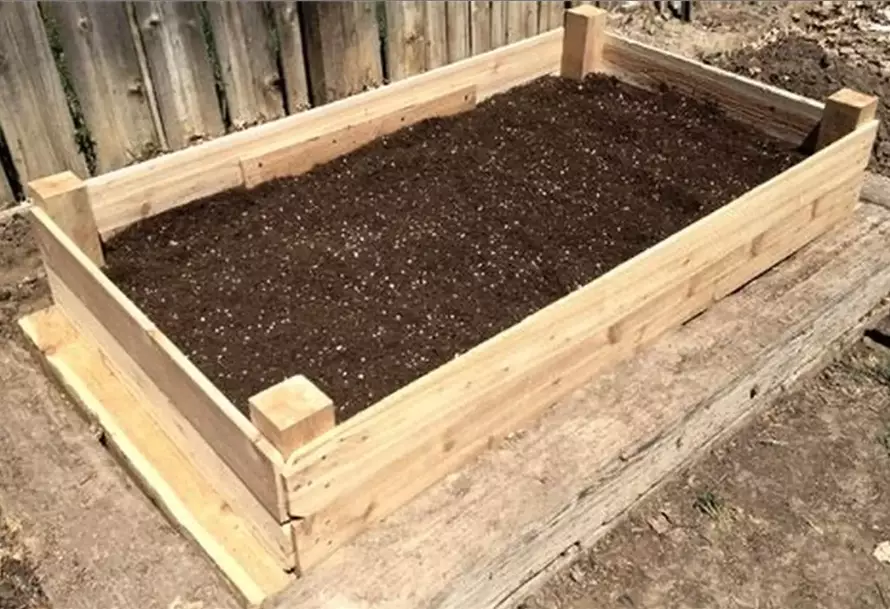
What About Bagged Raised Bed Mix?
It's convenient, but quality is a gamble. Many are too fine-textured and become compacted in a season. If you go this route, treat it as a base. Buy one bag, feel it. Is it light and fluffy, or dense and peaty? Even the good ones benefit from having a bag of compost and some coarse sand mixed in. Don't just pour and plant.
The Smart Way to Fill a Deep Raised Bed (Without Spending a Fortune)
Filling a 12-inch deep bed with pure custom mix is one thing. Filling a popular 24-inch deep bed? That's a lot of volume and expense. You don't need premium mix all the way down. Roots need great soil in the top 12-18 inches where they feed. Below that, you just need bulk that drains.
This is where the "Lasagna" or "Hügelkultur-light" method shines. It's a layered approach that saves money and builds long-term fertility.
Layer 1 (Bottom): The Bulky Drainage Layer. 4-6 inches of coarse, rotting wood. Logs, branches, sticks, even old untreated lumber. This creates air pockets and slowly decomposes, acting like a sponge. Contrary to popular fear, it does not rob nitrogen from your topsoil in a meaningful way if layered correctly.
Layer 2: The "Brown" Carbon Layer. Straw, shredded cardboard (remove tape), fallen leaves, wood chips. This soaks up moisture and breaks down slowly.
Layer 3: The "Green" Nitrogen Layer. Grass clippings, vegetable scraps, coffee grounds, fresh garden weeds (no seeds!). This kickstarts decomposition.
Layer 4: The Fill Layer. You can use inexpensive topsoil here, or even subsoil from a hole you dug elsewhere. This separates your active layers from the planting zone.
Layer 5 (Top 12-18 inches): Your Premium Custom Mix. This is where you invest. All your plants will grow in this layer.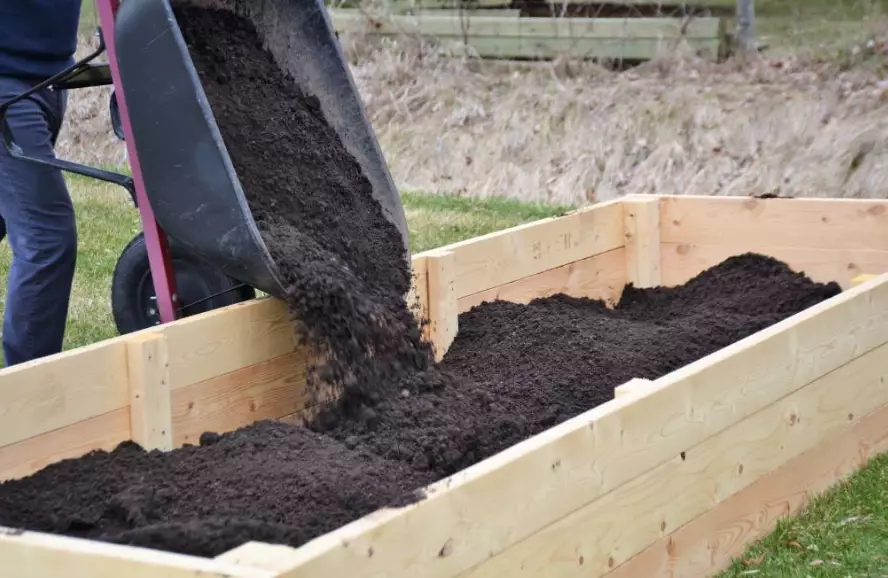
I filled a massive 4x8x2 bed this way. The bottom half is logs and leaves from cleaning my yard. The top half is my custom mix. Three years later, the soil level has only sunk a couple of inches, and the bed holds moisture like a dream during heatwaves.
Long-Term Care: Beating "Soil Fatigue"
Your perfect soil won't stay perfect forever. Plants are mining it for nutrients, organic matter is decomposing, and the structure slowly settles. This is "soil fatigue"—the gradual decline in productivity after a few bumper seasons.
Most gardeners just throw more fertilizer at it. That's treating the symptom, not the cause. The cause is the collapse of soil structure and biology.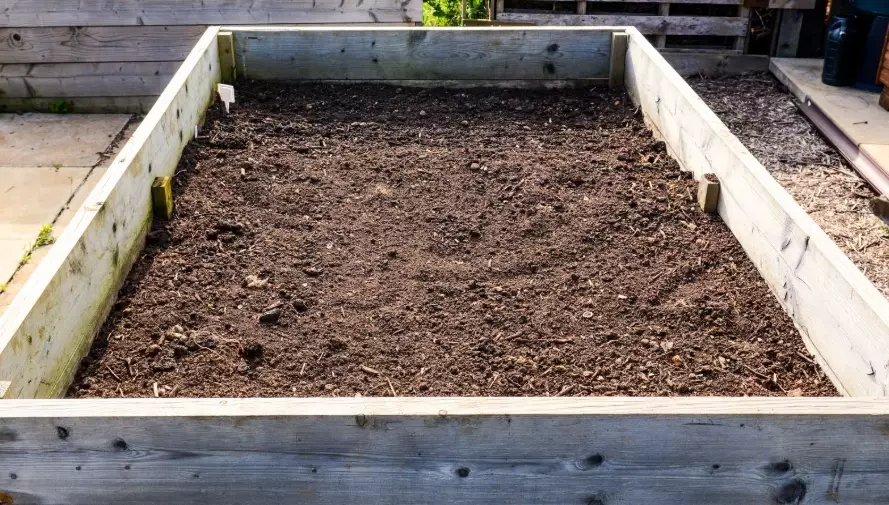
Here’s the maintenance routine that works:
At Season's End: Don't rip everything out by the roots. Cut plants at the soil line and let the roots decompose in place. They create channels for air and water. Then, top-dress with a 2-inch layer of finished compost. This is non-negotiable. It replenishes microbes and organic matter.
In Spring, Before Planting: Gently fork over the top 6-8 inches. Don't rototill or aggressively turn the whole bed—you'll destroy the delicate fungal networks. Add another inch of compost and a light application of a balanced, organic fertilizer if you're planting heavy feeders like tomatoes.
Practice Smart Crop Rotation: Even in a small space, try not to plant the same family (e.g., tomatoes/peppers/eggplant) in the same spot year after year. It prevents pest/disease buildup and balances nutrient demands.
Keep it Covered: A layer of mulch (straw, shredded leaves) moderates temperature, retains moisture, suppresses weeds, and feeds the soil as it breaks down.
Your Raised Bed Soil Questions, Answered
 Can I just use the heavy clay soil from my yard in my raised bed?
 Are coffee grounds a good addition to raised bed soil?
Reader Comments