You've got the seed packets. You've got the soil. You plant them with hope, water them faithfully, and then... nothing happens. Or worse, a few weak sprouts appear only to keel over a week later. I've been there. Years ago, I wasted an entire season's worth of heirloom tomato seeds because I didn't understand the first crucial step: successful seed germination. It's not just about putting a seed in dirt. It's about waking it up under the right conditions. Mastering this changes everything. Your success rate jumps, your plants grow stronger from day one, and you gain weeks on your growing season. Let's break down exactly how to do it.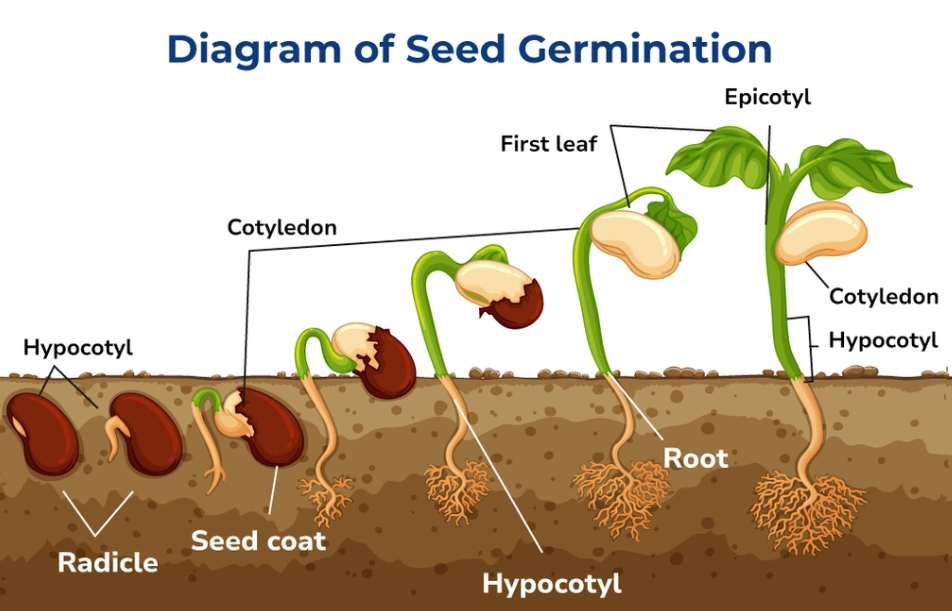
What You'll Learn in This Guide
Why Bother with Germinated Seeds First?
Why not just sow directly? You can, but pre-germinating—getting the seed to sprout before it goes in soil—gives you massive control. Think of it as a head start program for your plants.
First, you beat the weather. If you live where springs are short and unpredictable (like I do in the Midwest), starting seeds indoors with a known sprout means you're putting a viable seedling outside, not a question mark. You're not gambling on whether a seed will rot in cold, wet soil.
Second, you save space and resources. Every seed cell or pot you sow contains a live, growing plant. You're not wasting expensive seed starting mix on duds. This is huge for expensive or rare seeds.
Finally, and this is the expert-level reason, you can select the strongest. When you germinate a batch of seeds on a paper towel, you can see which ones produce the thickest, healthiest radicle (that first tiny root). You plant those champions. The weak ones? Don't bother. This simple act of selection builds a more resilient garden from the ground up.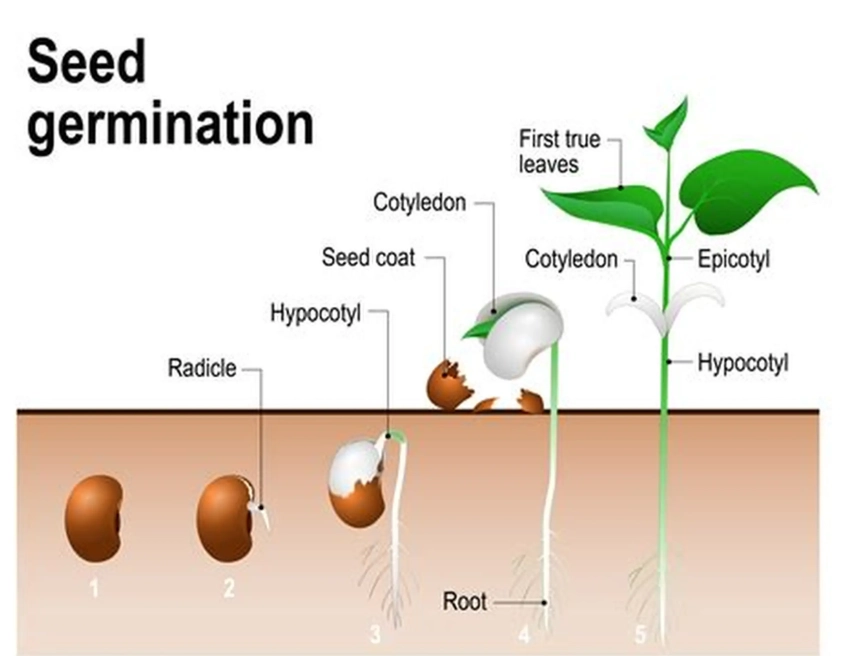
You can read more about plant establishment on their website.
How to Germinate Seeds: A Step-by-Step Plan
Forget complex setups. The best method is often the simplest. Here’s the process I’ve refined after more misses than I care to admit.
1. Choose Your Seeds & Pre-Treat If Needed
Not all seeds are created equal. Some, like lettuce and tomatoes, germinate easily. Others have built-in dormancy. Check your packet. Seeds like peas, beans, and corn are perfect for direct sowing and often don't benefit from pre-germination. Focus on slower starters or heat-lovers: peppers, eggplants, certain herbs like parsley, and most flowers.
Pre-treatment is a game-changer. For hard-coated seeds (morning glory, nasturtium, sweet pea), I soak them in room-temperature water for 12-24 hours. It softens the coat. Don't soak for days—they'll drown.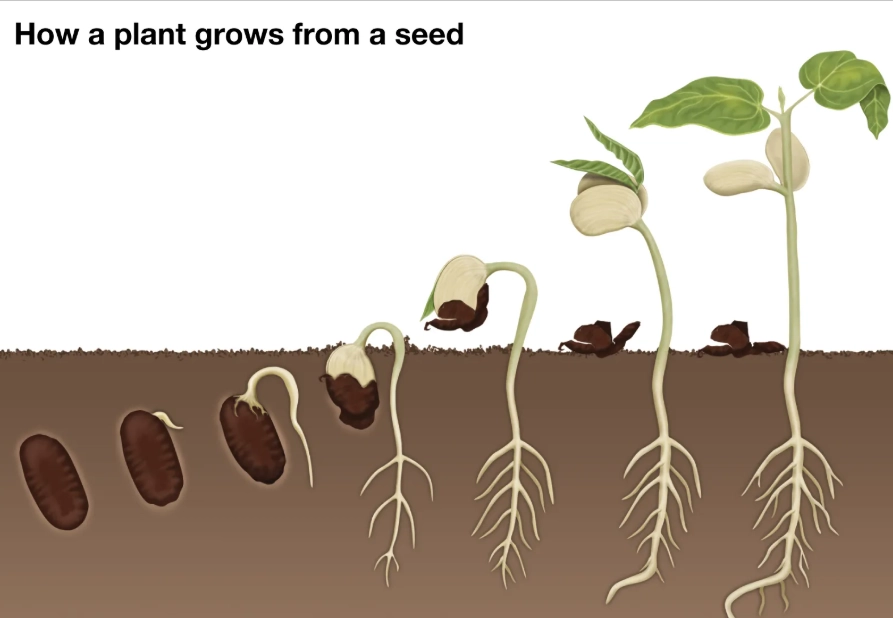
2. The Paper Towel Method (My Go-To)
This is foolproof for most seeds.
- Take a paper towel (not the super-thick kind) and dampen it so it's moist but not dripping.
- Spread your seeds on one half, leaving space between them.
- Fold the other half over to cover them.
- Slide the damp, seed-filled towel into a zip-top plastic bag or onto a plate you can cover with plastic wrap.
- Label it. Trust me, you will forget what's what.
- Place it somewhere warm. The top of the refrigerator, a seedling heat mat, or a warm cabinet. Light isn't critical yet.
Check daily for sprouts and to ensure the towel stays moist (use a spray bottle).
3. The Right Environment: Warmth & Moisture
This is where most attempts fail. Warmth is non-negotiable. Most seeds want soil temperatures between 65-75°F (18-24°C) to germinate. Peppers and eggplants want it hotter, around 80-85°F. A cheap seedling heat mat is the single best investment for improving germination rates. Moisture must be consistent, not a flood. The paper towel method controls this perfectly.
4. What to Do Once They've Sprouted
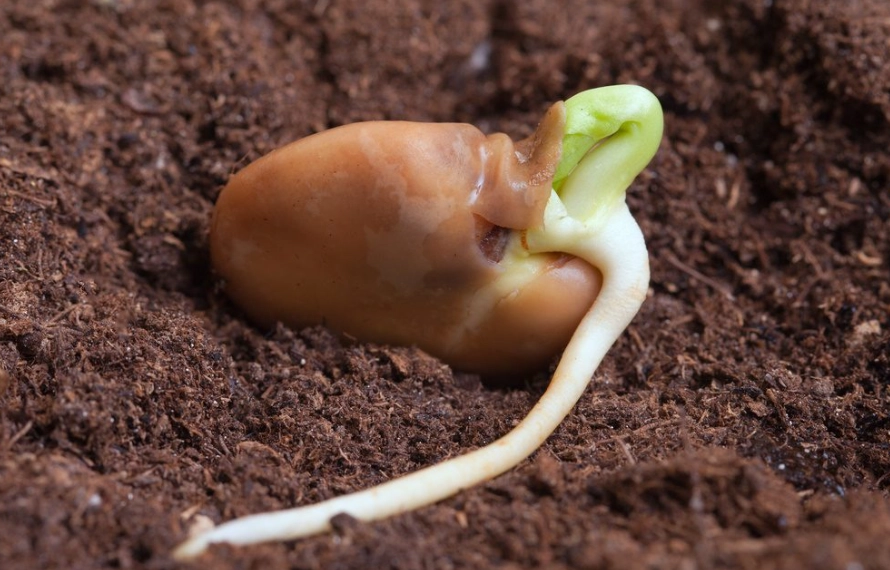
Act fast. Once the white radicle (root) emerges, usually between 1/8 to 1/2 inch long, it's time to plant. Delaying can cause the root to grow into the paper towel or become damaged.
Have your pots filled with pre-moistened seed starting mix ready. Use a pencil or chopstick to make a small hole. Gently pick up the sprouted seed (tweezers help) and place it root-down. Cover lightly with mix. Water gently. Now, they need light—bright, direct light immediately, or they'll become leggy and weak.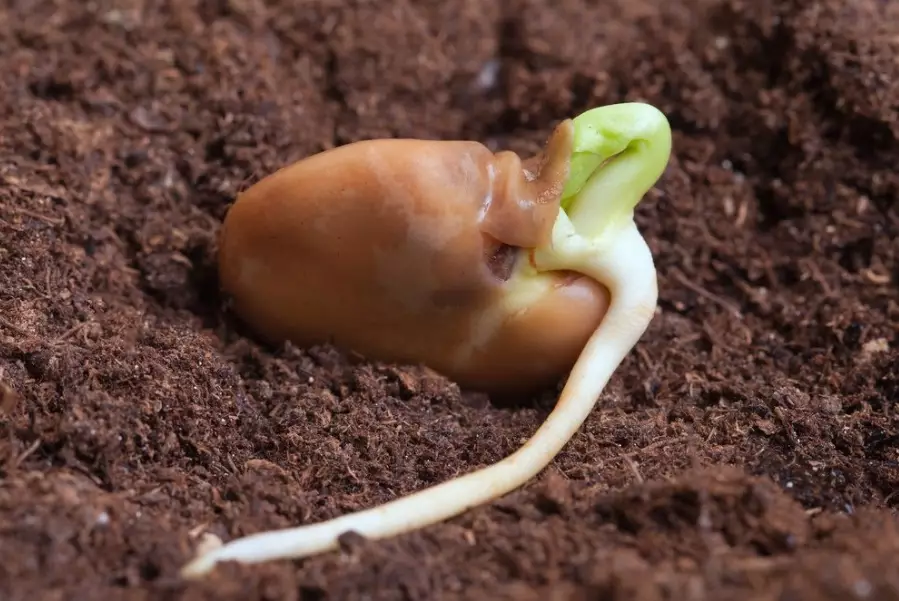
How to Speed Up Seed Germination (Expert Tricks)
Waiting is the hardest part. Here are a few legitimate ways to shave days off the process.
Heat, then light. Maintain that optimal temperature range religiously. A consistent 75°F will germinate tomatoes in 5-7 days. At 60°F, it might take two weeks or not happen at all.
Scarification for hard shells. For seeds with rock-hard coats (like moonflower or canna lily), gently nick the seed coat with a nail file or rub it between two pieces of sandpaper before soaking. This gives water a direct path inside.
The "tea" soak. Instead of plain water, soak seeds in weak chamomile tea. Chamomile has mild antifungal properties that can help prevent damping-off, a common seedling killer, giving the seed a cleaner start. It's a small thing, but it works.
Know your seeds' quirks. Some seeds need light to germinate (petunia, lettuce, begonia). Press them onto the surface of the soil, don't bury them. Others need darkness (calendula, larkspur). The seed packet usually tells you.
5 Common Seed Starting Mistakes You're Probably Making
I've made every one of these. Learn from my wasted seeds.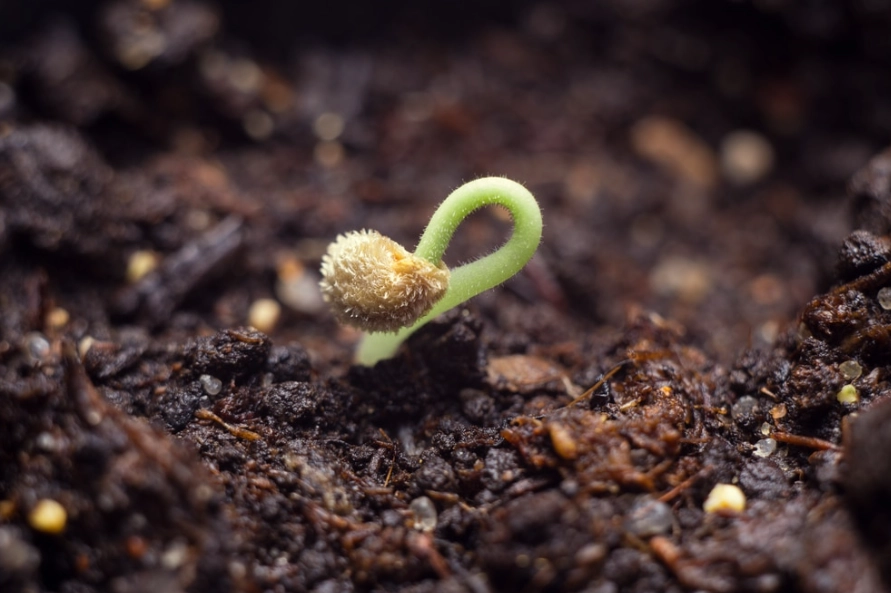
1. Overwatering after sowing. This is the #1 killer. A germinated seed needs moist soil, not a swamp. Soggy soil cuts off oxygen to the new roots and invites fungal rot. Water thoroughly once when planting the sprout, then let the surface dry slightly before watering again. Bottom-watering is your friend.
2. Planting the sprout upside down. It sounds silly, but it's easy to do when you're handling tiny, wriggly roots. The root goes down. The seed leaf (or the point where it will emerge) goes up. If you're unsure, plant the seed on its side—gravity and geotropism will sort it out.
3. Using garden soil or heavy potting mix. Garden soil compacts, doesn't drain, and harbors pathogens. Seed starting mix is sterile, light, and fluffy. It's designed for tender roots. Don't skip it.
4. Not providing enough light immediately. The moment that sprout is in soil and breaks the surface, it needs strong light. A sunny windowsill is rarely enough, especially in early spring. Get a simple LED grow light a few inches above the seedlings. It prevents the weak, stretched growth that dooms plants later.
5. Letting them get too big in the paper towel. If the root grows more than an inch or the leaves start to expand while still in the towel, transplant shock increases dramatically. The goal is to catch them just as they wake up.
Seed Germination Times: What to Expect
Patience is easier when you know what's normal. Here’s a realistic timeline for common vegetables under ideal (warm, moist) conditions. These times assume pre-soaking if needed.
| Seed Type | Average Germination Time (Days) | Special Notes |
|---|---|---|
| Radish, Lettuce | 3-7 | Fast sprouters, great for beginners. |
| Beans, Peas | 6-10 | Often better sown directly. |
| Tomatoes | 5-10 | Loves warmth. Slower if cool. |
| Peppers, Eggplants | 7-14+ | Can be notoriously slow. Don't give up! |
| Carrots, Parsley | 14-21 | Very slow. Keep soil consistently moist. |
| Spinach, Swiss Chard | 7-12 | Prefers cooler germination temps. |
| Broccoli, Cabbage | 5-10 | Reliable and fairly quick. |
If you're past these windows and nothing's happened, the seed is likely non-viable, or the conditions were too far off. Time to start a new batch.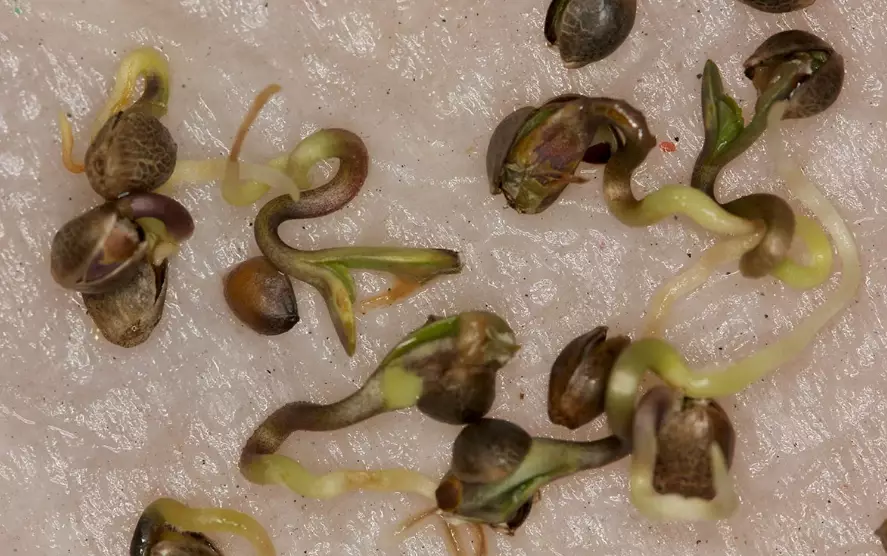
Your Germination Questions, Answered
 Can I germinate seeds in just water?
 What's the first thing I should do if my seeds aren't sprouting?
Reader Comments