You brought home that vibrant basil plant, dreaming of fresh pesto and caprese salads. But now the leaves are turning yellow, the stems are getting leggy, and it looks nothing like the lush bush you imagined. I've been there. Growing basil seems simple, but there are a few non-negotiable rules that most beginners miss. Get these right, and you'll have more basil than you know what to do with.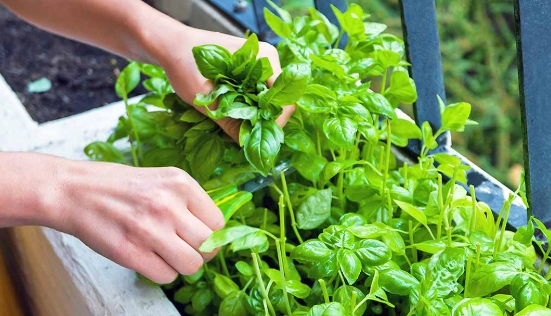
This guide cuts through the generic advice. We're going deep into the specifics of light, water, and that crucial act of harvesting that most people get wrong.
What’s Inside This Guide
The Sunlight Basil Craves (It's More Than You Think)
Basil is a sun worshipper. This isn't a suggestion; it's a demand. The single most common reason for weak, spindly growth is insufficient light.
Think about its origins—warm, Mediterranean climates. Your goal is to replicate that.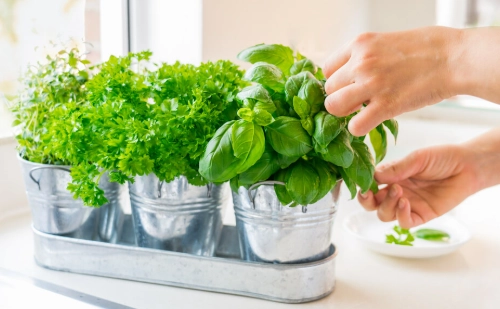
Outdoors: You need a spot that gets a minimum of 6 hours of direct, unfiltered sunlight. Eight is even better. Morning sun is great, but afternoon sun provides the intensity it loves. Don't tuck it in a partly shaded corner and expect robust growth.
Indoors: This is where people get tripped up. A bright windowsill sounds good, but it's often insufficient, especially outside of summer. A south-facing window is the only viable option without help.
Here's my unpopular opinion: For truly happy, flavorful, compact indoor basil, a windowsill alone is a compromise. The light intensity through glass, especially in winter, is a fraction of direct outdoor sun. The plant will stretch towards the light (become "leggy") and its flavor compounds won't develop fully.
The fix? A simple, inexpensive LED grow light. Position it 6 to 12 inches above the plant and run it for 12-14 hours a day. This one change transforms struggling indoor herbs. Resources from university agricultural extensions, like those from the University of Florida IFAS, consistently emphasize the high light requirements for culinary herbs like basil.
How to Water Basil Properly (The Biggest Mistake)
Watering is the trickiest balance. Basil likes consistent moisture but despises wet feet. The top mistake is a rigid schedule—"I water every Tuesday."
Forget the calendar. Water based on the soil's feel.
How to water: Don't just sprinkle the surface. Water slowly and deeply at the base of the plant until you see water run out of the drainage holes. This encourages deep root growth. Then, let the pot drain completely. Never let the pot sit in a saucer of standing water—this is an invitation for root rot.
In hot summer weather, a container-grown basil might need water every day. A plant in the ground, with a larger soil reservoir, might need it every 2-3 days. During cooler, cloudy periods, it might stretch to 4-5 days. Let the plant and soil tell you.
Soil & Fertilizer: Building a Strong Foundation
Good soil makes everything else easier.
For containers: Use a high-quality, well-draining potting mix. Don't use garden soil—it compacts in pots and suffocates roots. Many gardeners swear by mixing in a handful of perlite or coarse sand to a standard potting mix for extra drainage.
For garden beds: Basil thrives in rich, well-drained soil. Work in some compost or aged manure before planting. This improves texture and provides slow-release nutrients.
Feeding Your Basil
Basil is a moderate feeder. You want lush leaf growth, not all flowers or stems.
A balanced, water-soluble fertilizer (look for something with equal or slightly higher nitrogen, like a 10-10-10 or 5-1-1 fish emulsion) applied every 3-4 weeks during the growing season is plenty. Over-fertilizing, especially with high-phosphorus blends, can push it to flower (bolt) prematurely.
My method? I mix a slow-release granular fertilizer into the potting soil at planting time, which feeds it gently for months, and then supplement occasionally with a liquid feed if the growth seems to stall.
How to Prune & Harvest for a Bushy Plant
This is the secret sauce. Harvesting isn't just about taking leaves; it's the primary way you shape the plant.
The golden rule: Always cut just above a set of leaves. When you remove the tip of a stem, the plant sends growth hormones to the next set of leaf nodes down, causing two new branches to sprout.
Start early. Once your seedling has 6-8 sets of true leaves, pinch off the very top set. This seems scary when the plant is small, but it's essential.
Never just pluck individual leaves from the top. This leaves a bare stem that won't regrow. Instead, take a 3-4 inch stem section, cutting right above a leaf pair.
Regular harvesting = a bushier, more productive plant. I harvest a little every week, even if I just dry the sprigs or give them away.
Growing Basil Indoors Successfully
Can you keep basil alive indoors year-round? Yes, but set realistic expectations. It will rarely be as vigorous as a summer outdoor plant, but you can have fresh leaves for cooking.
Light is king. As discussed, prioritize a south window + grow light.
Temperature matters. Basil hates drafts and cold. Keep it away from drafty windows at night and heating vents that blast dry air. Ideal indoor temps are between 65-75°F (18-24°C).
Humidity helps. Indoor winter air is dry. Grouping plants together, using a pebble tray with water, or a occasional light misting can help. Just don't overdo the misting—wet leaves can promote fungal disease.
Consider starting new plants from cuttings every few months. Older basil plants can get woody. Snip a 4-inch stem, remove the lower leaves, and place it in water. Roots will form in about a week, and you have a new, young plant to pot up.
Solving Common Basil Problems
Here’s a quick-reference table for diagnosing what’s wrong with your basil.
| Symptom | Likely Cause | How to Fix It |
|---|---|---|
| Yellowing leaves (lower, older leaves) | Overwatering / Poor drainage | Let soil dry out more between waterings. Ensure pot has drainage holes. |
| Yellowing leaves (overall, pale) | Nutrient deficiency (often nitrogen) or insufficient light | Apply a balanced fertilizer. Move to a sunnier spot. |
| Brown, crispy leaf edges | Underwatering or low humidity | Water more consistently. Check soil moisture daily in heat. |
| Holes in leaves | Pests (slugs, snails, Japanese beetles) | Inspect at dusk for slugs. Hand-pick beetles. Use organic slug bait if needed. |
| White powdery spots on leaves | Powdery Mildew (a fungal disease) | Improve air circulation. Avoid overhead watering. Remove affected leaves. A milk spray (1 part milk to 9 parts water) can help suppress it. |
| Leggy, sparse growth | Not enough light | This is almost always the cause. Provide more direct sunlight or add a grow light. |
On pests: Aphids sometimes show up. A strong jet of water from the hose or a spray of insecticidal soap usually takes care of them. The key is early detection.
Your Basil Care Questions Answered
It boils down to a few simple, non-negotiable principles: tons of light, consistent but careful watering, rich soil, and fearless pruning. Nail those, and you'll shift from struggling to keep a single plant alive to wondering what to do with your basil abundance. Now go check that soil moisture.
Reader Comments