I watched it happen to my neighbor. One spring, she planted a beautiful row of hostas and tulips. They were glorious for about two weeks. Then, one morning, it looked like a lawnmower had run through them—stems chewed down to nubs. Deer. That's when the real search for deer resistant plants begins, not as a casual interest, but as a mission for garden survival.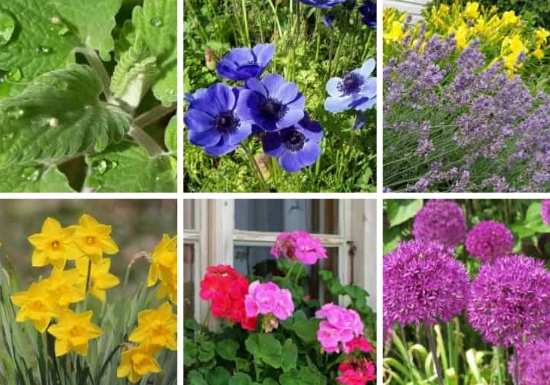
Let's be clear from the start: no plant is 100% deer-proof. A hungry deer is an opportunistic eater. But after helping redesign gardens in deer-heavy areas for years, I've learned which plants they consistently walk past, which they might sample, and which they devour like candy. More importantly, I've learned the strategies that make a deer resistant garden not just a defensive plot, but a thriving, beautiful space.
What You'll Find in This Guide
How Deer "Decide" What to Eat (It's Not Random)
Understanding this changes everything. Deer rely on senses far stronger than ours.
Smell is their primary guide. Plants with strong aromatic oils in their leaves—think lavender, rosemary, sage—often confuse or irritate a deer's sensitive nose. This is why herbs are frequently safe bets.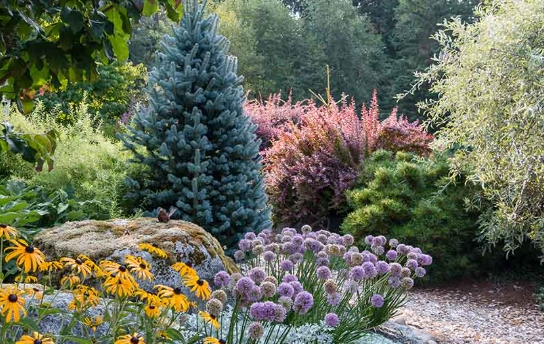
Texture matters a lot. Deer have delicate mouths. They generally avoid plants with fuzzy leaves (like lamb's ear), thick leathery leaves (like rhododendron), or prickly stems (like barberry). It's simply unpleasant to eat.
Taste is the final check. Many plants deer won't eat contain bitter or toxic compounds. Daffodils, for example, contain lycorine, which is unpalatable and can cause illness.
Here's the nuance most lists miss: pressure and palate. In a suburb with mild deer pressure, they might skip your coreopsis. In a rural area during a harsh winter, they might try it. Local herds also develop their own tastes. Always talk to local gardeners or your county extension service.
Beyond the List: Your Planting Strategy Matters More
You can't just buy a few "resistant" plants and call it a day. You need a strategy.
I always recommend starting with the backbone: shrubs and structure. Then fill in with deer resistant perennials and annuals. This way, even if something gets nibbled, your garden's skeleton remains intact.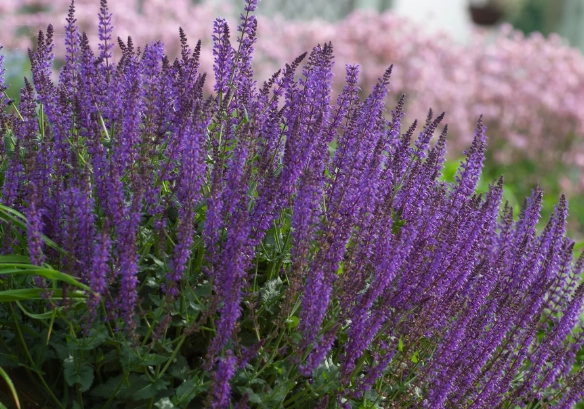
And please, protect new plants. Even the most resistant young plant is tender and appealing. Use a temporary cage or spray a repellent for the first few months until it's established.
Dependable Deer Resistant Plants: A Detailed Comparison
This table isn't just a list. It's a tool for planning. I've included not just names, but key traits and the "why" behind their resistance, based on my experience and resources like the Rutgers University Deer Resistant Plant ratings.
| Plant Name | Type | Key Deer-Resistant Trait | Notes & Growing Tips |
|---|---|---|---|
| Lavender (Lavandula) | Perennial/Shrub | Intensely fragrant foliage | Needs full sun, well-drained soil. The scent is a powerful deterrent. English varieties are hardier. |
| Russian Sage (Perovskia) | Perennial | Fragrant, fuzzy grey foliage | Loves heat and sun. Airy purple blooms. Deer hate the texture and smell. Virtually never touched. |
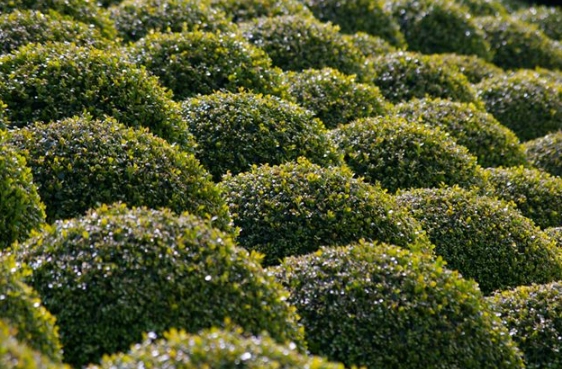
| Boxwood (Buxus) | Shrub | Leathery leaves, bitter taste | A classic foundation plant. Provides year-round structure. Slow-growing, so buy the size you need. |
| Daffodil (Narcissus) | Bulb | Toxic alkaloids (lycorine) | Deer will dig in freshly turned soil but won't eat the bulbs or foliage. Plant among hostas as a protector. |
| Catmint (Nepeta) | Perennial | Minty fragrance, sometimes fuzzy | A workhorse. Long bloom time, loved by bees. 'Walker's Low' is a fantastic cultivar. Sprawls nicely. |
| Japanese Pieris (Pieris japonica) | Shrub | Toxic foliage and flowers | Evergreen with beautiful spring pendants. Prefers acidic, moist soil and some shade. Highly reliable. |
| Bleeding Heart (Dicentra) | Perennial | Contains alkaloids, delicate texture | For shaded areas. The fern-like foliage and unique flowers are consistently left alone. Goes dormant in summer. |
| Feather Reed Grass (Calamagrostis) | Ornamental Grass | Sharp-edged foliage | Grasses are generally safe. This one adds vertical interest. 'Karl Foerster' is the gold standard. Low maintenance. |
This list gives you options for sun, shade, structure, and color. Mix and match based on your garden's conditions.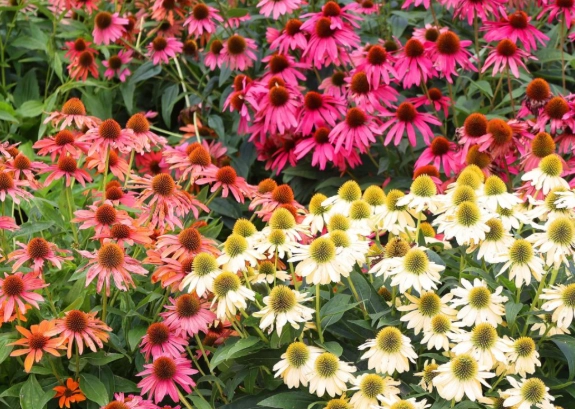
The Deer Buffet: Plants to Avoid at All Costs
If you have deer, planting these is basically an invitation. I've seen gardens where every single one of these was eaten first.
- Hostas: Deer salad. The number one casualty. Every variety.
- Tulips & Lilies: Candy. They will seek these out, often digging for the bulbs.
- Roses (especially hybrid teas): Tender new growth is irresistible. Some rugosa roses with prickly stems fare better.
- Daylilies (Hemerocallis): They'll eat the flower buds right off the stem.
- Young Fruit Trees & Arborvitae: In winter, bark and evergreen foliage become critical food sources.
If you must have a hosta, plant it in a container on your patio or right next to your house. Otherwise, consider substitutes like brunnera or hellebores for shade.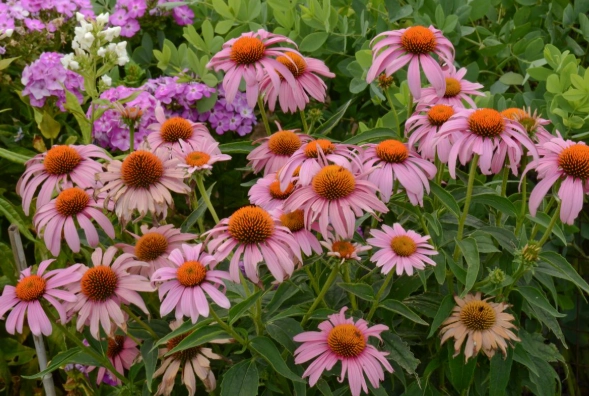
Pro Tips You Won't Find on Every Blog
After a decade of trial and error, here's what actually moves the needle.
Use Repellents Strategically, Not Constantly
Spraying everything every two weeks is a chore. Deer get used to smells. I rotate between two types: a putrefied egg/scent-based repellent (like Deer Off) and a taste-based capsaicin/bitter agent repellent (like Bobbex). Switch every month. Apply just before key vulnerable periods: as plants break dormancy in spring, when flower buds form, and in late fall.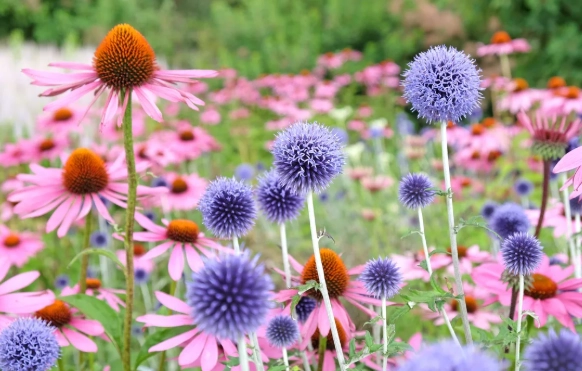
The Fishing Line Fence
For a small prized bed, this is a genius, low-cost trick. Run two strands of clear 20-pound fishing line around stakes, one at 1 foot high and one at 3 feet high. Deer can't see it well. When they touch it, it feels unstable and spooky, and they often back off. It's not for high-pressure areas, but for protecting a specific area, it's surprisingly effective and invisible.
Plant for All Seasons
Winter is when deer get desperate. Evergreen structure plants like boxwood, holly, and juniper are crucial. They provide cover and remain unpalatable year-round, reducing winter browsing pressure on everything else.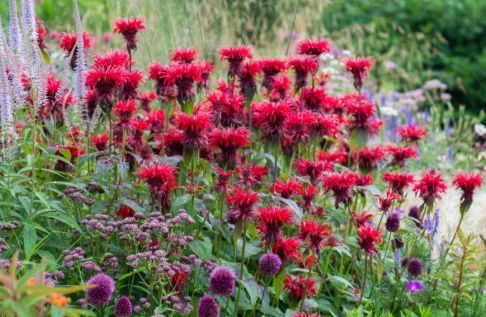
Gardening with deer is a negotiation, not a war. You're working with their biology, not just against their appetite. By choosing the right deer resistant plants and deploying smart strategies, you can have a gorgeous garden that coexists with the local wildlife. It's deeply satisfying when it works.
Your Questions, Answered
Reader Comments