Let's cut to the chase: if you're tired of watching frost kill your plants or want to get a jump on spring, a cold frame is your best friend. It's not some fancy greenhouse—just a simple box with a clear lid that traps heat and protects crops. I've used them for over ten years, and they've saved my garden more times than I can count. Forget the complex guides; here's everything you need, plus the mistakes I made so you don't have to.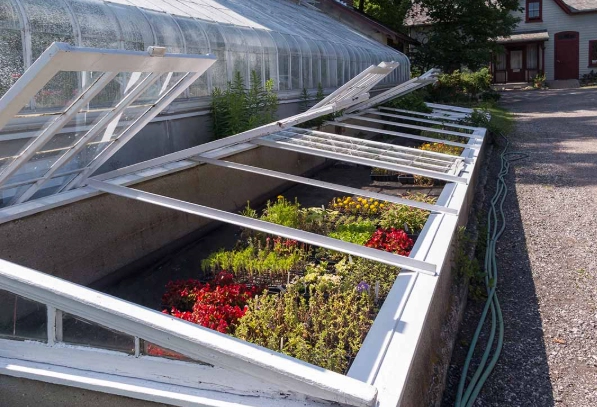
What You'll Learn in This Guide
What Are Cold Frames and Why You Need One
A cold frame is basically a mini-greenhouse. It's a bottomless box with a transparent top—often old windows or plastic sheeting—that sits on the ground. Sunlight warms the air inside, creating a cozy microclimate for plants. Why bother? Well, if you live where winters are harsh or springs are unpredictable, it extends your growing season by weeks or even months. I started using one after losing a whole bed of lettuce to an unexpected frost. Now, I harvest greens in December.
According to the Royal Horticultural Society, cold frames can protect plants from temperatures as low as 20°F (-6°C). That's a game-changer for early tomatoes or late kale. They're also cheaper than a greenhouse. My first frame cost under $50 using scrap wood and an old storm window.
The Real Benefits Beyond Frost Protection
Most people think cold frames are just for winter. Wrong. In summer, they shield seedlings from heavy rain or scorching sun. I use mine to harden off plants—moving them from indoors to outside without shock. Plus, they keep pests like slugs at bay. One year, I grew carrots in a frame and had zero pest damage, unlike my open garden.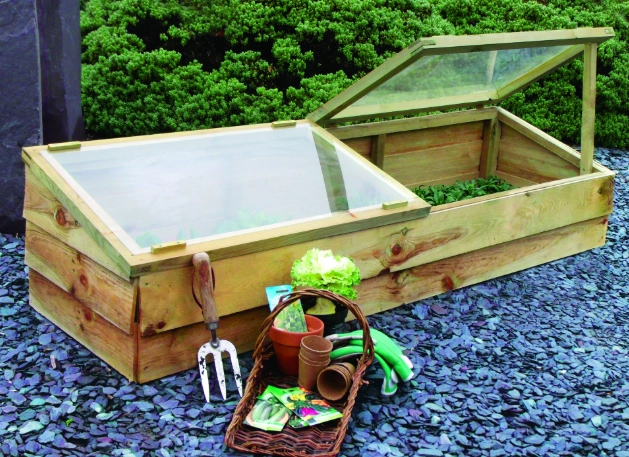
How to Build a Cold Frame: A Step-by-Step Guide
Building a cold frame is easier than you think. I'll walk you through a simple DIY project that took me an afternoon. The key is to avoid overcomplicating it—my first attempt was too tall, and it shaded the plants.
Materials You'll Need
Here's what I use now, based on trial and error:
- Wood: Cedar or pressure-treated pine for durability. Avoid cheap plywood—it rots fast. I learned that the hard way when my frame collapsed after one season.
- Lid: Polycarbonate sheets or old windows. Glass is heavy but clear; polycarbonate is lightweight and shatter-resistant. I prefer polycarbonate because it doesn't break in hailstorms.
- Hinges and latch: To open and secure the lid. Don't skip the latch—wind can flip it open.
- Tools: Saw, drill, screws, measuring tape. A level helps if your ground is uneven.
Step-by-Step Construction
First, choose a sunny spot facing south. Measure and cut the wood: two sides at 3 feet long, two ends at 2 feet long, with the back higher than the front for slope (about 12 inches back, 8 inches front). This angle lets rain runoff and maximizes sun. Assemble with screws, attach the lid with hinges, and add a prop stick for ventilation. Done.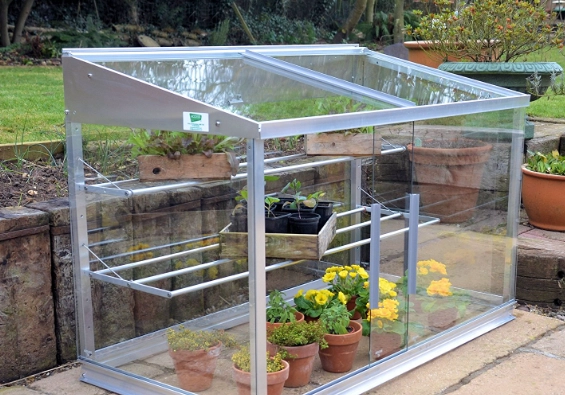
Expert Tip: Many beginners make the frame too deep. Keep it under 18 inches tall—otherwise, heat escapes at night. My first frame was 24 inches, and my plants froze because the warmth didn't stay in.
For a quick option, repurpose an old bookshelf or straw bales. I once used straw bales for a temporary frame—it worked for one season but wasn't as sturdy.
Best Plants for Cold Frames
Not all plants thrive in a cold frame. Focus on cool-season crops that tolerate temperature swings. Here's a table based on my experience and data from the USDA Plant Hardiness Zone guide.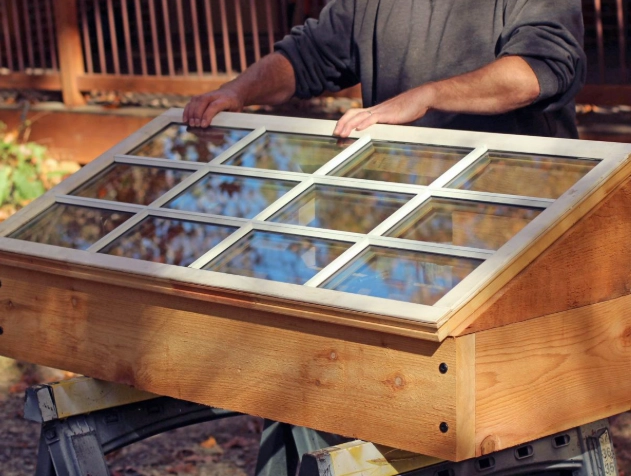
| Plant Type | Best Season | Notes from My Garden |
|---|---|---|
| Spinach | Fall to Spring | Harvests all winter if protected; grows slower but stays tender. |
| Lettuce | Early Spring/Late Fall | Bolts less in a frame; I've grown butterhead in December. |
| Carrots | Fall | Sweeter after frost; keep soil loose for root growth. |
| Kale | Year-round | Almost indestructible; survives down to 10°F inside frame. |
| Herbs (parsley, cilantro) | Spring/Fall | Less bolting; extend harvest by weeks. |
Avoid tall plants like corn or tomatoes unless you have a deep frame—they'll hit the lid. I tried tomatoes once, and they grew leggy reaching for light. Stick to low-growing varieties.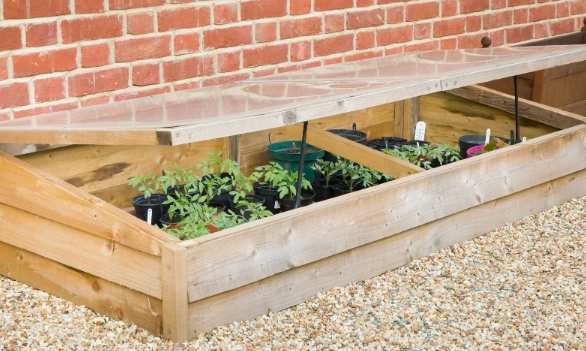
For flowers, pansies and violas add color in early spring. I mix them with greens for a pretty, edible display.
Maintaining Your Cold Frame: Ventilation, Watering, and More
Maintenance is where most people fail. A cold frame isn't set-and-forget. You need to monitor it daily, especially in sunny weather.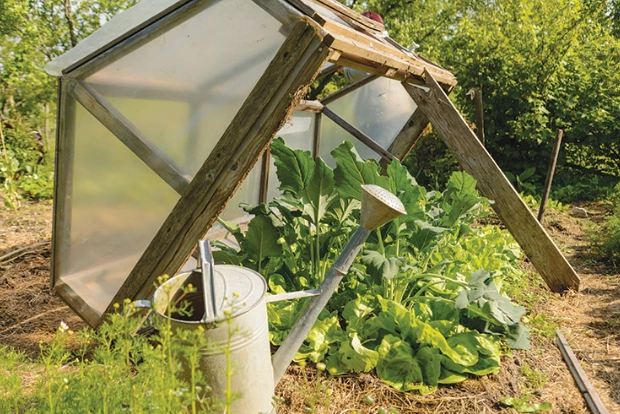
Ventilation Is Crucial
On sunny days, even in winter, temperatures inside can soar above 80°F. That cooks plants. Always prop the lid open a few inches during the day. I use a simple stick—adjust it based on the forecast. Close it at night to retain heat. One mistake I made: forgetting to vent on a warm February day, and my spinach wilted overnight.
Watering and Soil Care
Water less than in open ground—the enclosed space holds moisture. Check soil with your finger; if it's dry an inch down, water lightly in the morning. Overwatering leads to mold. I add compost each season to keep soil fertile without chemical fertilizers.
Inspect for pests occasionally. Slugs can sneak in, so I sprinkle diatomaceous earth around the edges. It's organic and effective.
At season's end, clean the lid to maximize light transmission. A dirty lid cuts sunlight by up to 30%, I've noticed.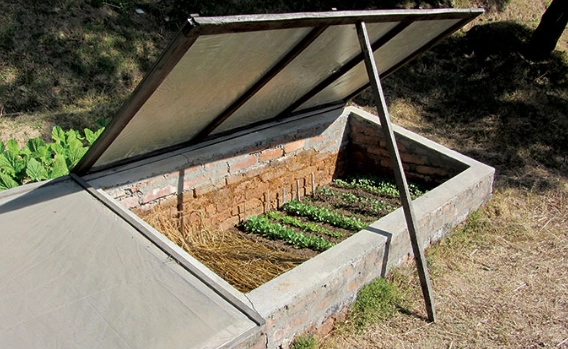
Frequently Asked Questions
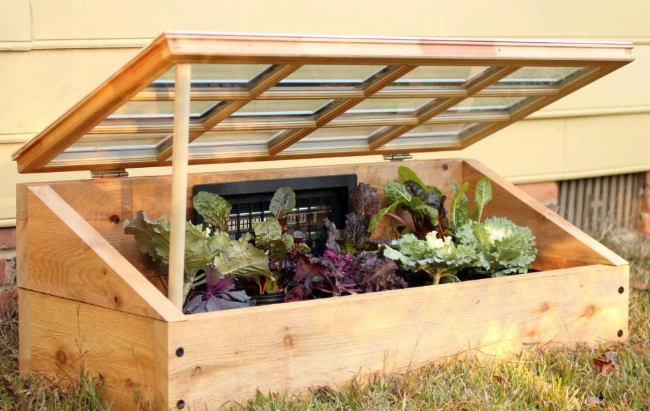
Cold frames are a simple tool with huge rewards. Start small, learn from your mistakes, and soon you'll be harvesting when others are just planting. Happy gardening!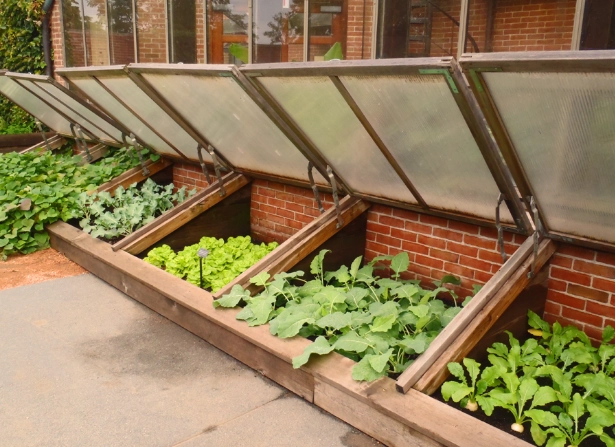
Reader Comments