Starting your own tomato plants from seed isn't just about saving a few dollars at the garden center. It's about control. Control over variety—ever seen 'Black Krim' or 'Sun Gold' seedlings for sale? Probably not. Control over health—you know exactly what soil they've been in and that no pesticides have touched them. And control over timing, getting that perfect, stocky plant ready just as your soil warms up. Forget the spindly, overgrown transplants. Let's grow some champions from the ground up.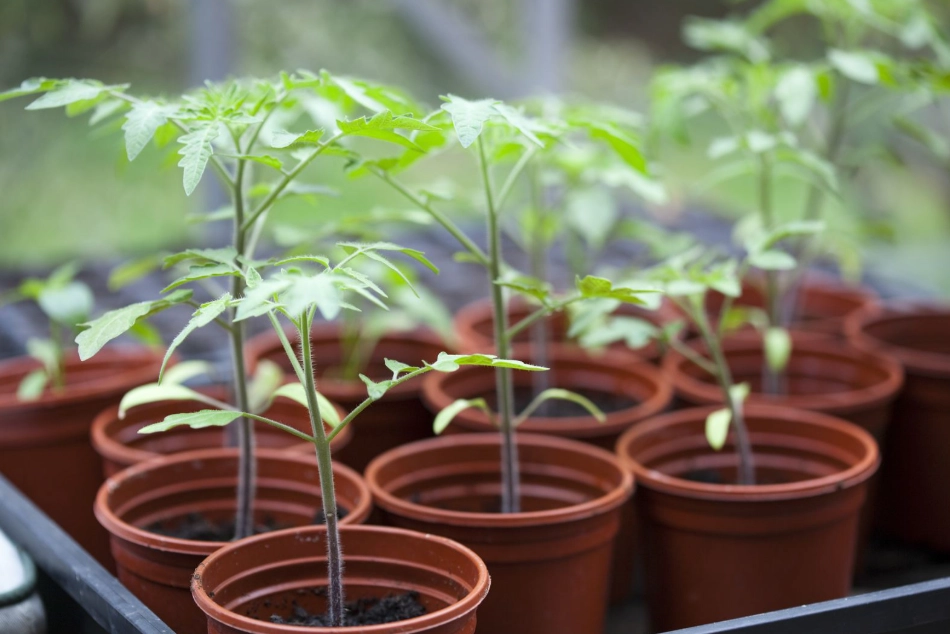
What’s Inside This Guide
Why Bother Starting Your Own Tomato Seedlings?
Walk into any nursery in spring, and you'll see racks of 'Better Boy' and 'Early Girl.' They're fine. But they represent about 0.1% of the tomato universe. When you start from seed, you unlock heirlooms with flavors that explode in your mouth, oddities like striped 'Green Zebras,' and cherries so sweet they're like candy. You also avoid the biggest issue with store-bought plants: the rush. They're grown on a commercial schedule, often forced to be big for selling weekends. If it's still too cold to plant, they sit, getting root-bound and stressed. Yours will be timed perfectly for your garden's conditions.
I learned this the hard way. One year, eager to get a jump, I bought the first beautiful seedlings I saw. A late frost hit. I covered them, but they were already stressed. They never really took off. The scrappy little seedlings I started a week later in my basement, planted after the frost, ended up twice as big and yielded more fruit. Timing is everything.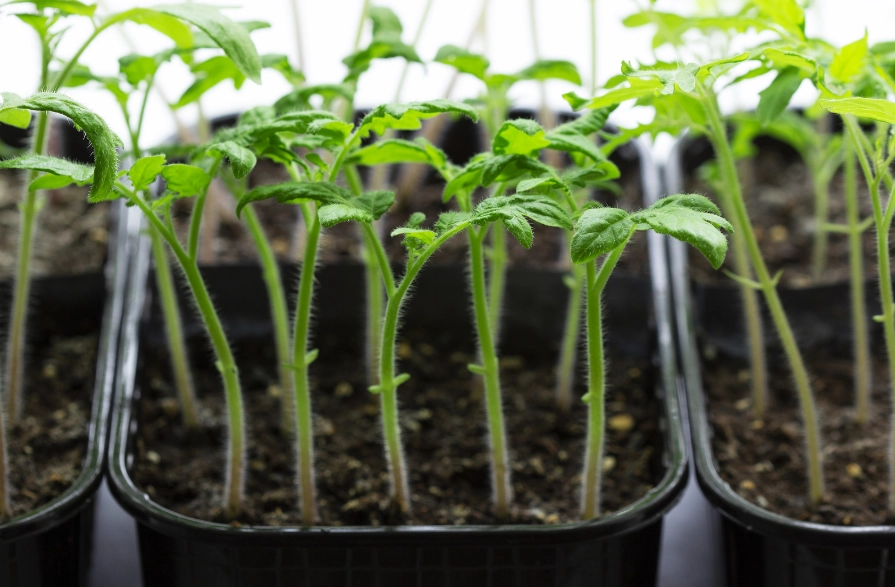
Step-by-Step: Starting Tomato Seeds Indoors
Let's get our hands dirty. This isn't complicated, but nailing a few details makes the difference between a sturdy plant and a wispy disappointment.
Gear You Actually Need
You can go down a rabbit hole of equipment. Keep it simple to start.
- Containers: Clean seed trays, cell packs, or even repurposed yogurt cups (poke big drainage holes!). I prefer cells that are at least 2 inches deep.
- Soil: This is critical. Do NOT use garden soil or generic potting mix. Use a sterile, fine-textured seed-starting mix. It's light, drains well, and is free of diseases that cause "damping-off" (the sudden collapse of seedlings). Brands like Pro-Mix or Espoma are reliable.
- Light: A sunny south window is a compromise. Seedlings will lean and stretch. For robust plants, a simple LED shop light or a purpose-built grow light is the single best investment. Hang it just 2-4 inches above the seedlings.
- Seeds: Source from reputable companies like Johnny's Selected Seeds, Baker Creek Heirloom Seeds, or your local favorite. Check the "days to maturity"—shorter is better for cooler climates.
The Planting Process: A Timeline
Count backwards from your last expected frost date (find yours via your local university extension service website). For tomatoes, start seeds 6-8 weeks before that date. In most of the US, that's late February to mid-March.
- Fill & Moisten: Fill your containers with seed mix. Water it thoroughly until it's evenly damp, like a wrung-out sponge, before planting. This prevents tiny seeds from washing away.
- Plant: Make a small hole about 1/4 inch deep. Drop in 2-3 seeds. Cover lightly with mix. Label immediately—you will forget what's what.
- Warmth & Humidity: Tomatoes need warmth to germinate, around 70-80°F. A seedling heat mat under the tray speeds things up dramatically. Cover the tray with a plastic dome or plastic wrap to keep humidity high.
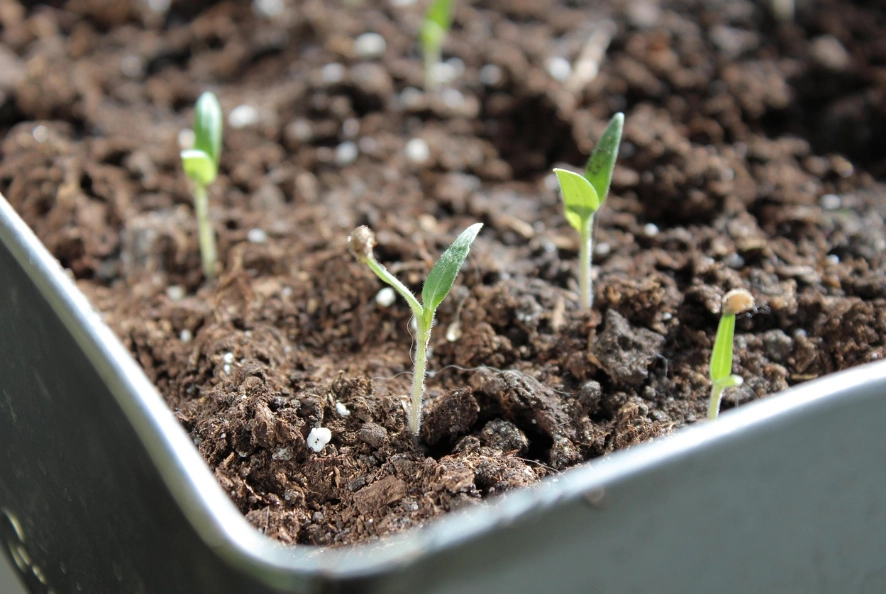
- The Wait: In 5-10 days, you'll see sprouts. The moment you see green, remove the cover and get them under that bright light.
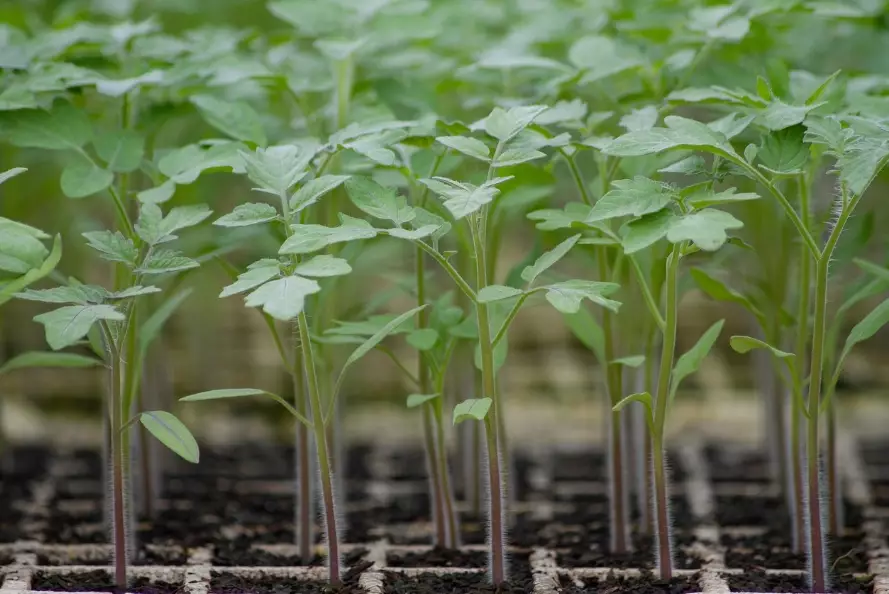
Pro Tip: Most seed-starting mixes have minimal nutrients. Your seedlings will need a first feeding about 3-4 weeks after sprouting, when the first true leaves (the ones that look like actual tomato leaves) are well developed. Use a half-strength dose of a balanced liquid fertilizer.
The Big Move: Transplanting Seedlings to the Garden
This is where many gardeners panic and rush. Patience pays off more here than anywhere else.
Hardening Off: The Non-Negotiable Step
You can't take a baby from a climate-controlled house and throw it into the wild. Hardening off is the week-long process of acclimating seedlings to sun, wind, and cooler nights. Day 1: Put them in a shaded, sheltered spot for 1-2 hours. Day 2: 3-4 hours, maybe with a bit of morning sun. Gradually increase their time and sun exposure over 7 days. Bring them in at night if it's chilly. Yes, it's a hassle. No, you can't skip it unless you want bleached, shocked plants.
Planting Day: Dig Deep
Tomatoes are unique. They can grow roots all along their buried stems. We use this to build a monster root system.
- Wait for a cloudy afternoon or evening to avoid immediate sun stress.
- Dig a hole deep enough to bury the seedling up to its first set of true leaves. Pinch off any lower leaves that would be underground.
- Gently loosen the root ball and place the plant in the hole.
- Backfill with soil mixed with a handful of compost. Water deeply to settle the soil.
- Space plants 18-24 inches apart for determinate types, 24-36 inches for sprawling indeterminates.
Watch Out: Don't just look at the air temperature. Soil temperature is key. If your garden soil is still below 50°F at night, the roots will just sit there, miserable. A soil thermometer is a cheap and wise tool. If it's too cold, wait another week.
Tomato Seedling Troubleshooting Guide
Things will go wrong. Here’s how to diagnose and fix the most common issues.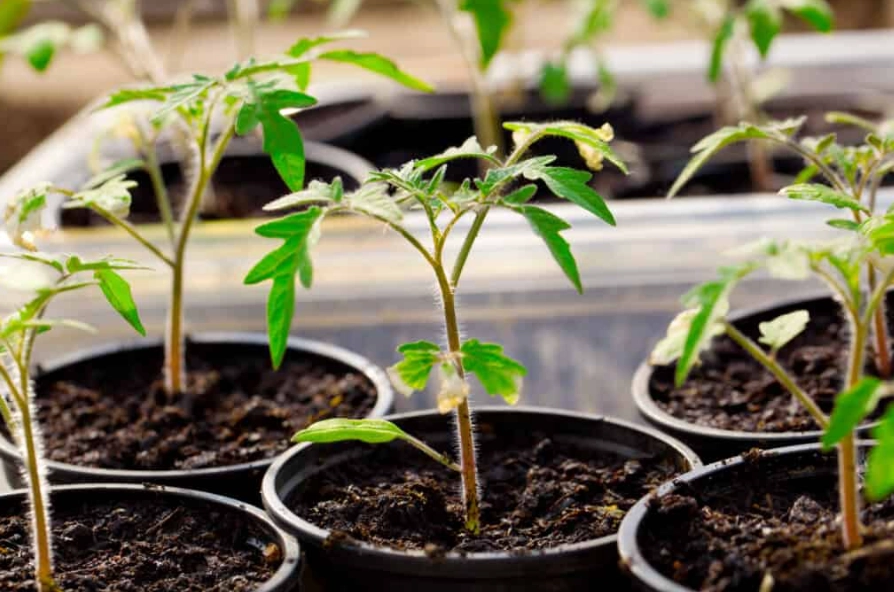
| Problem | Likely Cause | The Fix |
|---|---|---|
| Tall, skinny, weak stems (Leggy) | Insufficient light. They're stretching for it. | Get a grow light closer (2-4 inches). Increase duration to 14-16 hrs/day. |
| Yellowing lower leaves | Usually overwatering or the first sign of hunger. | Let soil dry slightly between waterings. If true leaves are pale, apply half-strength fertilizer. |
| Purple leaves or stems | Phosphorus deficiency, often caused by cold soil. | Ensure growing area is warm enough (70+°F). A balanced fertilizer will help. |
| White or brown spots on leaves | Fungal disease like Septoria leaf spot or sunscald. | Improve air circulation. Water at the soil, not the leaves. For sunscald, harden off properly. |
| Seedlings collapse at soil line | Damping-off disease (fungus in soil). | Preventable! Use sterile seed mix, avoid overwatering, ensure good airflow. No cure—remove affected plants. |
Beyond Beefsteak: Choosing Your Tomato Varieties
This is the fun part. Don't just plant one type. Plant a salad.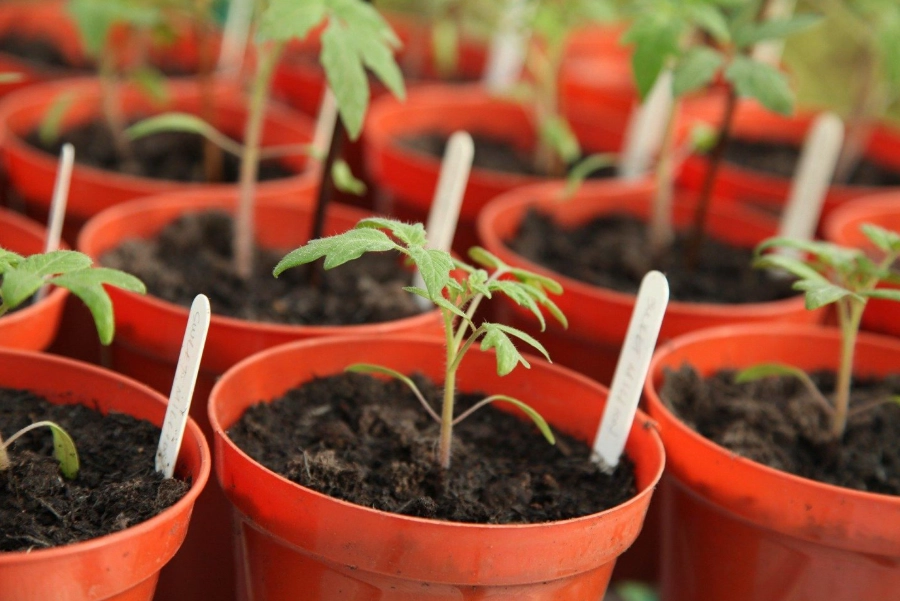
By Growth Habit: Determinate (Bush): Grow to a set size, set fruit all at once, then decline. Great for containers, canning, or small spaces. Examples: 'Roma,' 'Celebrity.' Indeterminate (Vining): Keep growing and producing fruit until frost. Need strong staking or cages. Most heirlooms are indeterminate. Examples: 'Cherokee Purple,' 'Brandywine,' 'Sun Gold.'
A Few Can't-Miss Picks for Home Gardeners:
- 'Sun Gold' (Cherry, Indeterminate): The unanimous favorite. Unbelievably sweet, prolific, and crack-resistant. It's a gateway tomato.
- 'Cherokee Purple' (Slicer, Indeterminate): An heirloom with deep, dusky pink flesh and a rich, smoky-sweet flavor. The texture is sublime.
- 'San Marzano' (Paste, Determinate): The classic sauce tomato. Meaty, with few seeds, and a concentrated flavor. Less watery than Romas.
- 'Black Krim' (Slicer, Indeterminate): Salty, almost smoky flavor from the Russian Black Sea region. Stunning dark red-green shoulders. Performs well in heat.
My personal must-grow every year is 'Sun Gold.' I plant two because my family eats them straight off the vine like grapes. For a sandwich, nothing beats a thick slice of 'Cherokee Purple' with a sprinkle of salt.
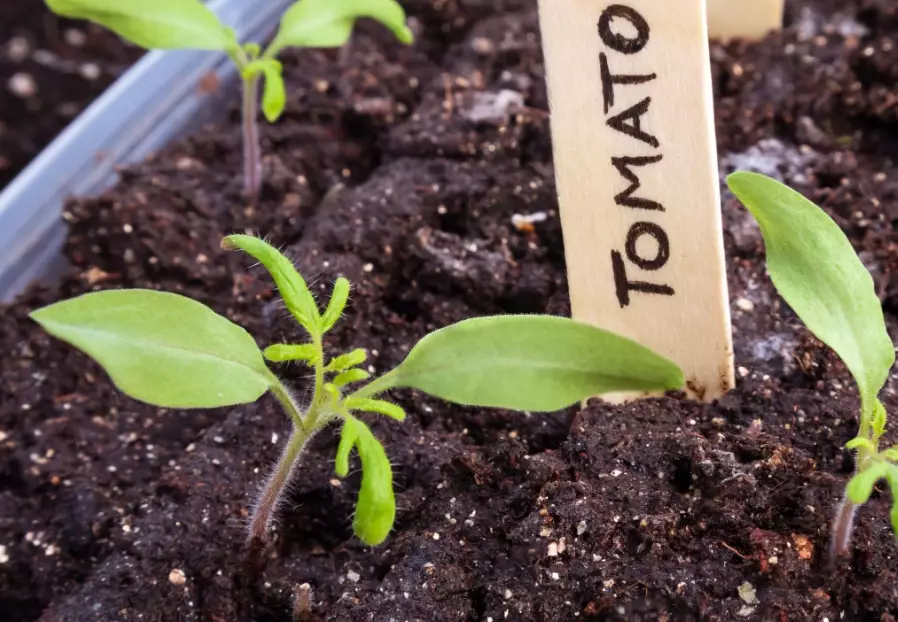 Can I grow tomato seedlings in any container, like yogurt cups?
Reader Comments